Safety, Security and Seafarers: How Industry and Naval Coordination Keeps Trade Moving
Recent attacks on civilian merchant shipping, disruption across key trade corridors and heightened security concerns in several regions have placed seafarers at the centre of a rapidly changing operating environment.
As governments, navies and the maritime industry work more closely together to keep trade moving, support for seafarers has become both a safety priority and a strategic imperative.
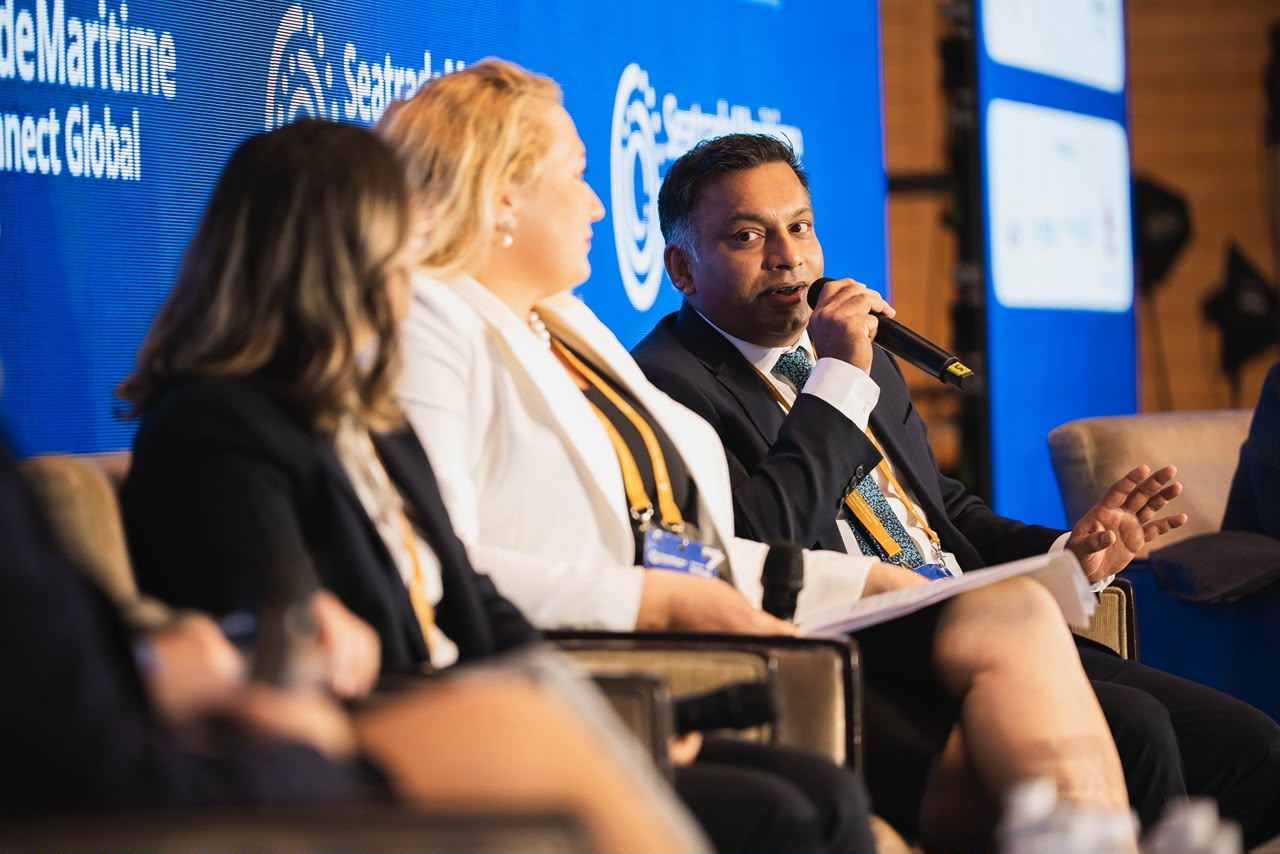
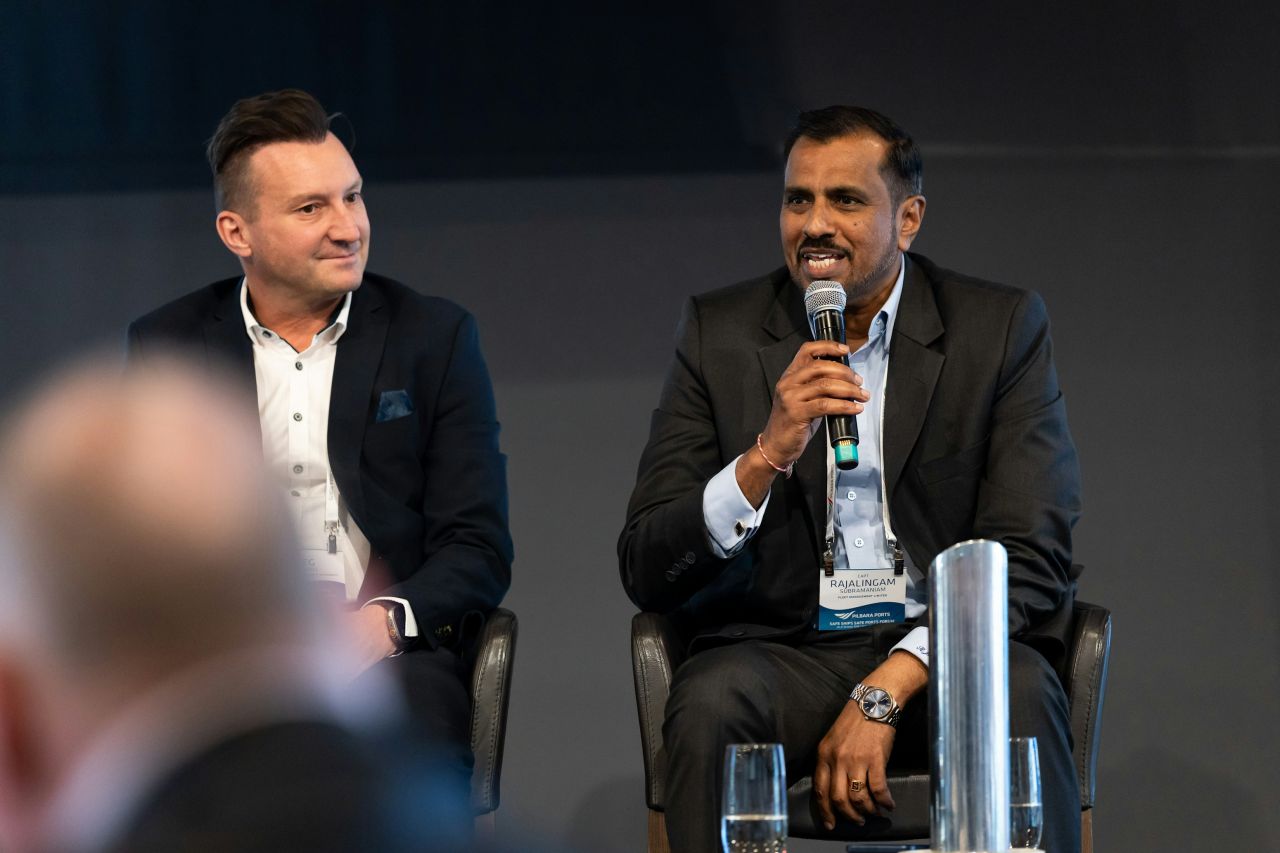
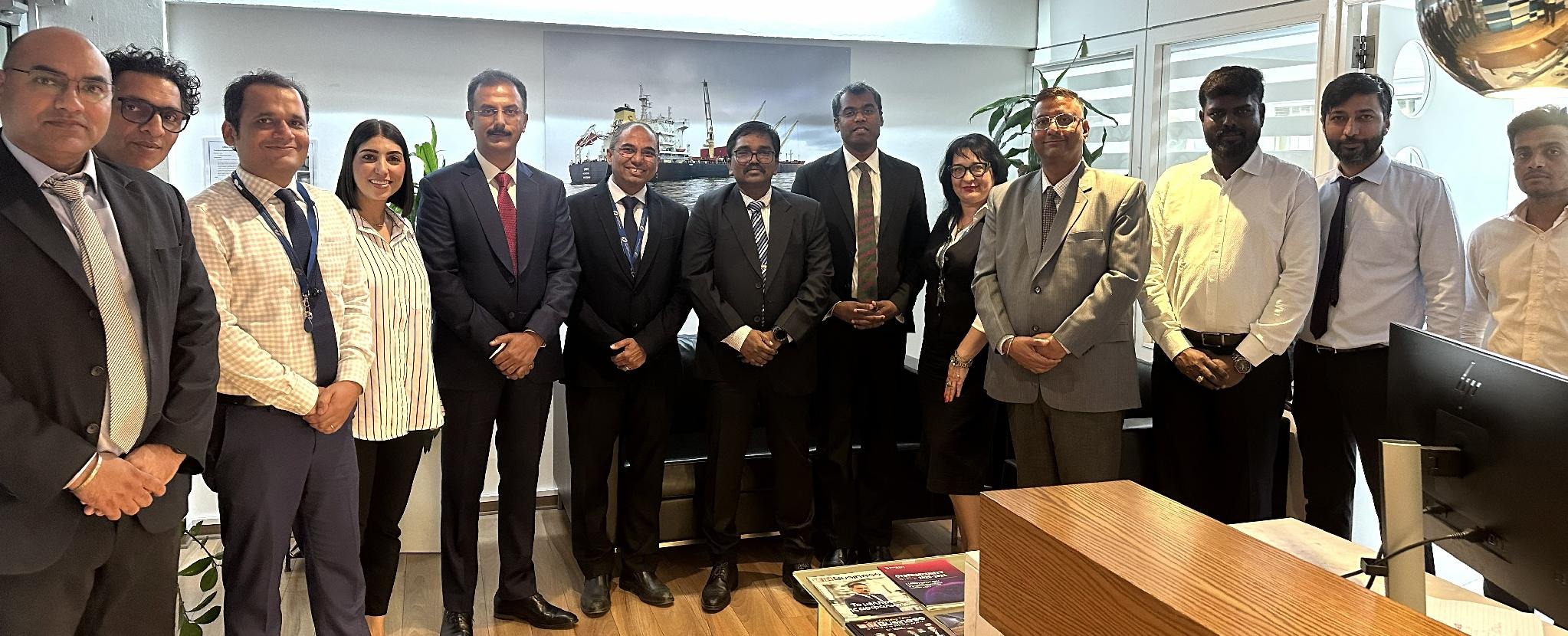
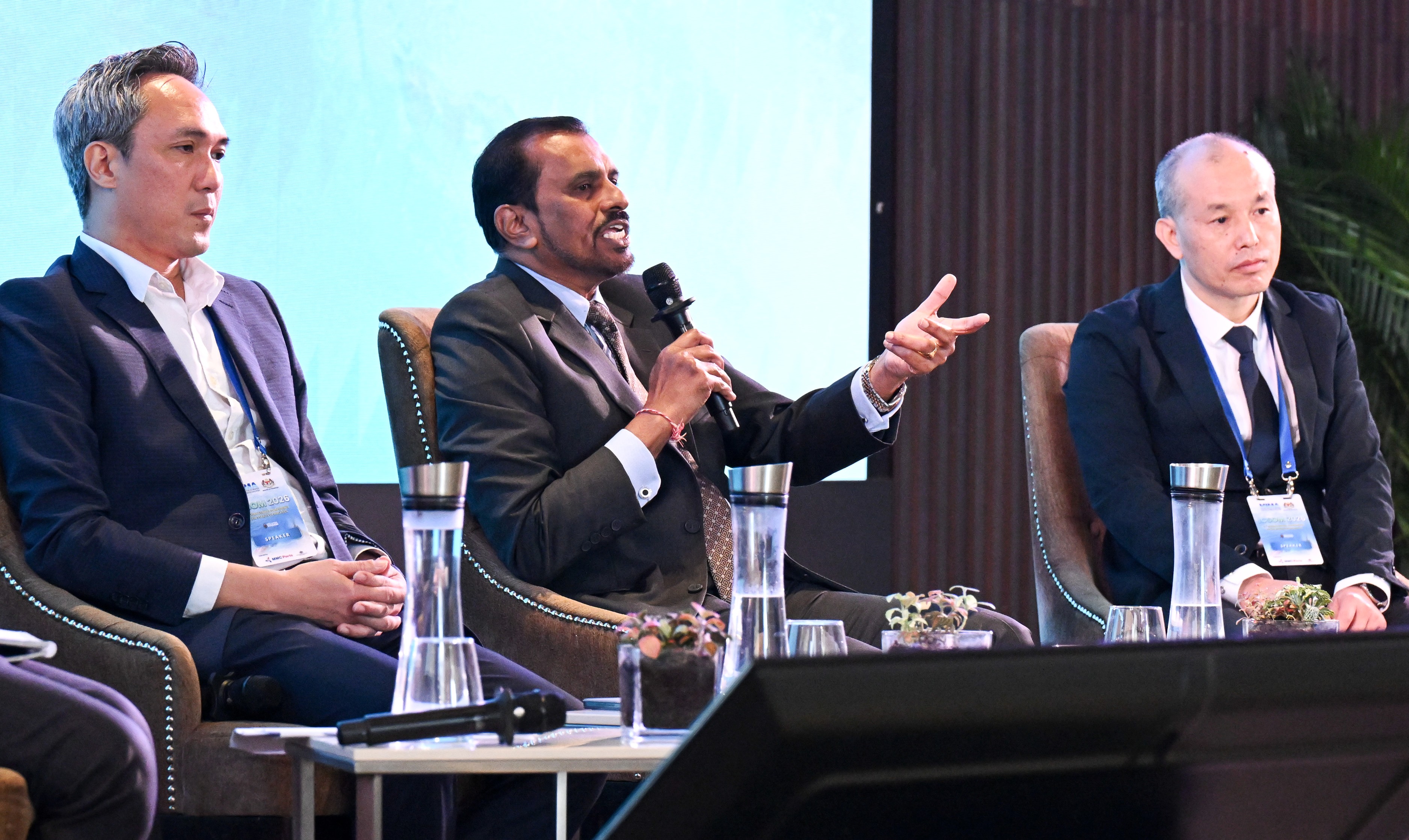
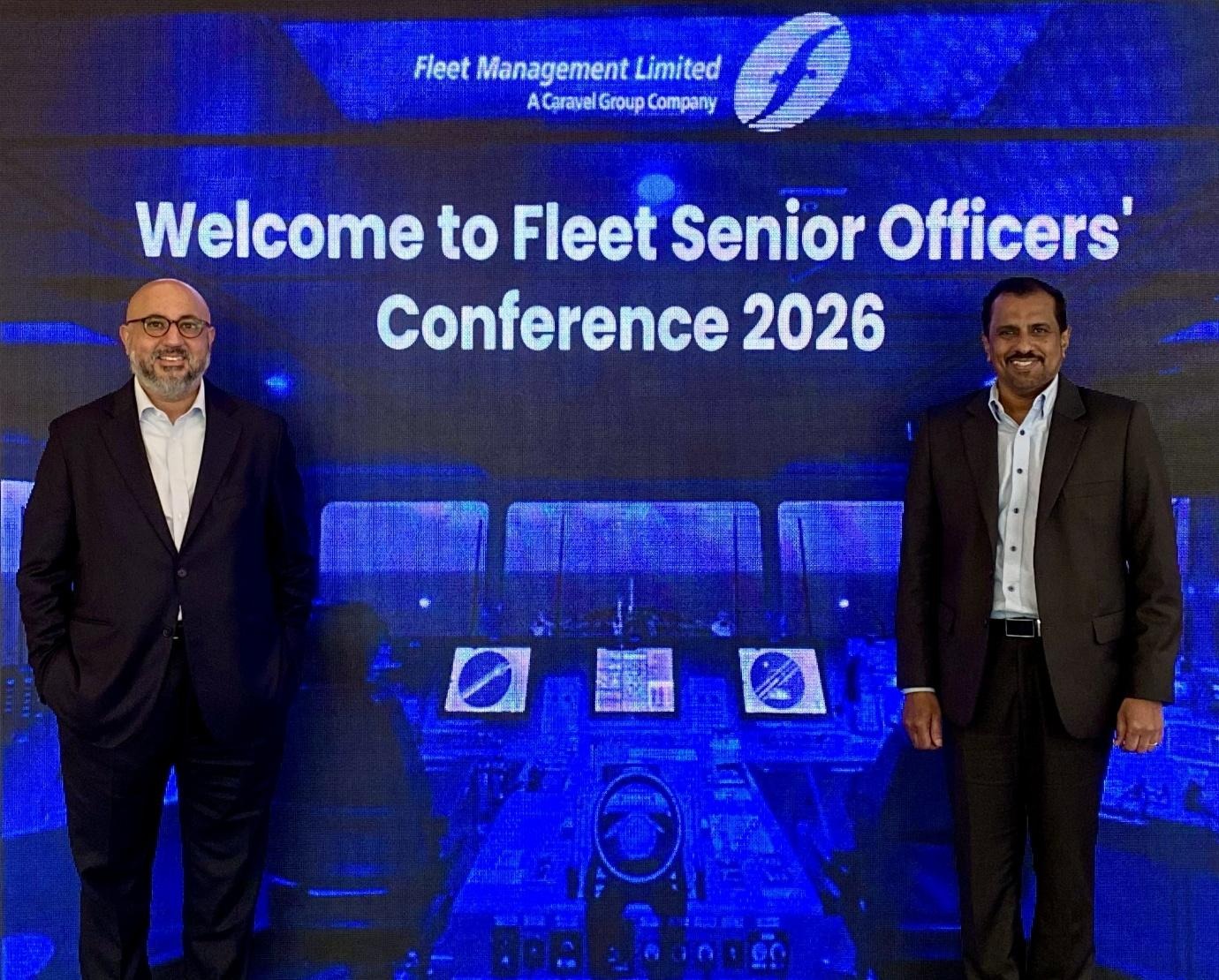
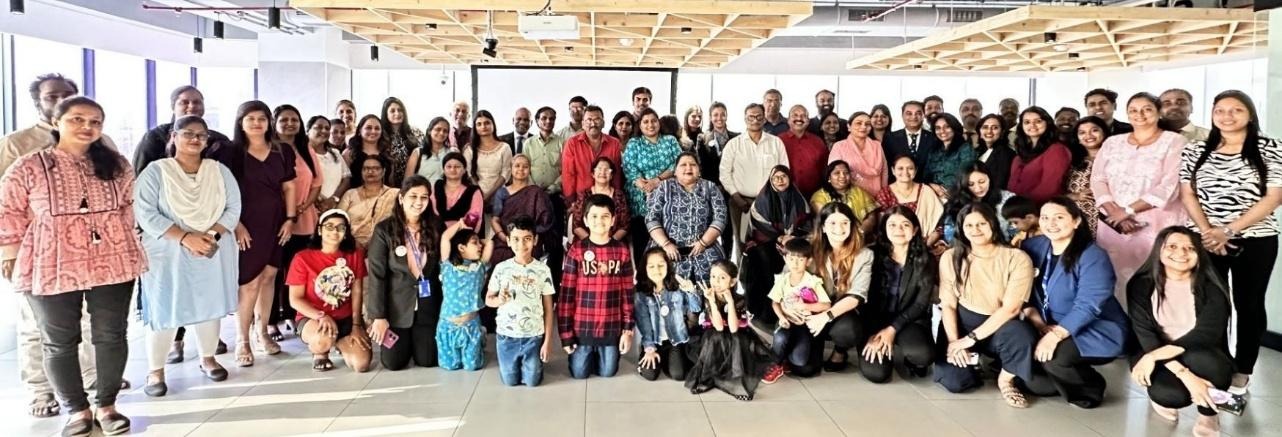
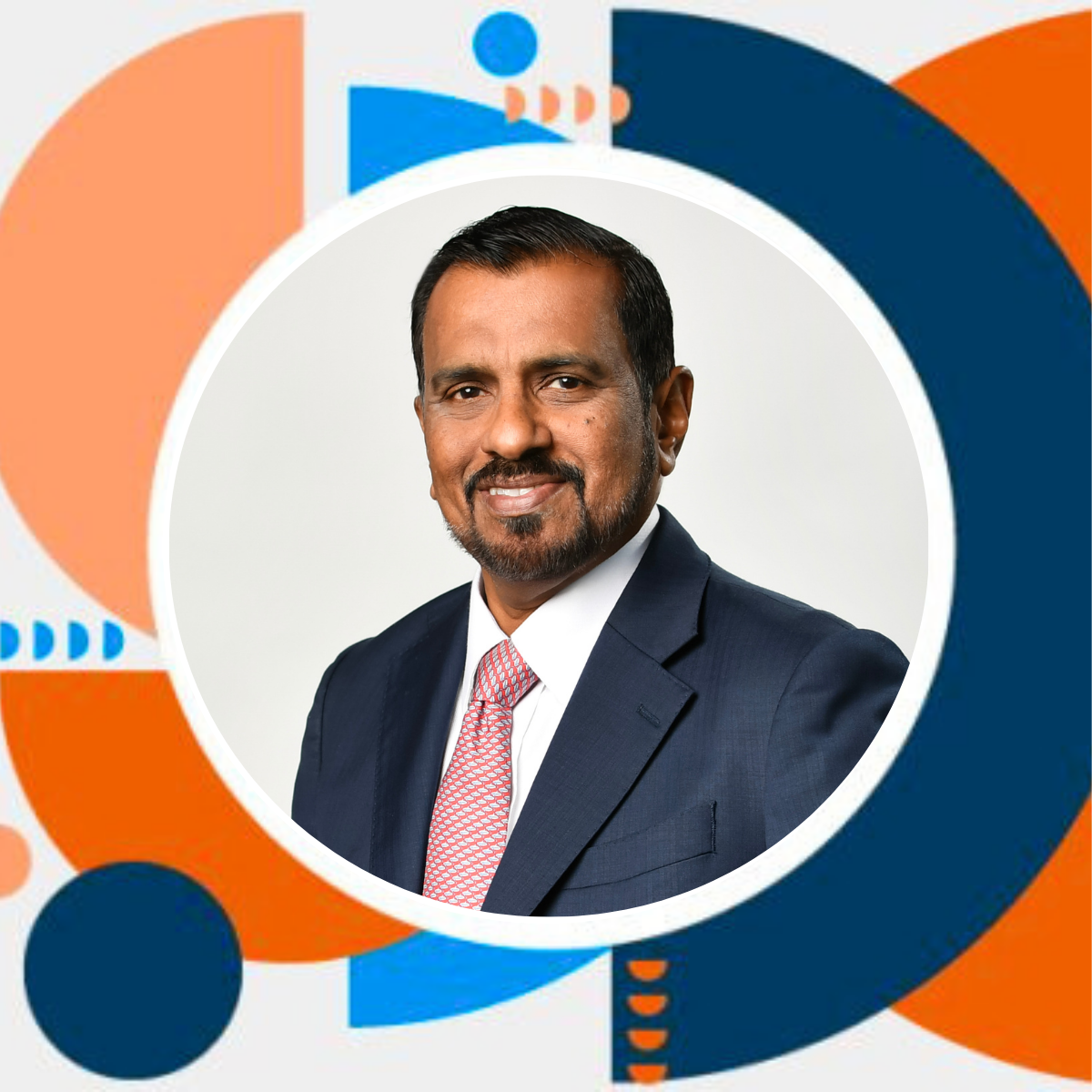
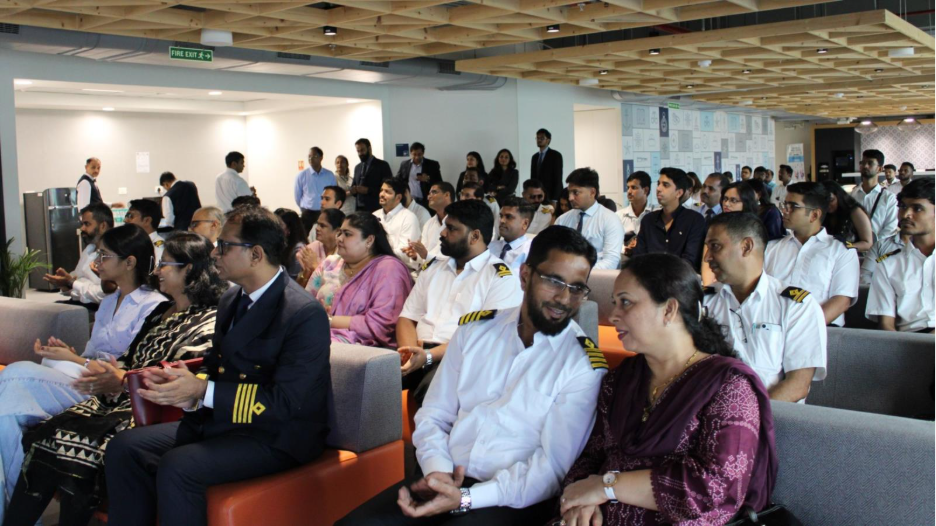
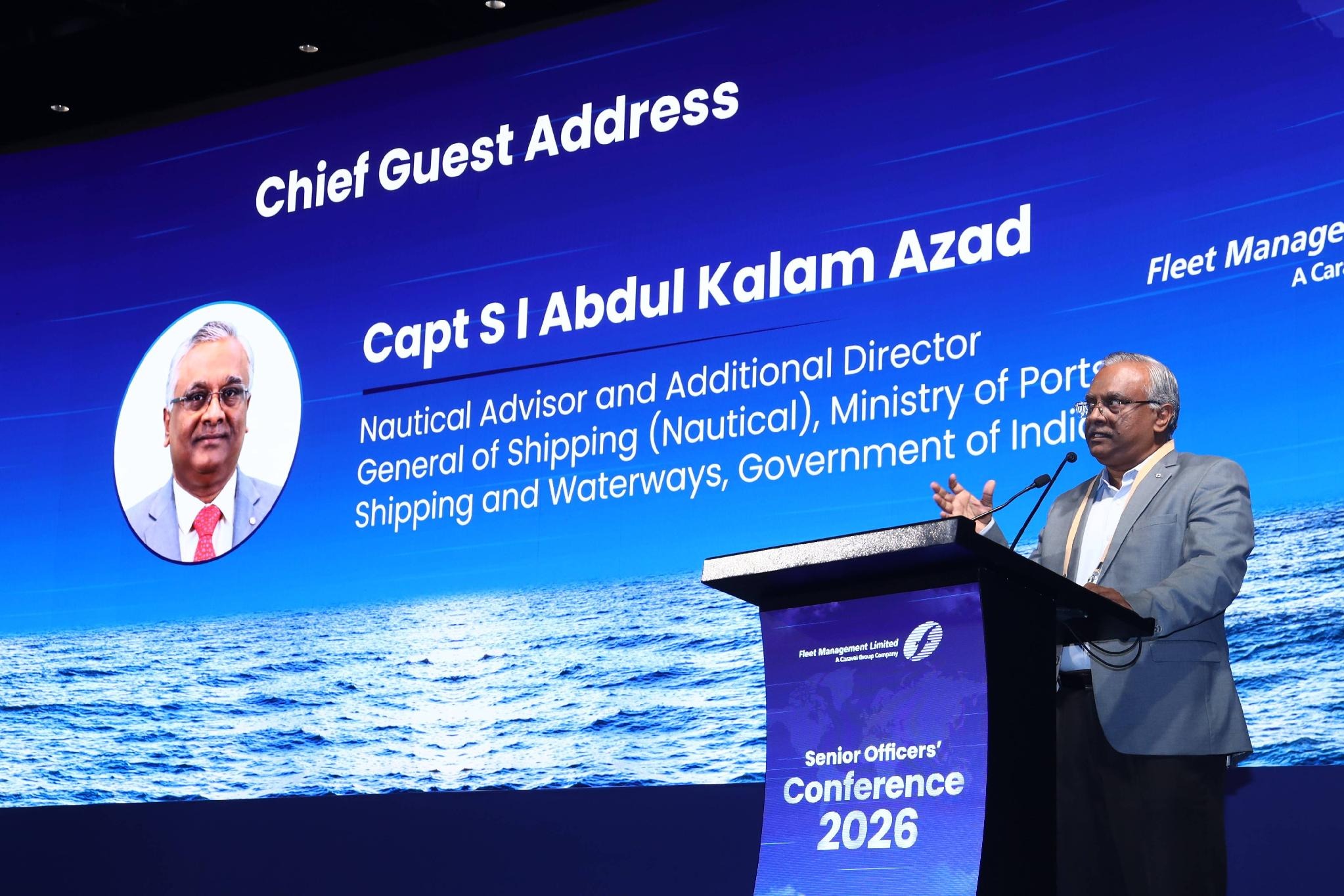
These themes featured prominently in a keynote address by Captain Abdul Kalam Azad, Nautical Advisor and Additional Director General of Shipping, Ministry of Ports Shipping and Waterways, Government of India at Fleet's Senior Officers' Conference in Mumbai.
Speaking to senior officers, customers and maritime leaders, Captain Azad reflected on the realities facing today's merchant fleet. As vessels navigate evolving security risks, rerouting requirements and increasingly complex operating conditions, he emphasised that resilience ultimately depends on the people onboard.
"In the last six months, I can tell you the role of the seafarer has become higher than the soldier. Without any defence, without any equipment to fight back, they are risking their lives to keep cargo moving."
His remarks highlighted the growing pressures facing civilian crews operating in and around high-risk regions. While much public attention focuses on cargo flows and supply chains, seafarers are often the first to experience the consequences of geopolitical instability.
Coordination Beyond the Commercial Fleet
Recent events have reinforced the importance of coordination between merchant shipping, regulators, governments and naval authorities.
As security risks evolve, information sharing, voyage planning, security advisories and communication channels have become increasingly important in helping vessels assess threats and operate safely through affected regions.
While shipping companies remain responsible for the safe operation of their vessels, recent disruptions have demonstrated the value of close cooperation between industry and government agencies in supporting crews and maintaining the flow of global trade.
For Captain Azad, resilience today is built not only through ships and infrastructure, but through strong partnerships between all those responsible for maritime safety.
Keeping Crews Safe in a Higher-Risk Environment
While security challenges have become more prominent, Captain Azad reminded officers that maritime safety starts with the decisions people make every day.
"The simple requirement is to come back home safely. Your target should come back home safely. That's all."
His comments resonated strongly with the audience of senior officers.
Beyond delivering cargo or meeting operational targets, the industry's most important responsibility remains ensuring that every seafarer returns home safely.
Fleet's approach reflects this philosophy. Alongside established safety management systems, the company continues to strengthen shipboard leadership, proactive risk identification and open reporting cultures. Initiatives such as dedicated Onboard Safety Officers and enhanced safety programmes are designed to empower seafarers to identify concerns early and contribute actively to safer operations.
Wellbeing Is a Maritime Safety Issue
Captain Azad also highlighted a challenge that receives less public attention but has significant implications for the industry.
"Last year, over 100 Indian seafarers lost life. Out of that, marine casualties were only 28 fatalities. Remaining 78.6% is due to sickness, health, suicide and missing."
The figures reinforce a growing industry understanding that safety and wellbeing cannot be separated.
He emphasised the importance of stronger medical screening, early intervention and transparency around health conditions before joining vessels.
"Out of 100 deaths, 80 deaths can be minimised by a pre-joining medical examination."
The message reinforces an important principle: preventative care is not an administrative requirement, but a critical safeguard for seafarers and their families.
This focus closely aligns with Fleet's approach to medical oversight, including Pre-Employment Medical Examinations (PEME), ongoing medical review processes and proactive health support.
It also reflects the principles behind Care 360, Fleet's wellbeing framework designed to support seafarers both at sea and ashore. Through medical support, psychological services, welfare programmes and family assistance, the initiative recognises that operational performance is closely connected to personal wellbeing.
Supporting Seafarers Beyond the Vessel
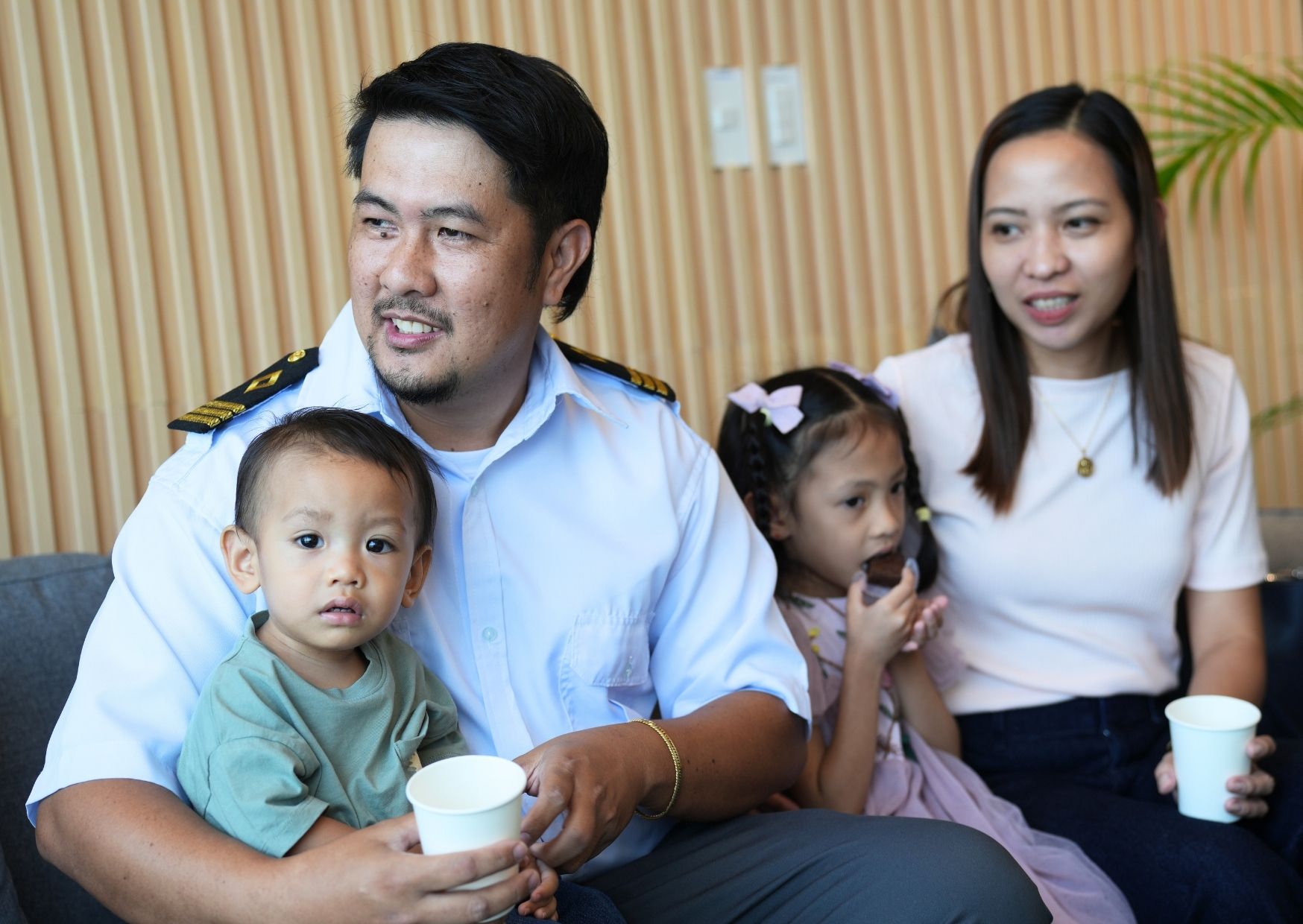
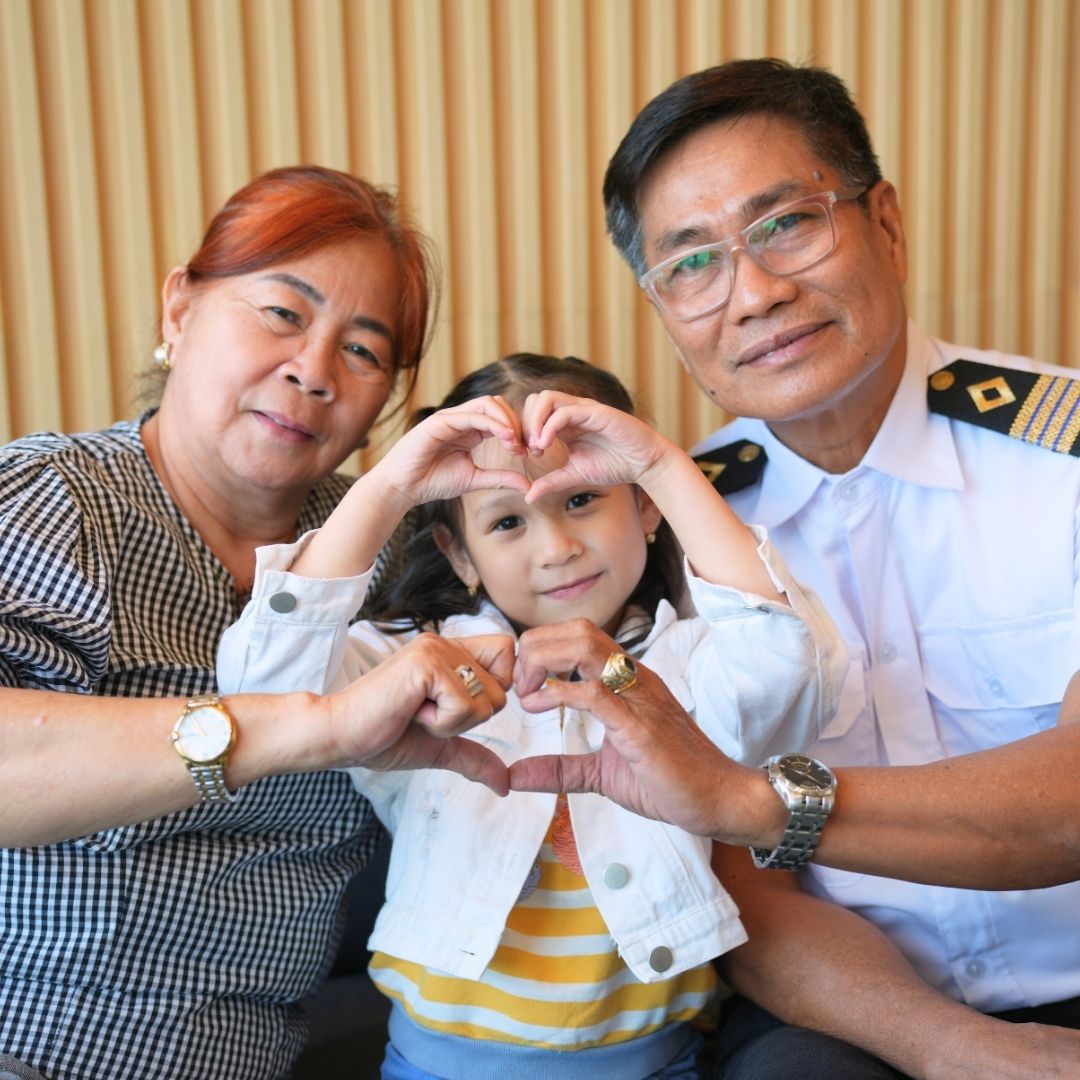
Throughout his address, Captain Azad repeatedly returned to the impact maritime careers have on families.
"We don't want your family to suffer while you are at sea."
The statement reflects an important reality of the profession. Behind every seafarer is a family whose wellbeing is often affected by life at sea.
Across the industry, there is increasing recognition that stronger family engagement, welfare support and communication programmes contribute directly to wellbeing, retention and operational performance.
Fleet's family-focused initiatives seek to strengthen those support networks and aid before challenges escalate into crises.
Building Capability for a More Complex Maritime Environment
Captain Azad also highlighted one of India's most ambitious maritime objectives: increasing the country's share of the global seafaring workforce.
"We aspire that one in every five seafarers should be an Indian seafarer."
The Mission 20% initiative reflects a long-term commitment to developing the next generation of maritime professionals. But he was equally clear that this cannot be achieved by policy alone.
"It cannot be done by the government. It can be done only with the industry."
That message resonated with Fleet's own commitment to cadet development, structured career pathways and leadership programmes.
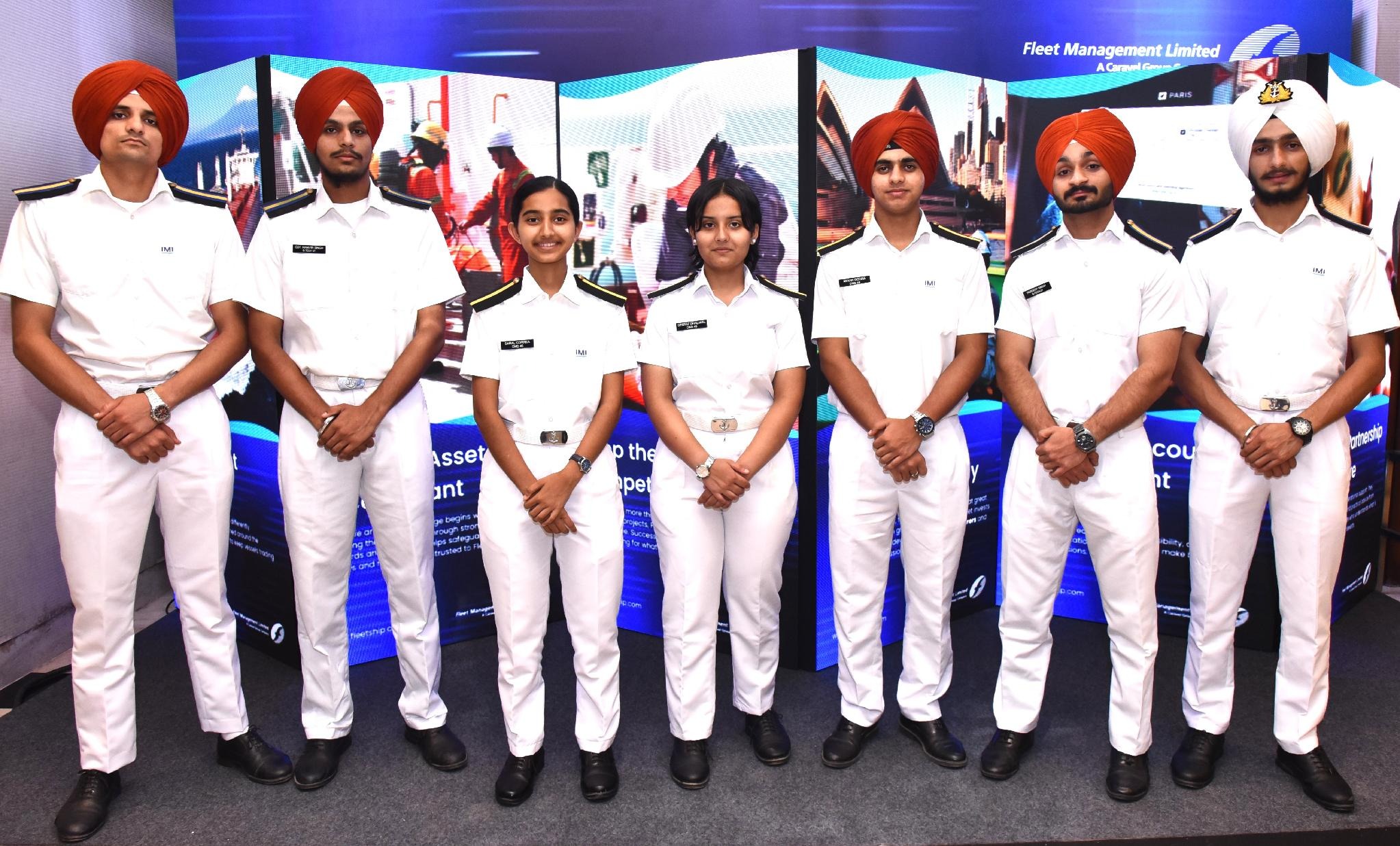
Through the International Maritime Institute (IMI), The Caravel Group also supports pathways connecting maritime education with professional careers at sea, helping strengthen the future talent pipeline for the industry.
Innovation from the Ship to the Shore
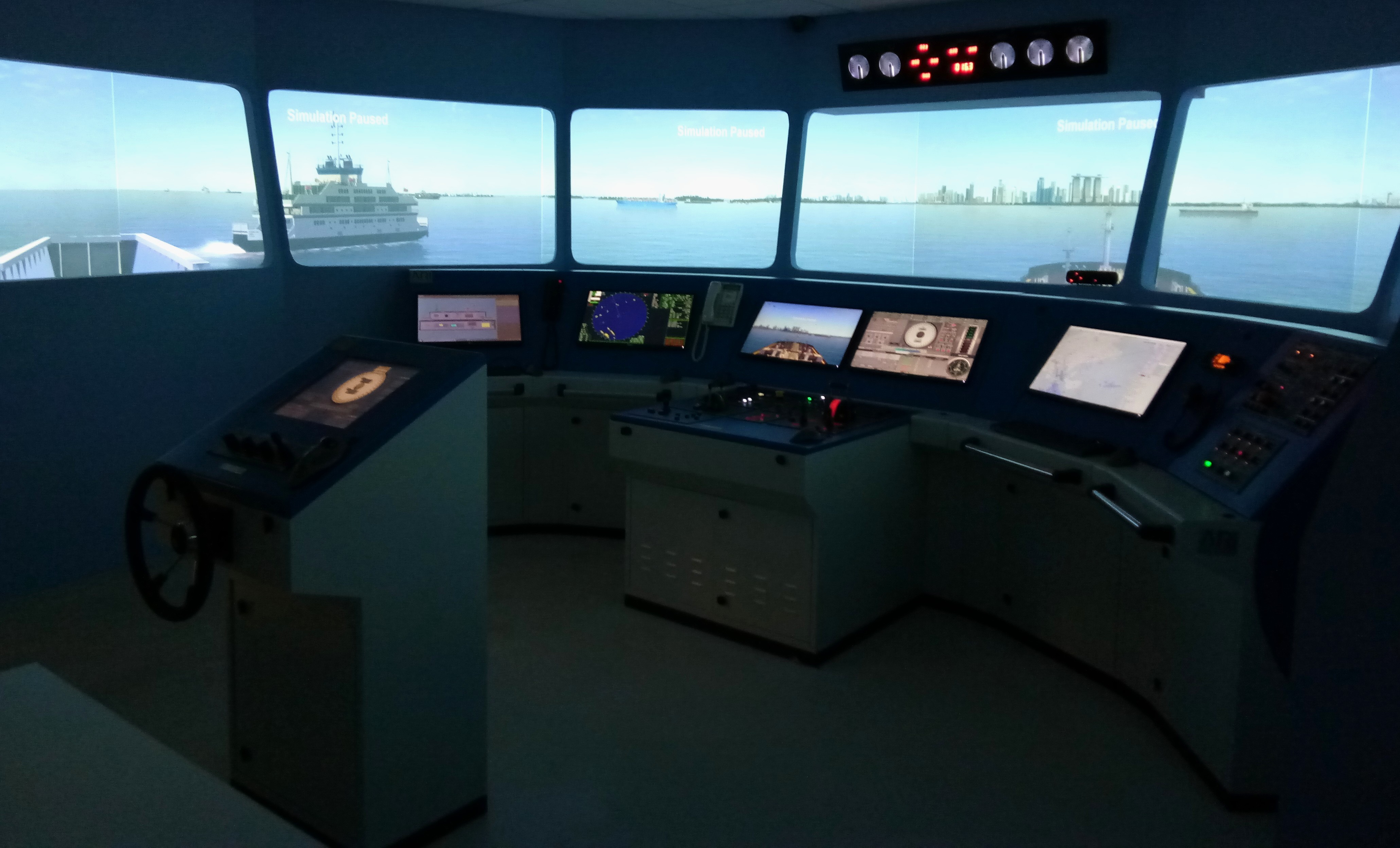
Captain Azad also highlighted the role seafarers can play in solving operational challenges. He specifically recognised work undertaken by a Fleet Officer with support from Fleet Management Training Institute on practical solutions designed to minimise the impact of GPS spoofing, an increasingly significant challenge affecting global shipping.
"We would like to see more entrepreneurship spirit among seafarers to solve day-to-day issues."
The example served as a reminder that some of the industry's most practical innovations emerge from people confronting operational realities firsthand.
His message underscored the importance of encouraging future leaders, innovators and entrepreneurs to emerge from within the maritime community itself.
Resilience Requires Coordination
As shipping navigates a period of heightened uncertainty, Captain Azad's address offered a reminder that technology, regulation and infrastructure alone cannot deliver resilience.
Recent geopolitical events have demonstrated the importance of cooperation across governments, regulators, naval authorities and industry. They have also reinforced that none of those systems work without the seafarers who keep global trade moving.
His closing message captured that responsibility.
"Make sure that each and every person onboard ship comes home safely."
In a more complex security environment, that remains the industry's most important measure of success.