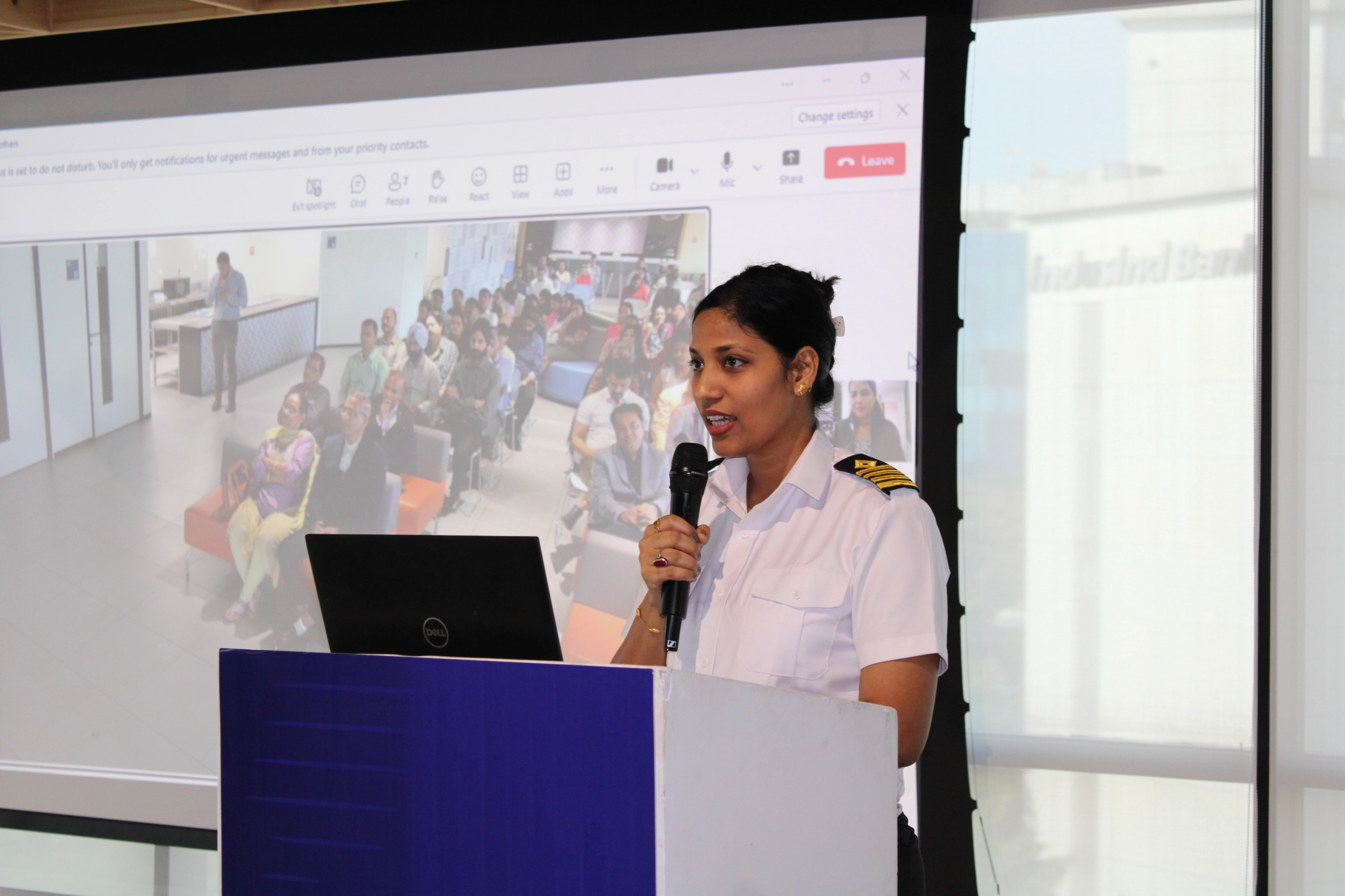
As global security risks intensify across key trade routes, Capt. Kuldeepak Sethi, Global Head of Security and Company Security Officer, outlines the operational impact of today’s high-risk environments and the practical measures required to protect crews, vessels and cargo.
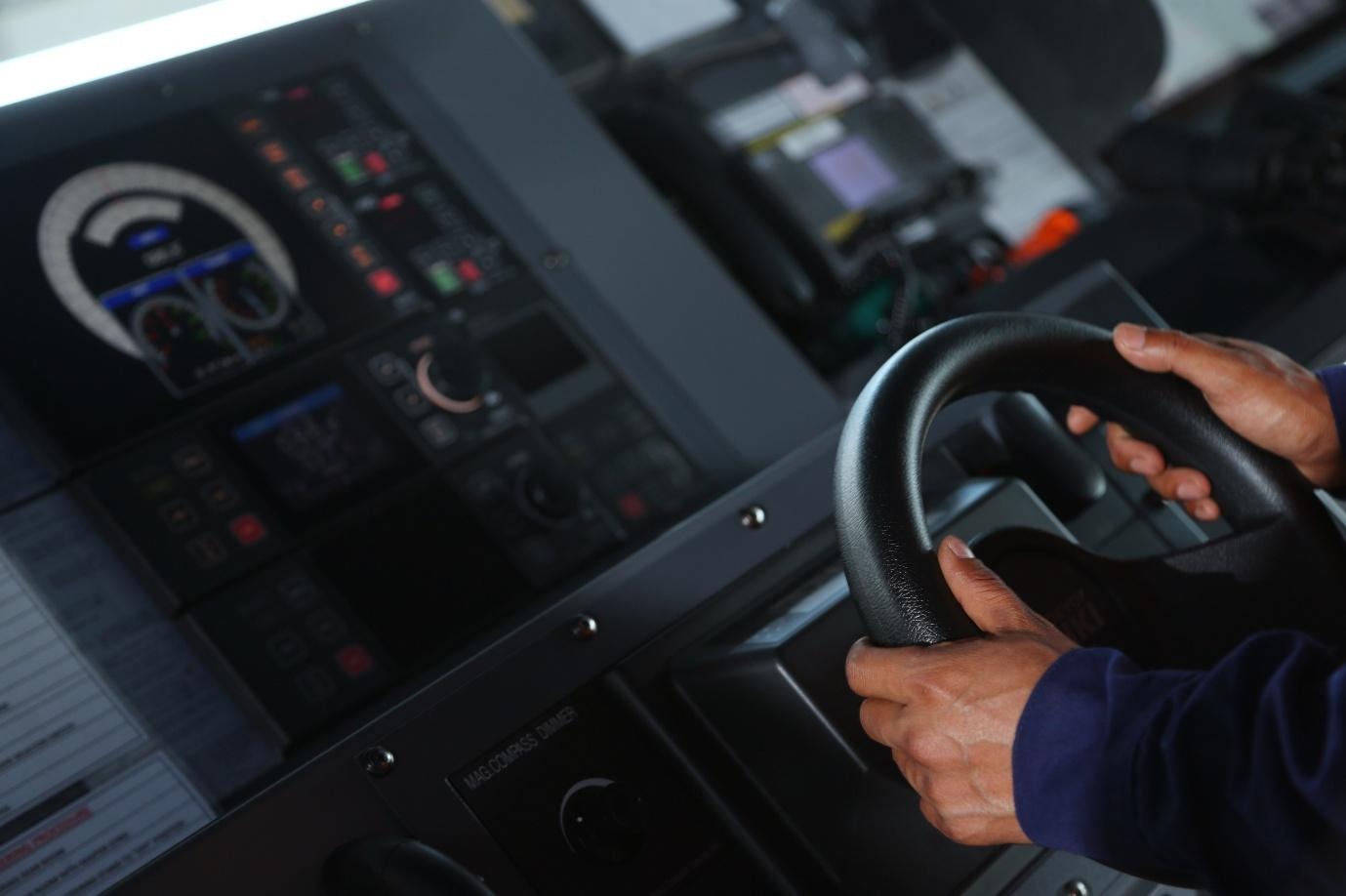
Global shipping is operating in a period of sustained instability. Regional conflicts and rapid advances in technology have increased risks across key trade routes. The Gulf of Aden and Bab el Mandeb remain critical chokepoints, but the threat landscape now extends beyond these waters.
Vessels face missile strikes, drone attacks, electronic interference and hostile activity targeting navigation systems. These risks demand greater vigilance, structured planning and close coordination with naval forces.
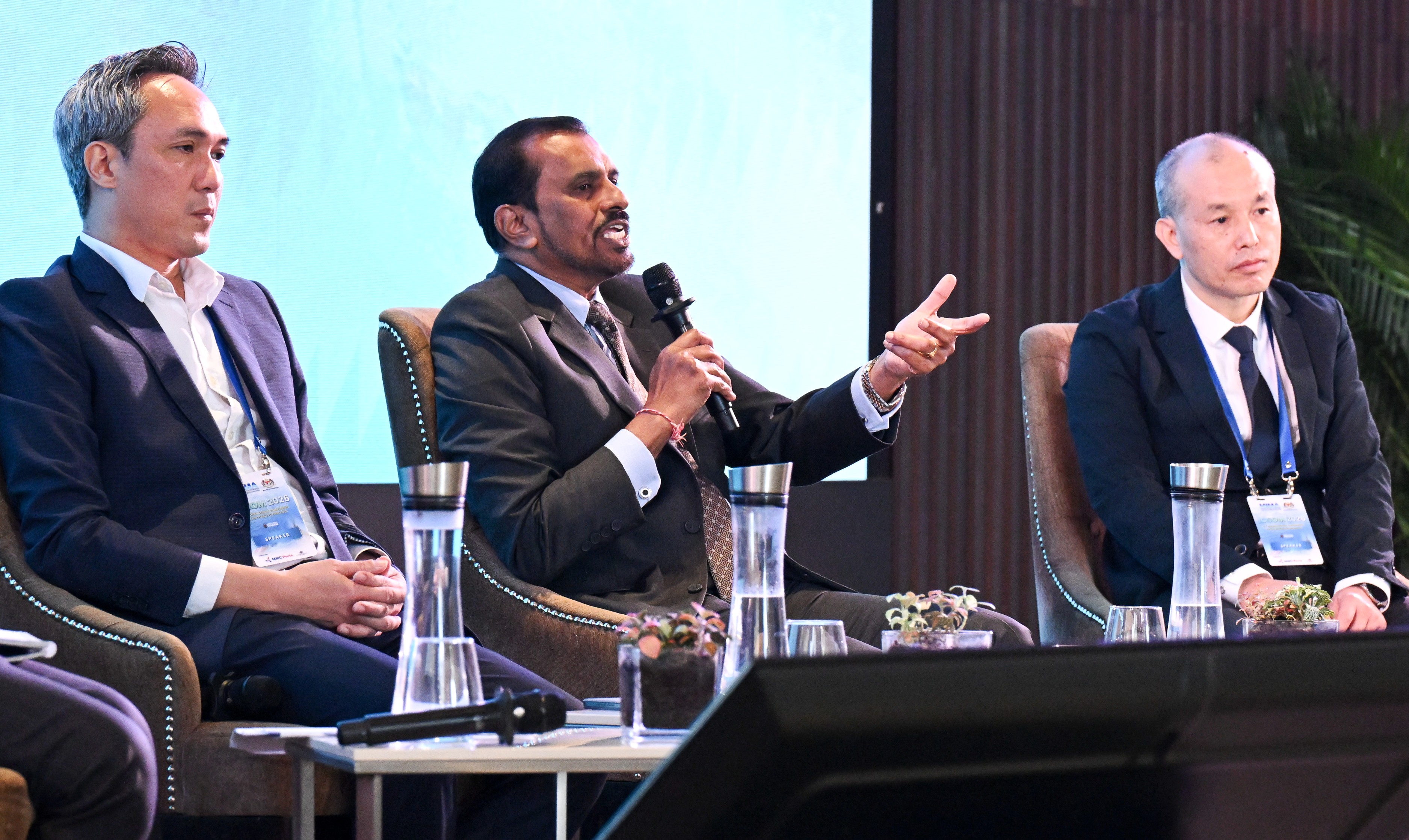
Capt. Kuldeepak Sethi, Global Head of Security and Company Security Officer, stresses the importance of effective risk mitigation. This includes comprehensive passage planning, increasing distance from threat coastlines where feasible, careful selection of transit windows, robust machinery checks and maintaining continuous communication with naval coordination centres.
He emphasises that collaboration between shipping companies and navies remains essential to protect seafarers and secure free trade through affected regions
Impact of Current Threats
Since 2023, more than 100 hostile actions have been reported against commercial vessels in the Bab el Mandeb and Gulf of Aden. These developments underline the scale of risk and the need for careful voyage preparation.
The consequences are significant:
Safety and security risks
Transiting high-risk areas exposes crew, vessel and cargo to serious danger. Many seafarers have limited formal training for these evolving threats.
Crew wellbeing
Extended periods of heightened alert increase fatigue and mental strain. Strong welfare support and realistic drills are critical.
Operational costs
War-risk premiums have risen sharply. Kidnap and ransom insurance adds further expense. Re-routing via the Cape of Good Hope increases fuel consumption, sailing time and voyage costs, often exceeding USD 1 million per transit.
Secondary risks
Adverse weather conditions off the Cape contribute to cargo losses and operational delays.
Supply chain strain
Longer transit times and higher costs increase working capital requirements and place pressure on margins across global supply chains.
Industry Response and Core Safety Priorities
Despite these challenges, the maritime industry has strengthened collective action. Naval coalitions have enhanced surveillance and response capabilities across high-risk regions. Industry frameworks such as Best Management Practices (BMP) Maritime Security provide clear standards for protective measures, including vessel hardening and best management practices across fleets. Real-time intelligence sharing between shipping companies and naval forces has further improved situational awareness.
Five considerations remain central to safety and security in high-risk areas:
- Conduct vessel-specific, intelligence-led risk assessments, optimise routing to increase distance from threat coastlines and maintain continuous reporting to regional coordination centres.
- Prioritise crew safety and informed consent through realistic drills and mental resilience programmes.
- Apply layered protective measures aligned with BMP guidance, including physical hardening and disciplined communications in accordance with flag state AIS policy.
- Prepare for electronic interference by maintaining redundant navigation methods and strengthening cyber hygiene to protect critical systems from spoofing and data breaches.
- Strengthen contingency planning to provide 24-hour support to vessels and ensure timely response to security incidents.
Fleet Management’s Approach
Fleet Management’s safety and security initiatives in real-time operations are built on comprehensive security risk assessments designed to mitigate evolving threats. In addition to enhanced crew training, measures include vessel hardening and other protective controls, the use of armed guards and security escort vessels where appropriate, and 24-hour real-time monitoring through advanced technology systems. Close liaison with naval partners ensures coordinated support during transits through high-risk areas.
Speaking on the current operating environment, Capt. Kuldeepak Sethi said:
“Our seafarers, ship managers and owners are facing a rapidly changing threat landscape in high-risk areas. The challenges extend beyond physical security measures to crew management, training, emerging safety and security risks and the wider impact on commercial trade. Addressing these issues requires coordination, preparedness and sustained collaboration across the maritime domain.”
A Collective Commitment to Safe Navigation
Safe operations in high-risk areas depend on sustained investment in people, partnerships and technology. As threats evolve, the industry must remain vigilant, adaptable and aligned in its response. Through structured risk management, close naval coordination and continuous support for seafarers, safe passage across critical trade routes remains both a priority and a shared responsibility.

.jpeg)

.jpeg)
.png)

.jpeg)

.jpeg)
.jpeg)
.png)
.jpeg)
.jpeg)

.jpg)

%20(1).jpeg)

.jpeg)


.jpeg)



.png)




-min.png)





.svg)