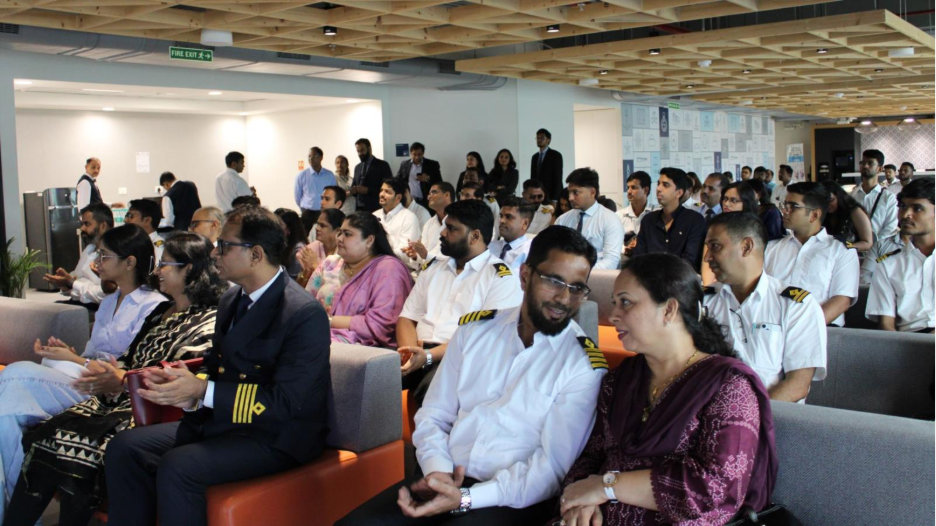
Chaired and moderated by Mike Bradshaw, Executive Director, Commercial, the two-day event brought together voices from across the sector to reflect on how the maritime industry continues to manage risk, protect seafarers and build trust in a changing operating environment.
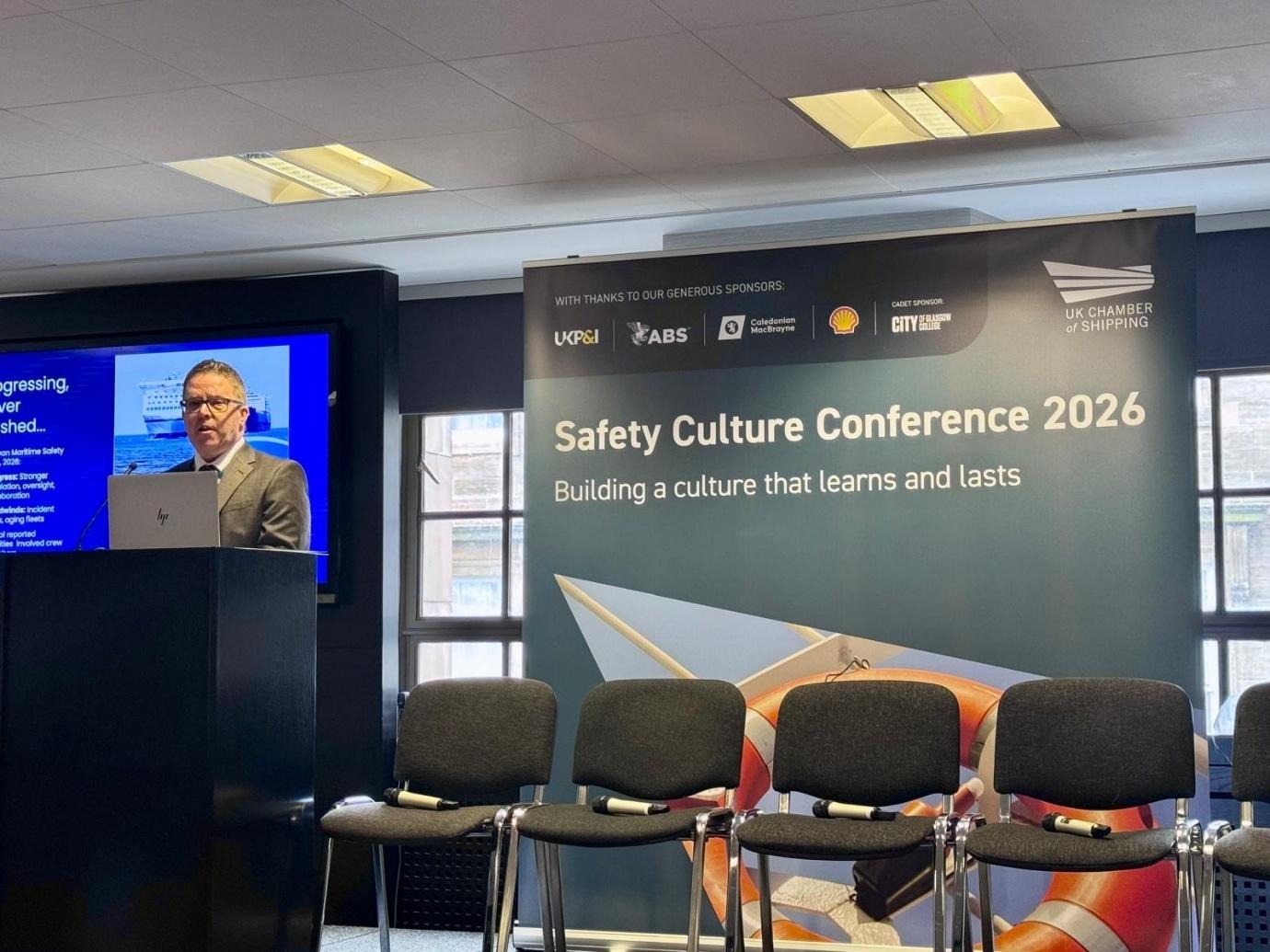
Safety sits behind every shipment, ferry crossing and port call. Around 80 percent of global trade moves by sea, making maritime operations critical not only to the global economy, but to livelihoods and the resilience of supply chains worldwide. This reality framed discussions throughout the conference and underscored why safety culture remains a shared responsibility across the industry.
As conference chair, Mike Bradshaw reflects below on the discussions that stood out to him, and on what they reveal about the work still required to strengthen safety culture across the maritime sector.
Progress Made, but the Work Is Never Finished
There was broad agreement that the industry has made meaningful progress in recent years. Stronger regulation, improved oversight and closer collaboration are having an impact. The European Maritime Safety Report 2026 shows that reported incident numbers have declined in parts of the sector, demonstrating what can be achieved through sustained effort.
At the same time, the data reinforces a simple truth. Maritime safety is never finished. The same report highlights that around 81 percent of fatalities in reported maritime casualties involved crew members. These were not passengers or bystanders, but seafarers carrying out operational tasks as part of their everyday work. That single figure should shape how we think about risk, responsibility and leadership across the industry.
When Routine Becomes Dangerous
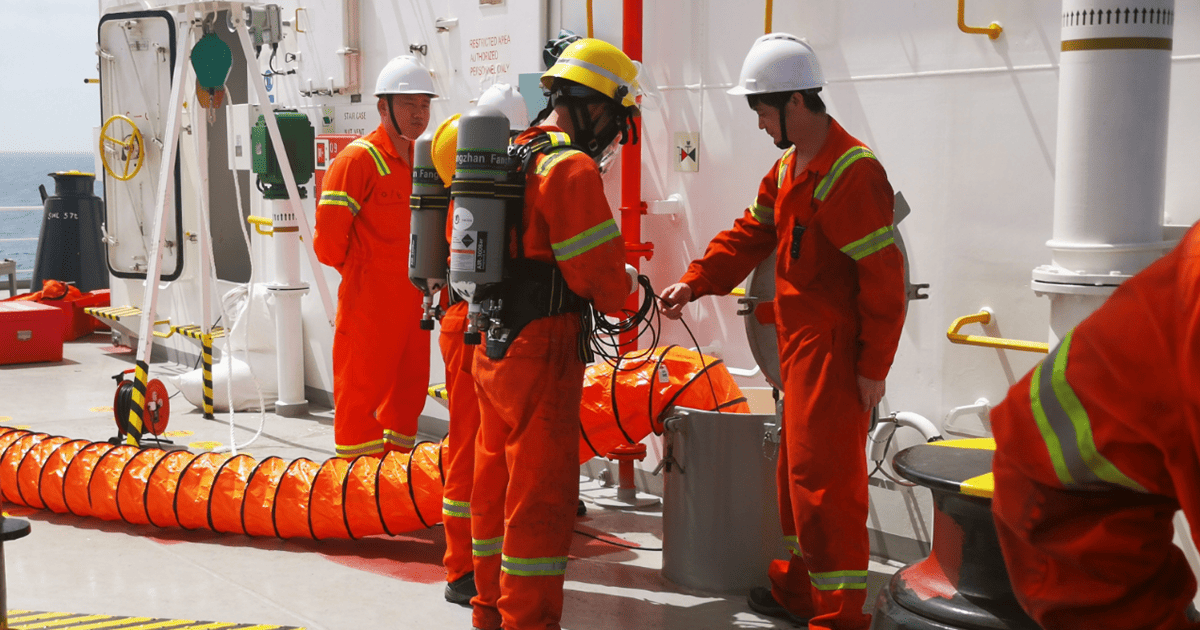
Several sessions focused on how quickly routine work can escalate into high‑risk activity. Restricted visibility, confined spaces and fast‑paced operations leave little margin for error, particularly during port operations and vehicle deck activities.
The importance of practical guidance and effective familiarisation was a recurring theme. Procedures and codes of practice play a vital role, but they only provide protection when they reflect how work is actually carried out and when people understand how to apply them in real operating conditions.
The Human Element at the Centre
Throughout the conference, the human element and performance influencing factors consistently emerged as central to safety outcomes. Whether discussing fatigue, situational awareness, communication or teamwork, speakers highlighted how human factors continue to influence incidents and near misses.
Seafarers remain the most exposed part of the system. Alongside traditional operational hazards, many now work in an environment shaped by geopolitical instability. During recent conflicts, the International Maritime Organization (IMO) reported that around 20,000 seafarers were stranded aboard vessels in the Persian Gulf, unable to safely transit a critical shipping route. In some cases, commercial ships were attacked and crew members were killed, prompting the IMO to warn that seafarers are increasingly becoming “collateral damage” in global conflict.
These realities reinforce the need to keep people firmly at the centre of safety decision‑making. Technology, regulation and data all matter, but maritime safety ultimately depends on the competence, wellbeing and professionalism of those working at sea.
Fairness, Learning and Accountability
Another strong theme was the importance of fairness in how organisations respond to incidents and near misses. Insights from industry reporting highlighted that weak safety cultures remain a contributing factor in many events.
Findings from CHIRP Maritime’s 2025 Digest point to recurring underlying issues, including fatigue and excessive workload, reduced situational awareness and breakdowns in communication. Too often, safety systems exist on paper but are not consistently applied in practice.
A blame‑focused approach was widely recognised as a barrier to learning. When people fear consequences, issues go unreported and opportunities to improve are lost. Just and fair cultures, by contrast, encourage transparency, learning and shared responsibility for improvement.
Leadership in Practice
Leadership emerged as a defining factor in shaping safety culture, not as a job title, but as a set of behaviours demonstrated through everyday actions. The discussions reinforced that strong safety cultures are built through consistency, visibility and trust, and through leaders who listen, ask questions and take a genuine interest in how work is carried out, both on board vessels and across shore‑based operations.
Data shared during the conference also challenged assumptions about reputation. In 2025, UK‑flagged vessels recorded a detention rate of around 13 percent in Australian Maritime Safety Authority port state control inspections, compared with an overall industry average of 4.8 percent. While inspection regimes are risk‑based and statistics should always be treated carefully, the message was clear. Reputation in maritime safety is not inherited. It is earned every day, on every vessel.
From Conversation to Action
The Safety Culture Conference reinforced that improving safety is a shared responsibility across the maritime sector, driven by leadership example and beliefs. While progress has been made, the data and experiences shared over two days made it clear that risks remain, both old and new.
The challenge now is to turn insight into sustained action, ensuring learning is embedded and safety culture is lived consistently across operations. Safety culture is not created through policies alone. It is built through daily choices, open conversations and a collective commitment to learning.
This is how trust is earned, voyage by voyage, and how safety continues to improve across the maritime industry.
-p-1080.png)
.jpeg)
.jpeg)
.jpeg)
.png)
.jpeg)

.jpeg)
.jpeg)
.png)
.jpeg)
.jpeg)
.jpg)
%20(1).jpeg)

.jpeg)
.jpeg)

.jpeg)



.png)



-min.png)





.svg)