As Singapore Maritime Week 2026 brings the global maritime community together, the conversation around green fuels has shifted from ambition to operation. Dual-fuel fleets are growing, bunkering infrastructure is expanding, and the question is no longer whether the transition will happen, but whether the people operating these vessels are ready for it.
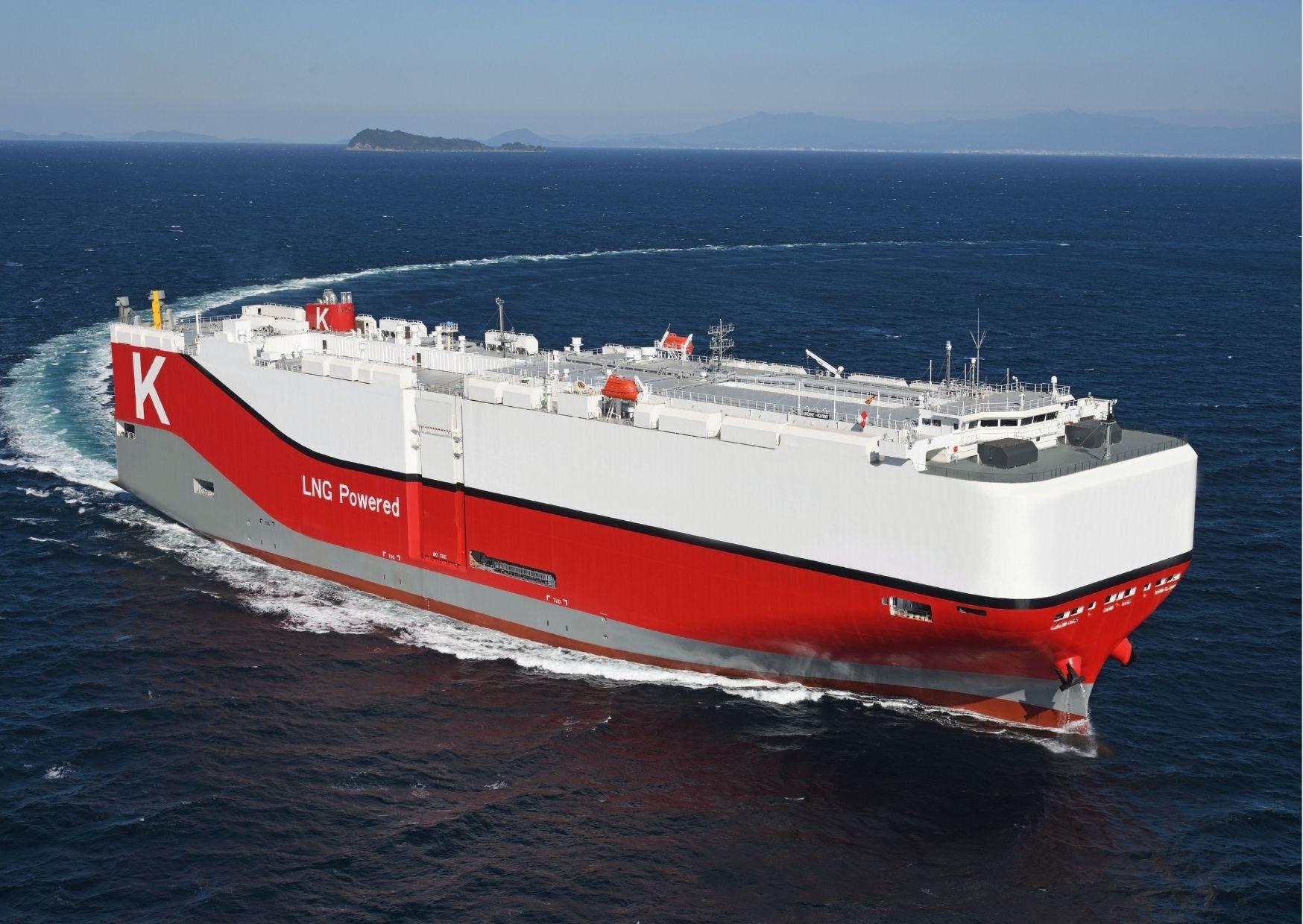
The maritime industry's decarbonisation timeline has shifted again this year, with the IMO's net-zero framework delayed by twelve months. For operators, dual-fuel technology remains the most workable bridge, offering flexibility as regulations and fuel supply chains continue to evolve. The harder challenge is people. As dual-fuel vessels multiply, the pool of seafarers with the expertise to run them has not grown at the same rate. It is a gap the industry can no longer afford to ignore, and one that Fleet Management is addressing directly, through expanded fleet capability and a training infrastructure built specifically for the new-fuel era.
LNG and Dual-Fuel: Milestones on a Moving Target
LNG has firmly established itself as the leading transitional fuel, and the numbers bear this out. Fleet Management currently operates 31 dual-fuel vessels under technical management, with one-third of its 130+ Newbuilding pipeline specified as dual-fuel. The technology has matured considerably, with MAN B&W ME-GI engines, which use high-pressure gas injection at around 300 bar and WinGD X-DF engines now among the most widely deployed dual-fuel systems in the market. Supporting Japan's first ship-to-ship methanol bunkering operation earlier this year was another marker of how far practical capability has advanced in a short time.
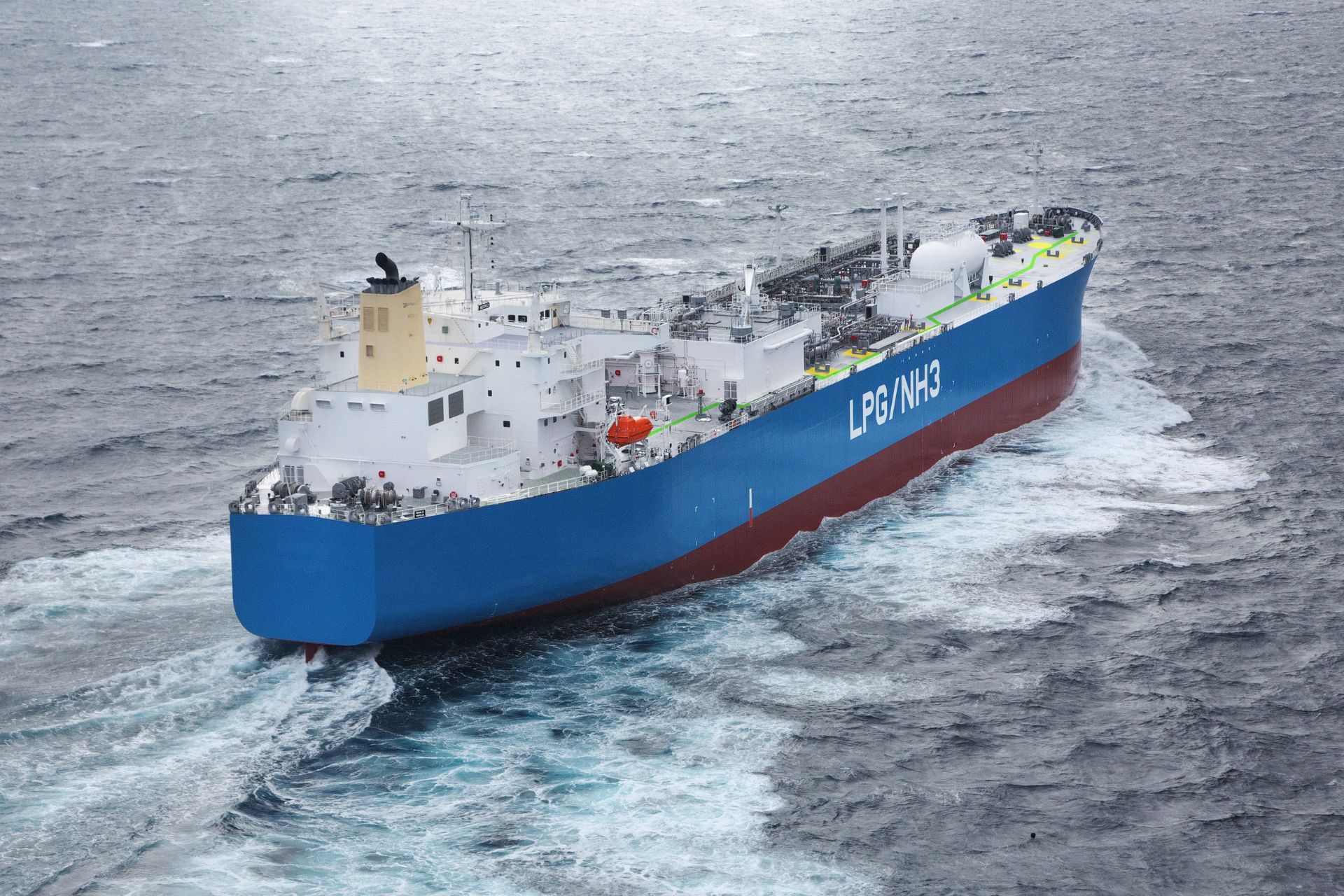
These are not isolated achievements. They reflect a deliberate, structured approach to expanding capacity across fuel types and vessel segments. Methanol dual-fuel vessels are under management, dual-fuel LPG/Ammonia carriers have been added to the fleet, and ammonia bunkering feasibility has been explored through collaborative studies in Singapore since 2021. The breadth of this portfolio matters because it mirrors the reality of decarbonisation itself: no single fuel will serve every trade route, and ship managers must be ready to operate across a genuinely diverse range of propulsion systems.
Training: The Infrastructure That Makes It All Work
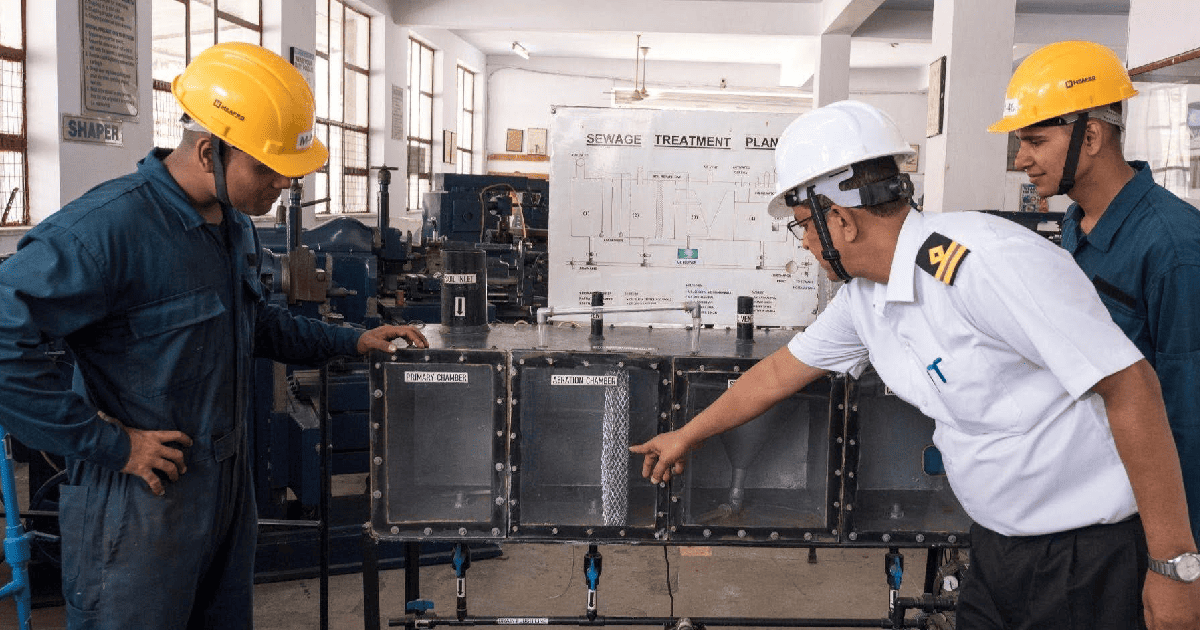
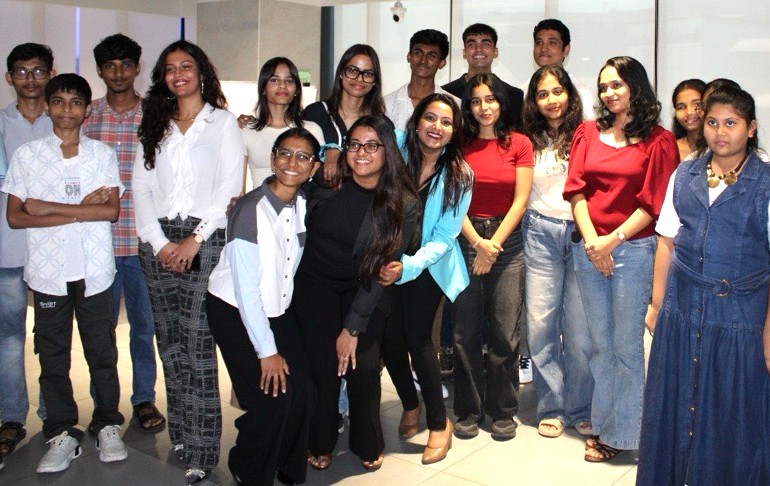
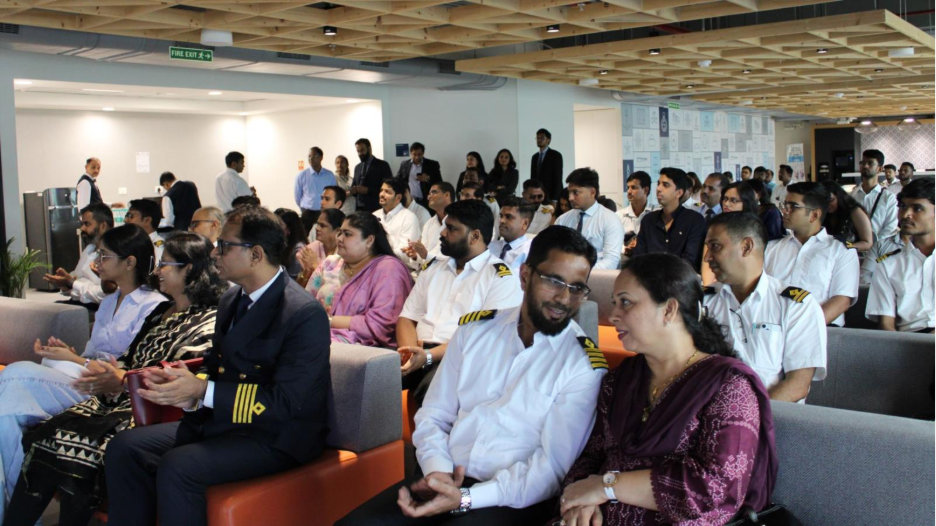
Technical progress in propulsion systems only translates into real-world impact when seafarers are trained and confident to operate them safely. Fleet Management training institute (FMTI) has built a curriculum that reflects both the diversity of current dual-fuel technology and the direction the industry is heading. With branches in Navi Mumbai, Manila, and Dalian, FMTI trains over 15,000 seafarers annually, and the scale of that operation is becoming increasingly significant as the industry faces a projected 10% global officer shortage by 2030.
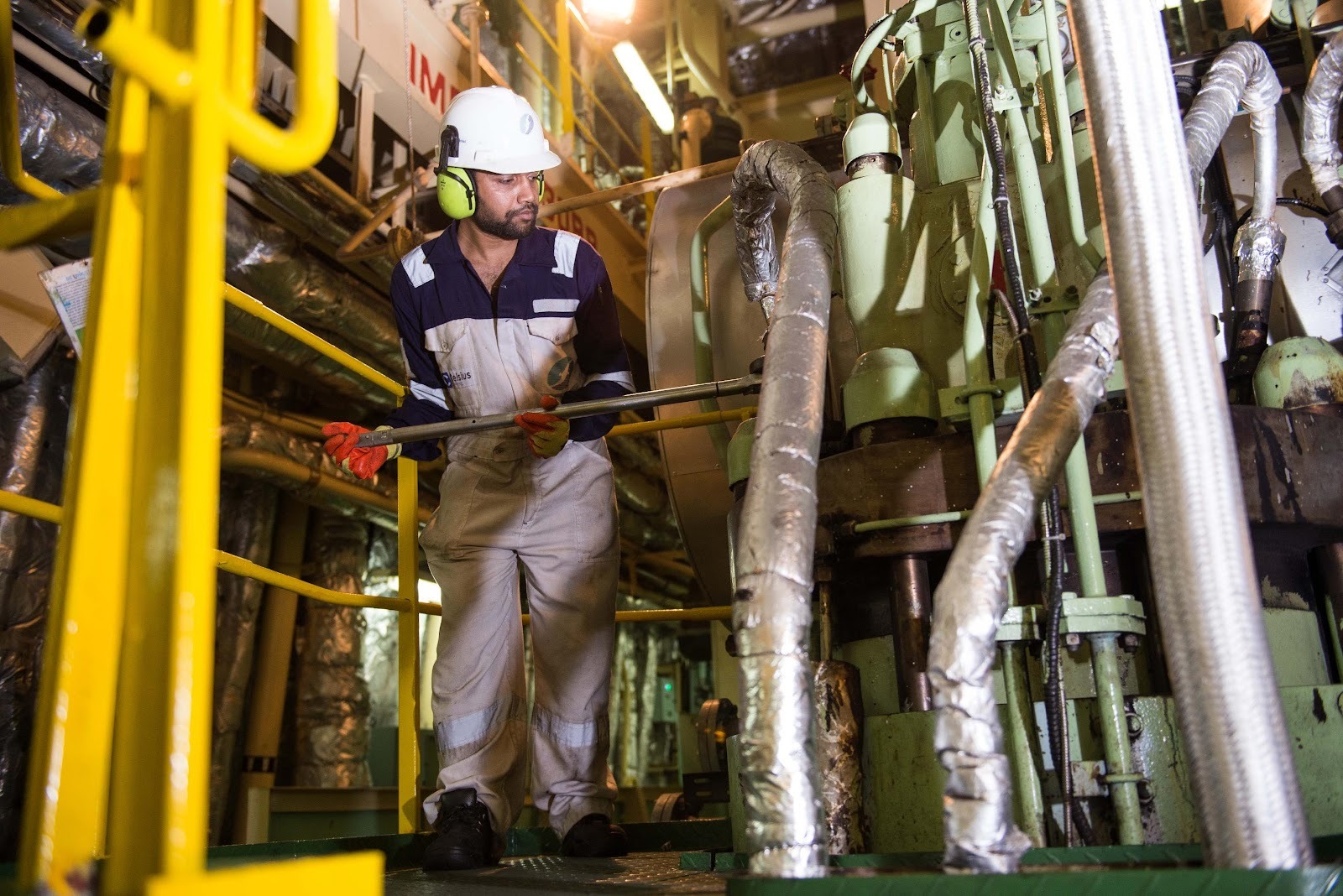
FMTI delivers four-day lecture and simulator courses covering MAN B&W ME-GI engines for LNG gas injection and WinGD X-DF dual-fuel systems, addressing the practical demands of the two most prevalent engine types in service today. On top of these, the institution is equipped to deliver engine-specific courses for MAN B&W ME-LGI methanol and LPG fuel engines, MAN B&W ME-GA gas admission systems, and Hyundai HiMSEN four-stroke dual-fuel engines, covering the next wave of platforms likely to see wider deployment as the transition deepens.
Beyond the engine room, FMTI also prepares seafarers for the bunkering operations that sit alongside propulsion: LNG bunkering with simulator training, methanol handling and bunkering procedures, and ammonia handling and bunkering, a course whose significance will only grow as ammonia moves closer to commercial readiness. This breadth of coverage matters enormously in Singapore, where the Maritime and Port Authority is advancing the IGF Code and building the regulatory infrastructure for next-generation fuels. Having a training provider that keeps pace with regulatory and operational developments is not simply an advantage, it is a prerequisite.
Measuring What Matters
Running training courses is one thing; knowing whether they are working is another. FMTI operates within DNV's Standards for Maritime Training Providers, which sets a rigorous framework for quality assurance. Post-course feedback from candidates forms the first layer of evaluation, but the process does not stop there. FMTI actively rotates crew between structured classroom training and live onboard deployment, ensuring that what is learned in the training environment is applied directly in real-world operations. That hands-on cycle allows seafarers to bring practical experience back into the training environment, continuously shaping and refining the knowledge base from which the next cohort learns.
All feedback is reviewed, acted upon where relevant, and aggregated into a formal six-monthly analysis. This cycle of continuous improvement ensures the courses evolve in step with equipment updates, operational experience, and the lessons learned from actual deployments at sea.
Simulator Technology: Purpose-Built for New Fuel Complexity
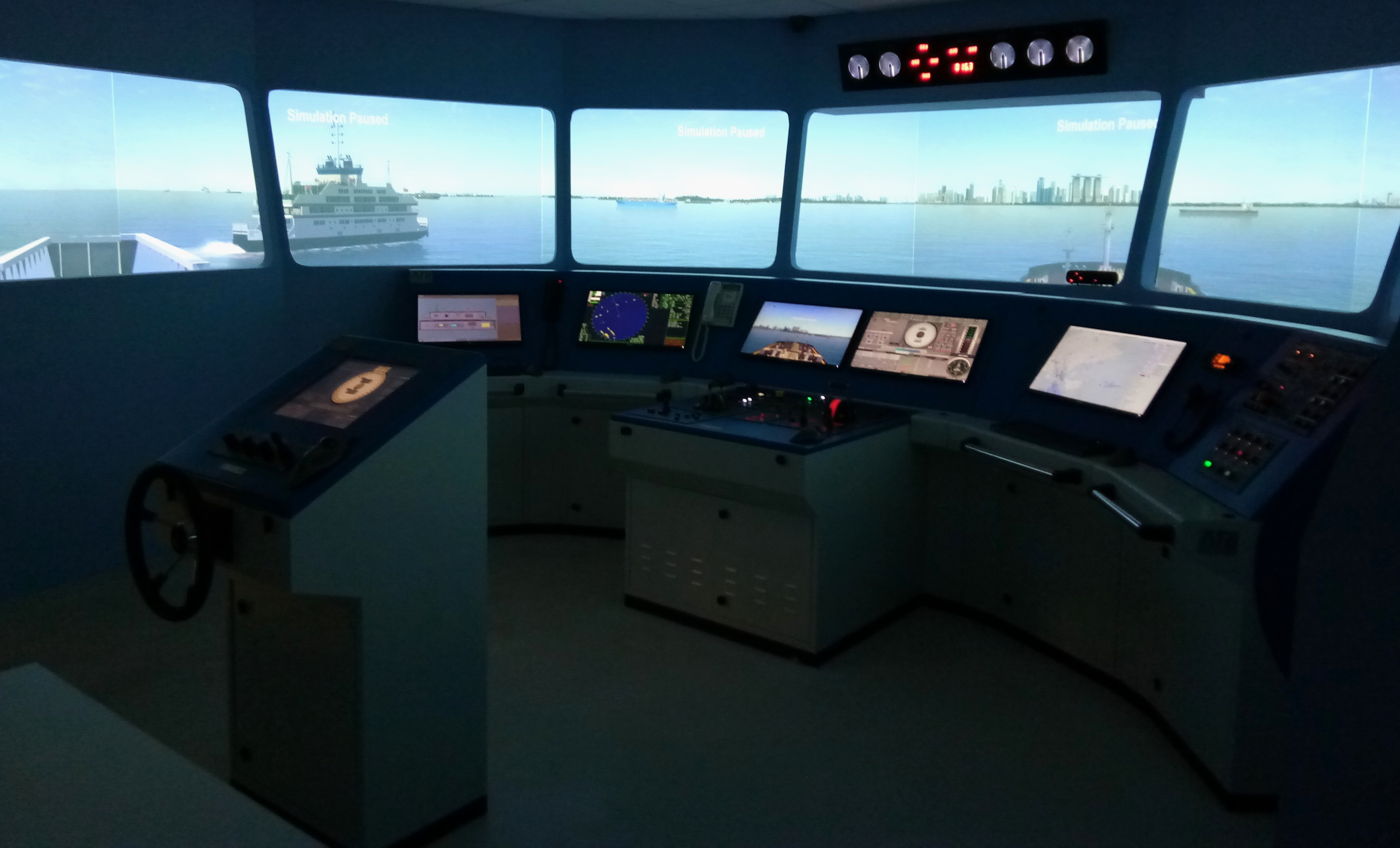
The quality of dual-fuel training is only as good as the tools available to deliver it. FMTI's simulators are supplied by ARI Simulation, a provider with nearly 25 years of experience in marine simulation and a track record of class-approved solutions. But what distinguishes FMTI's approach is the active role it plays in shaping what those simulators can do. The institution provides detailed, regular inputs to ARI to customise scenarios, introduce updated breakdown cases, and sharpen the fidelity of the training environment. This includes contributions to LNG high-pressure system modelling for ME-GI engine simulators and updates to the TRITON control platforms used on those engines, ensuring that what seafarers practise in the simulator reflects current real-world configurations.
This kind of collaborative development between training provider and simulation supplier is precisely what the industry needs more of. As engine technology continues to evolve, training infrastructure must evolve with it, and that requires ongoing investment rather than periodic upgrades.
Singapore Sets the Pace
Singapore's position as a global maritime hub makes it a natural focal point for the new-fuel transition. The port handles more than 1,000 vessel calls daily and is one of the busiest bunkering locations in the world, making the quality of crew training for alternative fuel operations a matter of direct operational relevance, not just forward planning. As LNG bunkering volumes grow and the MPA continues to pilot ammonia and methanol infrastructure, the demand for competent crews who can manage these operations safely will intensify.
Singapore Maritime Week 2026 is an opportunity to take stock of this progress honestly and to identify where effort needs to be redoubled. Fleet numbers and fuel diversification tell part of the story. The training pipeline, and the seriousness with which it is designed, delivered, and measured, tells the rest.
Building Safety Into the Routine
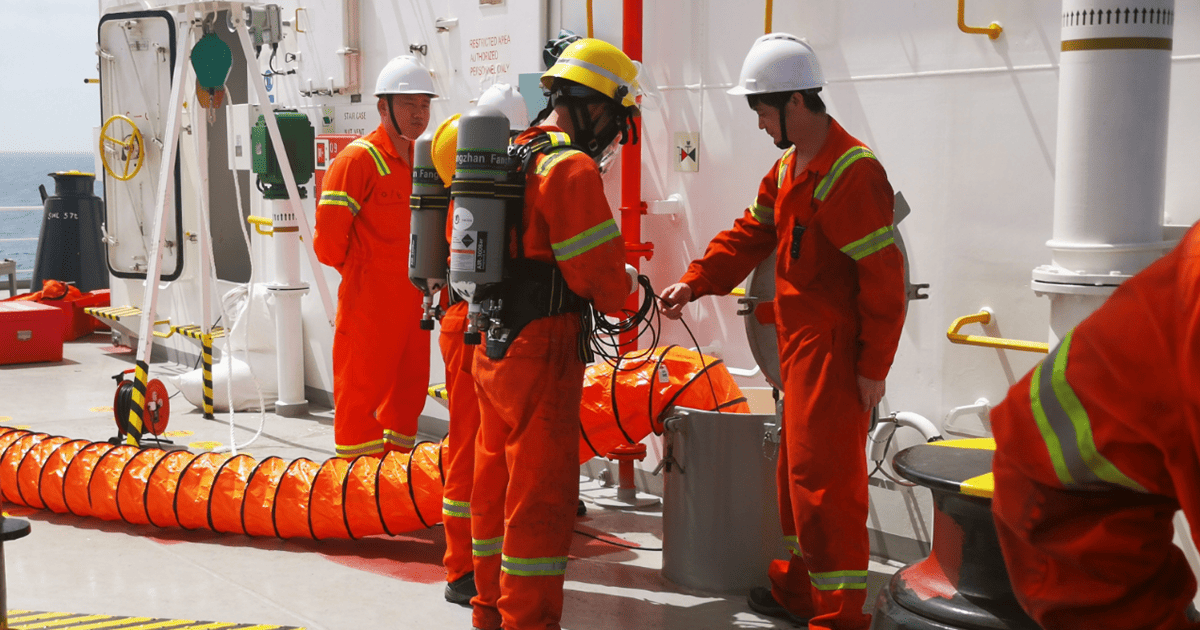
If there is a single practice that can make the greatest difference to crew safety in the new-fuel era, it is this: quarterly shipboard drills focused specifically on the rare but high-risk events that alternative fuels introduce. Gas leaks, flash fires, and internal gas supply system failures are not everyday occurrences, but when they do occur, the response window is short, and the consequences can be severe. Drills built around structured scenario checklists, with outcomes recorded and reviewed, build the kind of muscle memory that formal training alone cannot fully provide. They also surface procedural gaps before those gaps become incidents.
This is not simply good practice for LNG. As methanol and ammonia enter service, the hazard profiles change: methanol burns with an invisible flame, and ammonia is acutely toxic even at low concentrations, so the drills must change accordingly. Building that discipline into the ship's routine now, while the fleet is still predominantly LNG-based, establishes the habit and the culture that will carry through to the fuels that come next.
Ready for What Comes Next
The maritime industry has made genuine, measurable progress on green fuels. Dual-fuel vessels are operating, bunkering infrastructure is expanding, and regulatory frameworks are catching up. But the transition will only succeed if the people who operate these vessels are as ready as the technology they are asked to manage. That means investing in training that is rigorous, relevant, and continuously improved, and it means building a culture of preparedness that treats crew competence as a strategic priority, not a com

.jpeg)
.jpeg)
.jpeg)
.png)
.jpeg)

.jpeg)
.jpeg)
.png)
.jpeg)
.jpeg)
.jpg)
%20(1).jpeg)

.jpeg)

.jpeg)


.png)



-min.png)





.svg)