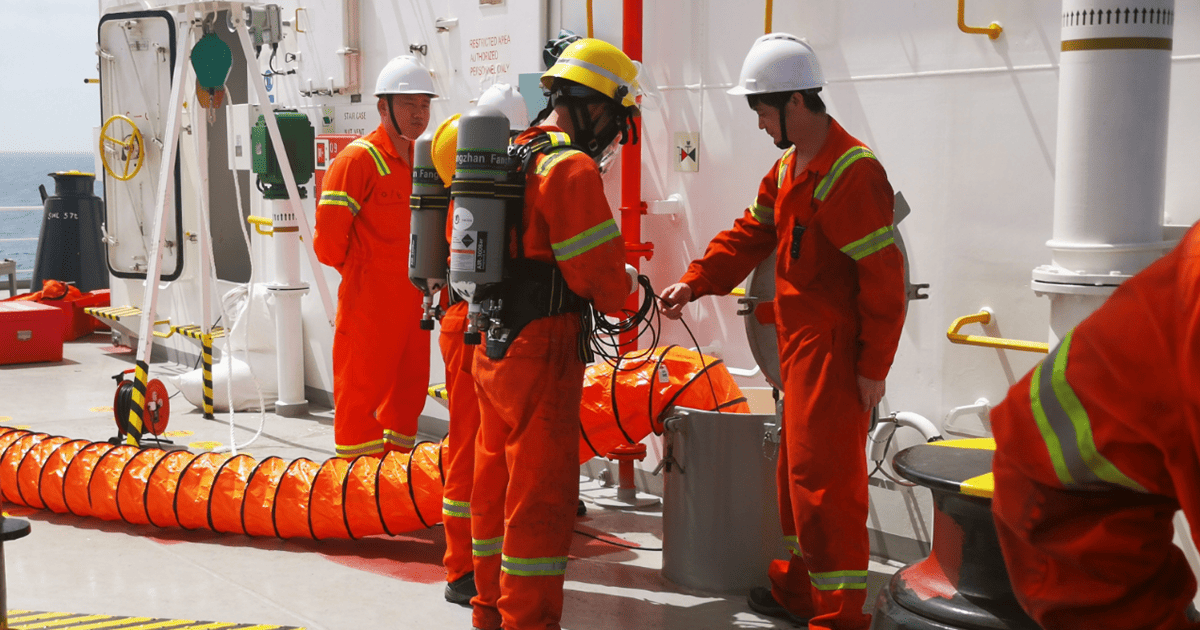
For years, the Philippines has been one of the leading sources of seafarers bolstering the population of the global maritime workforce. Filipino seafarers play their part in stabilising the foundations of international shipping through their work ethic, technical competence, adaptability and leadership.
This global reputation works for the benefit of Filipinos eyeing a career at sea. If you're interested in wetting your feet starting a seafaring career, positions in the deck and engine department of a ship's what you're aiming for. See it as a paid, hands-on apprenticeship set at the thresholds of a lifelong, rewarding maritime career.
Here's an in-depth look at deck and engine roles, complete with a quick rundown of duties and how long it takes to progress into the next subsequent role.
The Deck Crew
Ordinary Seaman (OS)
This entry-level role is responsible for assisting with mooring and anchoring operations. They also handle general deck maintenance, which comprises chipping, painting, and cleaning. They also assist the Able Seaman in various tasks such as basic lookout duties.
- Est. progression time: Depending on your pre-sea education, you should expect a total of 18-36 months of sea service to qualify for the Able Seaman Certification.
- Prerequisites: Get your Certificate of Proficiency.
Able Seaman (AS)
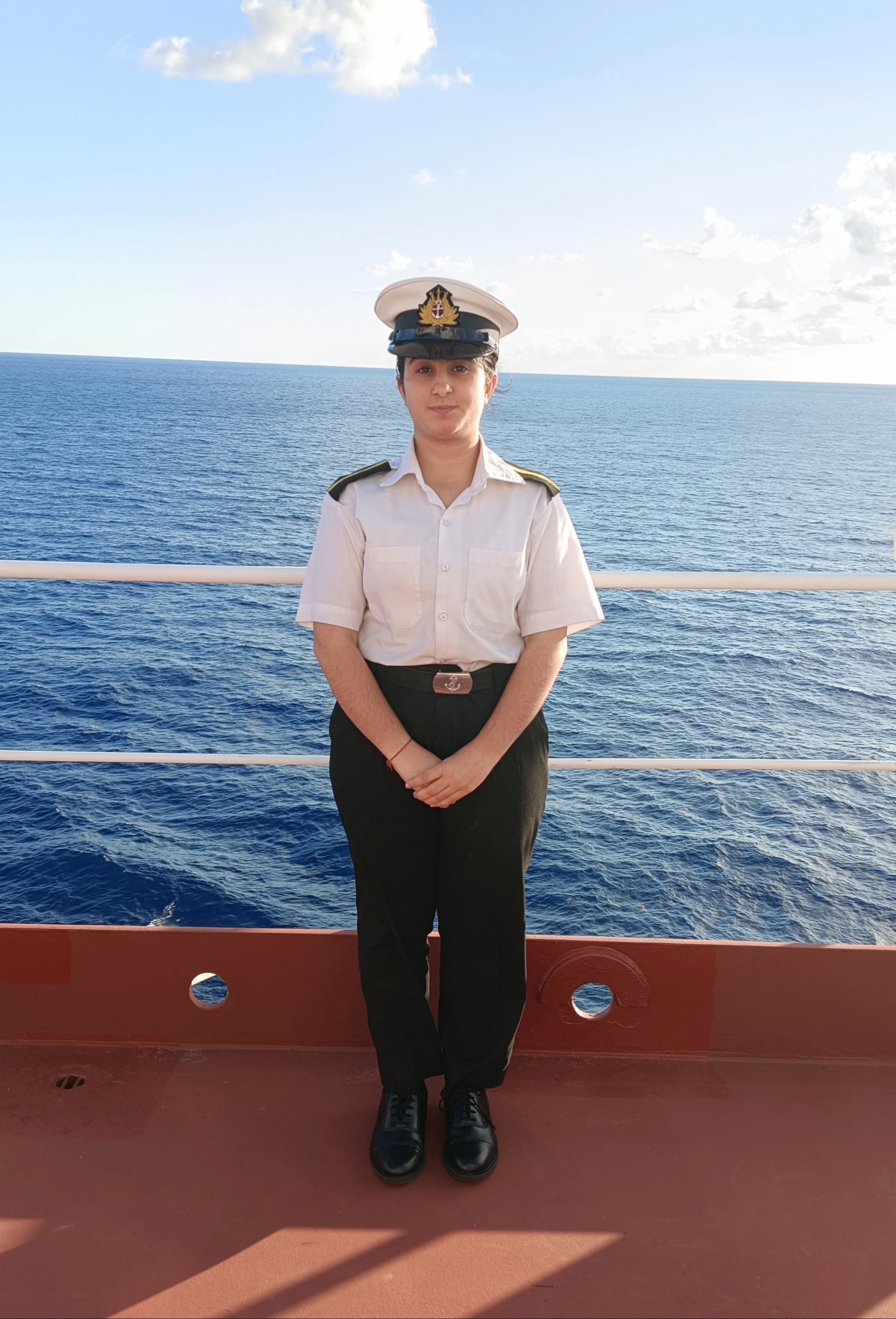
This is the role with their hands on the steering wheel, serving as helmsman under the guidance of the Officer of the Watch. They also operate deck machinery, winches, and cargo gear. Supervision of Ordinary Seaman during maintenance and deck work, as well as leading emergency response and lifeboat drills are part of their responsibility.
- Est. progression time: Around 12-18 months of sea time
- Other means of progression: Besides the estimated progression time, you can also accumulate the required sea service to take the Officer-in-Charge of a Navigational Watch (OIC-NW) licensure examination and step into the rank of officers.
Boatswain (Bosun)
They serve as the operational foreman of the deck department, serving as a bridge between the deck officers and junior deck crew. They also do some of the tasks assigned to the OS and AS, such as general deck maintenance as well as mooring and anchoring operations.
- Est. progression time: Without a cadetship, you should accumulate around 36 months of approved sea-going service including time as an OS and AS.
- Other means of progression: The cadetship pathway involves at least 12 months of structured onboard training as a Cadet/Rating together with a completed and signed MARINA-approved training record book.
Whether you take the cadetship path or the one without, you still need at least 6 months performing bridge watch-keeping duties under the supervision of a qualified deck officer.
The Engine Crew
Oiler
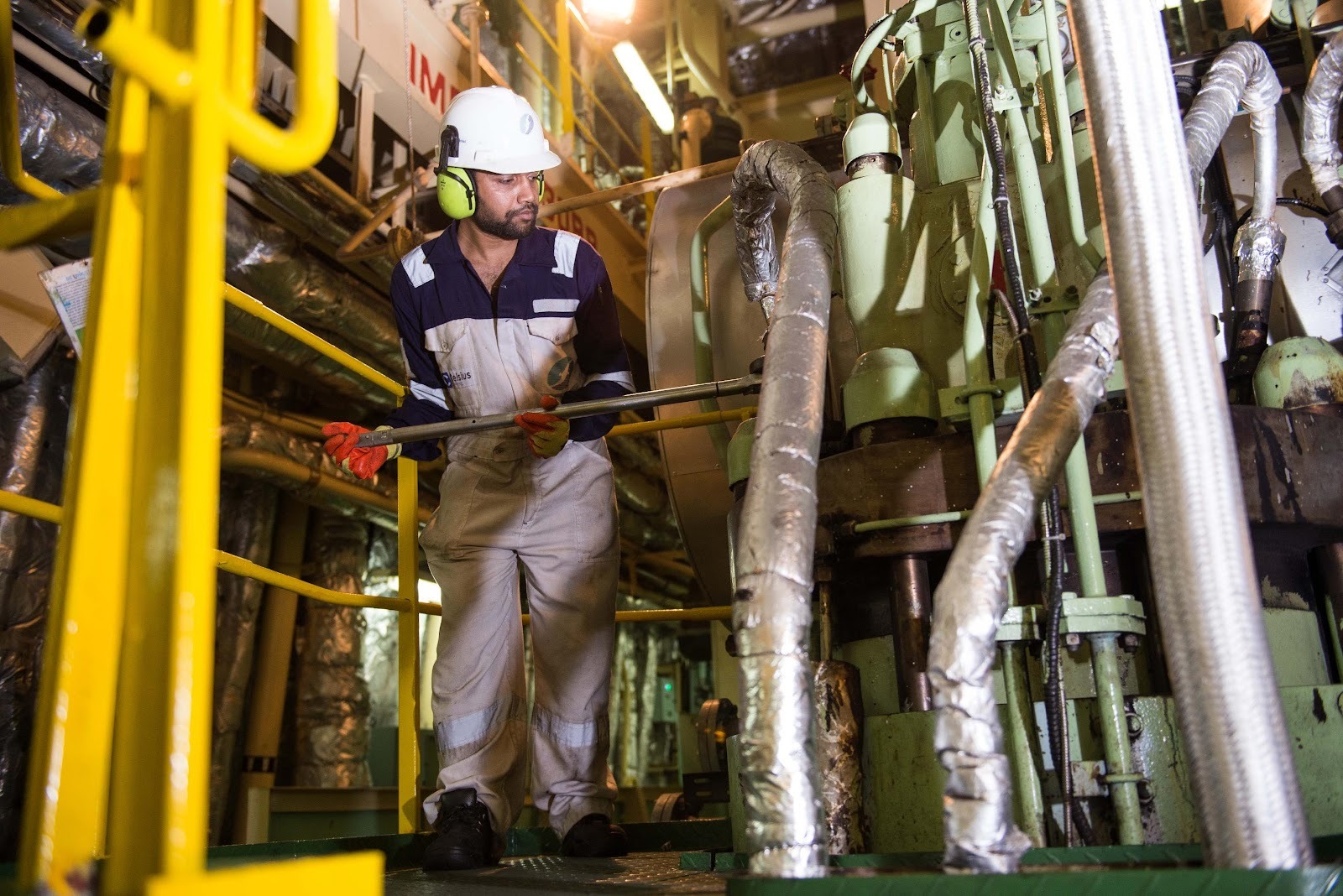
This entry-level rating is tasked to learn mechanical systems under pressure. They are responsible for the routine lubrication of main engines, generators, and auxiliary machinery. Keeping temperatures, pressures, and fluid levels in the engine room in check, as well as cleaning and maintaining machinery spaces are part of their responsibilities.
- Est. progression time: You need to spend around 1-3 years demonstrating the mechanical aptitude necessary to qualify as a Motorman.
Motorman/Fitters
This engine rating requires ample experience in advanced technical, welding, or machining skills. They assist engineers with heavy machinery overhauls and maintenance, as well as troubleshoot hydraulic, pneumatic, and cooling systems. Lastly, they perform lathe work, welding, and fabrication in the ship's workshop.
- Est. progression time: You need to complete a total of 36 months of sea time to take the Officer-In-Charge of an Engineering Watch (OIC-EW) licensure examination.
Make the Most of Your Time with Fleet's Rating-to-Officer Programme
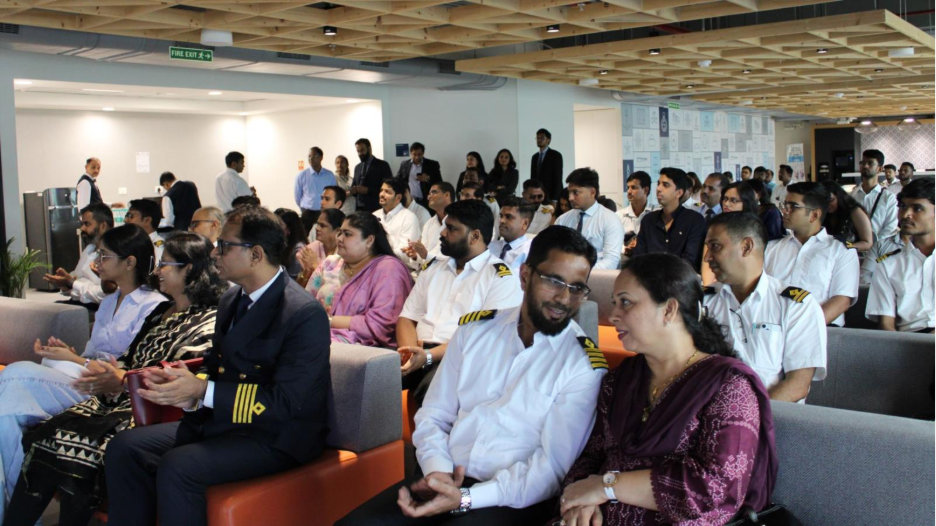
This is one of the best ways to make short work of the mentioned progression estimates. Through this structured, company-backed pathway, we can be sure high performers onboard are seen and fast-tracked into officer roles.
- The selection is performance-based. Those who are exceptional in their deck or engine roles are nominated by senior officers.
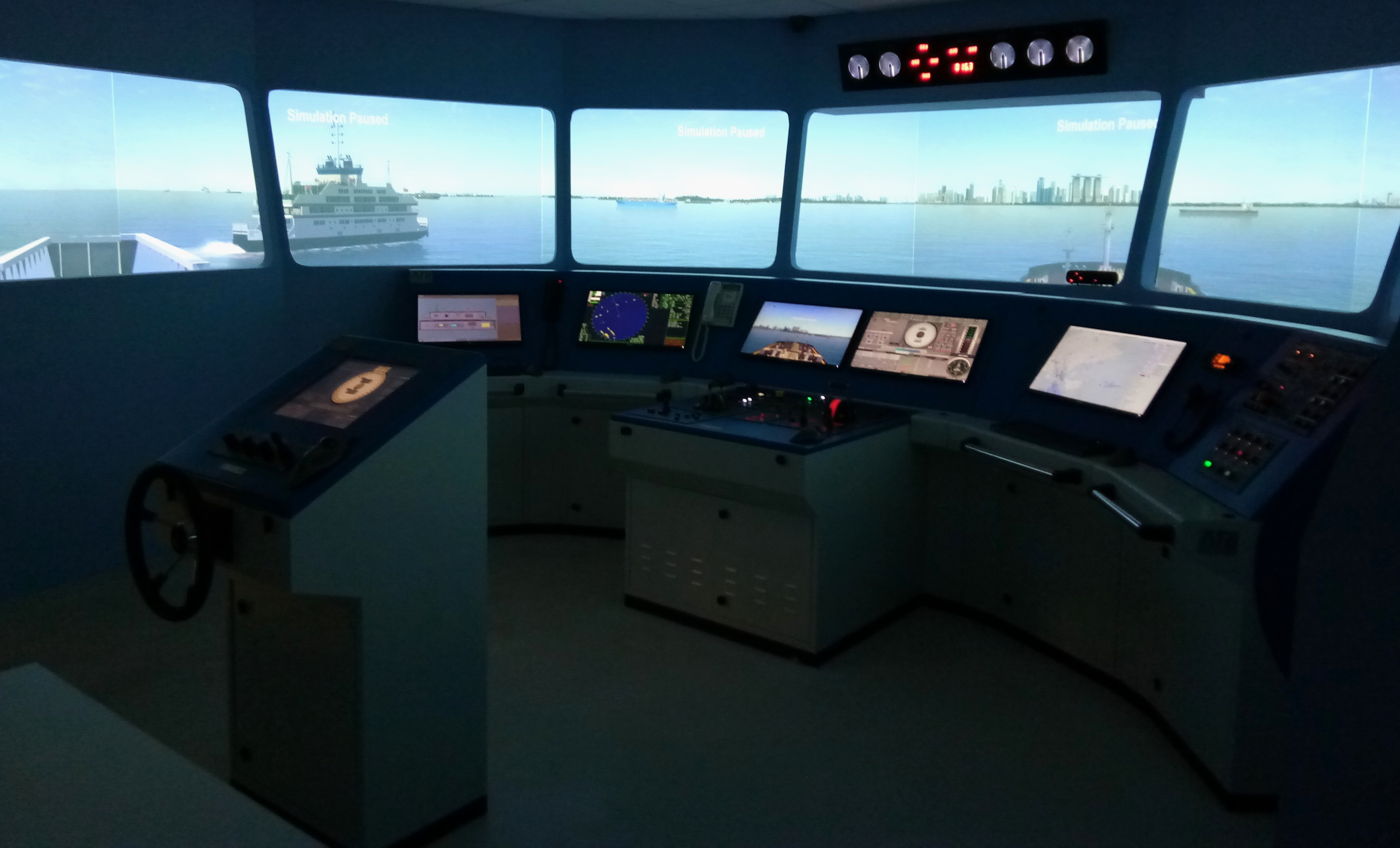
- Nominees get sponsorship and support. They receive financial assistance, study leaves, and access to state-of-the-art simulator training.
- Nominees get guaranteed sea time. This fulfils the required bridge or engine room watchkeeping sea service for MARINA licensing.
- Progression is direct. Transition to Third Officer (for Deck Ratings) or Fourth Engineer (for Engine Ratings) happen upon successful licensing.
Read more of our articles to know more about life at sea and how Fleet Management keeps their seafarers skilled, supported, and safe all throughout their career.

.png)
.jpeg)
.jpeg)

.jpeg)
.png)
.jpeg)

.jpeg)
.jpeg)
.png)
.jpeg)
.jpeg)

.jpg)

%20(1).jpeg)

.jpeg)
.jpeg)


.jpeg)



.png)




-min.png)





.svg)