Mental health is a vital part of seafarer wellbeing. It also supports strong teams, safe decisions and reliable vessel operations. At Fleet Management, this understanding is built into Care 360, our approach to supporting the whole person at sea and at home. Mental health is not separate from safety or performance. When seafarers feel supported and can seek help early, they are better placed to manage pressure, look out for one another and carry out their work with confidence.
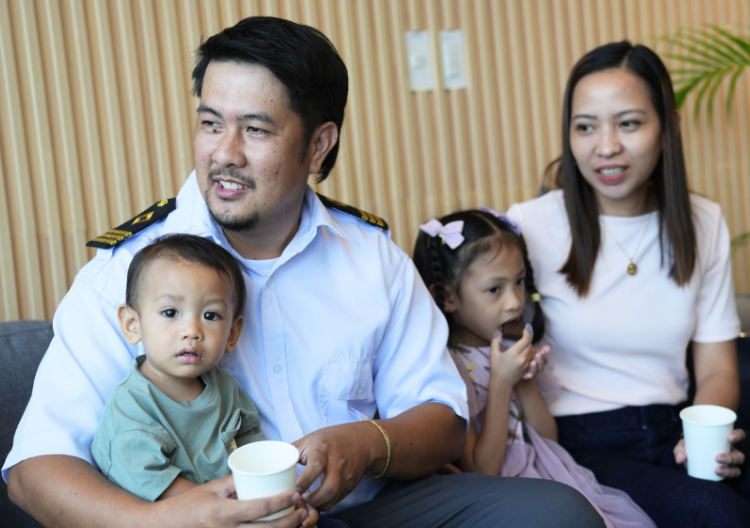
Care 360 brings our health, wellbeing, welfare and family services together under one framework, making support easier to understand and access. It recognises that wellbeing is shaped by many connected factors. These include physical health, emotional resilience, relationships, personal growth, living conditions and a sense of purpose.
A concern at home can affect concentration at sea. Stress onboard can affect family life onshore. When people receive the right support early, they are better able to manage challenges before they become crises.
Three priorities for better mental health at sea
World Mental Health Day is an opportunity to raise awareness, but it must also encourage practical action throughout the year. Seafarers’ experiences should shape how the industry approaches working conditions, welfare services and mental health support.
1. Make mental health an accepted part of maritime culture
Seafarers should feel safe discussing mental health without fear of judgement or harm to their careers. Asking for help should be seen as a responsible step, not a sign of weakness.
This requires visible support from leaders onboard and onshore. Mental health should be discussed alongside physical safety during training, toolbox meetings and routine welfare activities.
Seafarers should also be equipped to recognise when a colleague may need support. They do not need to become counsellors, but they should know how to start a respectful conversation and guide someone towards professional help.
Most importantly, companies must listen to seafarers and their families. Their experiences should inform policies, training, living conditions and welfare programmes.
2. Build professional and accessible support systems
Mental health support cannot depend only on informal networks or individual effort. Shipping organisations need clear systems backed by qualified mental health professionals.
These systems should include confidential counselling, regular training and clear referral routes. Support must also reflect the realities of life at sea, including different time zones, languages, working patterns and levels of connectivity.
Digital resources can make support easier to reach, but they should complement professional and human support, not replace it. Seafarers should understand what services are available and how to access them before they join a vessel.
Clear and accessible support can help address concerns before they become crises.
3. Ensure continuity of care
Mental health support should not end after one conversation or when a seafarer signs off.
Care should be available before joining a vessel, while onboard, during leave and after returning home. Better coordination between shipowners, ship managers, healthcare providers and welfare organisations can help ensure that concerns identified at sea are followed up onshore.
Families must also be part of this approach. Long periods of separation can place pressure on the whole household. Family outreach, practical guidance and communication support can strengthen the network around each seafarer.
Putting these principles into practice at Fleet
More than 10,000 seafarers have completed training in mental wellness, resilience and peer support. Programmes such as Psychological First Aid and Wellness at Sea help seafarers recognise concerns, begin supportive conversations and connect colleagues with the right help.
Seafarers can also access confidential counselling through two in-house psychologists, who respond to requests within 24 hours. In addition, multilingual crisis support is available around the clock.
This focus on early intervention has contributed to a 95% reduction in cases progressing towards adverse wellbeing outcomes.
Access matters too. Through Pulse, seafarers onboard or on leave can find Fleet Care resources, confidential wellbeing support and essential information in one place.
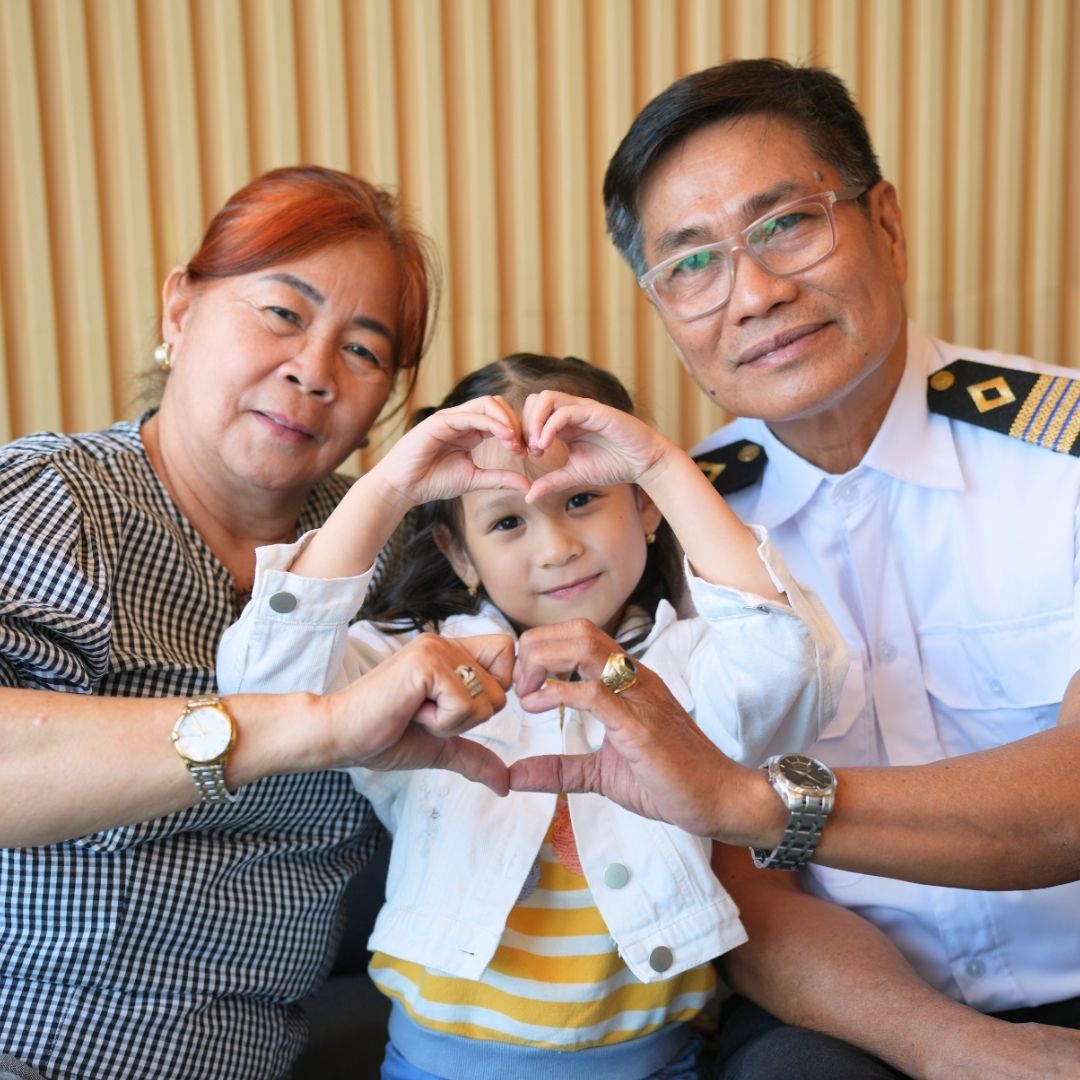
Care also extends to families. More than 17,000 family welfare calls are made each year, helping families stay connected and identifying where additional support may be needed.
Turning action into lasting change
No single organisation can address mental health at sea alone. Shipowners, ship managers, healthcare providers and welfare organisations must work together to provide professional, accessible support and continuity of care between sea and shore.
Seafarers’ experiences and feedback should also shape working practices, welfare programmes and the support available to them.
For Fleet, mental wellbeing is part of safe and reliable ship management. When seafarers feel supported, they are better placed to manage pressure, make sound decisions and look out for one another. World Mental Health Day is a moment to reflect, but lasting progress depends on practical action every day.
Fleet's wellbeing at a glance
- 10,000+ seafarers trained in mental wellness, resilience and peer support
- 24/7 multilingual crisis support available by phone, email or chat
- Two in-house psychologists responding to counselling requests within 24 hours
- 17,000+ family welfare calls made annually
- 95% reduction in cases progressing towards adverse wellbeing outcomes
- Fleet Care and Care 360 support available to more than 27,000 seafarers and their families

.jpeg)
.jpeg)



.jpeg)
.png)

.jpeg)

.jpeg)
.jpeg)
.png)
.jpeg)
.jpeg)

.jpg)

%20(1).jpeg)

.jpeg)
.jpeg)


.jpeg)




.png)




-min.png)





.svg)