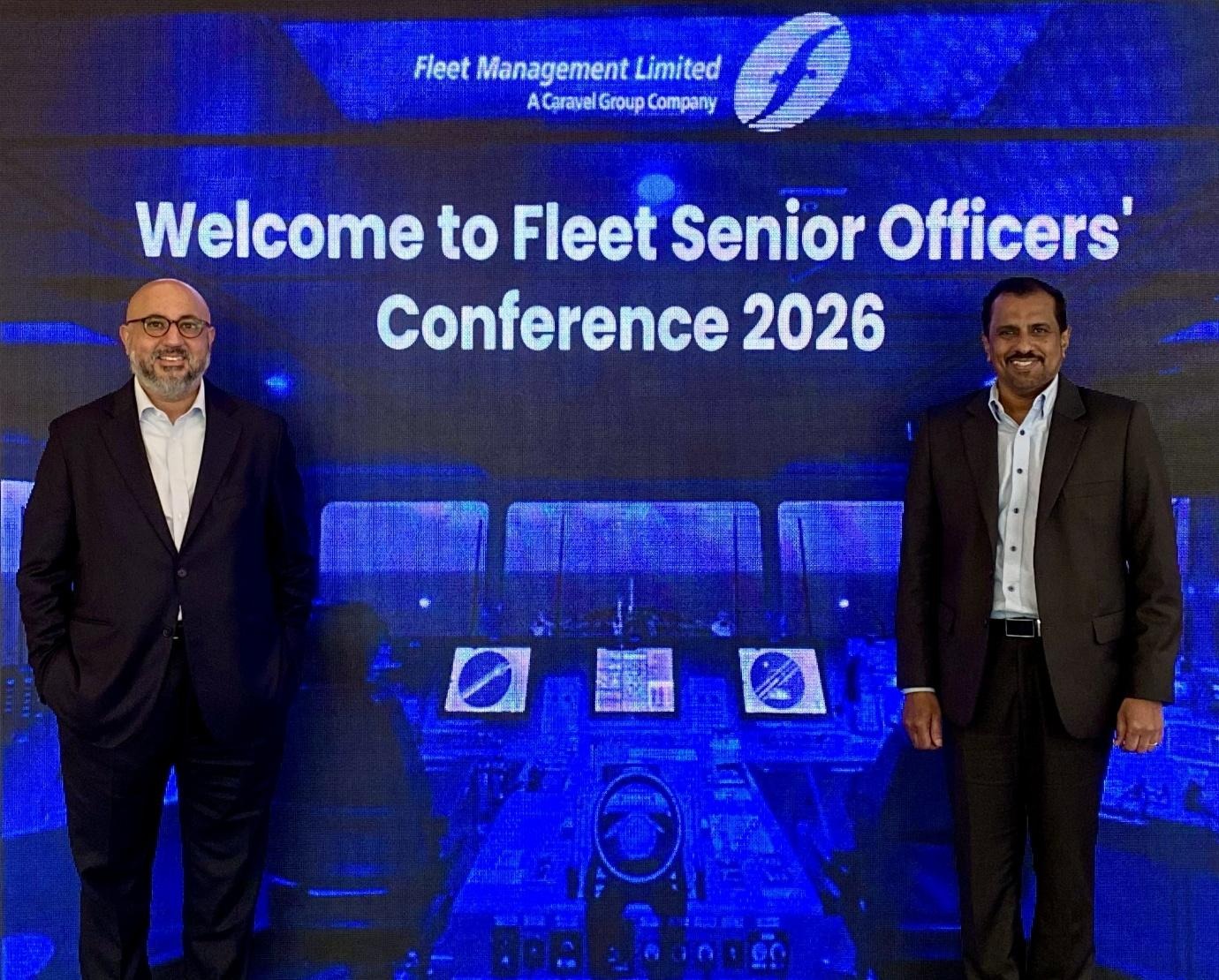
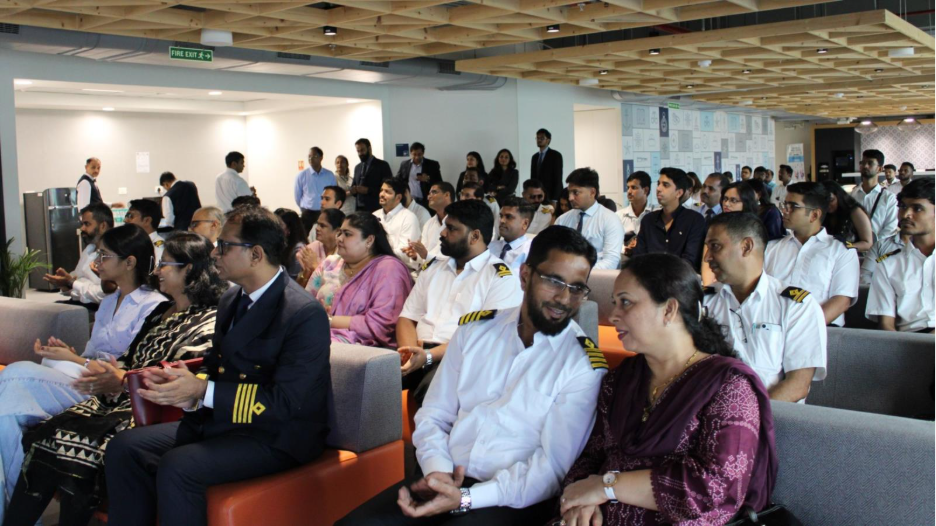
Hosted by Pilbara Ports in Perth, Capt. Raja Subramaniam, Chief Executive Officer of Fleet Management, joined maritime leaders at the Safe Ships Safe Ports Forum, to discuss how cultures that support crew welfare lead to safe performance.
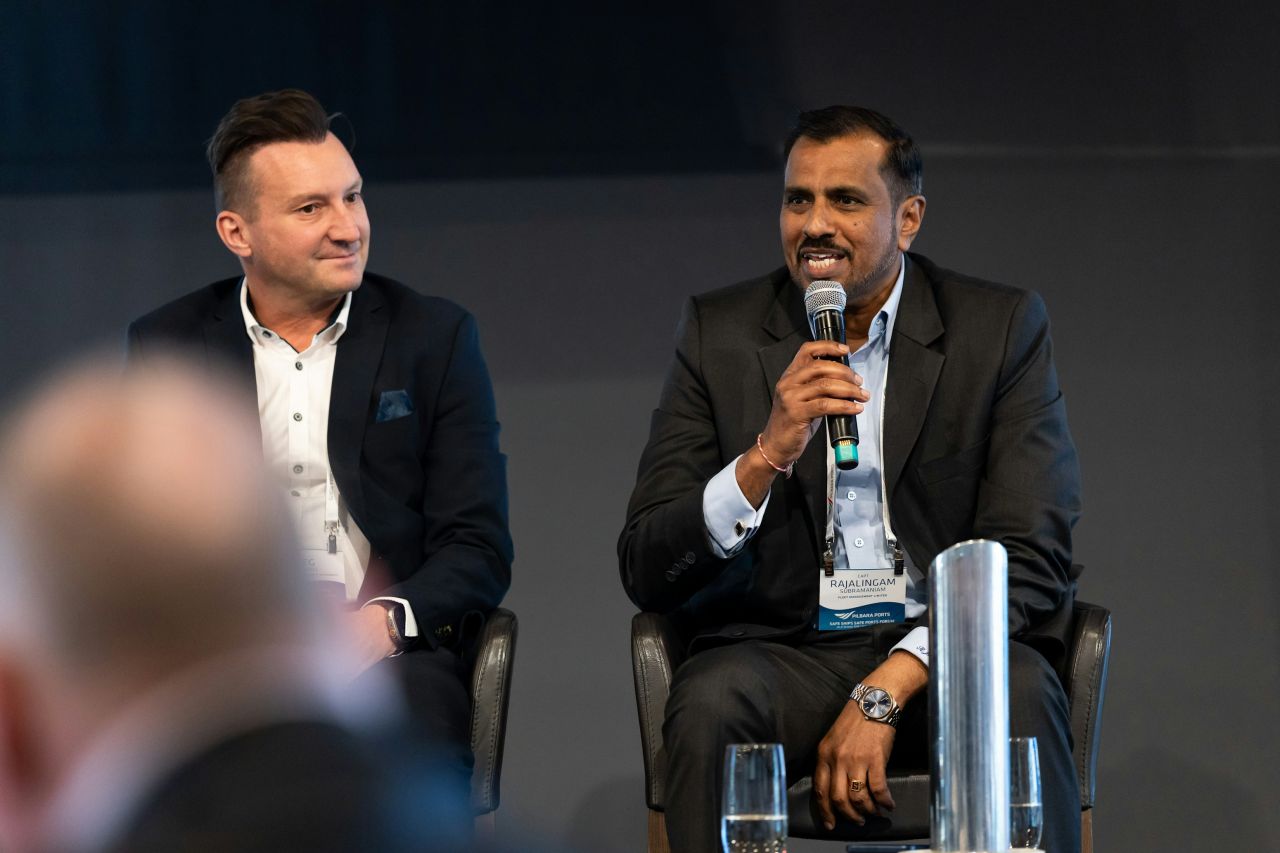
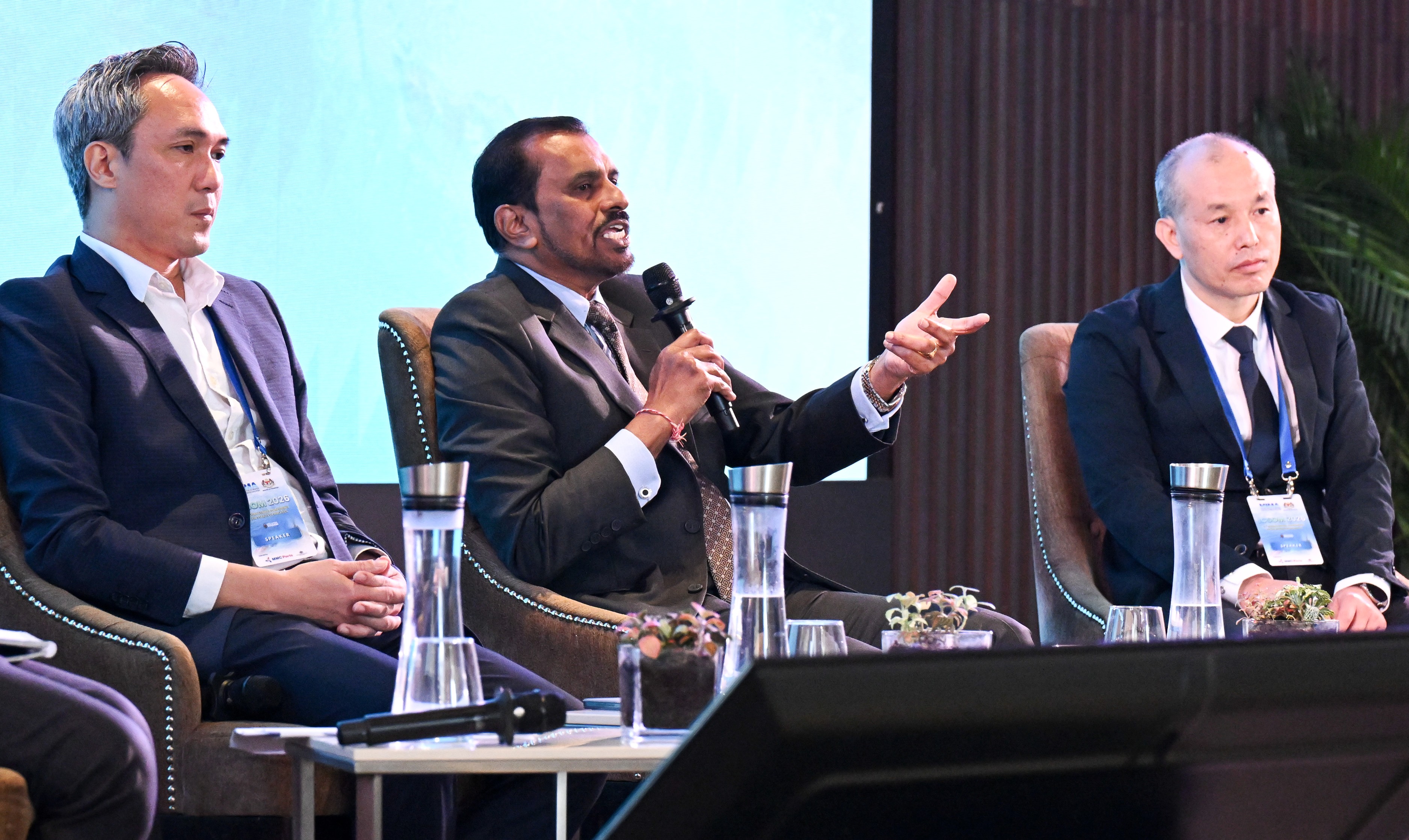
In his session, "Trust at sea: Building cultures that support crew welfare and safe performance", Capt. Raja was joined by The Ven Dr Peter Rouch of The Mission to Seafarers, Dimitris Monioudis of INTERCARGO, Greg Witherall of the Australian Maritime Safety Authority (AMSA) and Amanda Viljoen of Pilbara Ports. Di Darmody facilitated.
What a report cannot tell you
"A report tells you what happened. A seafarer often explains why," Capt. Raja said.
Fleet was founded by seafarers, for seafarers, and that still shapes how it is led. More than 70% of Fleet's leadership team are former seafarers, and many served as Masters, Chief Engineers or senior officers. That does not guarantee better decisions. It does mean operational reality is in the room when decisions are made.
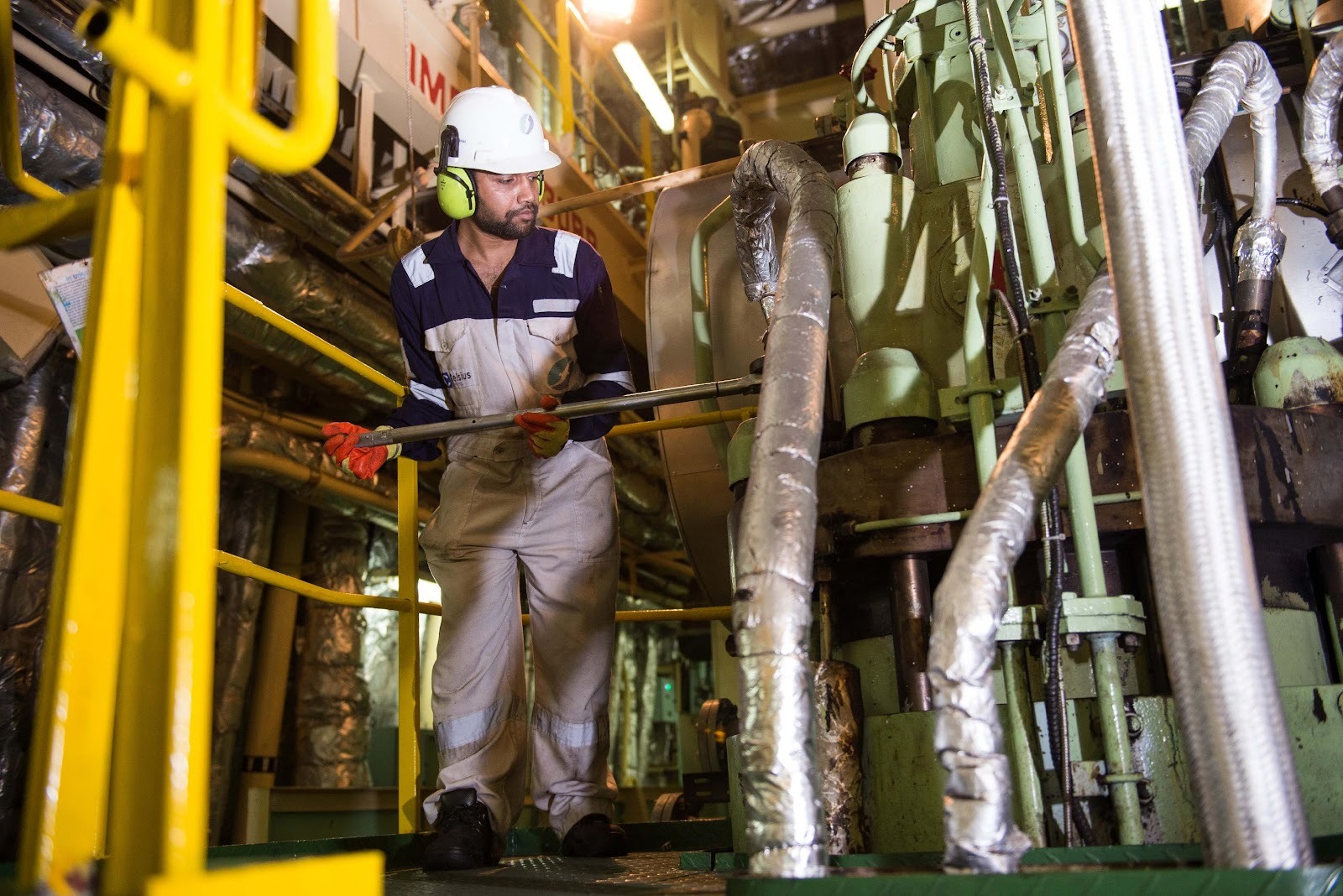
Much of that reality is invisible from shore. Fatigue, workload, weather, inspections and the pressure of introducing new procedures look very different onboard than they do in a meeting room. Time with crews gives context that data alone cannot.
It also drives improvement. Some of Fleet's most useful changes have come from vessel feedback. Major incidents are reviewed by a High-Level Investigation Committee chaired by Capt. Raja, so that frontline lessons reach leadership directly rather than being diluted through layers of reporting.
"Personally, I want to know if someone onboard has identified a weakness, a risk or an opportunity to improve, I have a responsibility to make sure we learn from it." Capt. Raja said.
Crew welfare is part of operations
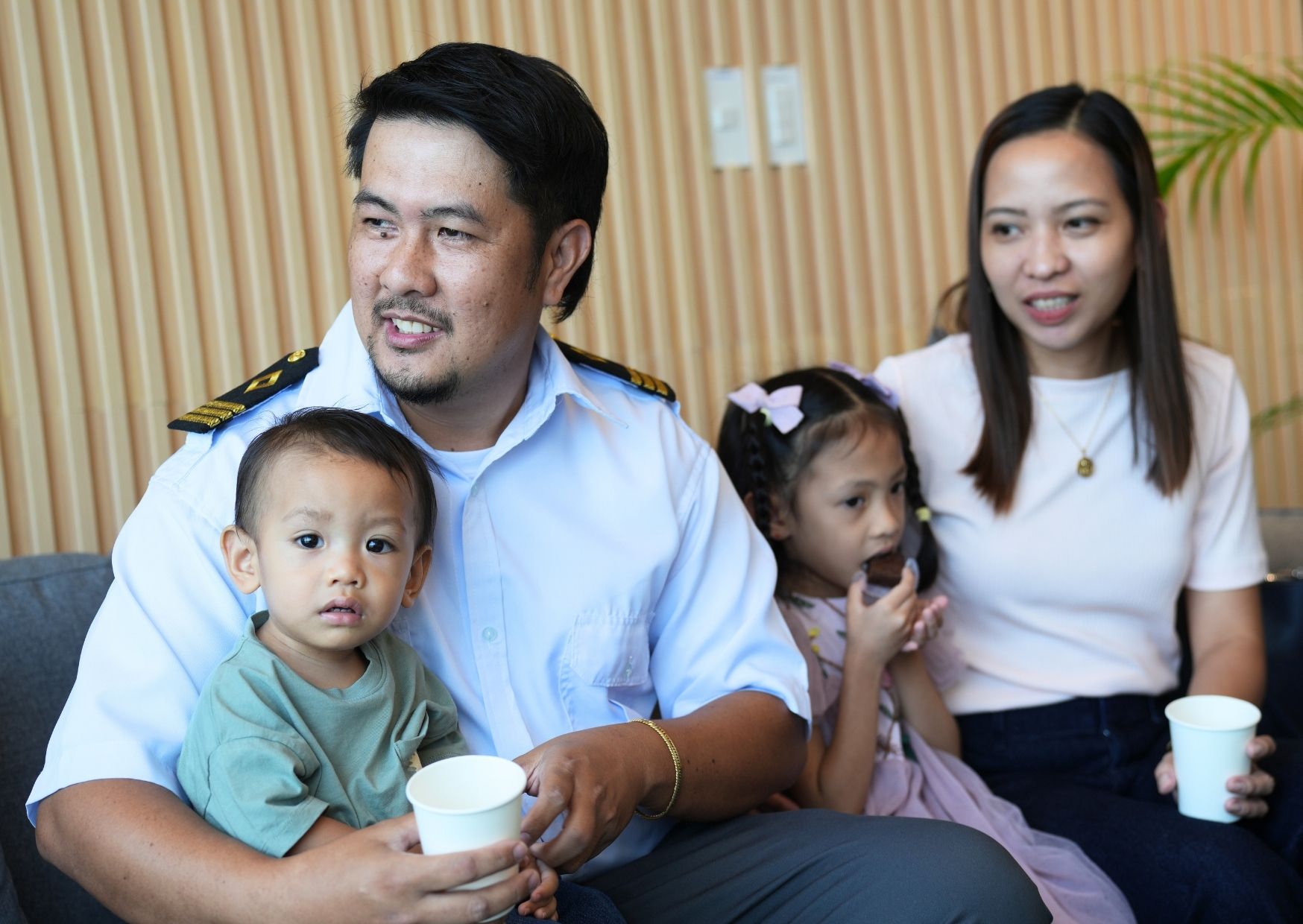
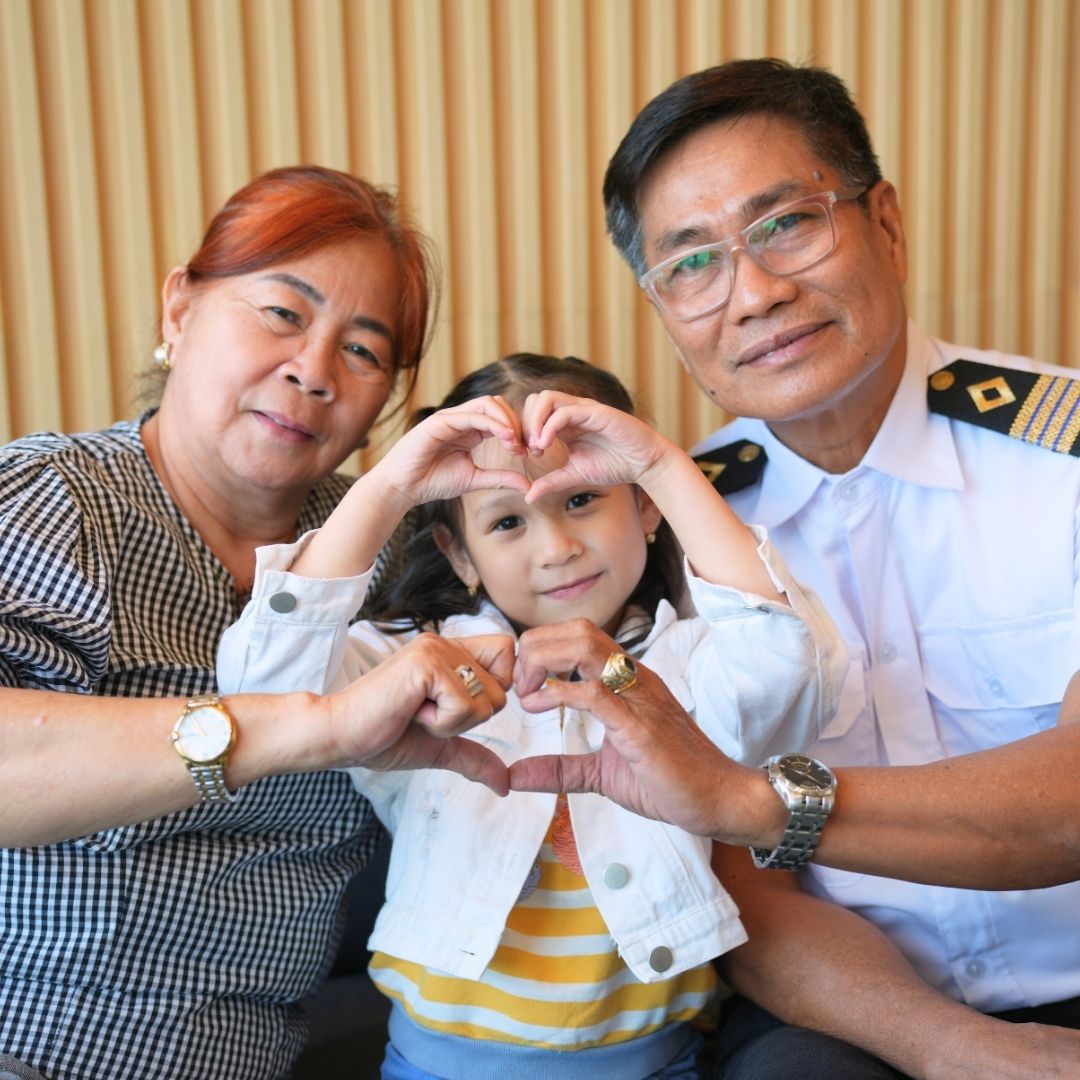
For months at a time, a ship is more than a workplace; it is also a home. A distracted officer on the bridge, a fatigued engineer or a crew member worried about home will not perform at their best. Challenges at home affect concentration at sea. Challenges at sea affect life at home.
For shipowners, the link is commercial as well as human. Better wellbeing contributes to safer operations. Safer operations mean fewer disruptions, and fewer disruptions help protect schedules, charterer confidence and long-term asset value. This is why 'Keep Seafarers and Employees Stable, Capable and Committed' is one of the six commitments that guide how Fleet operates.
Early support is where the difference shows. Fleet Care, supported by Care 360, covers physical, mental, social, family and financial wellbeing, with in-house psychologists, psychological first aid and 24/7 mental health support. More than 27,000 seafarers and families have access to its programmes, and more than 10,000 seafarers have completed mental wellness, resilience and peer-support training.
Over the past year, Fleet made more than 17,000 welfare calls to seafarers' families. Early intervention has contributed to a 95% reduction in cases progressing towards adverse wellbeing outcomes. Fleet delivered 276 counselling sessions and 42 Psychological First Aid training sessions, and helped prevent 28 potential psychological sign-offs, a 38% prevention rate among reported cases.
"For us, crew welfare is not an HR programme. It is a safety programme, a retention programme and ultimately a performance programme." Said Capt. Raja.
Safe performance in Australian waters
The results show up in port too. AMSA has recognised Fleet Management as a High-Performing Operator for both 2024 and 2025, and Fleet Ship Management Pte. Ltd. in 2025. AMSA's criteria include zero detentions in the reporting year and a deficiency rate significantly below the industry average. The recognition reflects vessel crews, shore teams, superintendents, QHSE specialists and trainers working as one.
Trust is built by listening
Seafarers raise concerns when they feel respected and heard. That openness improves safety and performance, and mutual respect remains one of the strongest drivers of engagement and retention.
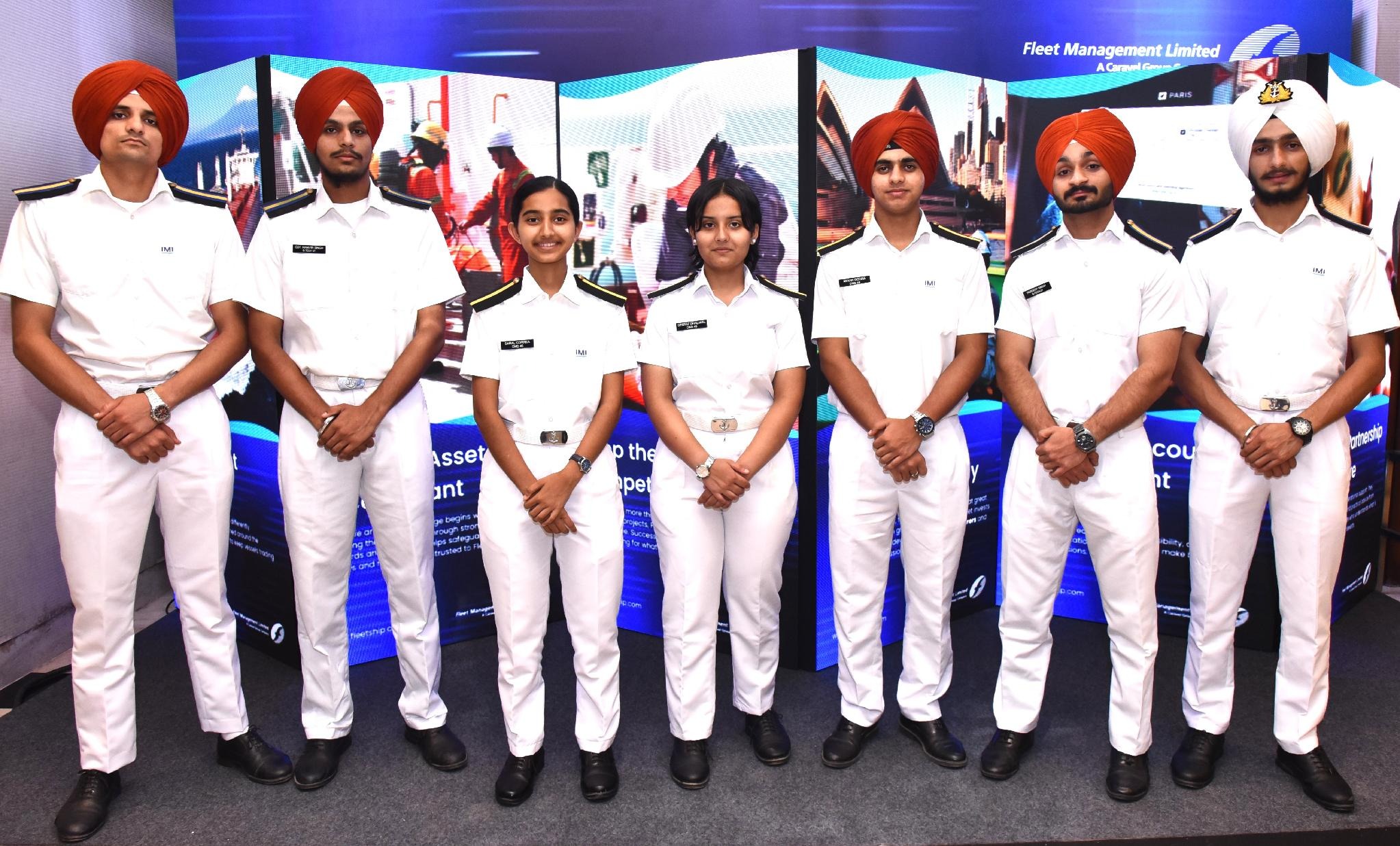
It matters for the future. The industry faces a shortage of officers, and it is already being felt. The challenge is not only training people. It is attracting and keeping them, after years of headlines about crew-change crises and conflict zones. Attrition is not inevitable. At Fleet, retention remains between 87% and 92% depending on rank, reflecting sustained investment in people, careers and support. The industry can influence it more widely if it listens to younger seafarers: what motivates them, how they communicate, what support they expect and what careers they want to build.
Pride helps. More than 80% of global trade by volume moves by sea, and every seafarer contributes to something much larger than a single contract or voyage. At Fleet, many leaders joined as cadets, sailed to senior rank and continued their careers onshore. Those pathways show that shipping can be a lifelong profession.
Three lessons for leaders
- Listen before assuming. The people closest to the operation know what is working and what is not.
- Keep frontline lessons close. Learning should reach leadership directly, so that it drives improvement across the organisation.
- Treat welfare as performance. The earlier support is provided, the better the outcome for the individual and for the operation.
Capt. Raja closed with a message for leaders across the industry.
"The people closest to the operation often have the clearest view of what is working, what isn't and what needs to change. Good leaders stay close enough to listen, and committed enough to act on what they hear."