A vessel is only as ready as the people who run it. Fleet Management’s Capt. Somasundar Nair, Executive Director, Fleet Personnel Department, and Capt. Abhishek Sinha, Country Head of Fleet Philippines, explain how Fleet prepares seafarers for future fuels, new technology and long careers, in a conversation recorded for the Seatrade Maritime Podcast ahead of Crew Connect Global in Manila.
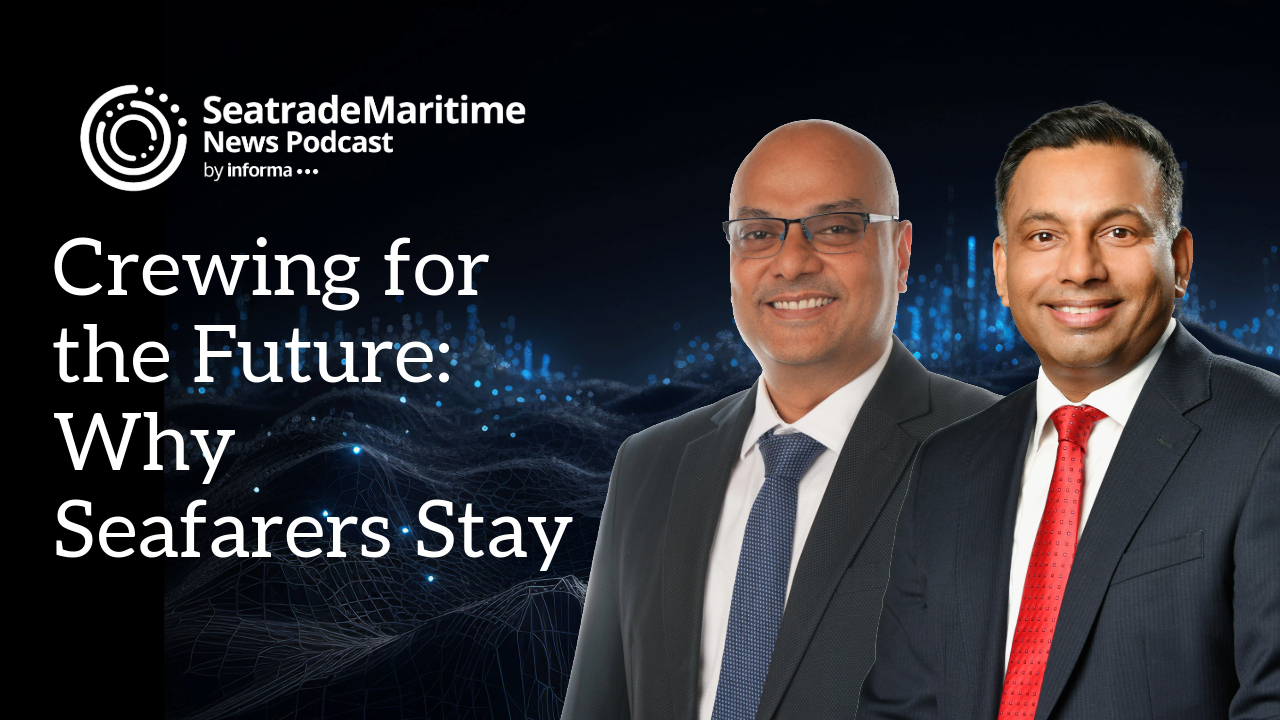
A vessel designed for future fuels is only as capable as the crew who operate it. Shipowners are investing in new technology, and customer expectations are rising alongside it. The question that follows is whether the people on board are ready.
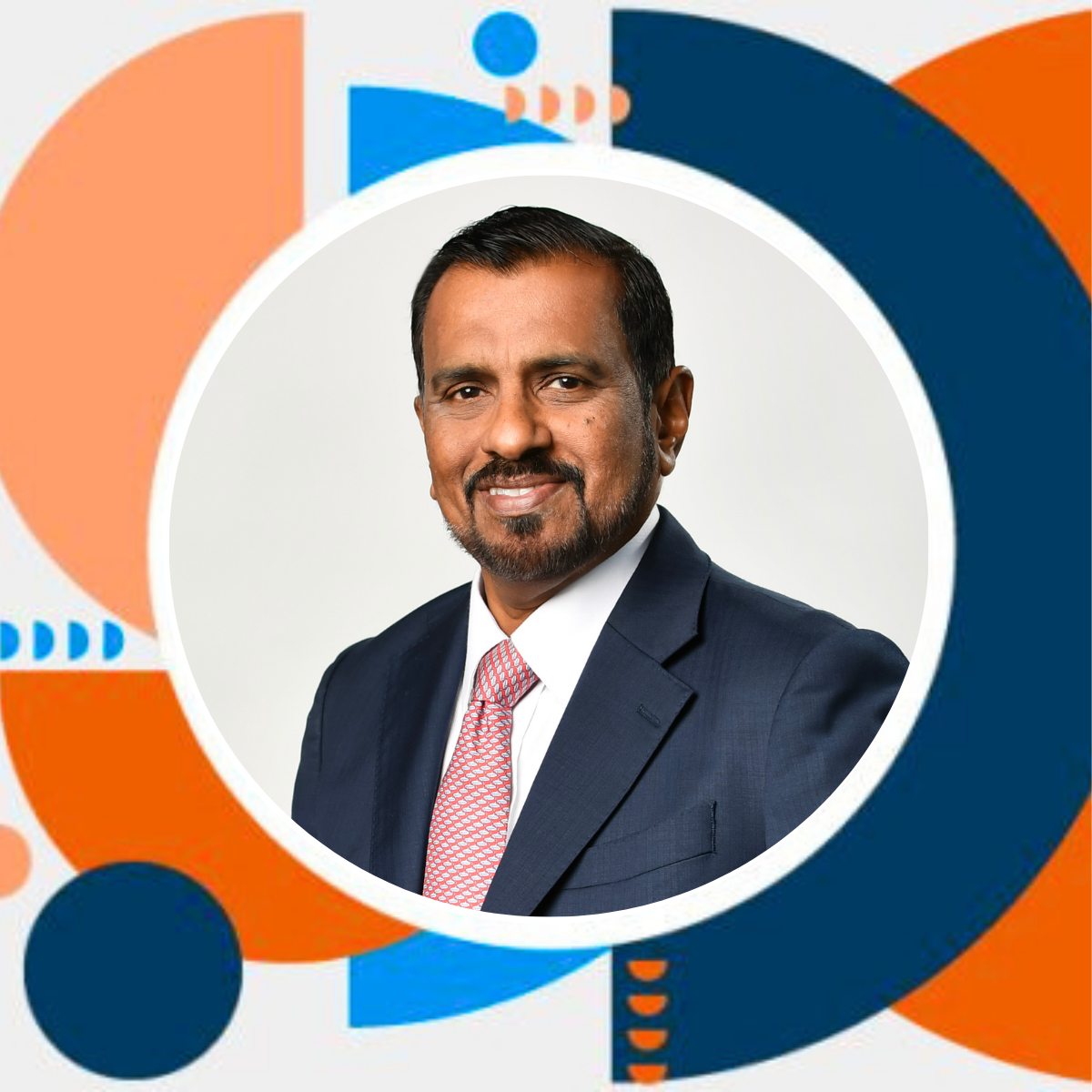
In a conversation with Marcus Hand, Editor of Seatrade Maritime News, two of Fleet’s senior leaders argued that readiness, more than recruitment, is now the harder challenge. Capt. Soma leads the teams supporting seafarers across more than 600 vessels from Hong Kong. Capt. Abhishek leads Fleet’s work in what he described as the world’s largest home market for maritime.
Preparedness is the bigger test
New fuels, digital systems and fast-moving regulation are changing what a seafarer needs to know. “A few years back, nobody knew about EU ETS, FuelEU Maritime or UK ETS,” Capt. Soma said. “These changes are coming at a very rapid pace.”
He believes the industry already knows where the change is coming from.
“The fundamental question we need to ask ourselves is whether the workforce will be ready to manage them. Future readiness cannot begin when the vessels are delivered. It has to start well ahead, with training and development.”
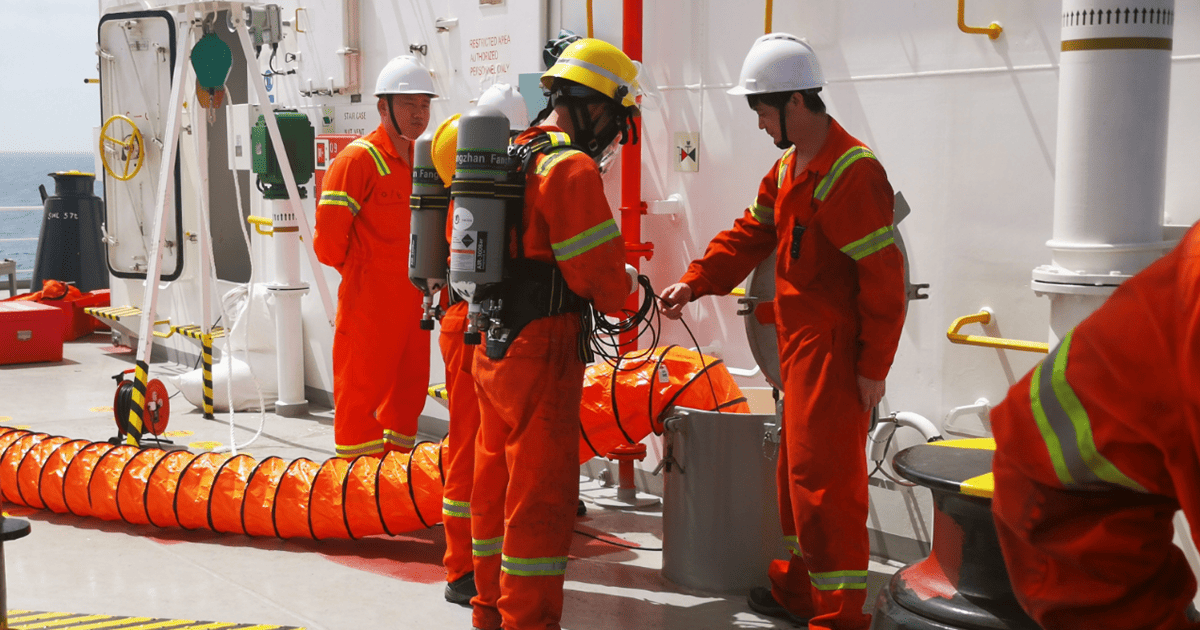
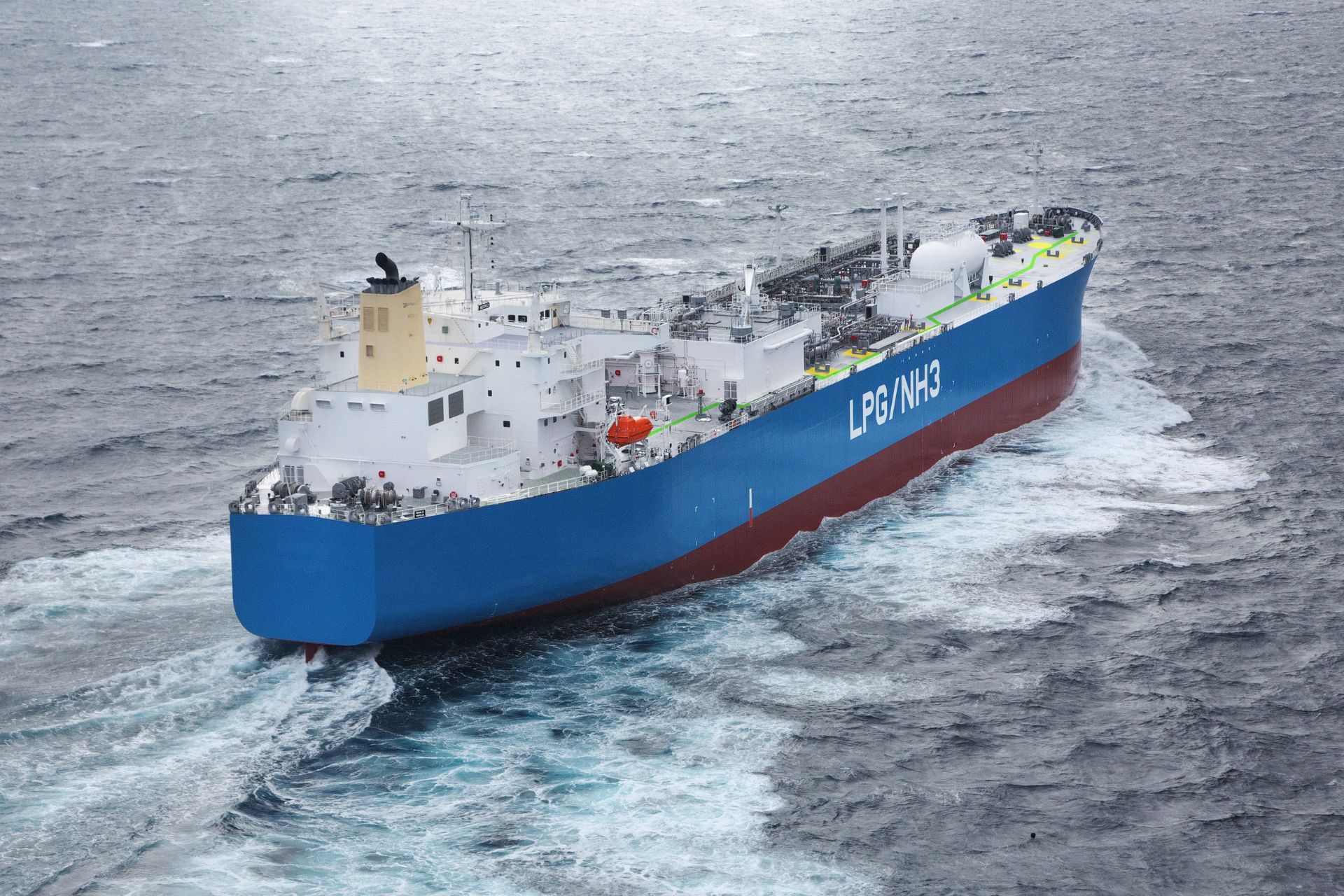
Dual fuel shows what that means in practice. Fleet manages more than 30 dual fuel enabled vessels and has over 1,700 trained, qualified and certified seafarers ready to serve on them. “We had to nurture and develop these people through the years,” Capt. Soma said, “and many of them at our cost.”
Fleet also starts earlier. In 2025 The Caravel Group acquired the International Maritime Institute, a pre-sea training institute, so that talent is nurtured from the very beginning of a career.
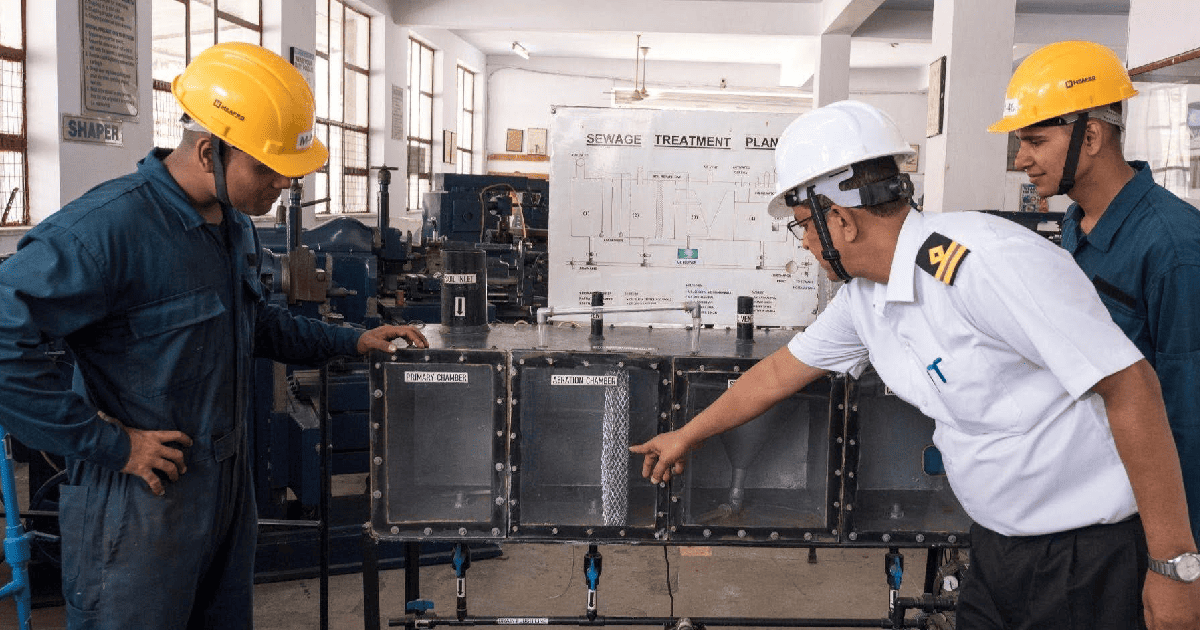
Technical skill remains the base. “Technical competence will continue to remain the foundation,” Capt. Soma said. “So leadership, judgement and adaptability will become increasingly important, and possibly the differentiators between the very good and the not so good.”
A career with early responsibility
Asked how to persuade young talent that life at sea is still worth choosing, Capt. Soma pointed to what the job offers. Deck cadets typically join an institute at 17 or 18. By their first certificate of competency, at 22 or 23, they are “standing on the bridge keeping a navigational watch, they command an asset worth 50 to 60 million dollars on the lower end, plus 20 to 22 people’s lives.”
“I don’t think any other career gives that kind of accountability at such a young age,” he said. The industry, he added, should be honest about the challenges and equally honest about the opportunities.
Where readiness is built in the Philippines
For Capt. Abhishek, the Philippines is central to Fleet’s operations and future growth. Fifty-five Fleet-managed vessels are fully manned by Filipino seafarers, and Fleet plans to grow its Filipino community by more than 50% in the years ahead. “Fleet would not be the company it is today without Filipino seafarers,” he said.
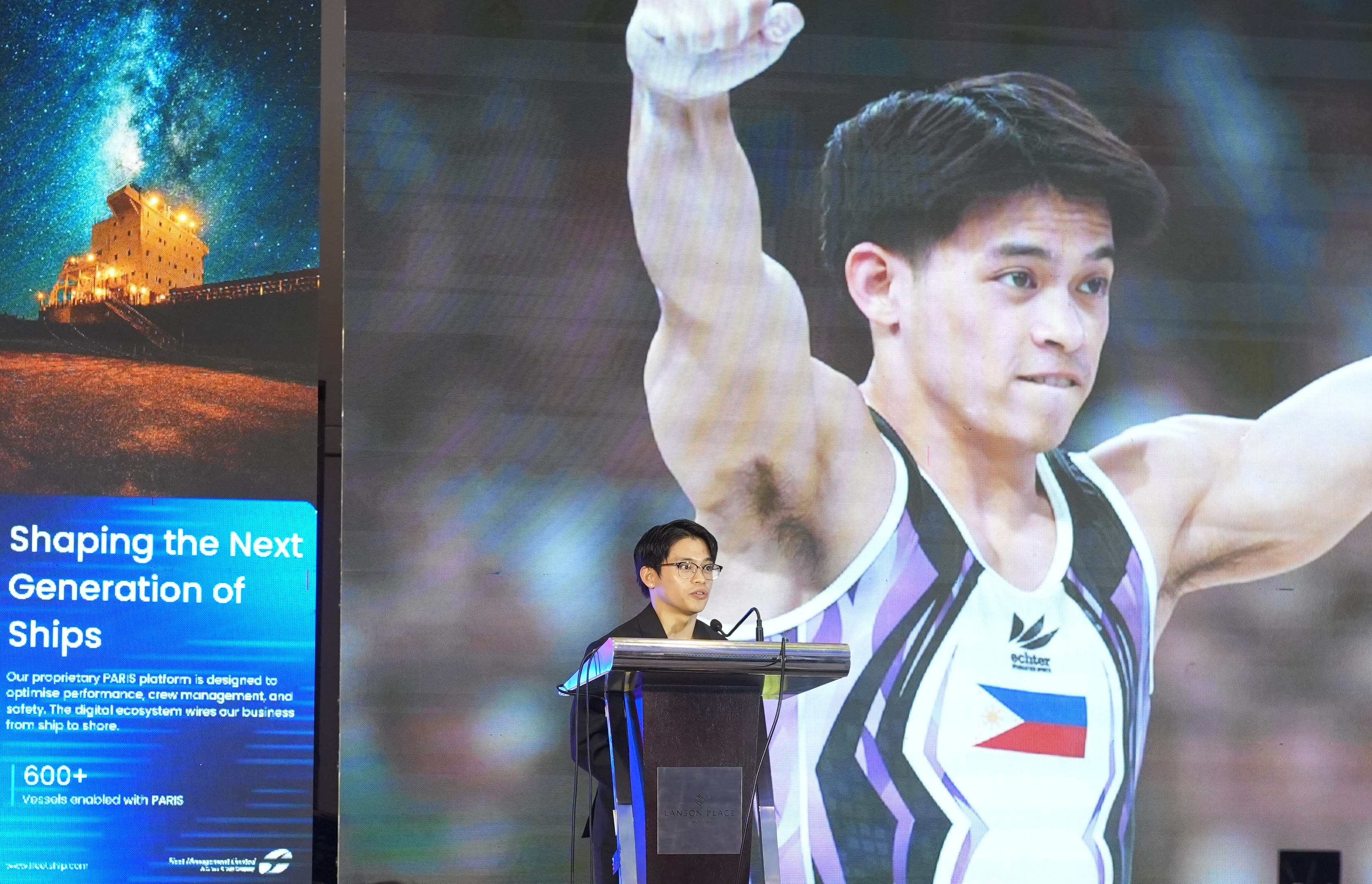
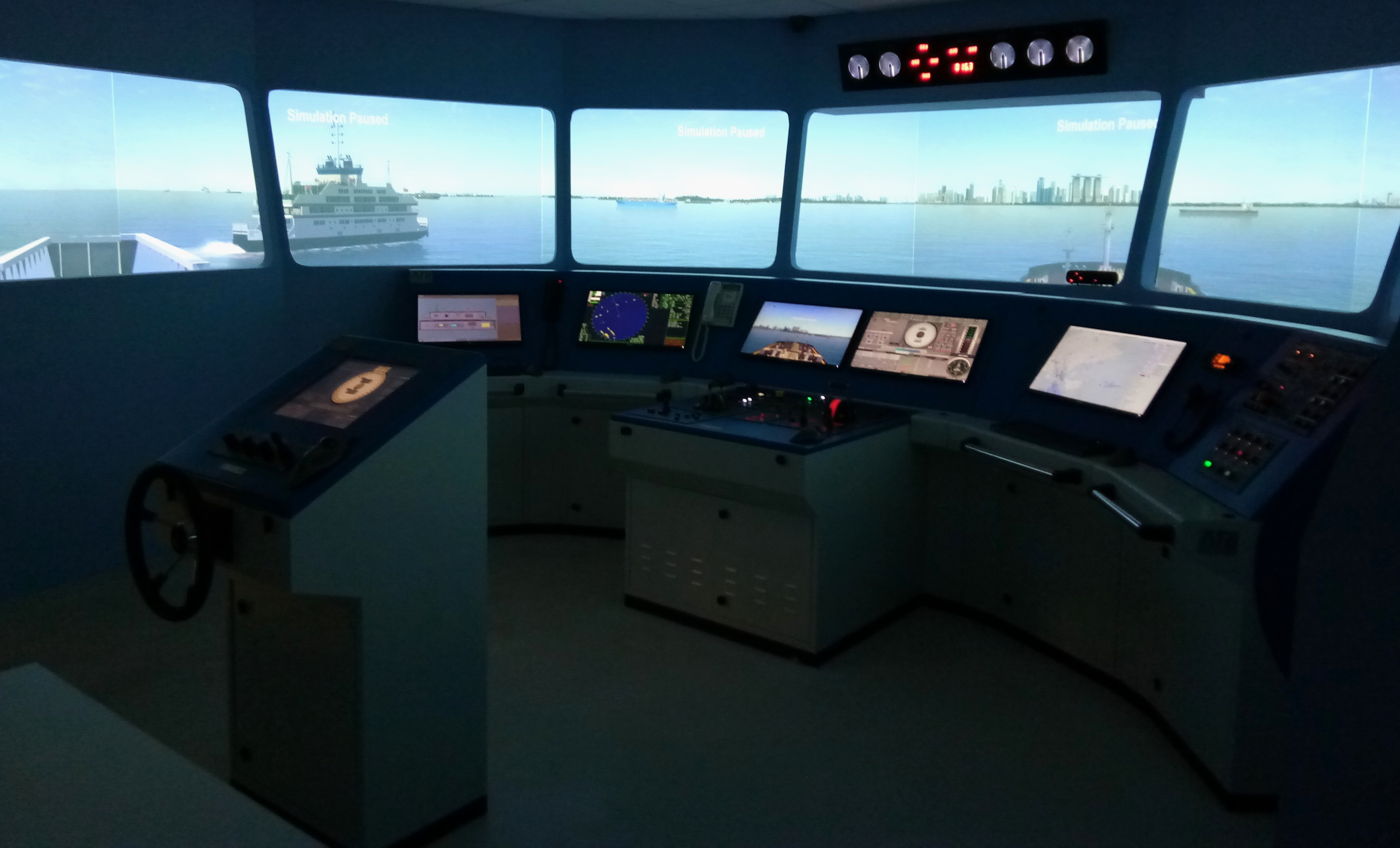
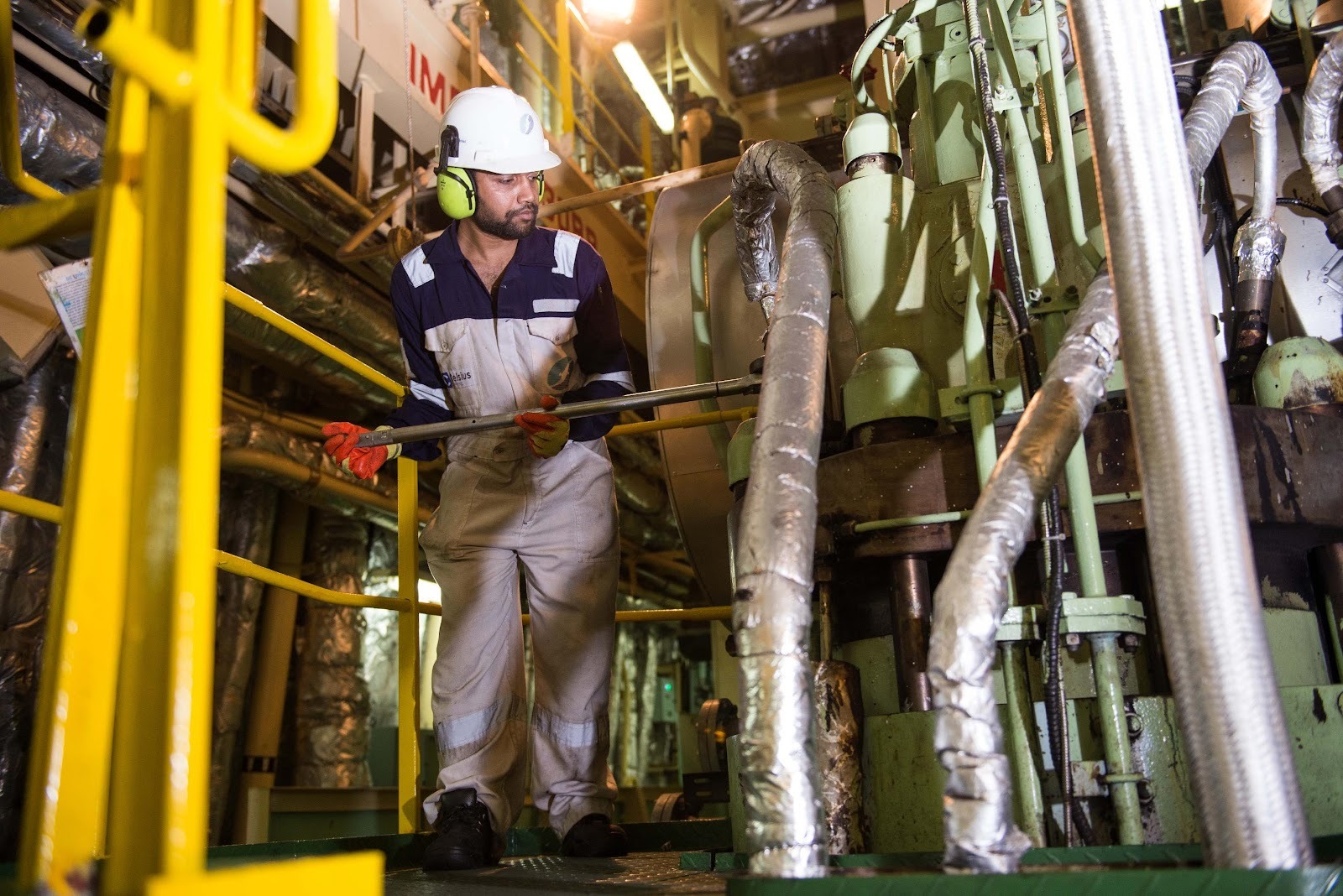
Training in Manila is built around that growth. The facility has full mission bridge and full mission engine room simulators, and it supports more than 14,000 training sessions a year. “Future ready ships will require a future ready crew,” Capt. Abhishek said. “Training must help people build competence, confidence and decision making skills before they reach the vessel.”
The pathway continues well beyond cadetship. “Today’s cadets will be tomorrow’s masters and chief engineers, and beyond that, the industry leaders.”
Families are part of the picture
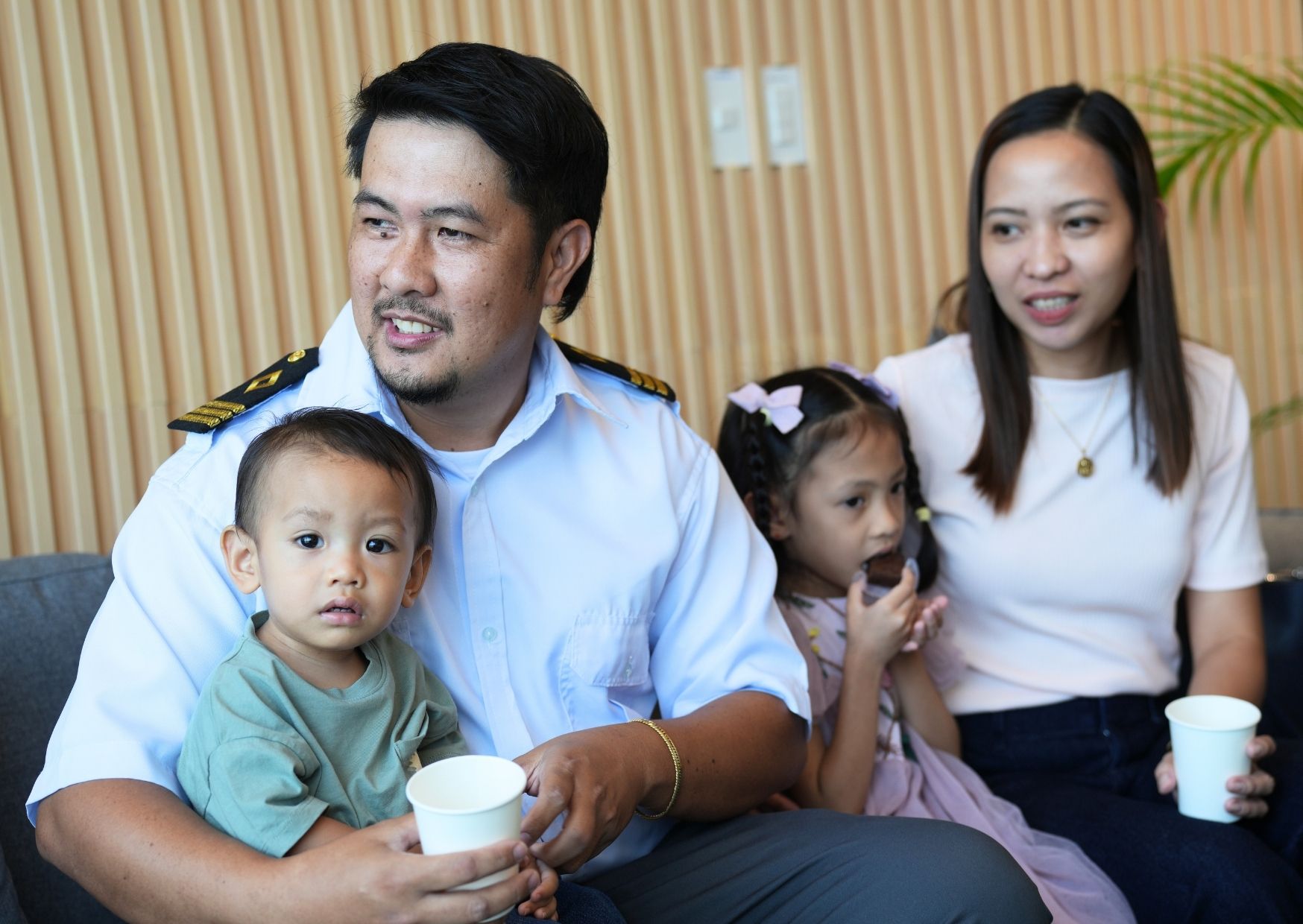
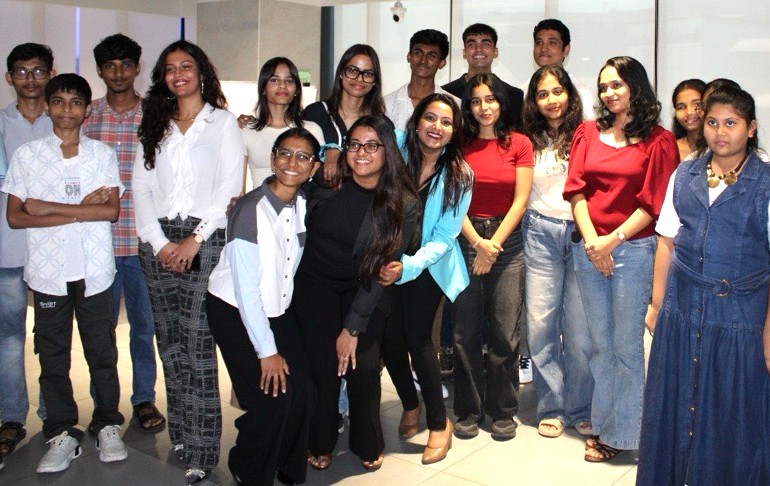
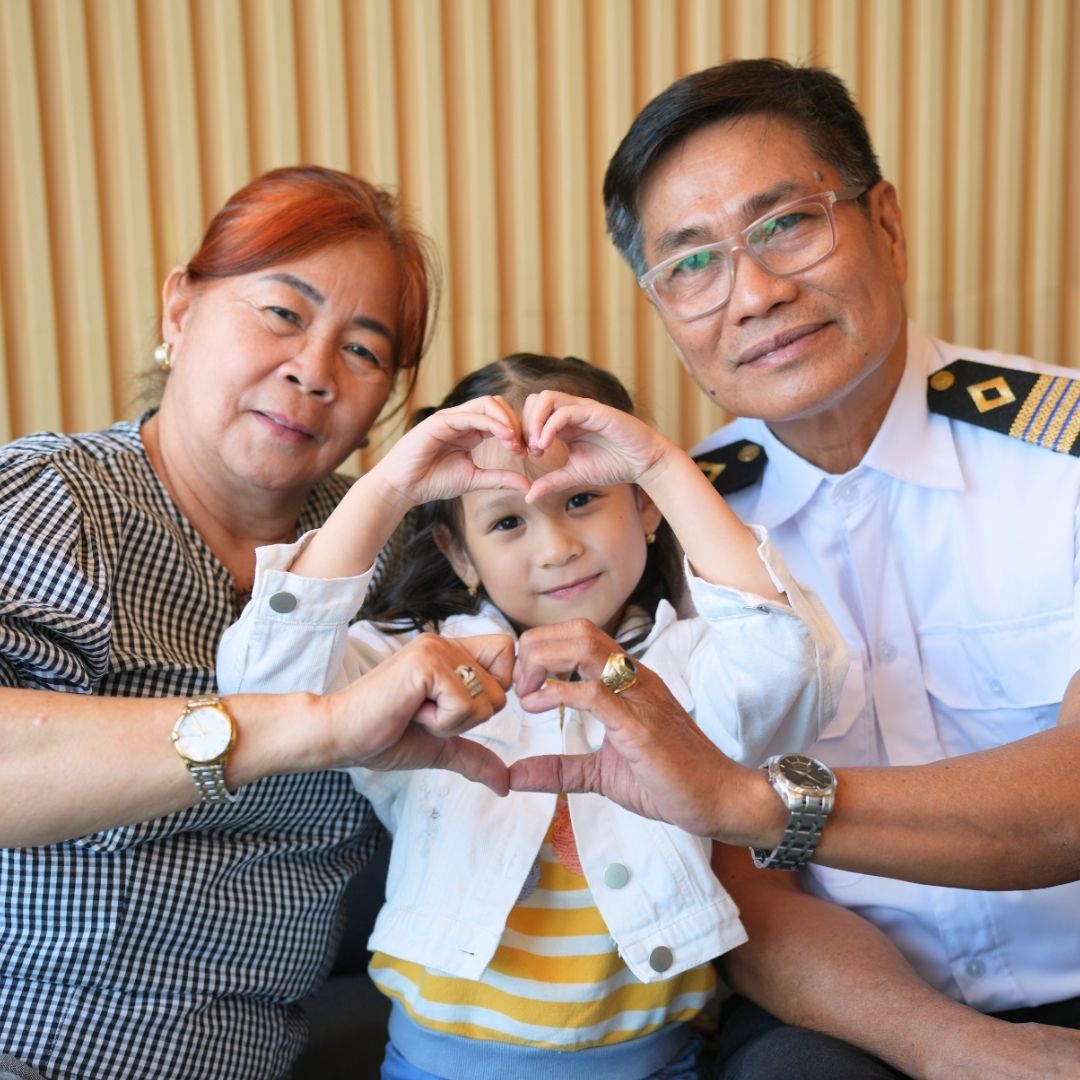
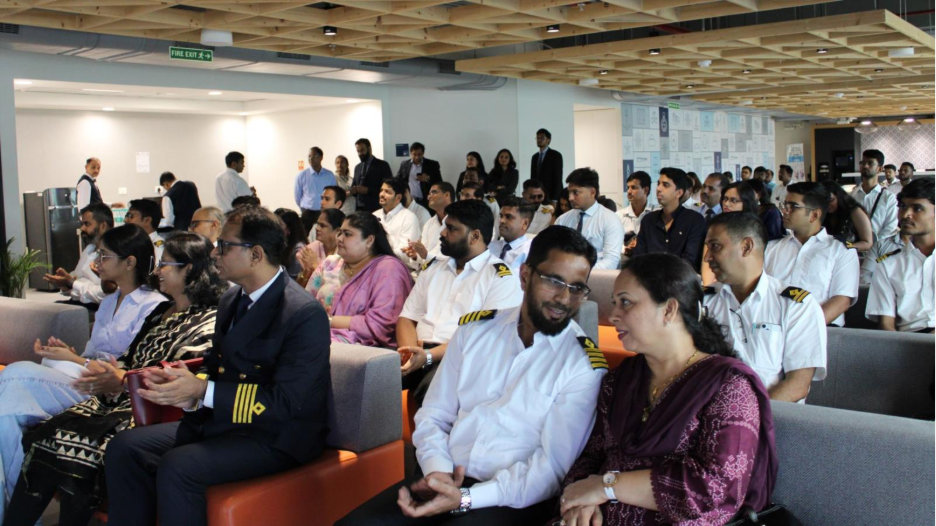
Behind every seafarer is a family, and both leaders returned to the point that wellbeing and performance belong together. Fleet Care, a dedicated team led by a master mariner, supports seafarers and their families, including more than 17,000 family welfare calls a year. In the Philippines, the Family Outreach Programme holds sessions in Manila, Cebu and Iloilo, and the team helps families after natural calamities and with healthcare.
“If the people onboard have their wellbeing taken care of, and know that in case of a calamity or an issue with their families the company will be there to look after the family, it enhances their decision making, resilience and performance,” Capt. Soma said. “Wellbeing, leadership and performance are not separate conversations. They are part of the same conversation.”
Safety culture rests on the same foundation. Capt. Soma named three elements, trust, transparency and accountability, and said they only work if people are supported when they speak up. “Stop Work Authority is not just a piece of paper or a placard on the ships. People need to believe in it, and they need to be supported when they raise concerns.”
Decisions that reach beyond the vessel
Capt. Soma closed with a reminder of scale and responsibility.
“It’s not just 27,000 seafarers,” he said. “Give or take, each has a family of four. So whatever we do at Fleet, our decisions impact 400,000 people out there in the world.”
For shipowners, the lesson is practical. Ships ready for future fuels and new technology depend on crews who were prepared early, supported well and given a career worth staying in. That commitment is part of caring for every shipowner’s asset as if it were our own.
Listen to the full conversation here: Crewing for the Future: Why Seafarers Stay

.jpeg)
.jpeg)
.jpeg)
.png)
.jpeg)
.jpeg)
.jpeg)
.png)
.jpeg)
.jpeg)

.jpg)

%20(1).jpeg)

.jpeg)
.jpeg)

.jpeg)


.png)



-min.png)





.svg)