
The Philippines, together with India, acts as one of the world's most respected sources of maritime officers. Professionals from these countries join seafarers from other parts of the world in carrying 80% of global trade amidst the challenges of today's international maritime industry.
If you're looking for a spot in a career at sea as an officer, we at Fleet Management have a place for you in one of the vessels under our care.
Before embarking into your officer role, complete a year of sea service to be able to take the Maritime Industry Authority (MARINA) licensure exams and apply to get your Certificate of Competency (COC).
Completing the Training Over Land and Sea (TOLAS) modules is another standing requirement for every prospective officer. This is our in-house learning management system that hones and refines skills and knowledge necessary to keep up with the demands of an ever-growing, ever-developing global maritime industry.
With that foundation laid out, here's an overview of officer roles in the deck and engine departments with ranks ascending from low to high. Get a quick look at their duties and responsibilities per rank, as well as a summarised look at the requirements for moving into the next rank.
The Deck
This is where the overall vessel management happens. Officers here are responsible for safe navigation, cargo operations, ship stability, and the like.
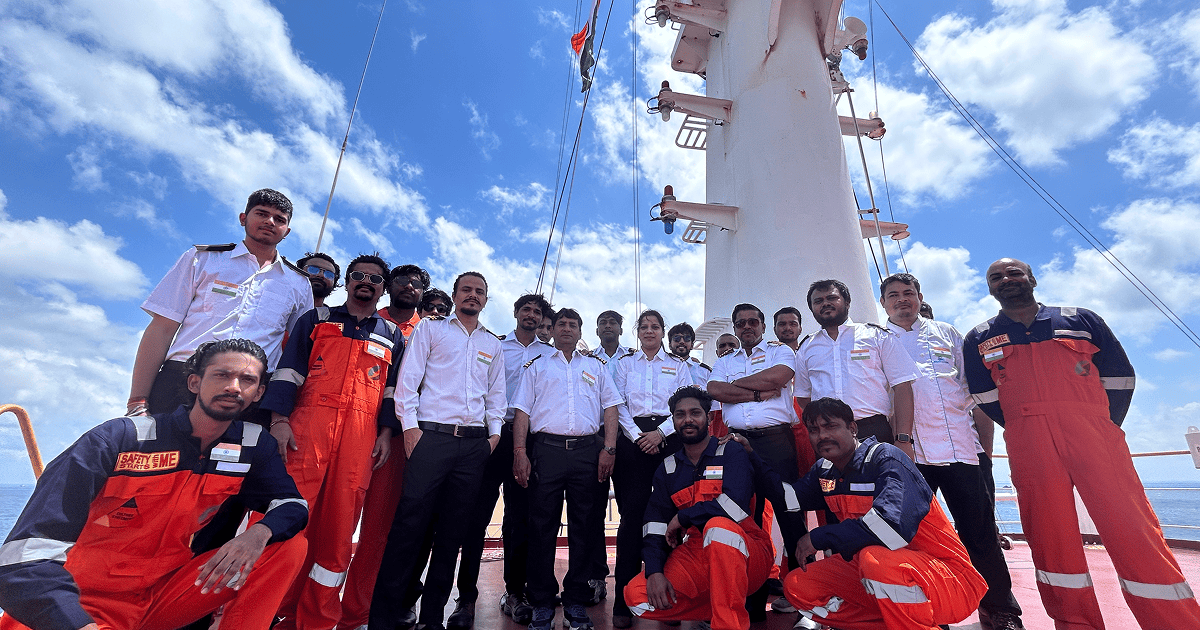
Third Mate
This rank oversees safe navigational watch standing. Their responsibilities include regular inspection and maintenance of lifeboats, life jackets, as well as fire-fighting equipment. They also assist the Chief Mate during cargo operations.
| Est. progression time | Prerequisites |
|---|---|
| Around 12-36 months of documented sea service, usually based on company evaluation and performance. | Get specific certifications (Certificate of Competency, Certificate of Proficiency, specialised training courses) updated on your MISMO profile. |
Second Mate
This rank prepares and executes the vessel's passage plans alongside navigational watch. They correct and update both paper and electronic charts including nautical publications. In some vessels, they also serve as the onboard primary medical officer.
| Est. progression time | Prerequisites |
|---|---|
| A minimum of 12 months of approved sea service as an Officer in Charge of a Navigational Watch. It will depend on the vessel you served on during previous ranks, for example, smaller vessels mean longer durations. | Complete management courses, examinations, and assessments. You will also need to acquire further certification reserved for senior ranks. |
Chief Mate
This rank manages cargo planning, loading, discharging, and securing operations. They're responsible for ensuring the ship's stability and hull integrity, supervising deck maintenance, deck ratings, and safety compliance. Additionally, they act as the Ship Security Officer (SSO).
| Est. progression time | Prerequisites |
|---|---|
| Around 24-36 months of approved sea service, depending on the vessel or prior experience. | Undergo further examinations, assessments, and training sessions. |
Master
This rank oversees the overall safety of the vessel, crew, cargo, and environment, especially when navigating through hazardous waters and emergency conditions. They also manage legal, customs, and port documentation.
The Engine
Officers under this department keep the ship's mechanical, electrical, and hydraulic systems running.

Fourth Engineer
This rank is in charge of operating and maintaining the ship's fuel oil/lubricating oil purifiers, air compressors, sewage treatment plants, and auxiliary machinery. They stand watch in engine rooms and assist senior engineers during major overhauls.
| Est. progression time | Prerequisites |
|---|---|
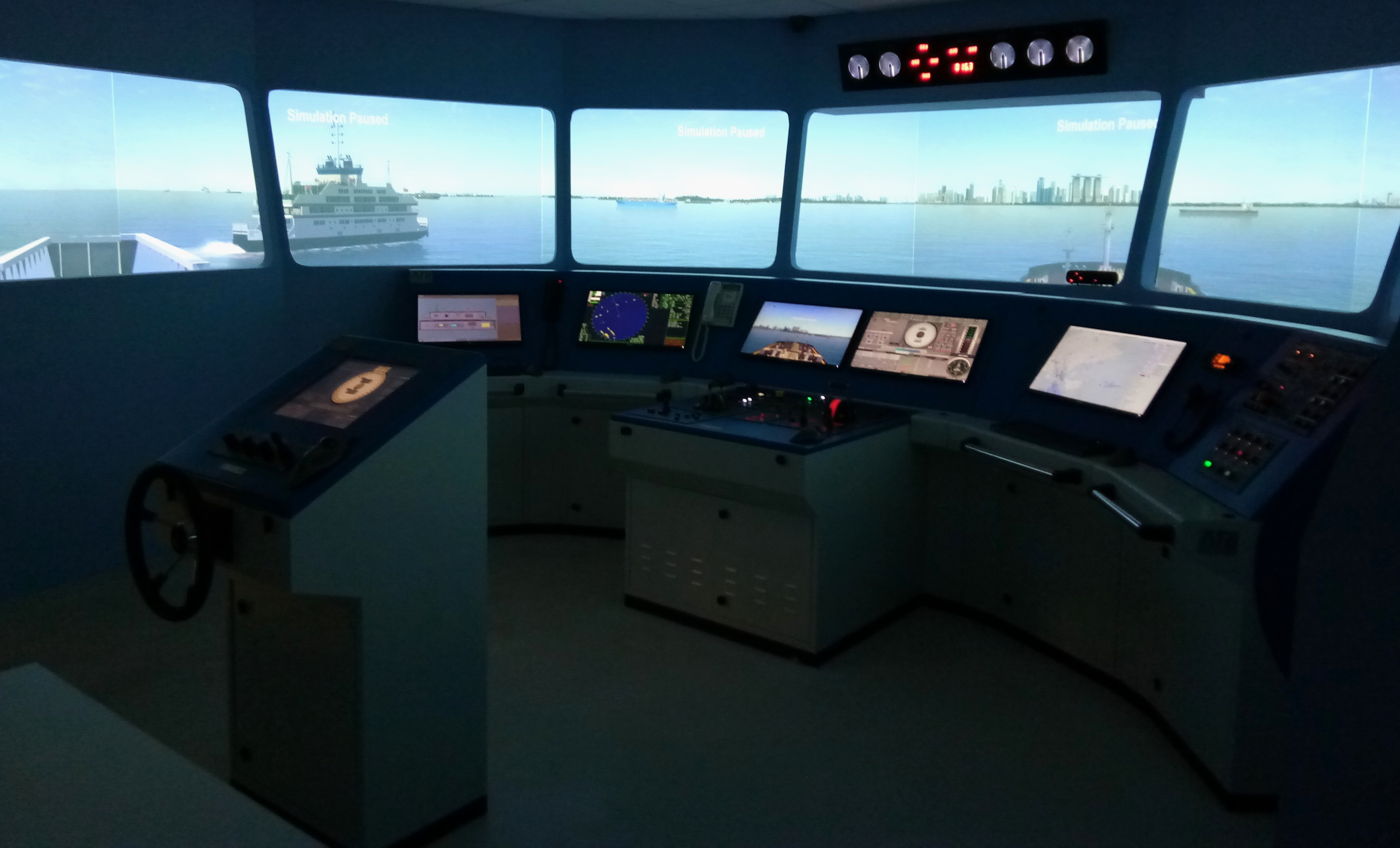
| Around 12 months of accumulated sea service alongside company-specific criteria. | Complete the Engine Room Simulator (ERS) course and have your specific certifications updated in your MISMO profile. |
Third Engineer
This rank handles the maintenance of auxiliary diesel generators, auxiliary boilers, freshwater generators, and associated pumps. They also oversee fuelling or bunkering operations, as well as engine watch standing.
| Est. progression time | Prerequisites |
|---|---|
| A minimum of 12 months of approved sea service as an Officer in Charge of an Engineering Watch, depending on the propulsion machinery of vessel you served on during previous ranks. | Complete management courses alongside theoretical and practical examinations. |
Second Engineer
This rank directly supervises the engine room maintenance, serving as the primary officer responsible for the main propulsion engine. They also manage engine ratings (Oilers, Fitters, Wipers) daily and regularly maintain inventory of spare parts and tools.
| Est. progression time | Prerequisites |
|---|---|
| Around 24-36 months of approved sea service, depending on the vessel or prior experience. | Complete examinations assessments, and corresponding management-level certifications. |
Chief Engineer
This rank manages the safe and efficient operation of all machinery, electrical, and piping systems. They monitor fuel and lubricating oil consumption, ensure absolute compliance with environmental regulations (e.g. MARPOL), as well as manage mechanical emergency responses.
Recap for Cadets
Eyeing an officer role in one of our vessels? Here's a quick to-do list to keep in mind:
- Finish one year of sea service as cadets. This lets you take the MARINA licensure examinations, an important prerequisite in obtaining your OIC license.
- Complete the TOLAS modules. There's a wealth of maritime knowledge in every course so take advantage of our advanced e-learning management system.
Embark on your Seafaring Journey with Us
Since 1997, Fleet Management has nurtured Filipino seafaring talent. Today, our advanced training and innovation hub located in Pasay City is built to address the global demands in technical excellence and sustainability. On par with these goals are the safety and well-being of our seafarers by providing career support and mental health resources, making sure the next generation of maritime leaders grow into their fullest potential.
Various informative articles just like this can be viewed here on our website, so read on to discover more.

.png)
.jpeg)
.jpeg)


.jpeg)
.png)

.jpeg)

.jpeg)
.jpeg)
.png)
.jpeg)
.jpeg)

.jpg)

%20(1).jpeg)

.jpeg)
.jpeg)


.jpeg)



.png)




-min.png)





.svg)