From clearer points of contact to faster escalation channels, five new measures are helping crews raise concerns sooner, address risks earlier and reinforce a proactive safety culture across the fleet.
No vessel is immune from safety risks.
Across the maritime industry, near misses, unsafe conditions and operational hazards can emerge at any time. Effective maritime safety depends on how quickly risks are identified, reported and addressed.
At Fleet Management, the safety of our seafarers underpins everything we do. It is also fundamental to delivering safe, compliant and reliable operations for our customers. Every concern raised early, every hazard removed and every lesson shared helps protect lives, safeguard assets and keep vessels trading safely.
This philosophy sits at the heart of Fleet's customer-centric operating model. Through our Six Commitments, we focus on keeping assets trading, safe, competitive, capable, transparent and supported through trusted partnership.
To strengthen this approach across the fleet, Fleet's QHSE team is introducing five measures designed to improve visibility, accelerate reporting and create stronger connections between crews and onshore safety specialists.
1. Making Safety Leadership More Visible
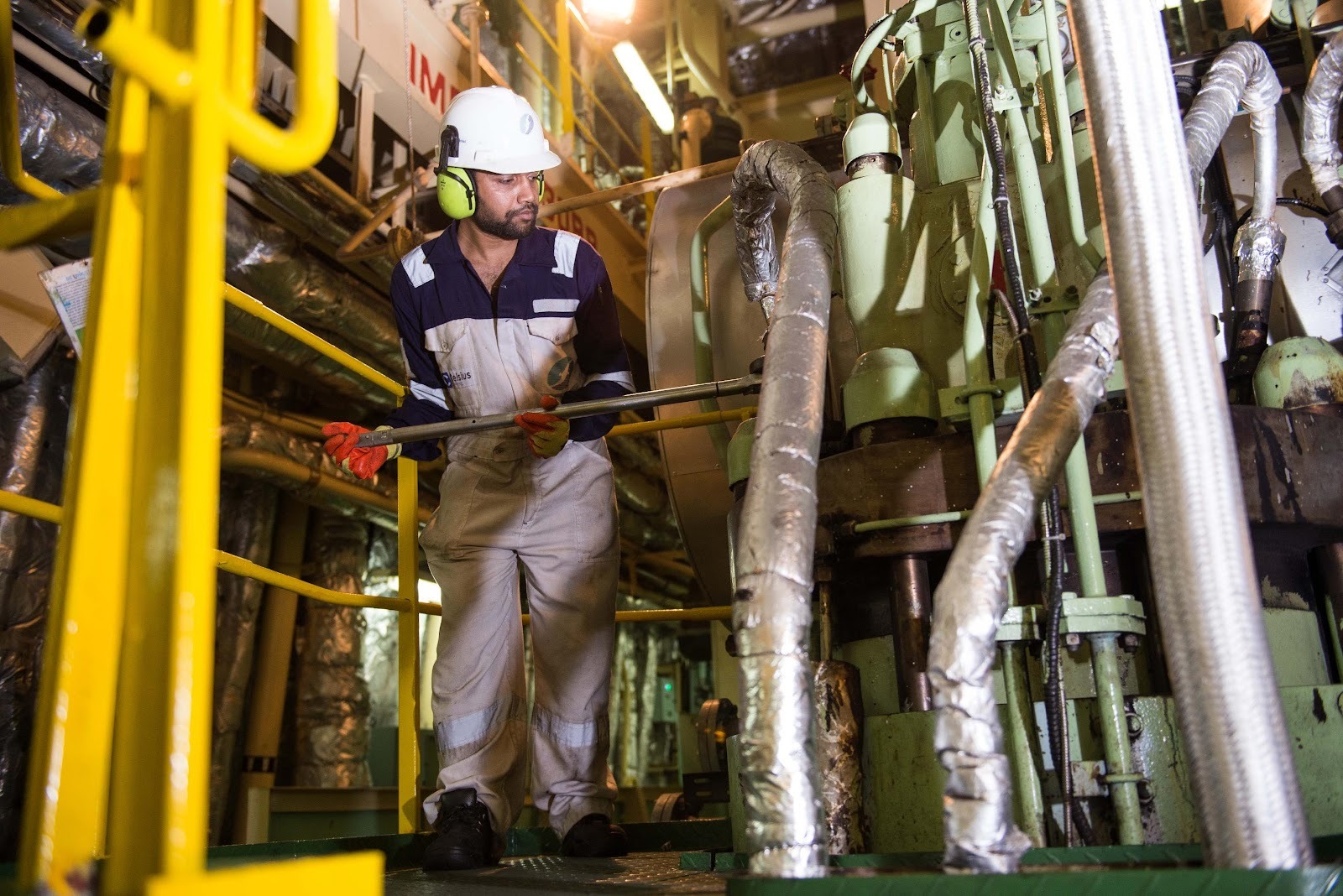
Safety officers play a critical role in promoting safe behaviours, strengthening onboard safety and supporting effective risk management across the vessel.
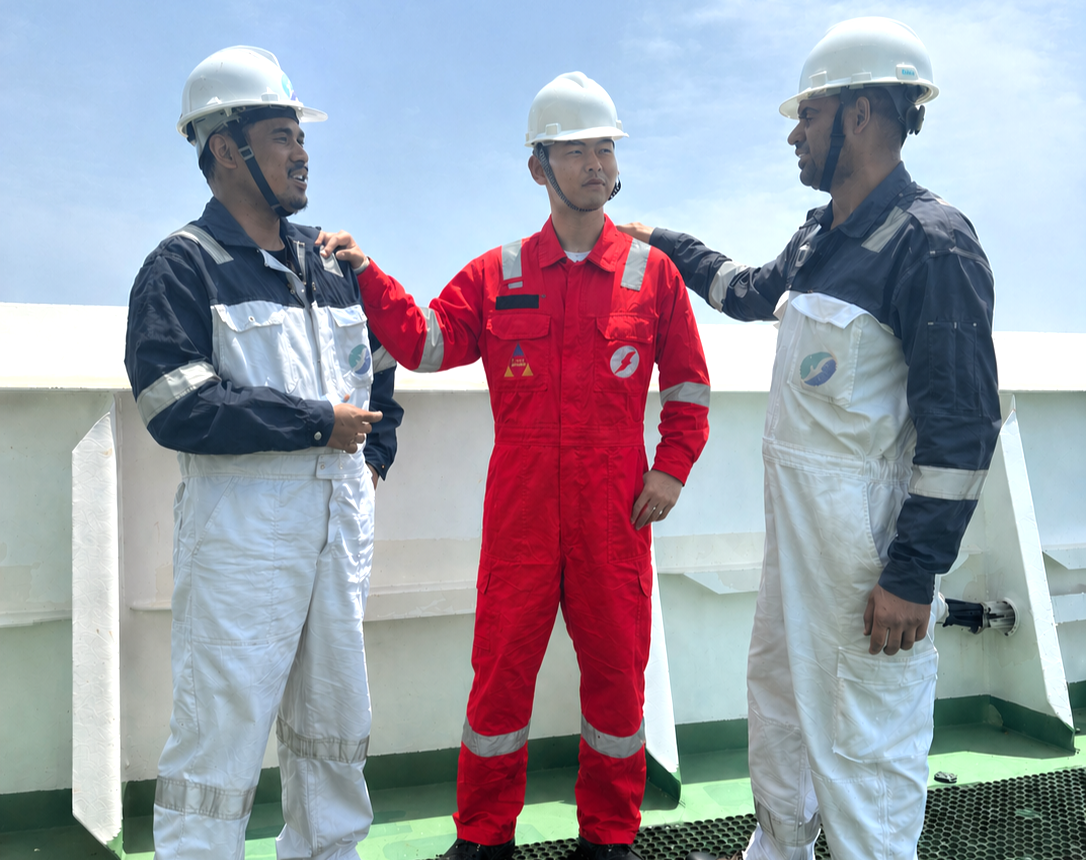
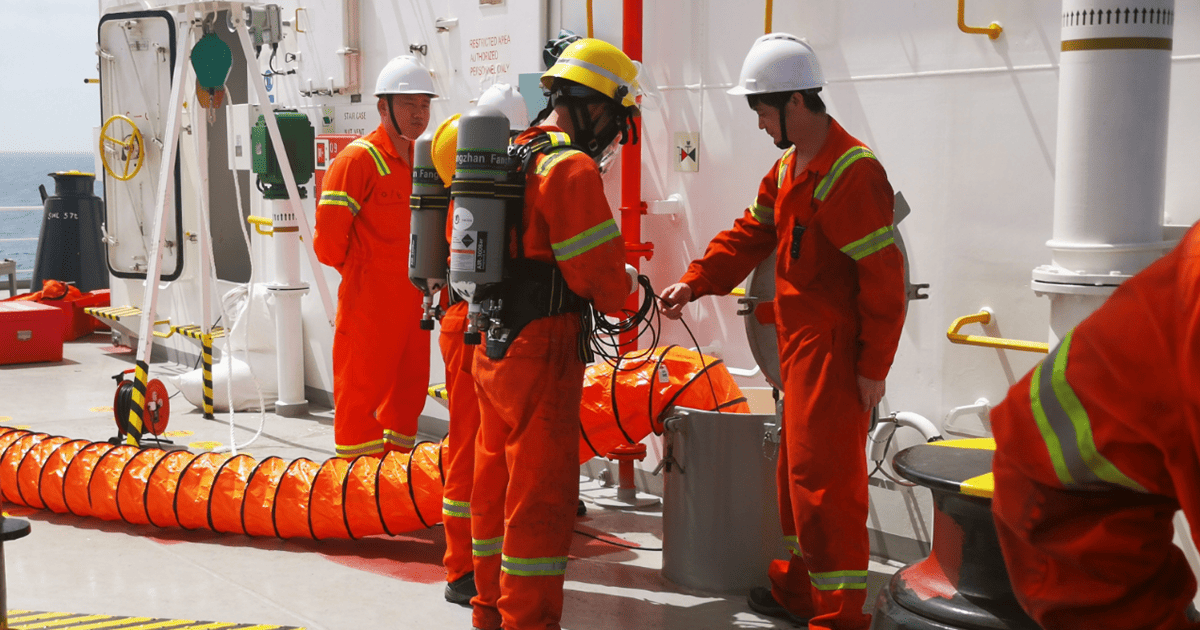
To make these leaders easier to identify and approach, designated safety officers are being equipped with clearly recognisable identification, including red boiler suits.
This visible presence helps ensure seafarers know who to approach when they have a concern, question or observation. It encourages open conversations about safety and reinforces the message that every person onboard has a role to play in preventing incidents.
By making safety leaders more visible, Fleet is helping remove barriers to reporting concerns and encouraging earlier intervention when risks emerge.
One safety officer said,
"What has impressed me most is the willingness of people to speak up. The red boiler suit makes it clear who they can approach, and we are having more conversations about safety. It is helping each other work more safely.”
2. Creating Faster Channels for Escalation
The sooner a risk is identified, the sooner it can be addressed.
Dedicated communication channels are being introduced to give safety officers a more direct link to Fleet's onshore QHSE teams. This supports faster escalation of safety observations, improves transparency and enables more effective follow-up when issues require attention.
For customers, this means greater assurance that potential issues are identified, communicated and addressed quickly. For seafarers, it means easier access to specialist support and clearer pathways for raising concerns.
3. Strengthening Ship-Shore Collaboration
Safety does not begin and end onboard.
By improving communication between vessels and onshore teams, Fleet is strengthening visibility of emerging risks across the fleet and ensuring lessons learned can be shared more effectively.
Stronger ship-shore collaboration also helps accelerate decision-making, improve consistency and ensure concerns raised onboard receive the attention and support they require.
For example, safety observations raised onboard can now be escalated more directly to Fleet's onshore QHSE teams, enabling faster review, guidance and corrective action. This not only helps resolve issues on individual vessels but also allows lessons learned to be shared more effectively across the fleet, reducing the likelihood of similar risks occurring elsewhere.
4. Encouraging Earlier Reporting and Intervention
The difference between a routine correction and a serious incident often comes down to how quickly an issue is reported.
These enhancements are designed to make it easier for crews to raise concerns, escalate observations and seek support before problems develop into incidents.
By encouraging earlier reporting, Fleet is helping crews identify risks sooner, strengthen safety reporting and take corrective action before incidents occur.
This directly supports Fleet's commitment to keeping assets safe and compliant while protecting the wellbeing of everyone onboard.
5. Embedding a Stronger Safety Culture
Collectively, these measures reinforce a culture where safety concerns can be discussed openly, risks can be escalated promptly and action can be taken before incidents occur.
The goal is not simply compliance. It is to create an environment where people feel empowered to speak up, learn from experience, lookout for each other and take ownership of safety at every level. Together, these actions help identify risks earlier and reduce incidents.
These efforts are being supported by broader safety improvements across our vessels. In 2025, Fleet maintained zero work-related fatalities, achieved an LTIF of 0.34 and a TRCF of 0.87, outperforming INTERTANKO averages of 0.41 and 0.93 respectively. The company also conducted 23 onboard safety campaigns, reinforcing awareness, engagement and proactive risk management across vessels
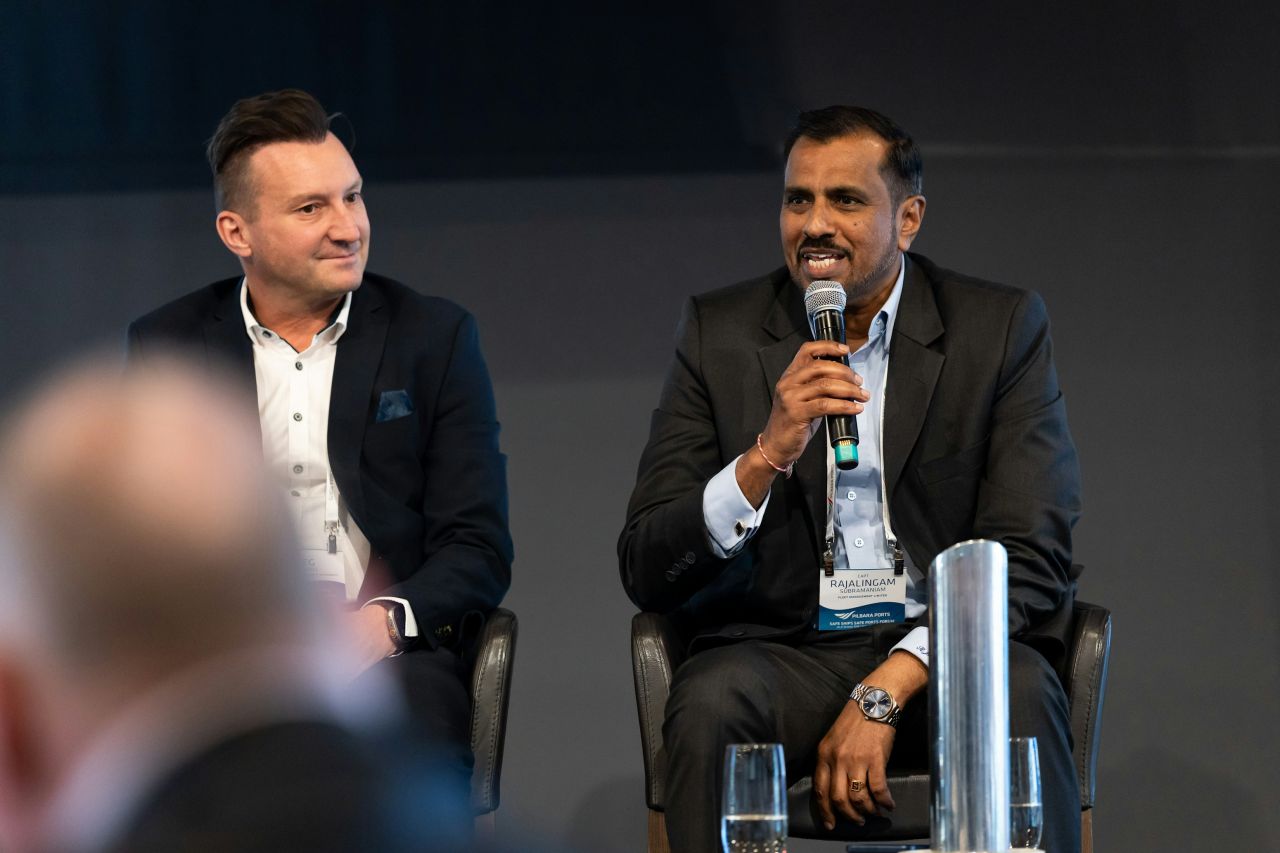
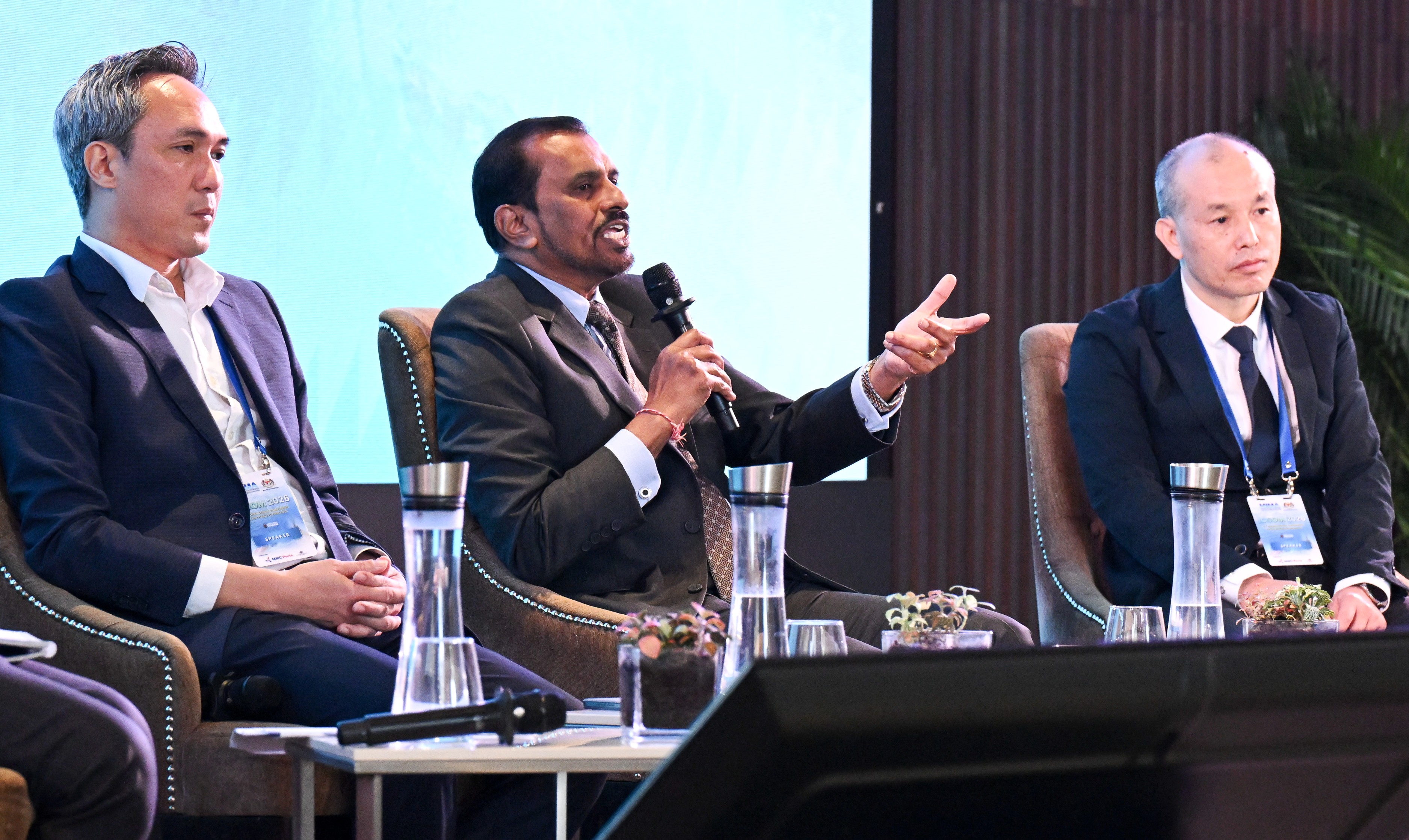
"The industry has rightly placed greater emphasis on the human element of safety. Strong systems remain important, but safe operations also depend on people feeling comfortable reporting concerns and knowing they will be heard. These measures help create that environment onboard."
Capt. Sathya Mandravanan, Product Director, QHSE
Keeping Vessels Safe and Compliant
These initiatives form part of Fleet's broader commitment to continuous improvement across safety, compliance and operational performance. Visible leadership, open communication and timely intervention are among the most effective tools for preventing harm and strengthening safety culture across the fleet.
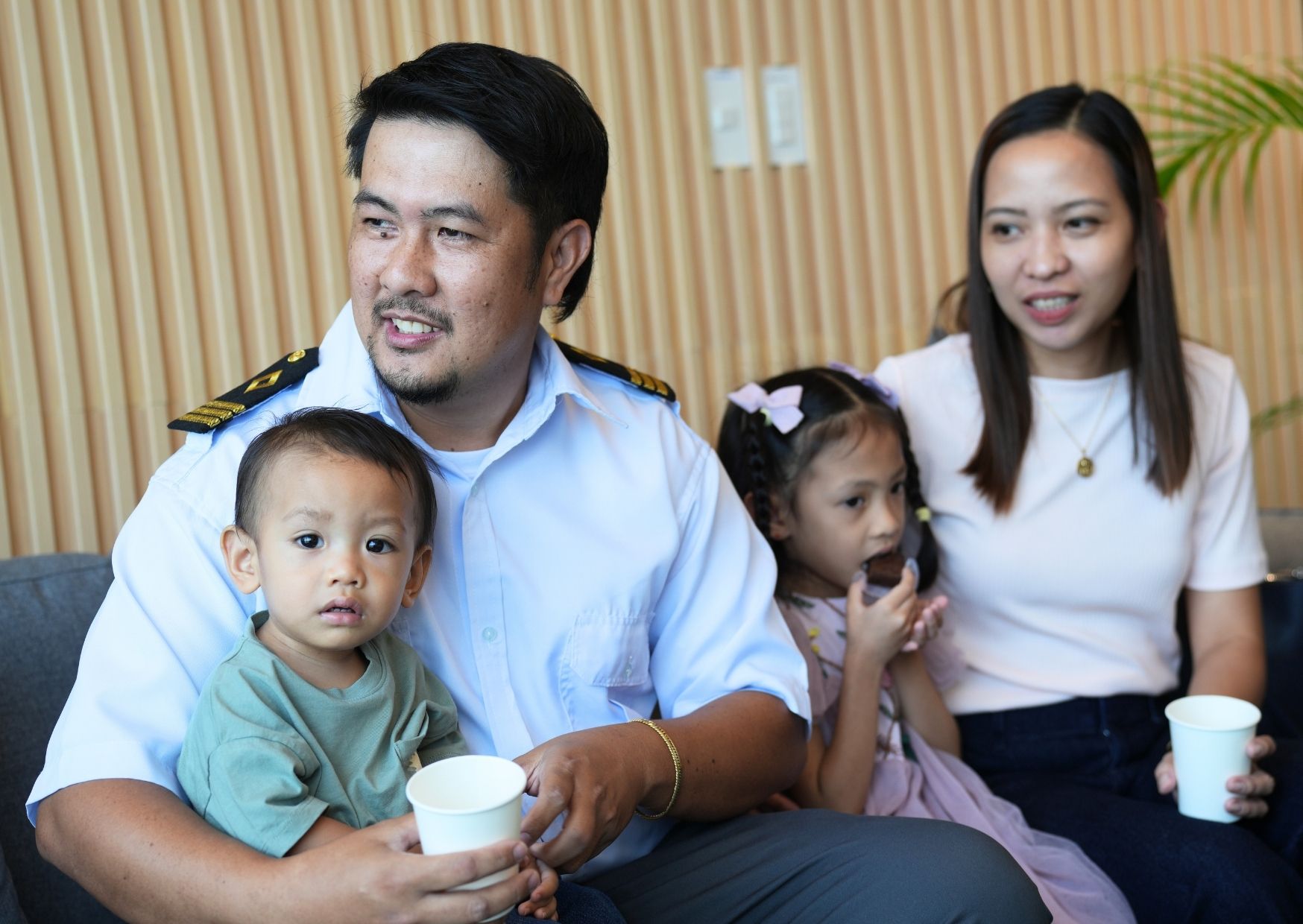
By strengthening the role of safety officers across the fleet, Fleet Management is continuing to invest in the people, systems and behaviours that help keep vessels operating safely, efficiently and reliably. Every concern raised early helps safeguard lives, protect customers' assets and support the reliable operations they depend on.


.png)
.jpeg)
.jpeg)


.jpeg)
.png)

.jpeg)

.jpeg)
.jpeg)
.jpeg)
.jpeg)

.jpg)

%20(1).jpeg)

.jpeg)
.jpeg)


.jpeg)



.png)




-min.png)





.svg)