Trainers at Fleet Management Training Institute (FMTI) share how practical learning, technology and continuous development help seafarers build the competence and judgement required at sea.
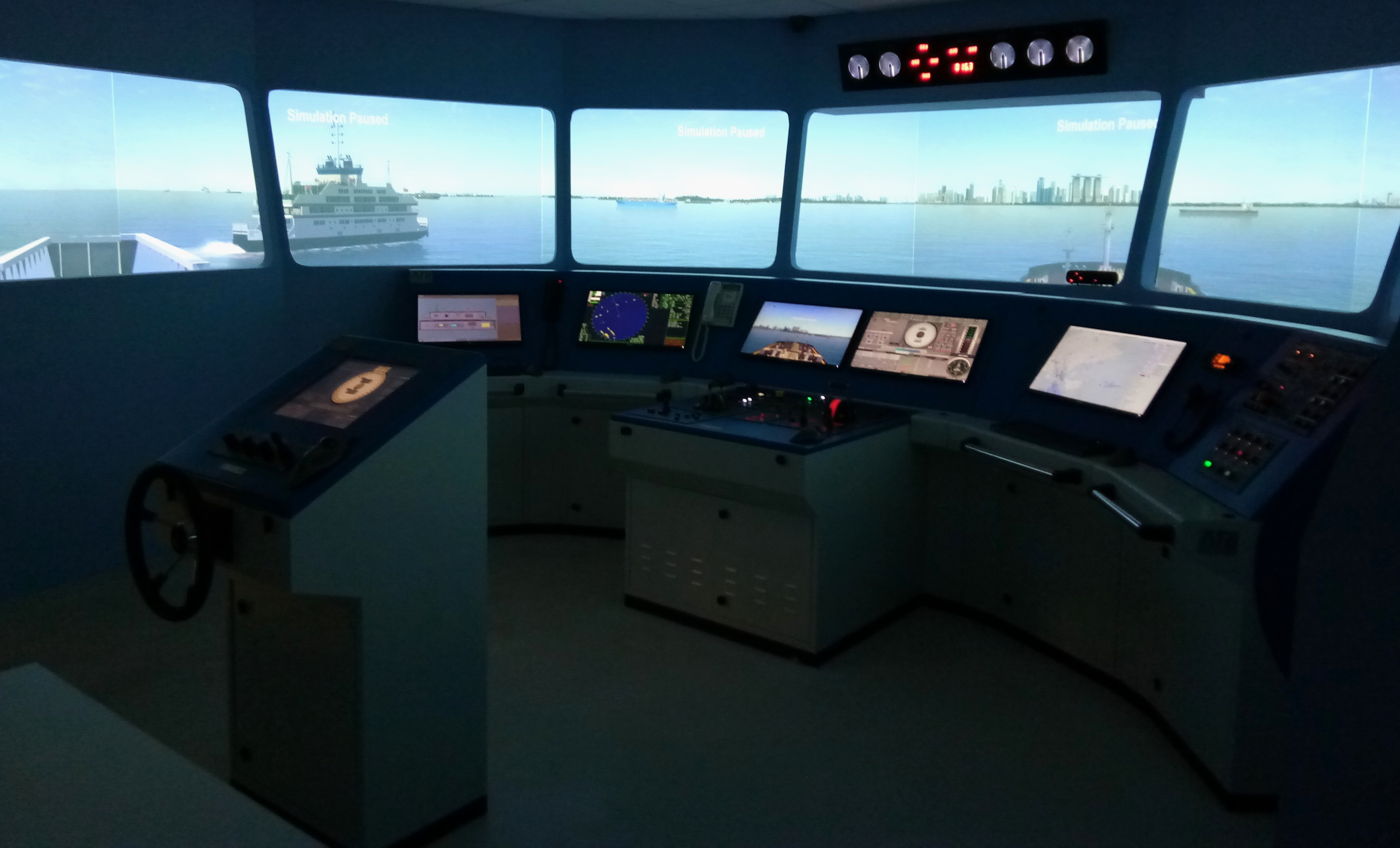
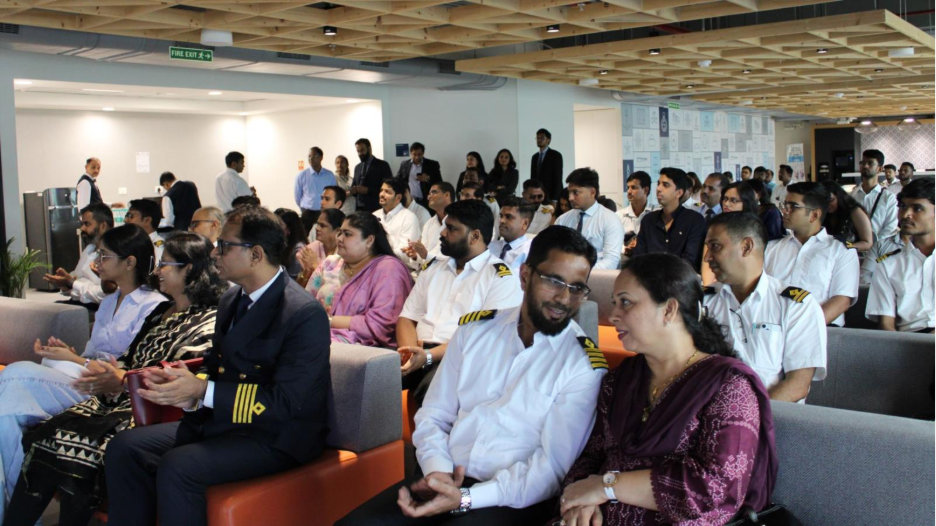
At FMTI, our trainers bring years of maritime experience into the learning environment. Through case studies, simulators, practical exercises and mentoring, they help seafarers understand not only what to do, but why it matters and how to respond when conditions change.
This approach connects practical learning with the realities of modern shipping. It prepares seafarers to manage evolving technology, make well-founded decisions and contribute to safe voyages and reliable vessel performance.
Turning knowledge into competence
Technical knowledge provides the foundation. Competence is the ability to apply that knowledge safely and consistently.
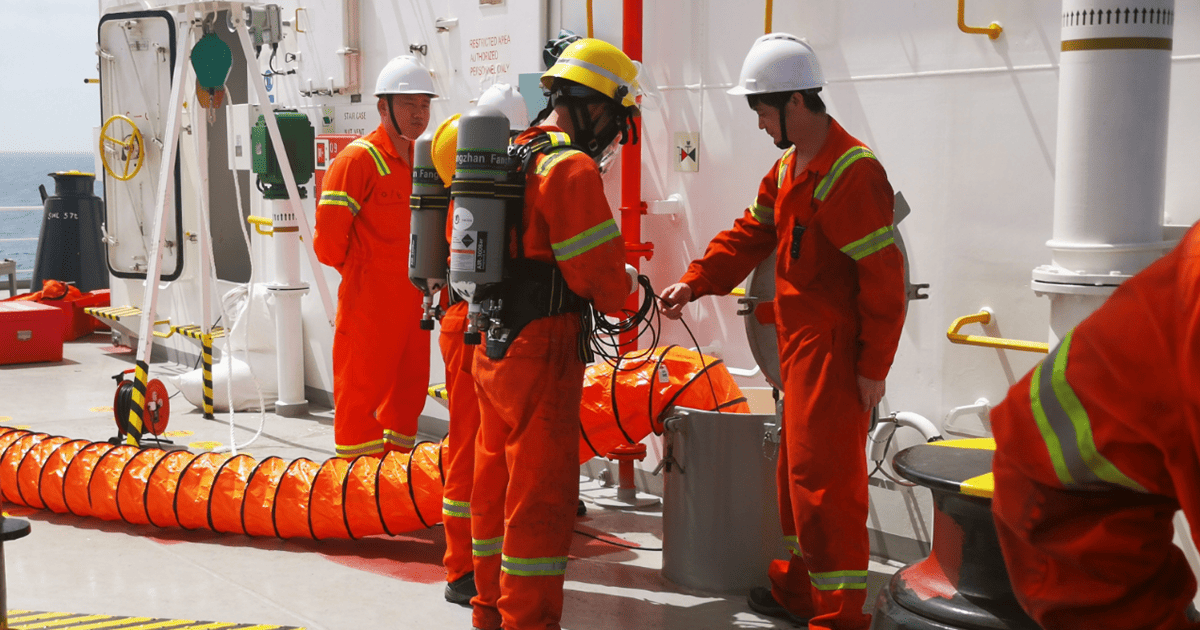
Our trainers use case studies, simulators and practical exercises to recreate situations that seafarers may face onboard. Learners explore not only what a procedure requires, but also why it matters and what could happen if circumstances change.
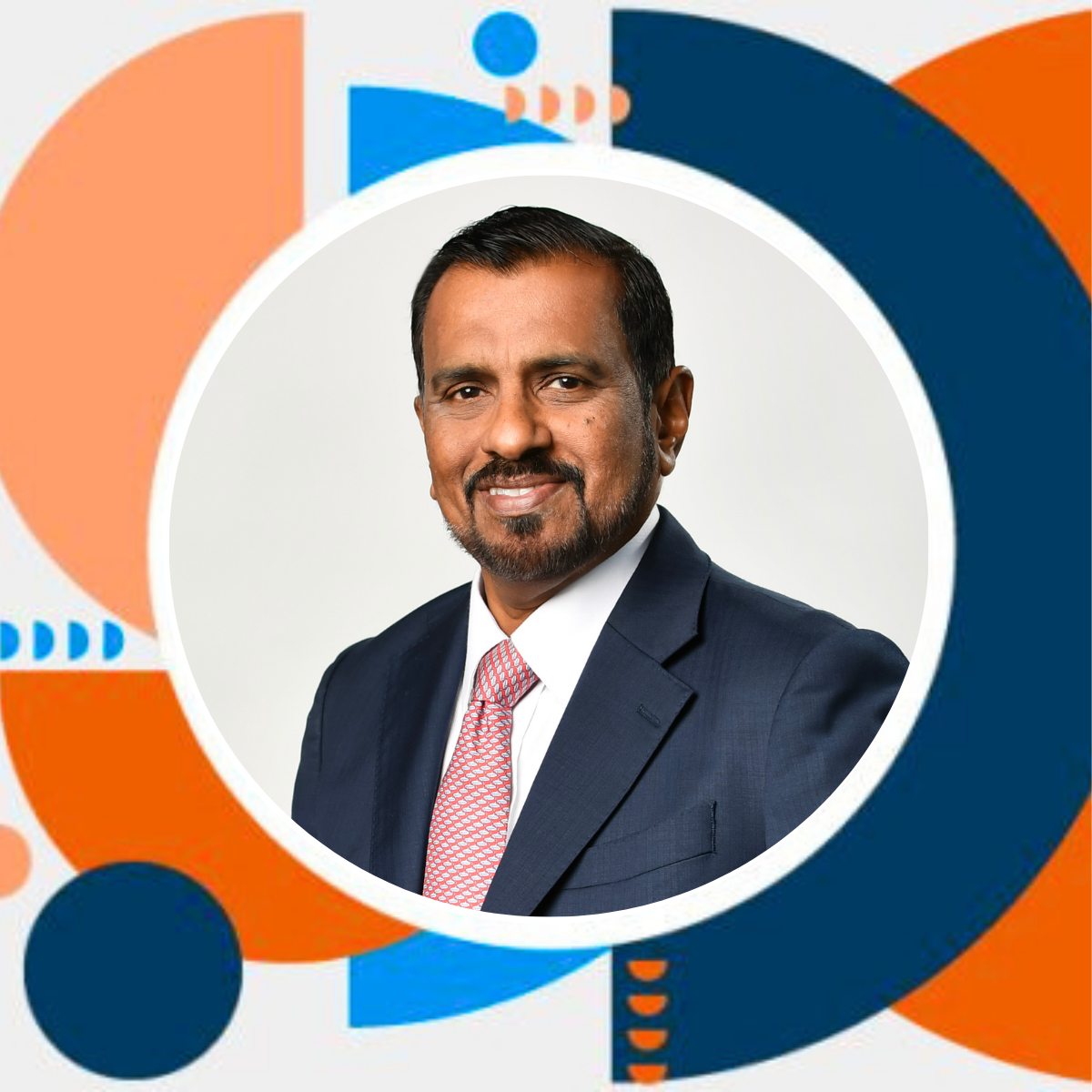
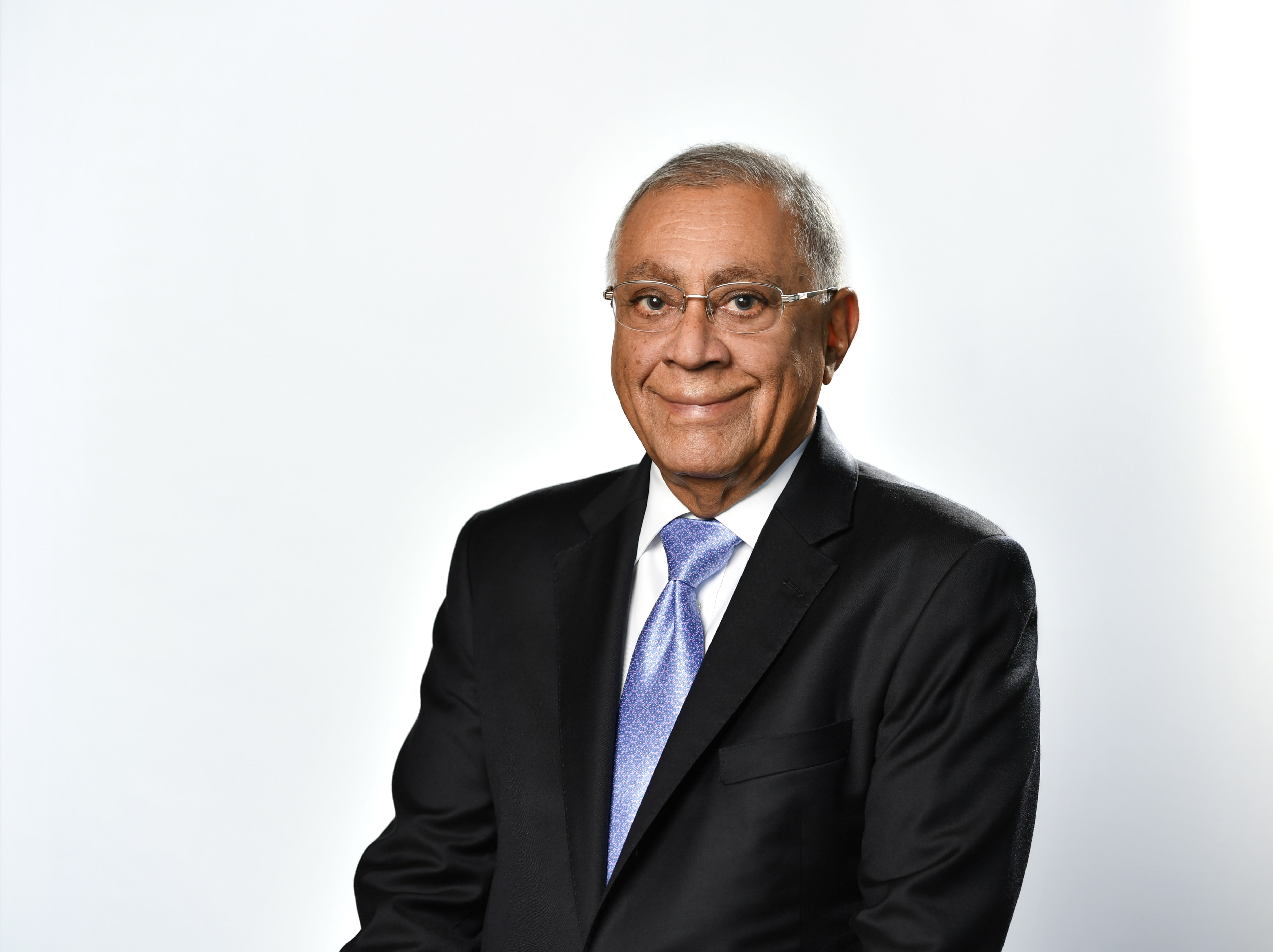
“FMTI combines maritime expertise with practical learning through case studies, simulators and hands-on training. By continually developing our courses and staying connected with vessels and technical teams, we prepare competent, confident and adaptable seafarers who can make sound decisions at sea.”
- Capt. Viraf Chichgar, General Manager, FMTI
This approach gives seafarers space to practise, ask questions and learn from mistakes. It helps them build the confidence to act calmly when responsibility becomes real.
Preparing for changing vessels
Vessel technology continues to develop. Modern engines, dual-fuel and alternative-fuel systems, ECDIS and other shipboard technologies are changing the skills seafarers need.
Training methods are developing alongside them. Physical and cloud-based simulators, virtual environments and digital learning can reproduce complex operating conditions in a controlled setting.
Technology is a valuable tool, but it is not the final outcome. A simulator can recreate an operational situation. A trainer helps the learner understand it, assess the risks and consider the consequences of each decision.
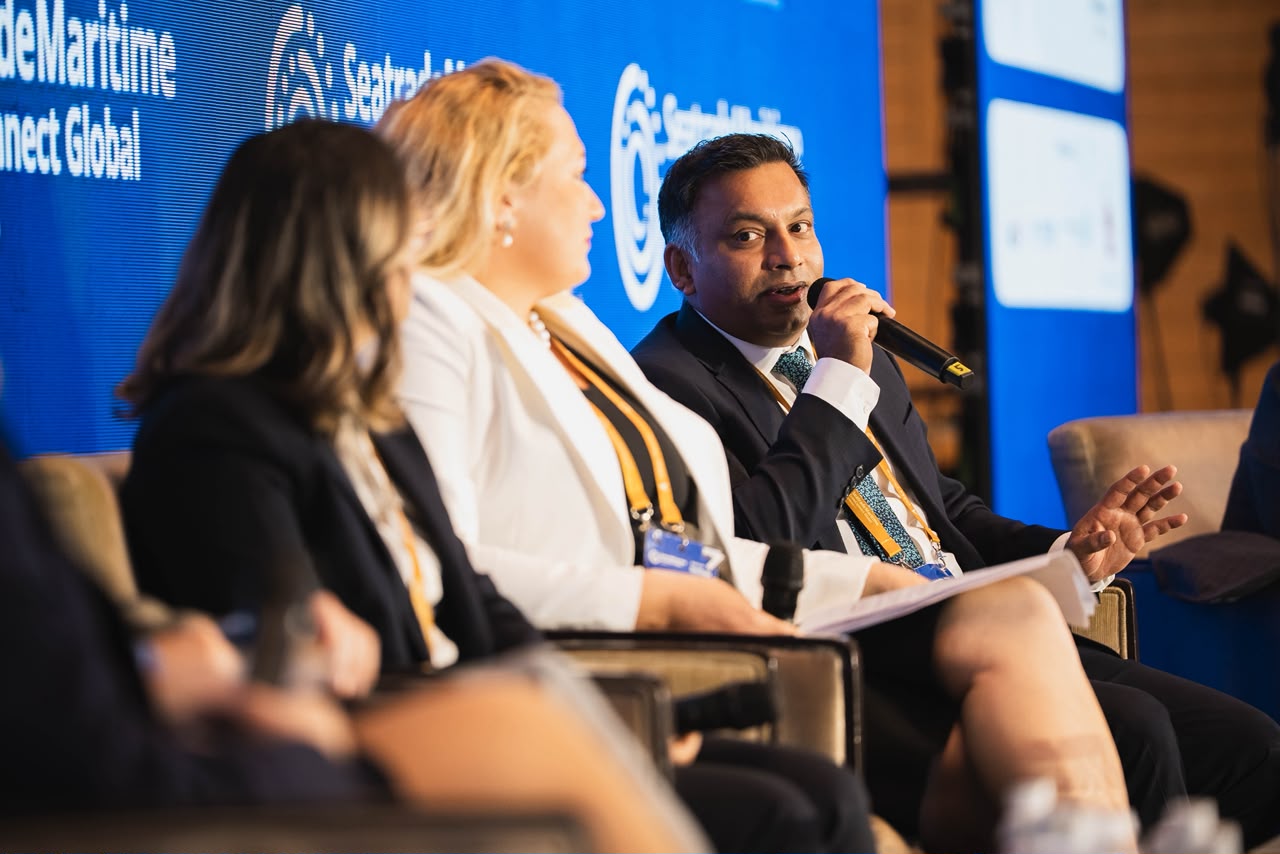
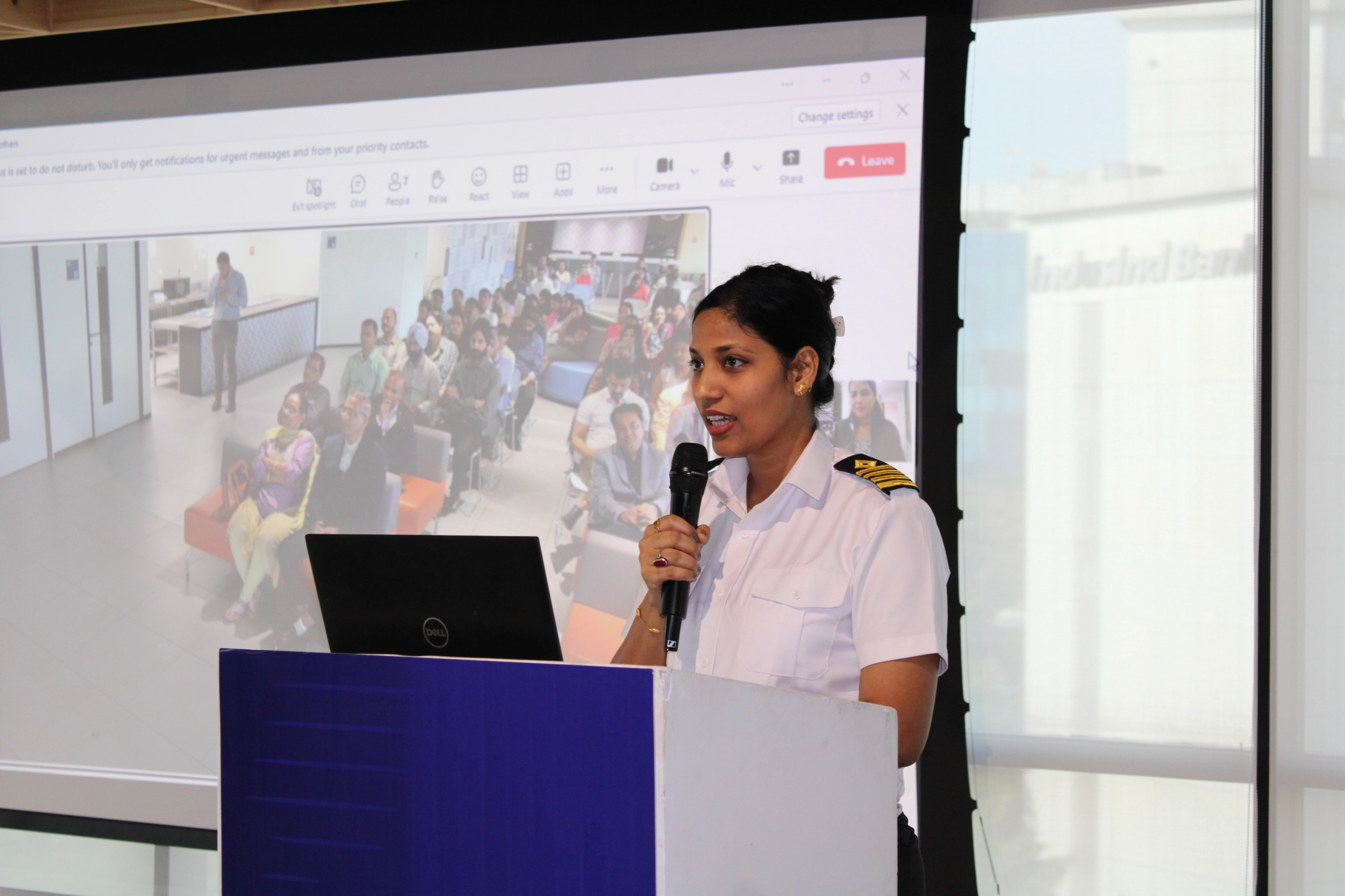
“Maritime training is becoming more technology-led and competency-based. Through updated courses, practical troubleshooting, simulators, virtual reality and exposure to evolving vessel technologies, FMTI helps seafarers assess information critically and turn their knowledge into safe, effective action onboard.”
- Mandeep Singh and Ankur Gupta, Trainers, FMTI
Used well, these tools help seafarers prepare for new systems without losing sight of safe working practices and sound seamanship.
Different learners, one standard
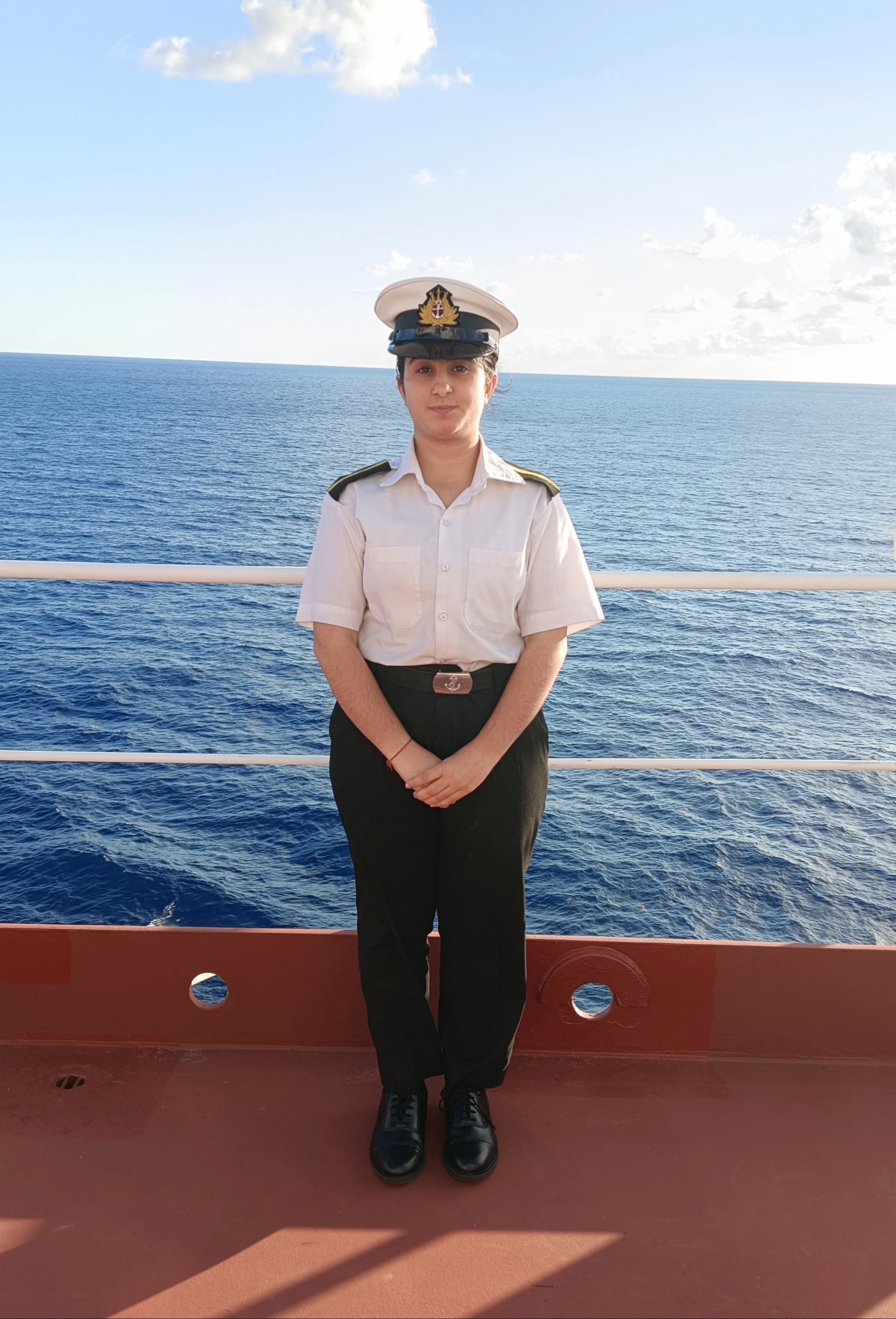
Learning continues throughout a seafarer’s career. A cadet building professional foundations has different needs from a senior officer strengthening an existing competency. Effective training recognises those differences while maintaining the same clear standard of safe performance.
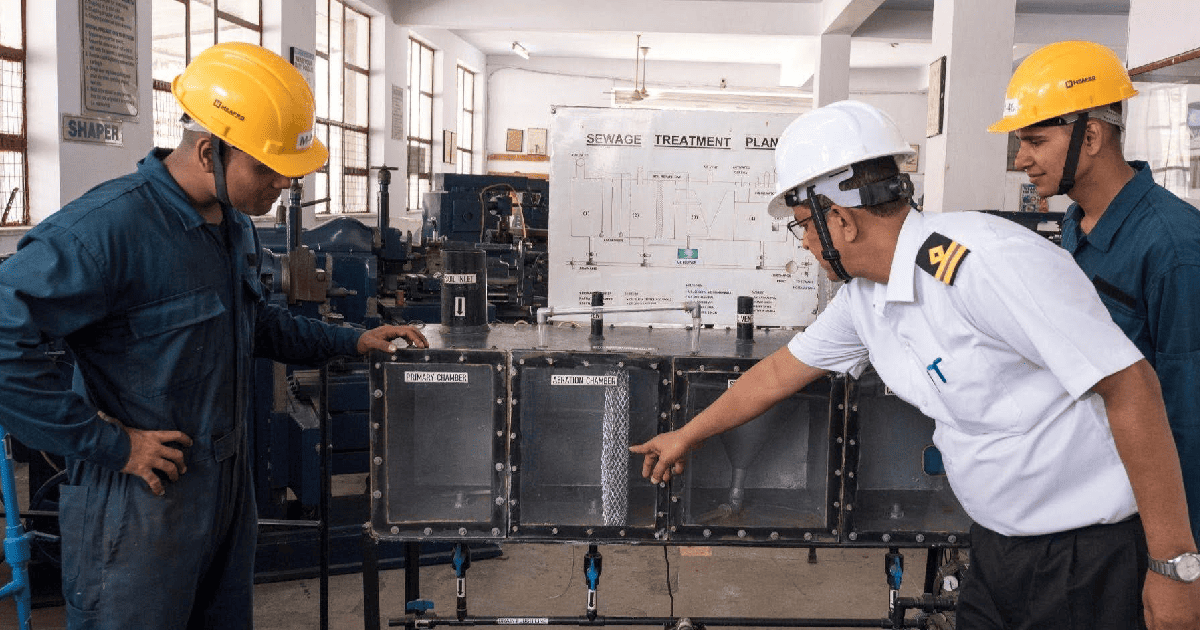
Workshops, maintenance exercises, simulation, discussion and mentoring allow our trainers to adapt their approach. Each method connects training with the learner’s experience and onboard responsibilities.
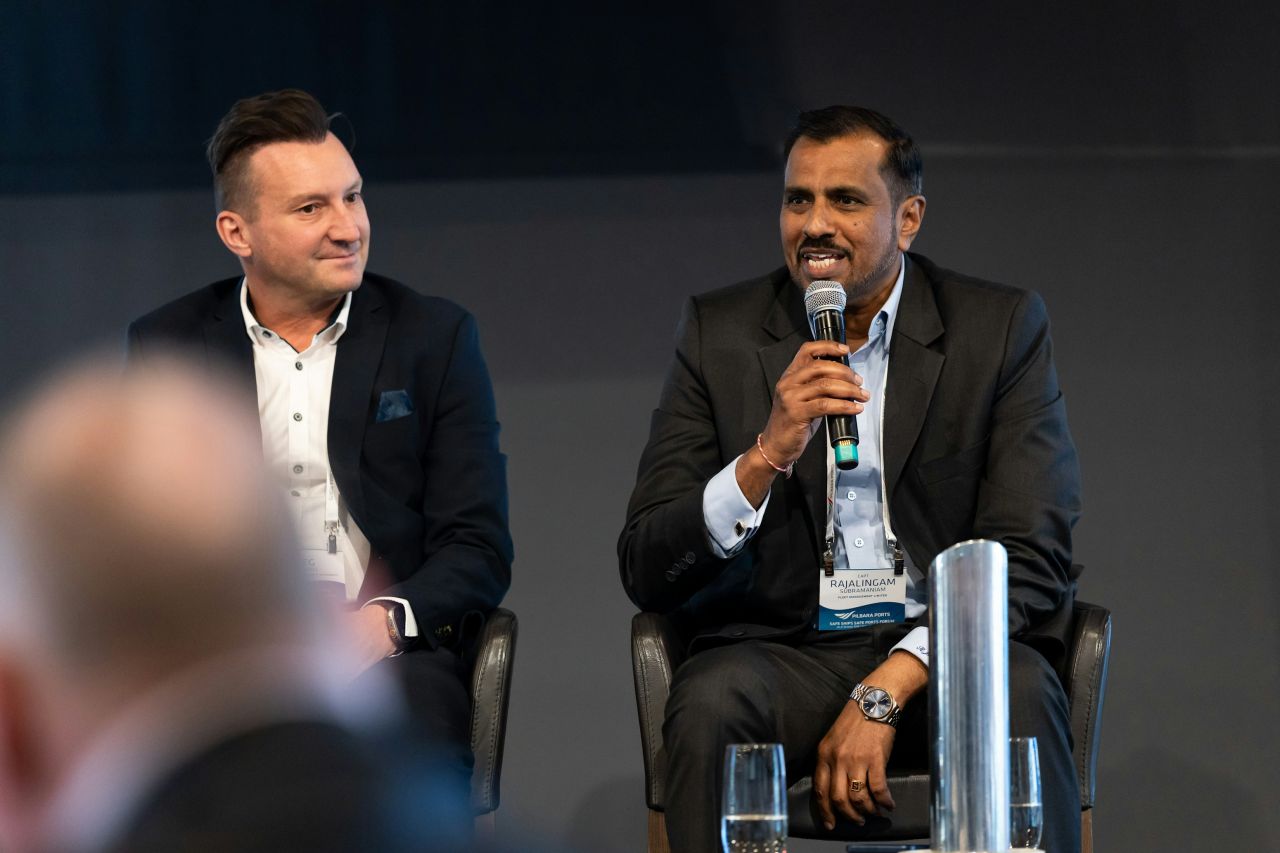
“Effective maritime training must be practical, flexible and centred on the learner. Whether they are cadets or senior officers, seafarers progress when classroom concepts connect with onboard responsibilities through workshops, simulation, discussion and mentoring.”
- Capt. Vinod Suryavanshi and Capt. Raj Kumar Singh, Trainers, FMTI
The aim remains consistent at every career stage: to help seafarers apply their knowledge safely, confidently and reliably at sea.
Learning is a shared responsibility
Our trainers provide knowledge, guidance and opportunities to practise. Seafarers must take ownership of their continued development.
Strong learners are not defined by marks or experience alone. They are curious, disciplined and open to feedback. They ask questions, reflect on mistakes and adapt as vessels, regulations and responsibilities change.
“Great learners are defined not only by marks or experience, but by curiosity, discipline and ownership of their development. They ask questions, welcome feedback, learn from mistakes and remain open to change.”
- David D'Sylva, Trainer, FMTI
These habits support teamwork and sound judgement. They also prepare seafarers to accept greater responsibility as their careers progress.
Turning training into trusted performance
Shipowners and ship managers place significant trust in the people who operate and care for their vessels.
The value of training becomes clear when competence developed onshore leads to dependable performance onboard. A well-prepared seafarer is better able to identify hazards, control risk and respond effectively when conditions change.
“FMTI connects theory, regulations and maritime experience with practical capability. Case studies, simulator scenarios and hands-on learning help seafarers understand what to do, why it matters and how to do it safely.”
- David D'Sylva and P K Nair, Trainers, FMTI
This connection between learning and action supports safe voyages and reliable uptime. It also helps us care for customers’ assets as if they were our own.
The people behind the learning
Vessels will continue to evolve. Training technology will develop, and the competencies expected of seafarers will change.
Maritime training, however, remains fundamentally human.
Our trainers connect theory with practice and technology with understanding. They share lessons built over years at sea and help the next generation develop its own judgement.
Their influence extends beyond the classroom. It can be seen in the decisions seafarers make, the standards they maintain and the care they show for one another and their vessels.

.png)
.jpeg)
.jpeg)
.jpeg)
.png)
.jpeg)
.jpeg)
.jpeg)
.png)
.jpeg)
.jpeg)

.jpg)
%20(1).jpeg)

.jpeg)
.jpeg)

.jpeg)


.png)



-min.png)





.svg)