Environmental regulations and fuel pathways continue to paint a patchwork picture, but investment decisions cannot wait. The challenge is deciding where to invest, when to invest and how to avoid making the wrong bet. Fleet Management helps shipowners make confident decisions today while keeping options open for tomorrow.

Supporting Shipowners Through the Transition
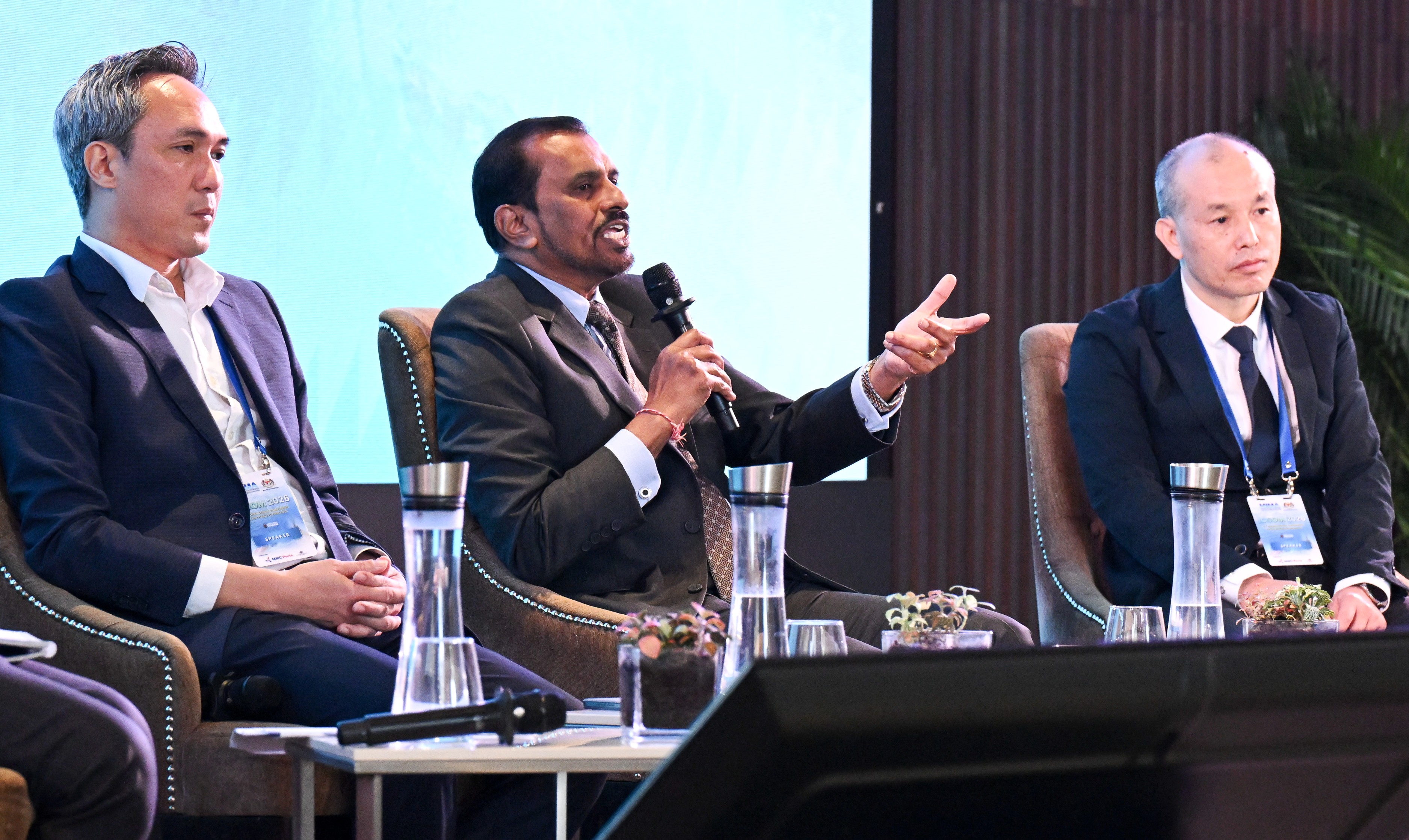
Across the industry, shipowners face increasing pressure from evolving regulations, expanding reporting requirements and growing expectations around environmental performance. Recent developments, from FuelEU Maritime and EU ETS implementation to continuing debate around the IMO Net-Zero Framework and green fuel incentives, illustrate how much uncertainty remains around the industry's decarbonisation pathway.
Few shipowners question the direction of travel. The challenge is deciding how to get there.
Important questions remain unanswered. Which fuel pathways will achieve widespread adoption? How will carbon pricing mechanisms develop? Which technologies will deliver the strongest long-term returns? And how quickly will global and regional regulations converge?
Uncertainty creates both risk and opportunity.
Decisions made today on vessel upgrades, energy-saving technologies, fuel readiness and future investments could influence operating costs, commercial eligibility and asset competitiveness for decades. Move too slowly and compliance risks increase. Move too quickly and capital can be tied up in technologies that may not ultimately succeed.
Different vessel types, trades and investment horizons require different approaches. Many shipowners are focusing on practical steps that improve performance today while preserving flexibility for tomorrow.
Investing Today to Stay Competitive Tomorrow
Against a backdrop of uncertainty, retrofitting and efficiency measures can deliver immediate and measurable returns.
Energy-saving devices, retrofit projects and operational efficiency improvements can reduce fuel consumption, lower operating costs and improve emissions performance. These steady investments create value today while helping shipowners remain flexible as future fuel pathways continue to evolve.
This approach is already being deployed by customers across Fleet Management's managed fleet, and the impact is visible in the cumulative results published in the Encompass Responsibility Report 2025.
Against the IMO's 2008 baseline, emissions intensity has been reduced by 42%, while 74% of vessels under management have been equipped with energy-saving devices, with full coverage targeted by 2030.
The benefits extend beyond compliance. Reduced fuel consumption lowers operating costs, supports environmental performance and can increase operational flexibility by reducing bunkering requirements. For many shipowners, these practical investments represent one of the clearest opportunities to improve both emissions performance and commercial competitiveness. Every efficiency gain achieved today is progress.
Turning Compliance into Competitive Advantage
For many shipowners, the challenge is no longer understanding the regulations. It is staying ahead of them.
Measures such as FuelEU Maritime, EU ETS, EEXI and CII are increasing both reporting obligations and performance expectations. As performance data becomes more visible, shipowners can face increasing scrutiny from other parties than regulators. Environmental performance is increasingly a factor in decisions related to commercial eligibility, charterer confidence and asset valuations.
Fleet helps customers move from compliance management to performance management through PARIS, its proprietary technology platform.
PARIS provides real-time visibility into vessel performance, emissions and regulatory exposure. Its Carbon Intensity Indicator (CII) dashboard enables shipowners to monitor efficiency ratings, assess future projections and identify practical improvement measures before performance issues emerge.
Automated emissions monitoring and reporting tools help reduce administrative burden while supporting compliance with evolving environmental requirements.
The objective is not simply to satisfy reporting obligations. It is to give shipowners better information, earlier visibility and the opportunity to intervene before compliance or performance issues affect competitiveness.
Keeping Fuel Options Open
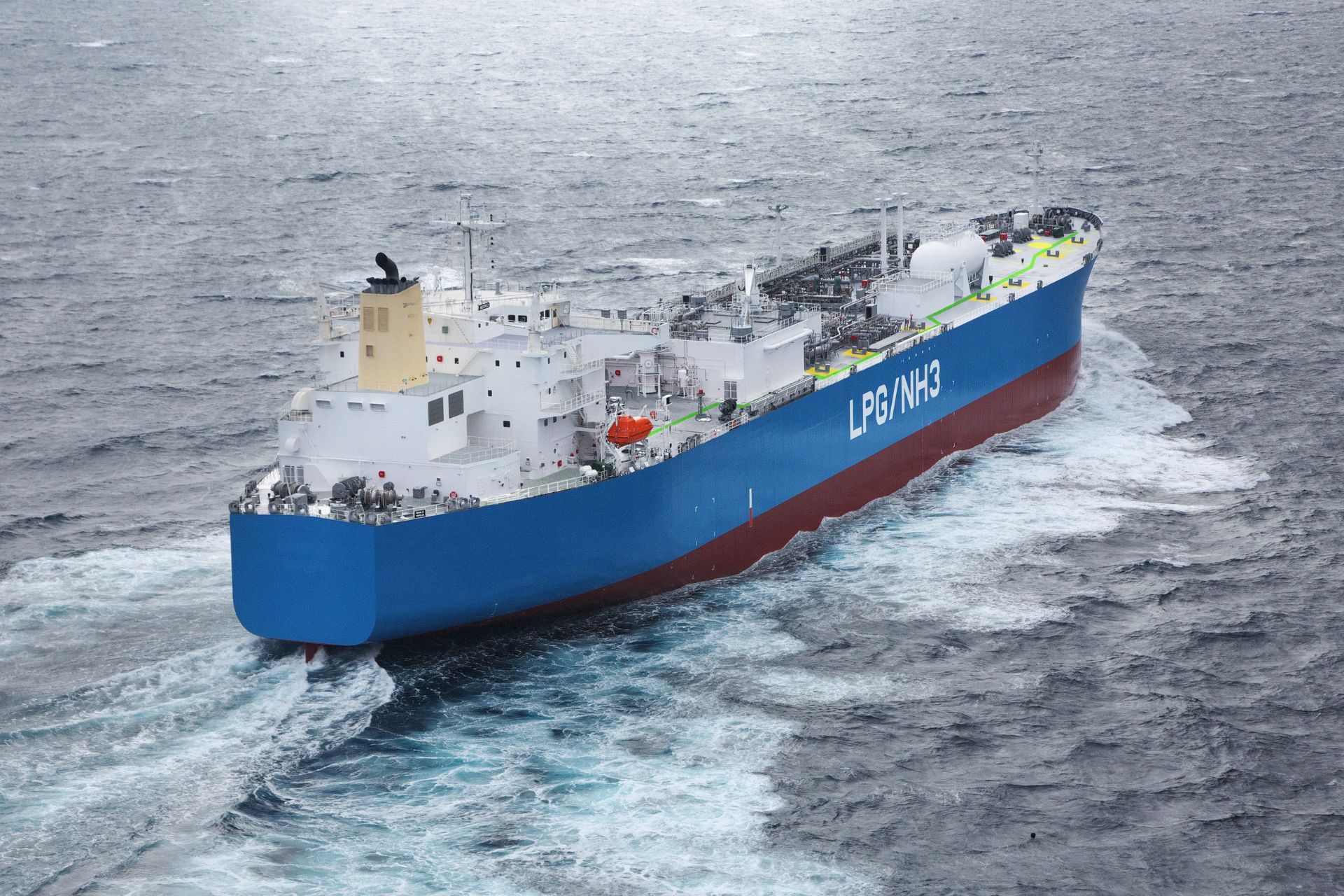
Fuel uncertainty remains one of the most significant strategic questions facing shipping. Methanol, ammonia, LNG, biofuels and synthetic fuels each present opportunities and challenges, compounded by important questions around infrastructure, availability, cost and regulation that continue to evolve at different speeds around the world.
While uncertainty remains, investment decisions do not go on pause. The growing adoption of dual-fuel vessels is one example reflecting a desire among many shipowners to preserve flexibility while fuel pathways continue to evolve.
Rather than betting on a single solution, Fleet supports shipowners and the wider industry through a pragmatic multi-fuel approach grounded in operational experience.
Fleet Management currently manages more than 30 dual-fuel vessels on the water today, while a growing proportion of the newbuilding projects under its supervision incorporate dual-fuel capability.
Elsewhere, the company is participating in trials involving wind-assisted propulsion, onboard carbon capture and alternative-fuel technologies to better understand how emerging solutions perform under real operating conditions and support the viability of future fuel pathways. These initiatives provide valuable operational insight while helping shipowners evaluate opportunities, assess risks and make informed decisions.
The goal is not to predict which pathway will prevail. The goal is to help shipowners remain prepared whichever pathway emerges.
Preparing the People Who Will Operate the Future Fleet
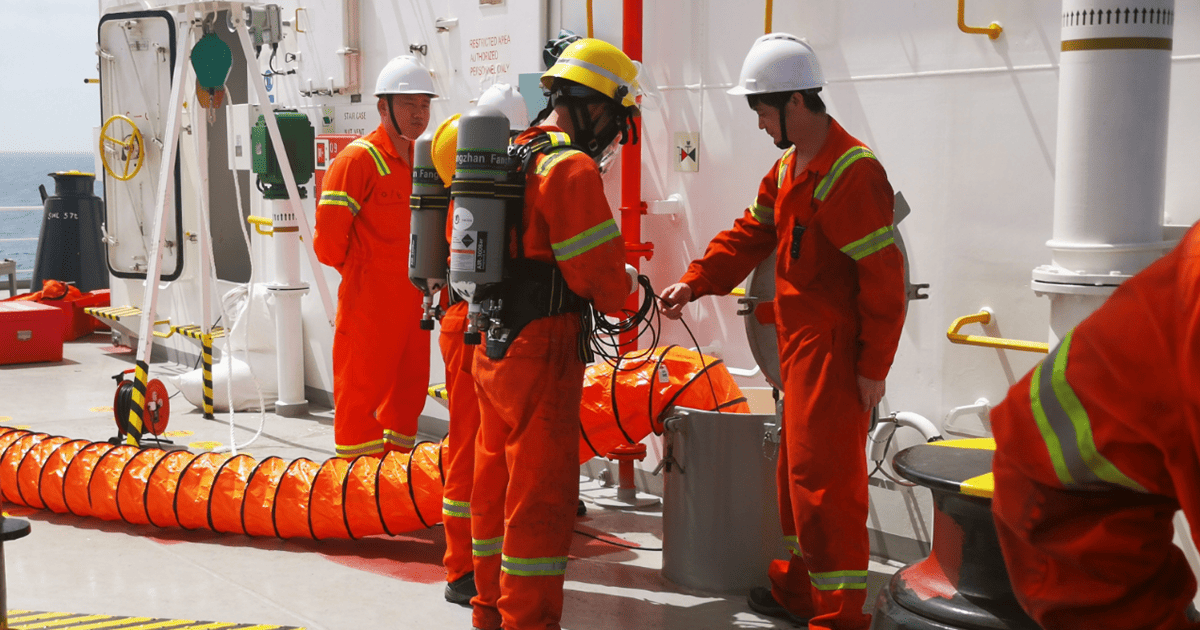
Fuel pathways, regulations and technologies may continue to evolve, yet every pathway ultimately depends on the people who will operate it. Whether the future is shaped by methanol, ammonia, LNG or technologies that have yet to emerge, success will depend on the people responsible for operating vessels safely and confidently.
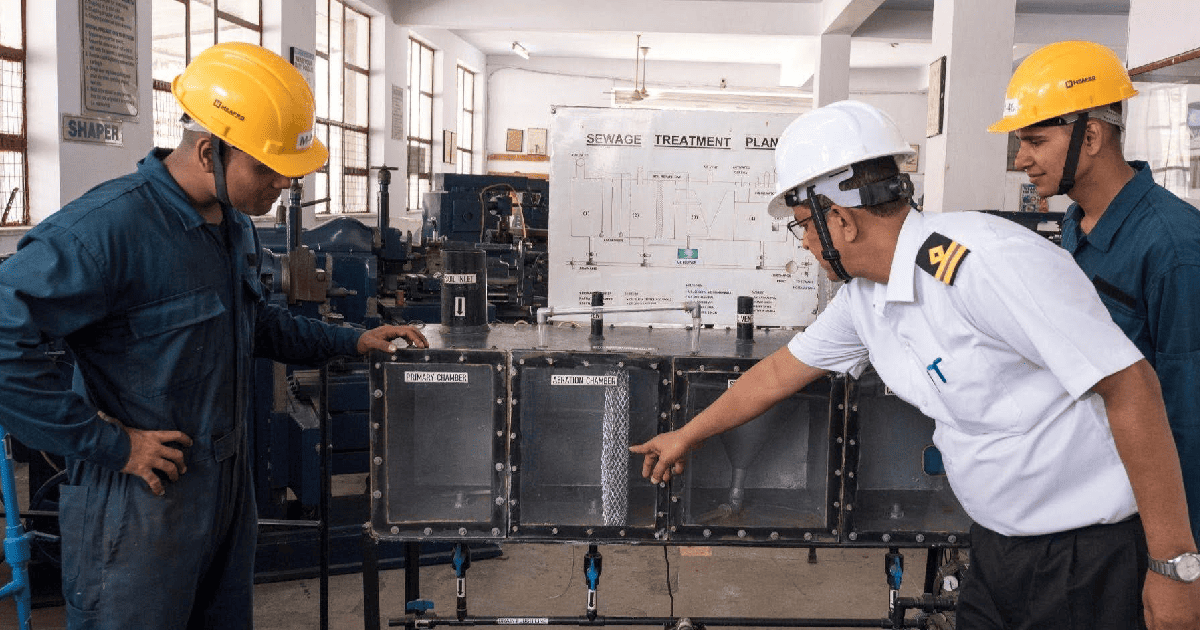
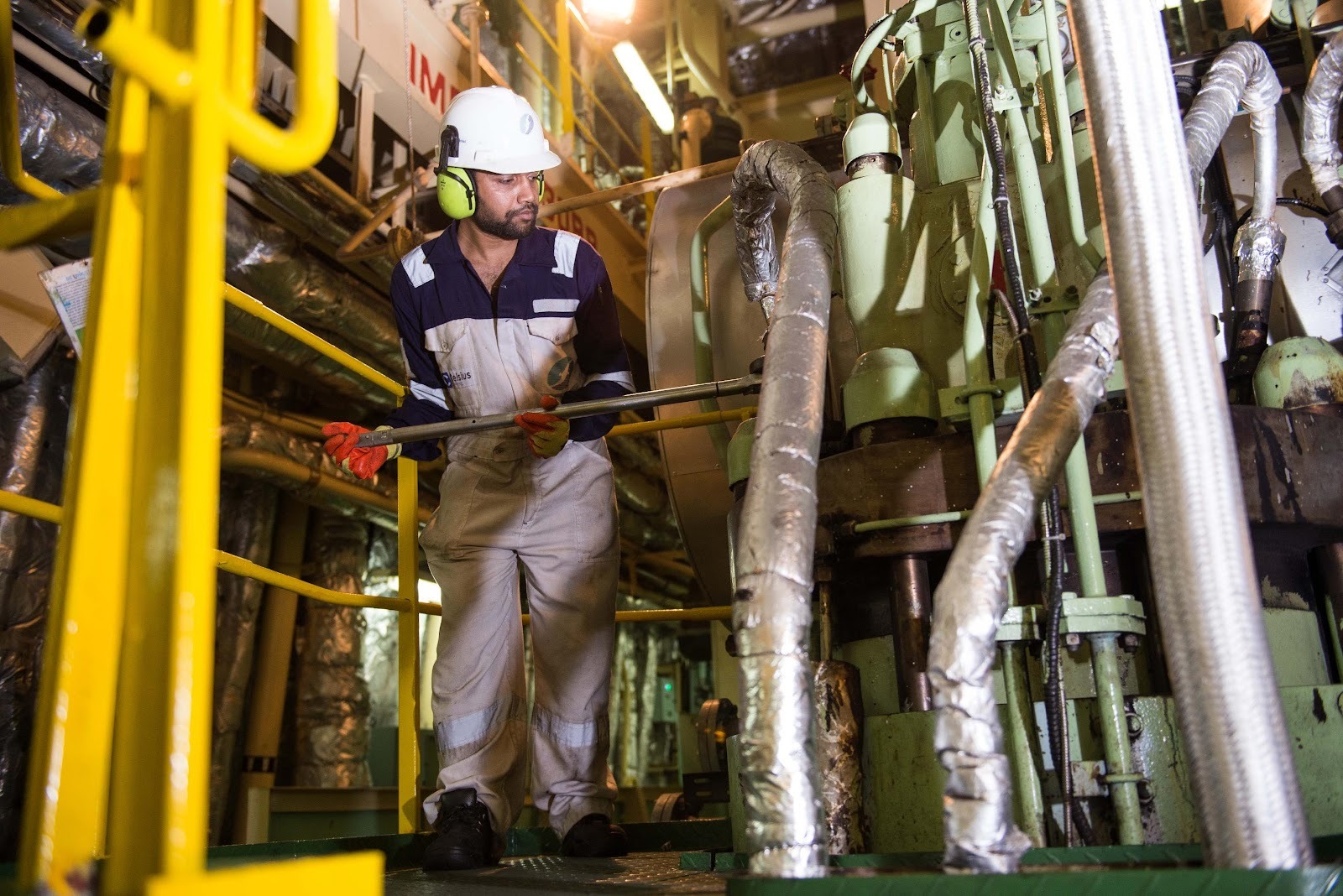
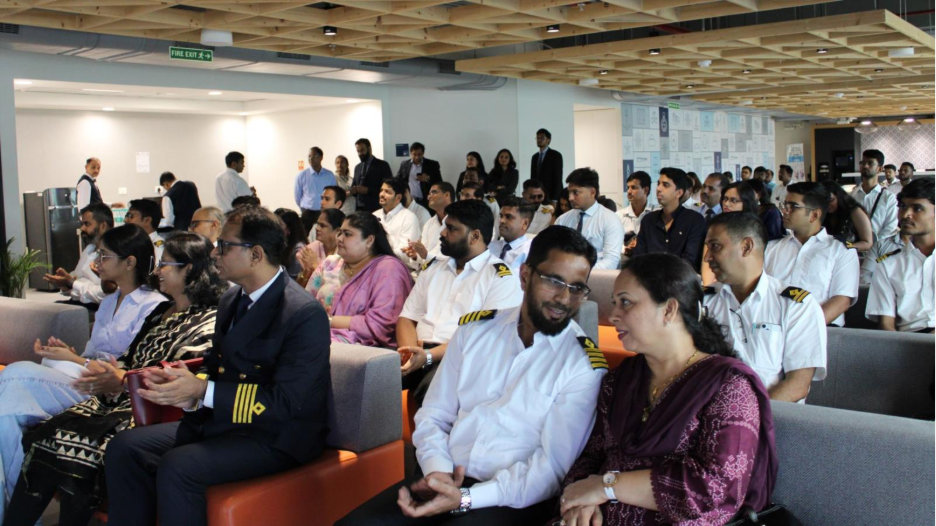
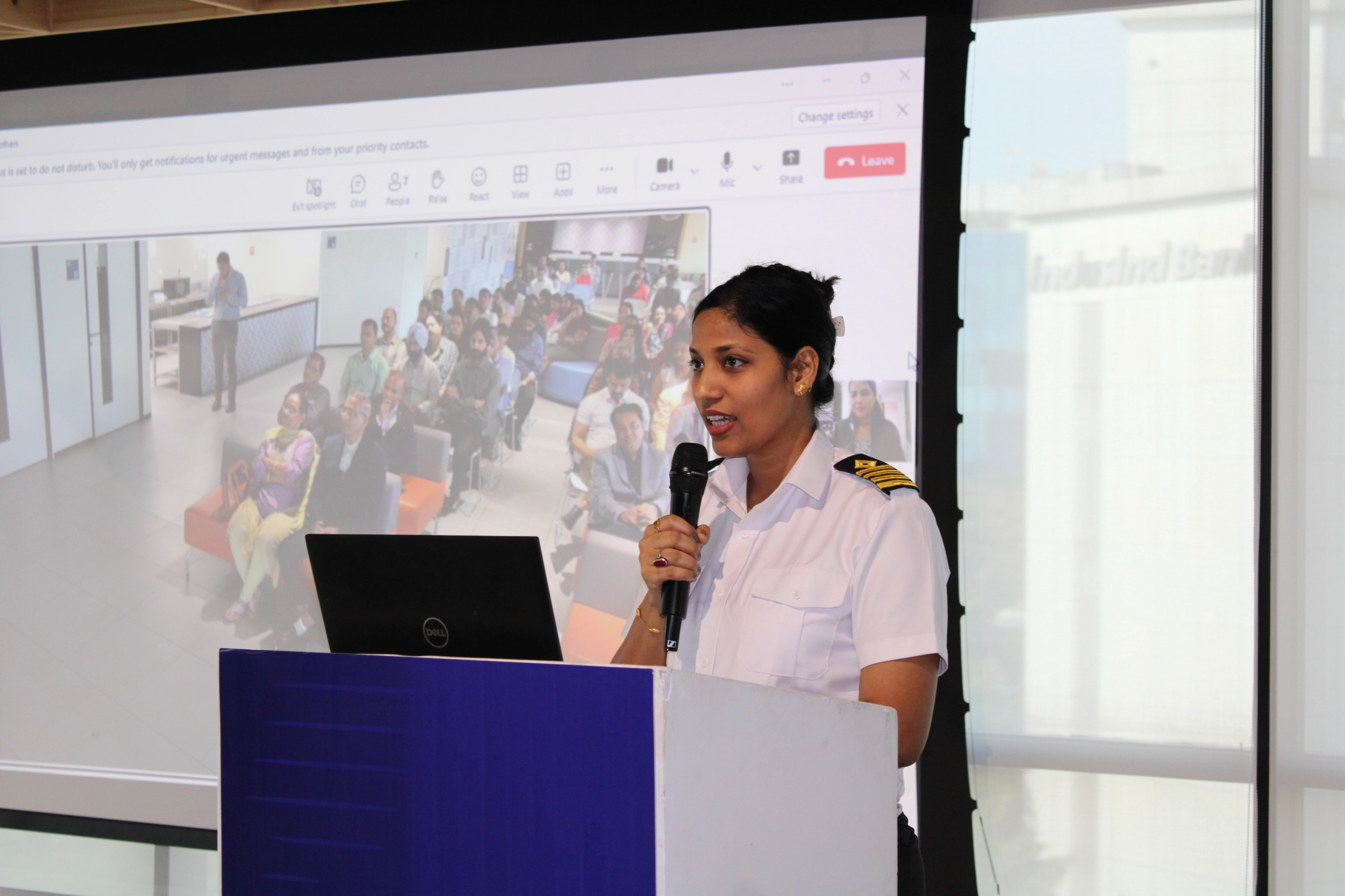
This is one reason workforce readiness is an increasingly important consideration for shipowners, and a principal focus for Fleet, which supports more than 27,000 seafarers alongside dedicated training institutions including Fleet Management Training Institute (FMTI) and International Maritime Institute (IMI).
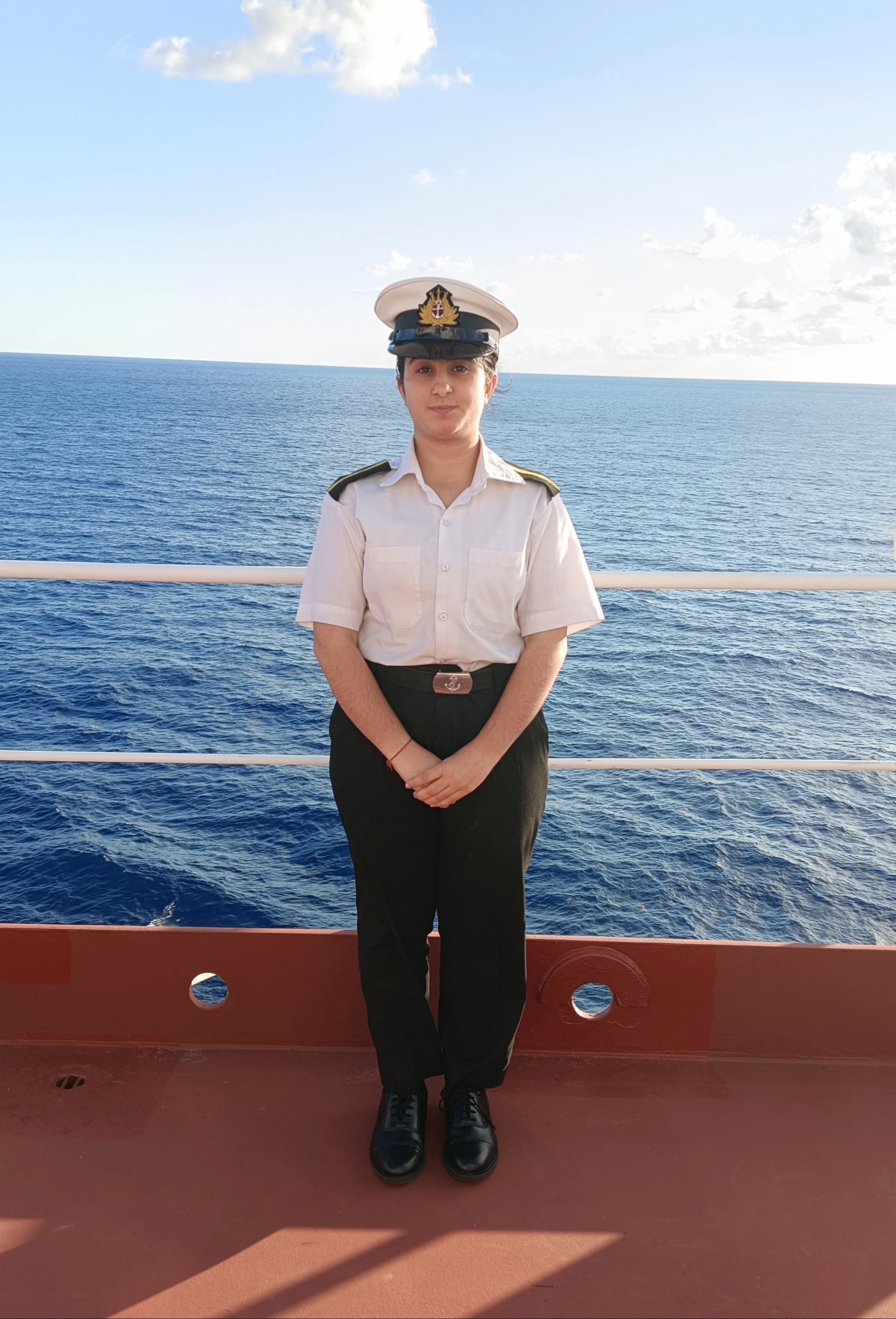
The company is not waiting for future fuels to arrive before preparing the talent pool to operate them. More than 1,750 seafarers and technical professionals have already completed training in dual-fuel and low-emission fuel operations. Each year, the FMTI supports the completion of more than 80,000 training certificates, while the IMI prepares approximately 500 cadets annually for careers at sea.
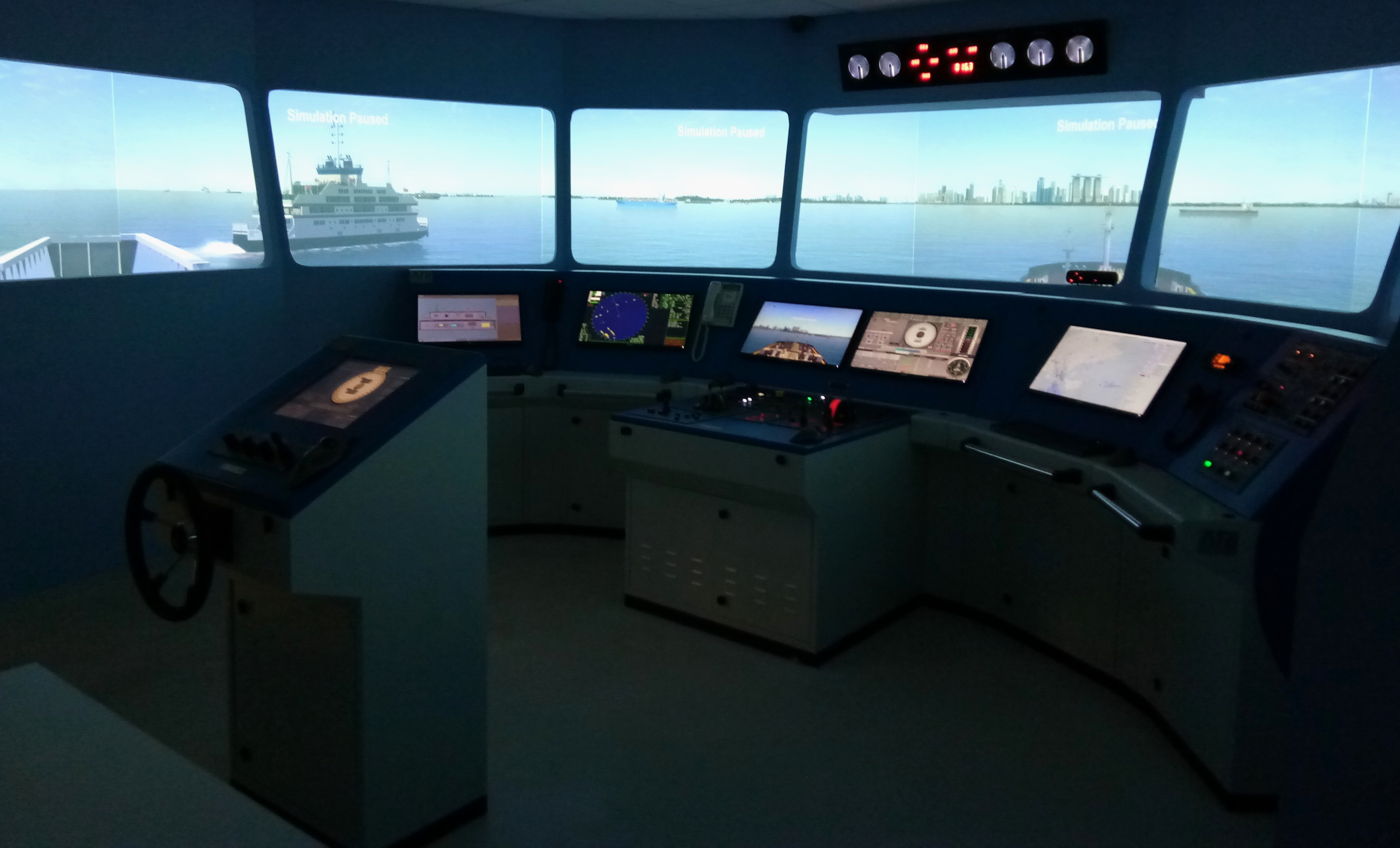
FMTI has developed ammonia familiarisation programmes, while IMI cadets are already training on alternative fuels using advanced simulators.
The experience gained through alternative-fuel vessels and emerging technology pilots continues to reinforce that successful adoption depends as much on workforce readiness as it does on the technology itself.
People remain Fleet's greatest strength and one of its most important advantages for shipowners. As partners evaluate long-term investment decisions, capability development is becoming an increasingly important part of future-fuel readiness. Those investments need to start now so that the pool of capable, confident crew is available as demand grows.
Helping Shipowners Make Better Decisions
The maritime energy transition will be shaped by millions of operational, commercial and investment decisions over the coming decades.
Shipowners may not be those who predict the future perfectly, but steps can be taken now to invest in areas which will create value today, as well as retain the flexibility to adapt as regulation, technology and fuel pathways evolve.
By combining regulatory insight, operational expertise, digital visibility, practical technology trials and long-term investment in people, Fleet helps shipowners make confident decarbonisation decisions that protect asset value while keeping options open for the future.


.jpeg)
.jpeg)

.jpeg)

.jpeg)

.jpeg)
.jpeg)
.png)
.jpeg)
.jpeg)
.jpg)

%20(1).jpeg)

.jpeg)

.jpeg)

.jpeg)



.png)




-min.png)





.svg)