Capt. Raja Subramaniam, Chief Executive Officer, Fleet Management, joined maritime leaders at the ICSOM Conference, hosted by the Maritime Institute of Malaysia, to discuss regional and global challenges affecting safe navigation in the Straits of Malacca.
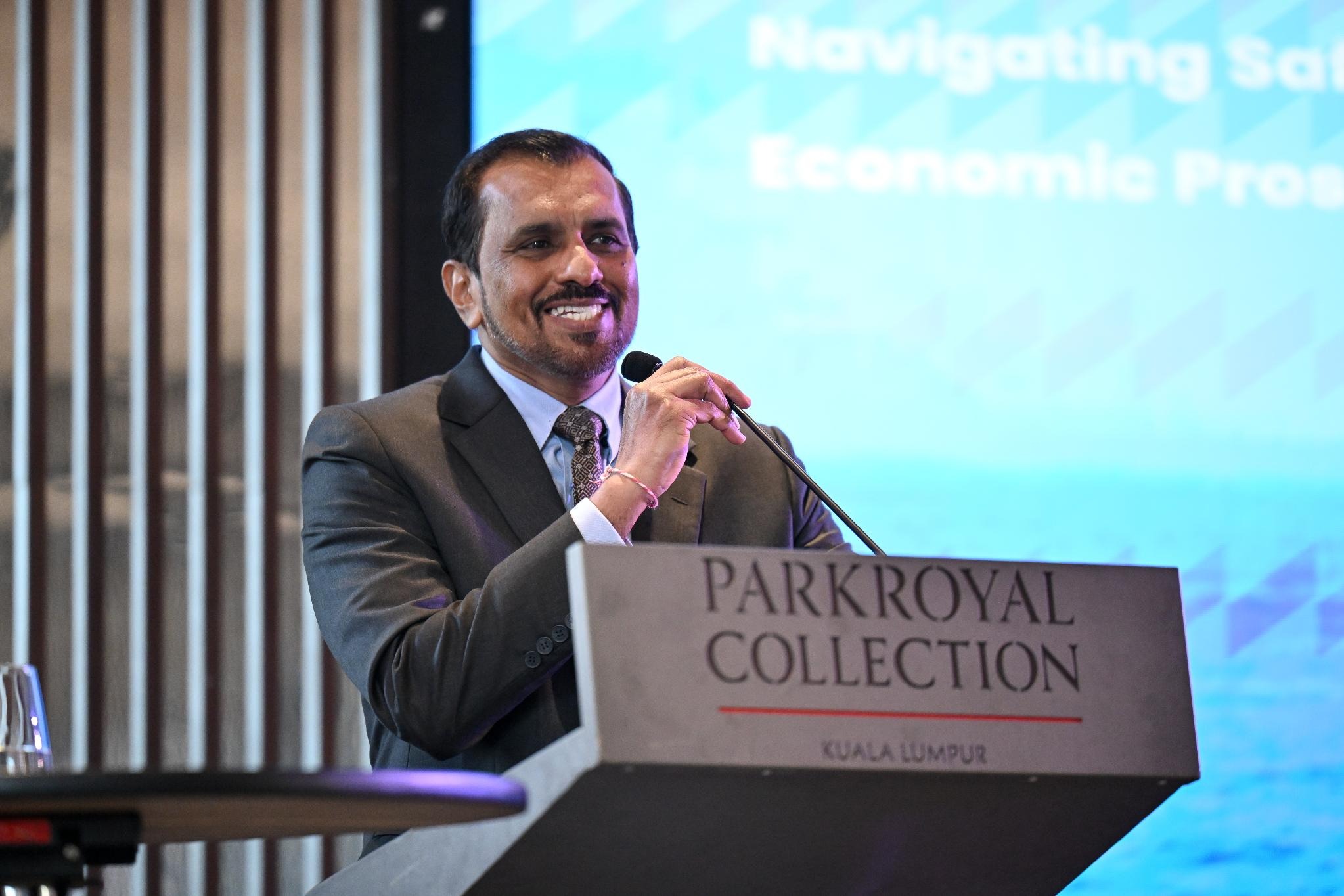
The conference focused on current and emerging challenges in navigational safety and environmental protection, and their importance to economic prosperity.
In the session "Regional and Global Challenges in Ensuring Safety of Navigation in the Straits of Malacca", Capt. Raja drew on recent disruption in the Strait of Hormuz to examine what those events mean for the Straits of Malacca and Singapore. His remarks focused on predictable navigation, regional cooperation and the protection of seafarers.
His central message reinforced that strategic waterways can no longer be taken for granted:
"Open sea lanes cannot be taken for granted."
What Hormuz Revealed
Drawing on recent events in and around the Strait of Hormuz, Capt. Raja argued that the disruption exposed the fragility of strategic maritime chokepoints and the speed at which local events can create global consequences.
The Strait of Hormuz stretches just 104 miles, yet recent developments demonstrated how quickly disruption in a single waterway can affect maritime operations, energy flows and international trade. During the crisis, vessel traffic declined sharply, insurance costs increased and operators were forced to reassess routing decisions and risk exposure.
The effects extended far beyond the region itself. Citing International Energy Agency analysis, Capt. Raja noted that diesel and gasoline prices remain around 30% higher than before the conflict, despite crude markets stabilising following the June interim agreement. Disruption elsewhere has had similar consequences, with Russian Black Sea grain exports falling 65% year-on-year in July, highlighting how instability in key waterways can affect food supply chains and economic activity around the world.
For Capt. Raja, these developments reflect the increasing prevalence and extent.
"We are witnessing a system-wide stress test for maritime leadership."
At the same time, he encouraged delegates not to lose sight of the people behind the headlines. At the height of the disruption, around 20,000 civilian seafarers were operating amid uncertainty and elevated risk, including approximately 600 Fleet-managed seafarers.
“These are not military personnel,” he noted. “They are civilians. They are the people who keep energy moving, goods flowing and supply chains functioning.”
The experience reinforced a central theme of his presentation: disruption in strategic waterways is rarely just a regional issue. The consequences extend across energy markets, supply chains and global trade, with seafarers often experiencing the effects first-hand.
Hormuz Highlighted Vulnerability. Malacca Demonstrates Cooperation.
While Hormuz exposed vulnerability, Capt. Raja argued that the Straits of Malacca and Singapore demonstrate what sustained cooperation can achieve.
The world around us is changing faster than ever before. Geopolitical tensions, conflicts, sanctions, changing trade routes and regulatory developments all create new challenges for shipping. While none of us can control global events, we can control how prepared we are to respond to them.
That is why resilience has become one of the most important qualities in the maritime industry.
Today, the Straits of Malacca and Singapore handle more than 100,000 vessel transits annually and support around 25% of global seaborne trade by volume. Their continued success relies not only on geography, but on collaboration between governments, industry and user states.
Just last week, Malaysia, Indonesia and Singapore reaffirmed that commitment through the 17th Co-operation Forum in Singapore.
As Capt. Raja told the conference:
"Hormuz highlighted vulnerability. Malacca demonstrates cooperation."
He praised the commitment shown by the three littoral states to keep the waterways free, open and safe, describing the Cooperative Mechanism as a practical example of what successful maritime cooperation looks like.
And for Capt. Raja, the lesson from recent events was clear:
"The difference is not geography. The difference is cooperation."
Cooperation Is a Strategic Asset
Capt. Raja argued that shipping depends on three foundations:
- Predictable rules
- Predictable access
- Predictable navigation rights
Without those foundations, confidence erodes and risk increases.
No single stakeholder can solve these challenges alone. Governments provide the framework, uphold international law and safeguard security. Industry contributes operational expertise and practical knowledge. User states support investment, cooperation and capacity building.
This approach is already visible in the Straits of Malacca and Singapore.
Since 2007, stakeholders have invested more than US$26 million in navigational safety initiatives, supporting more than 50 navigational aids, alongside information-sharing programmes, incident coordination mechanisms and maritime safety initiatives.
As Capt. Raja noted, this investment benefits not one company or one fleet, but the wider maritime community.
Leadership matters. Preparedness matters. And trust matters.
Predictability Supports Safe Operations
Shipping depends on predictable navigation.
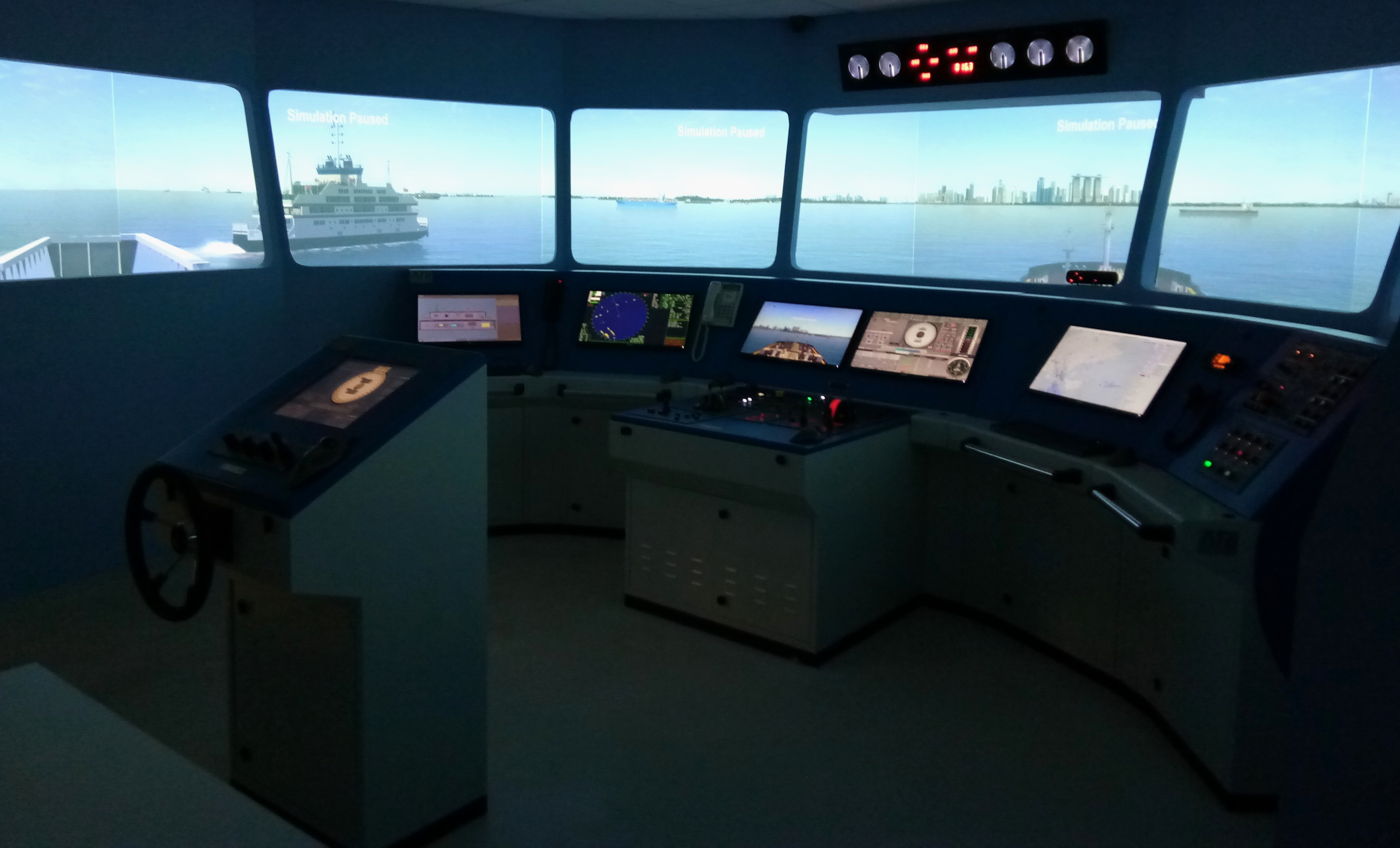
For shipowners and ship managers, preparedness means having clear escalation procedures, maintaining close ship-to-shore coordination and ensuring Masters have the authority and information needed to make safe decisions.
Fleet's approach starts before a vessel enters a congested or higher-risk waterway. Risk assessment, intelligence sharing and clear escalation protocols help crews and shore teams respond as circumstances evolve. This protects seafarers while supporting safe voyages, reliable uptime and care for customers' assets.
Technology also has an important role to play.
Digital tools, vessel monitoring systems and AI-enabled solutions can improve visibility, strengthen situational awareness and help identify risks earlier. However, their purpose should be to support human judgement, not replace it.
As Capt. Raja observed:
"Better visibility supports better decisions."
Three Lessons for the Future
Capt. Raja concluded by highlighting three priorities for keeping strategic waterways safe, secure and accessible.
First, freedom of navigation matters.
Freedom of navigation supports trade, energy security and economic prosperity. Hormuz reminded the world what happens when predictability disappears, while the Straits of Malacca and Singapore demonstrate what is possible when cooperation succeeds.
Second, cooperation must lead to practical action.
The Straits offer a practical example of what can be achieved when governments, industry and users work together. Not through declarations alone, but through investment and coordination.
Whether that means buoys, beacons, lighthouses, navigational aids, environmental protection measures or information-sharing frameworks, the lesson is the same.
"Shared waterways require shared responsibility."
Third, people must remain at the centre.
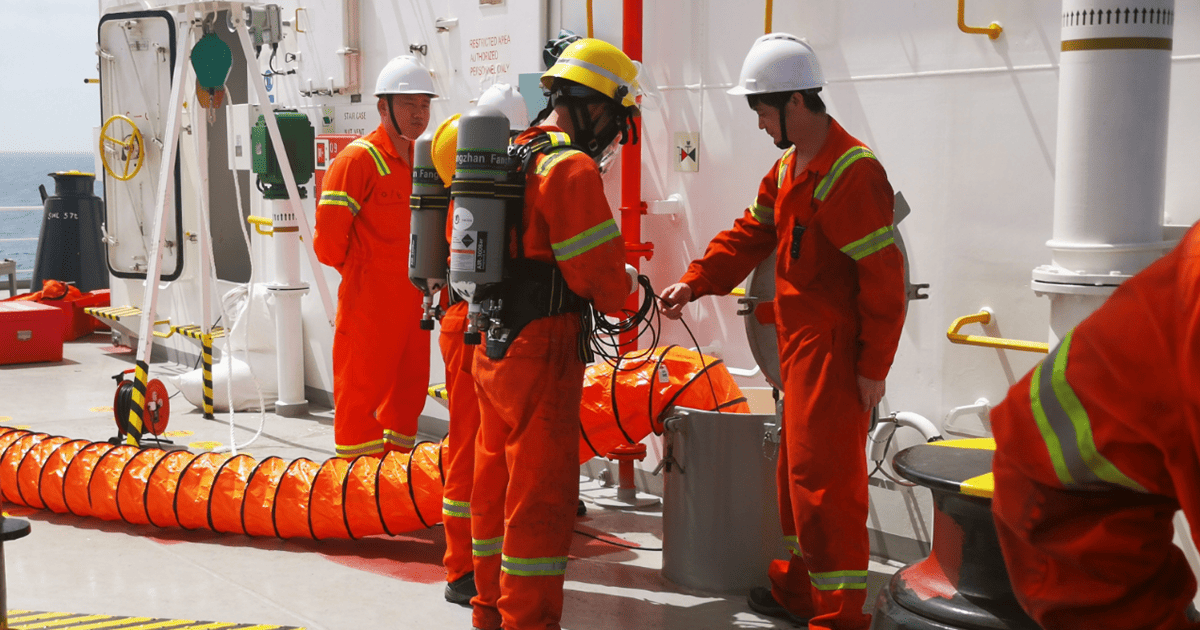
Strategic waterways are often discussed in terms of trade flows, cargo volumes and economic impact. Yet every vessel movement ultimately depends on people. If shipping hopes to continue attracting talented people into maritime careers, it must demonstrate that their safety, wellbeing and security are non-negotiable.
As Capt. Raja concluded:
"Resilience is not built during a crisis. It is built before one. Safe, secure and predictable navigation is not simply a maritime objective. It is a foundation of economic prosperity."


.jpeg)
.png)
.jpeg)

.jpeg)
.jpeg)
.png)
.jpeg)
.jpeg)
.jpg)

%20(1).jpeg)

.jpeg)
.jpeg)


.jpeg)




.png)



-min.png)





.svg)