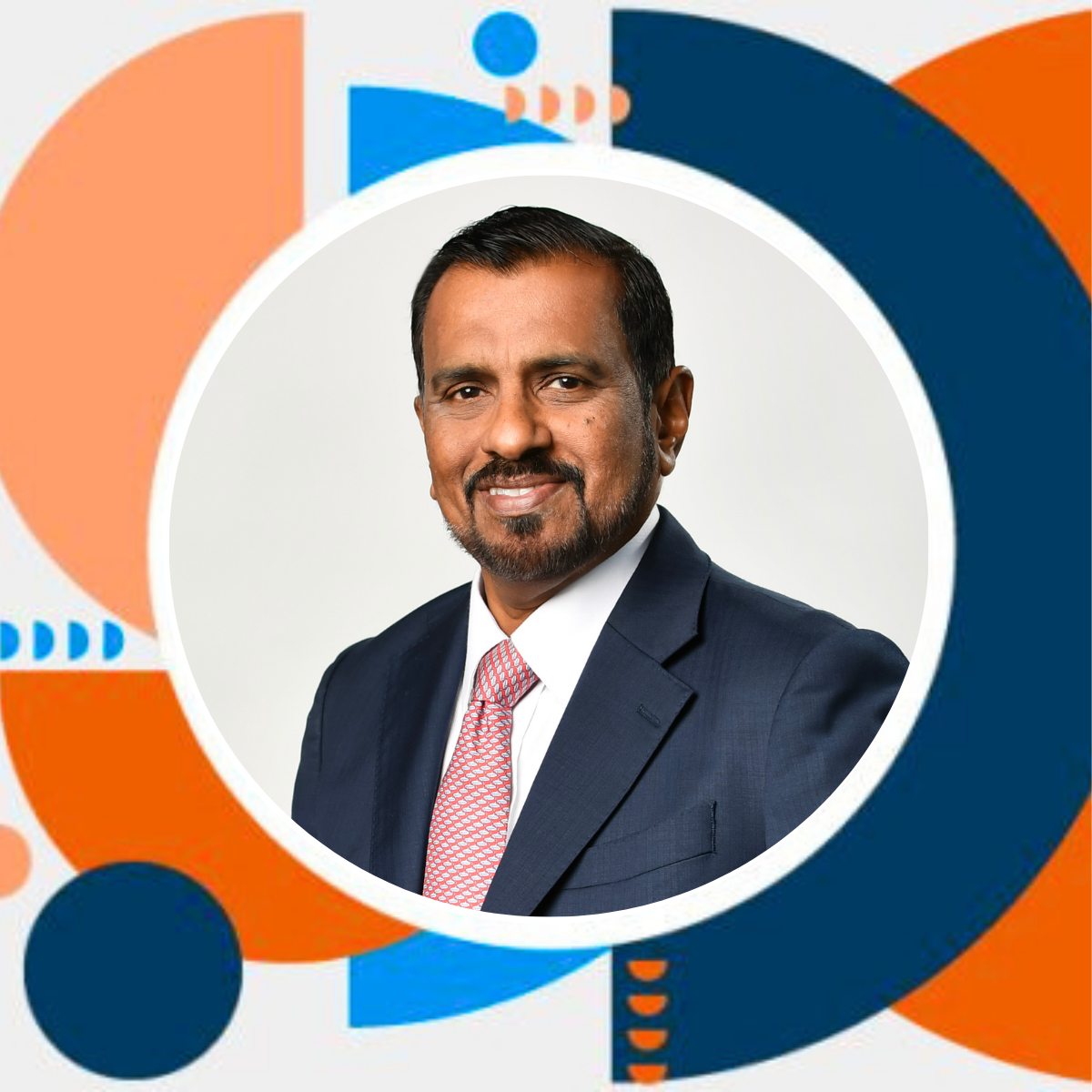
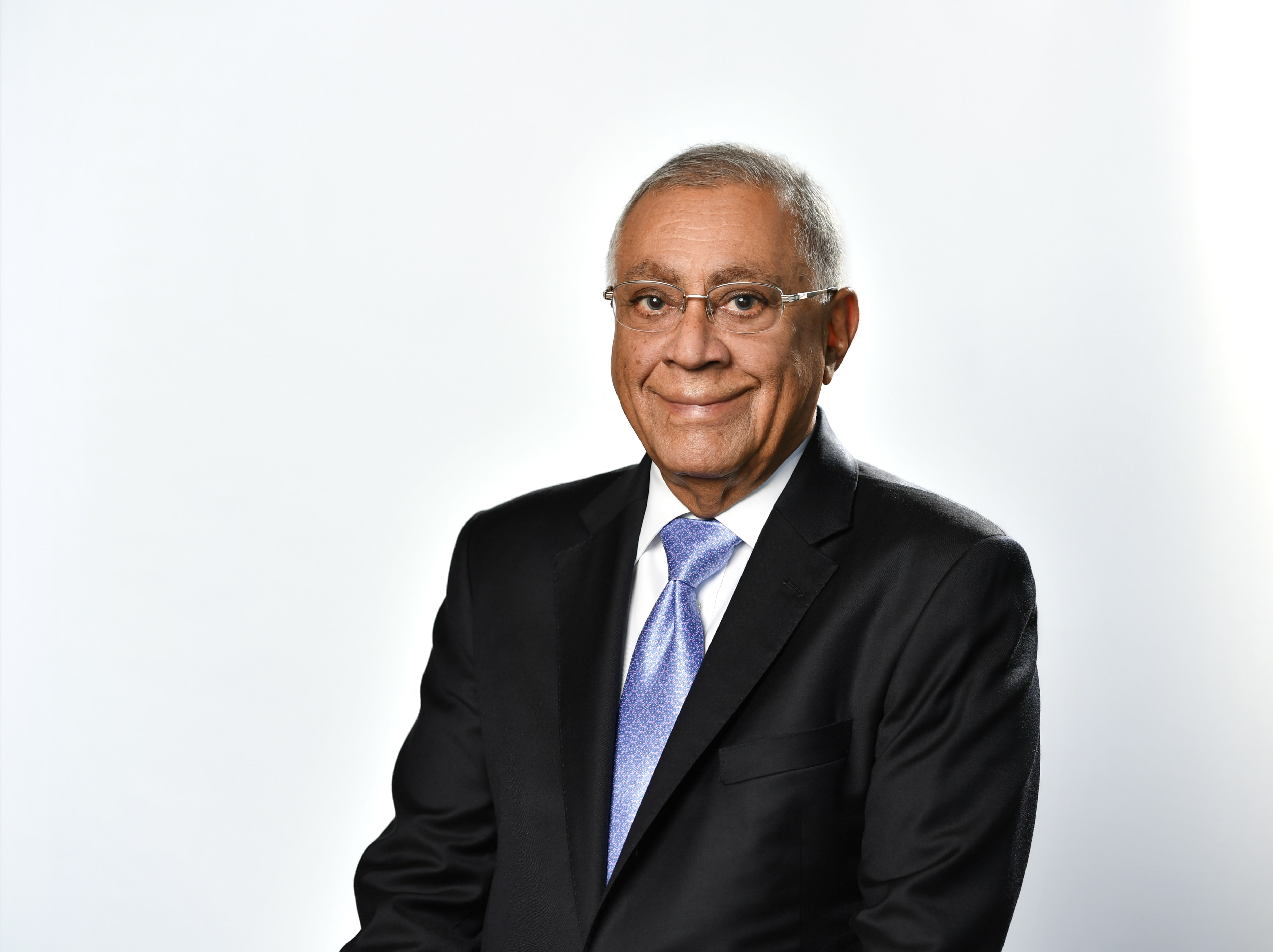
Capt. Raja Subramaniam, Chief Executive Officer, joined maritime leaders in Hong Kong last week for the INTERTANKO Spring Summit, where discussions focused on geopolitical disruption, operational risk and the need for greater certainty across the tanker sector.
%20(1).jpeg)
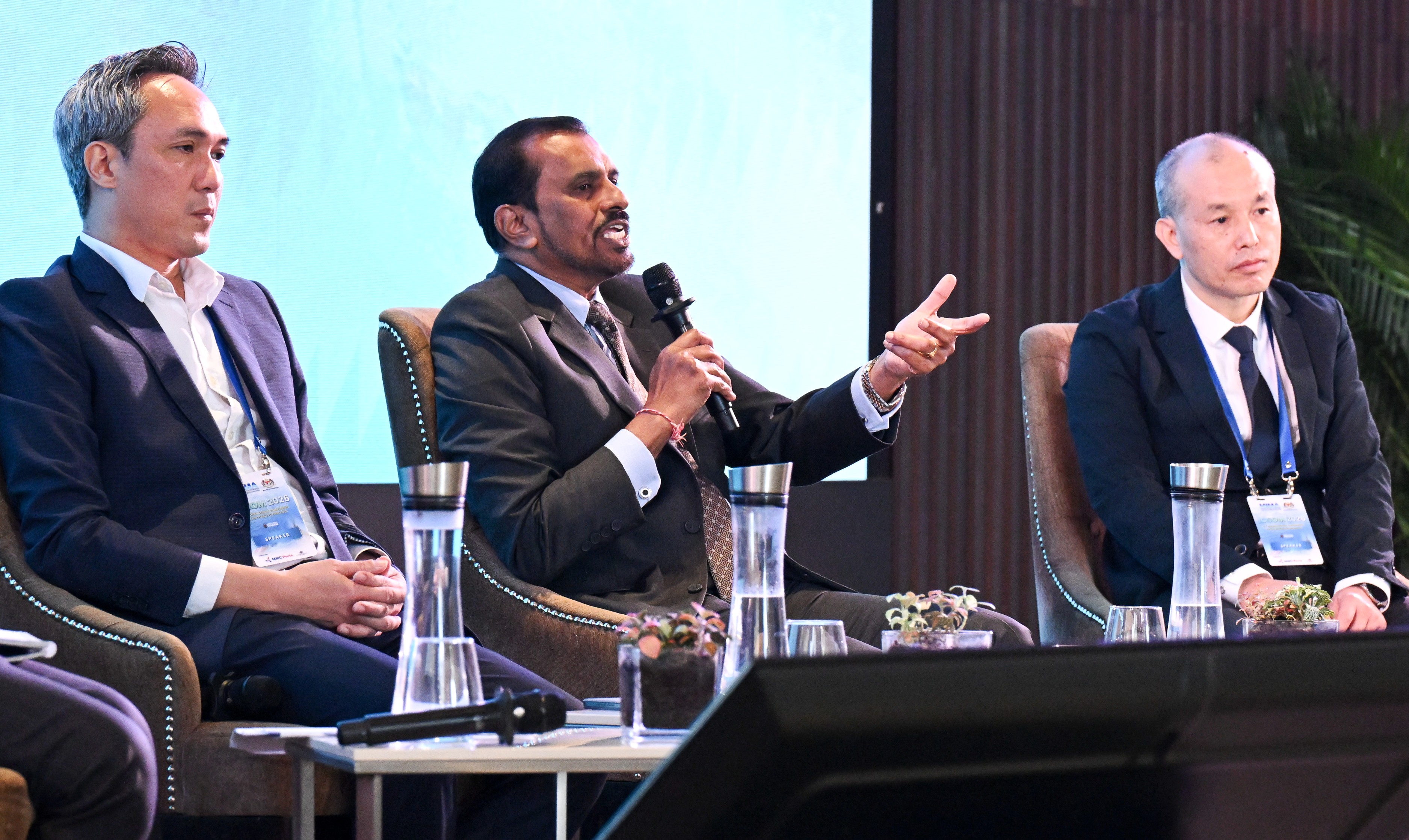
As tensions in the Persian Gulf continue to reshape tanker operations and global trade flows, industry leaders gathered in Hong Kong, home to Fleet Management’s headquarters. The summit brought together senior executives from across the world, with Chief Executive Officer Capt. Raja Subramaniam joining a panel on market outlook to share operational insights from managing vessels in affected regions. The themes discussed at the summit were also covered by TradeWinds, which noted growing concern over the potential longer‑term implications of disruption in the Strait of Hormuz for global shipping.
Opening his remarks, Capt. Raja reflected on the early stages of the crisis:
“February 28, 2026. Who can forget that? The first news came in that something was happening in the Middle East.”
Fleet Management moved quickly to establish a coordinated response, supported by real-time information flows and central oversight of operations. Meetings were held first hourly, then daily throughout the escalation period, alongside the transfer of vessel management from local teams in affected areas.
“Our priority is unwavering – the safety of our people, the environment and the asset.”
Capt. Raja said.
More than 20,000 seafarers have been affected across the region in both deep-sea and coastal operations.
“Maritime assets have become unintended collateral, and VHF communications in the locality could be very disturbing, with short-notice disruption affecting vessels, especially at night.”
Despite these challenges, he pointed to strong industry alignment.
“INTERTANKO members are doing what is right. There is a strong commitment to maintaining duty of care standards.”
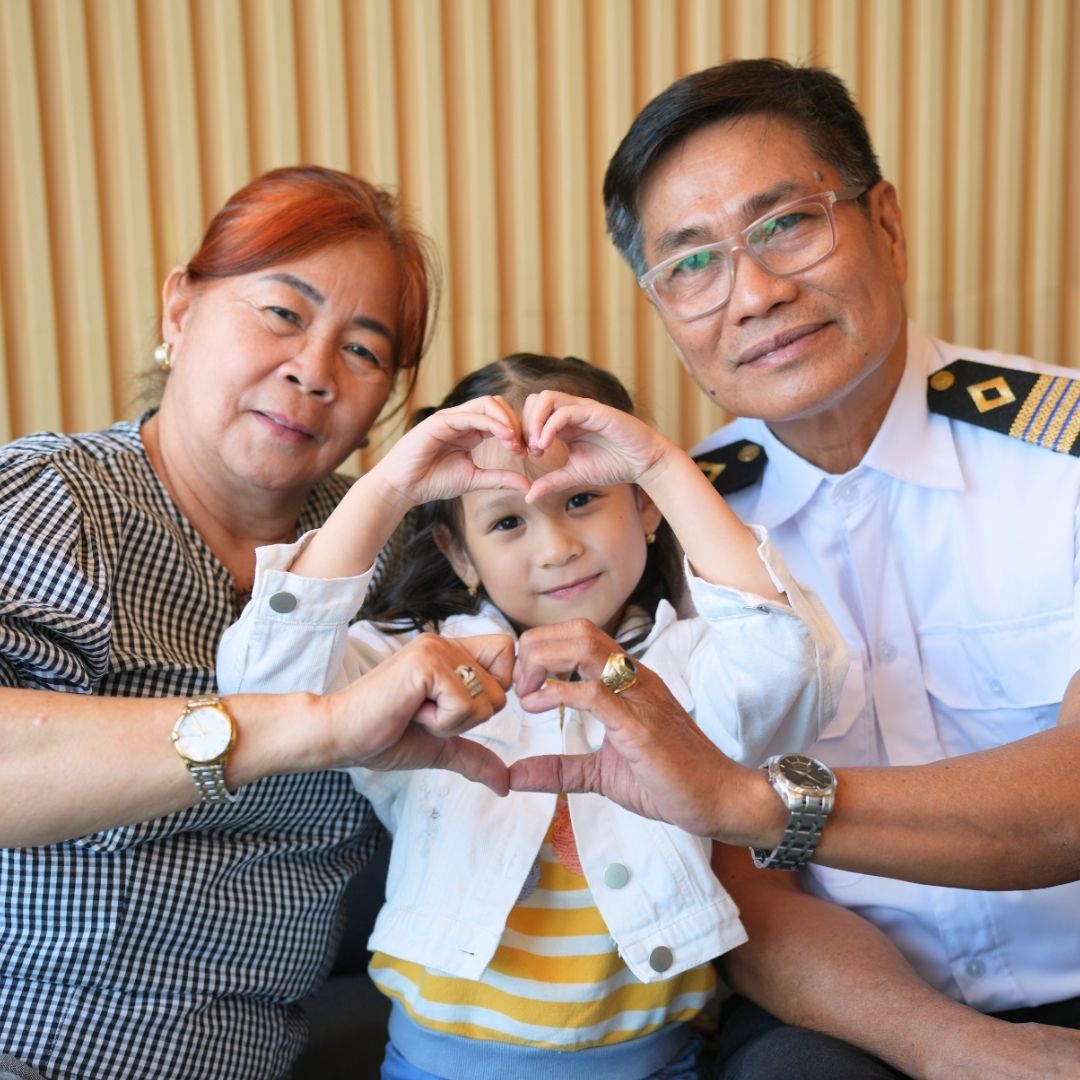
Fleet Management focused all efforts on supporting seafarers and their families during the disruption.
“We found ways to manage communication with immediate and extended family members. That is an important part of supporting our crews.”
Gradual Return to Operations, but Continued Caution
Following the ceasefire, some traffic through the Strait has resumed as reported, although conditions remain uncertain. Anchorage constraints and charter requirements continue to limit the ability to reposition vessels.
“Some normalisation has returned since the ceasefire, when crew changes could resume and resupply of provisions became possible in certain localities in the Persian Gulf,”
Capt. Raja said, noting that the pace of easing may be slow.
“This may continue for longer than we would like.”
Certain localities remain difficult.
Crew change conditions remain uneven across the region, with the north still challenging while parts of the south, particularly the UAE, are comparatively more accessible. Capt. Raja also highlighted the role of families in shaping crew decisions.
“It is not just the seafarers – their immediate and extended families influence whether they choose to return to the region.”
Industry Resilience and the Need for Certainty
Across the panel, one theme stood out: the need for greater certainty.
“The sweet spot for our industry is certainty,”
Capt. Raja said, noting that uncertainty now extends beyond geopolitical issues to fragmented regulation across the many issues in the maritime sector. He stressed the need for coordinated, cross-industry consensus:
“A holistic approach is needed. When there is clarity, we can plan around it, and that builds confidence.”
Despite the disruption, he underlined the resilience of the sector.
“Our industry has navigated SARS, the 2008 financial crisis and COVID-19. It is a very resilient industry.”
He closed by reinforcing the longer-term focus of the industry:
“More than 80% of global trade is moved by sea. Our collective responsibility is to keep that moving safely and sustainably.”
.jpeg)
TradeWinds’ coverage of the Summit also featured Capt. Raja’s perspectives, alongside broader industry views on geopolitical disruption, crew welfare and market uncertainty. His comments reinforced the importance of leadership, clarity and duty of care in navigating current conditions. Read more here: https://www.tradewindsnews.com/tankers/-the-world-is-not-going-to-be-the-same-global-turmoil-rattles-shipping/2-1-1994197

.jpeg)
.jpeg)
.jpeg)
.png)
.jpeg)

.jpeg)
.jpeg)
.png)
.jpeg)
.jpeg)
.jpg)


.jpeg)
.jpeg)

.jpeg)


.png)



-min.png)





.svg)