24/7 support. 10,000+ people trained. 17,000 family welfare calls. Five years on, Fleet Care continues to strengthen wellbeing, resilience and support for more than 27,000 seafarers and their families.

Fleet Care has grown into a practical wellbeing programme that supports seafarers and their families throughout the seafarer journey onshore and at sea.
It brings together prevention, early support, training, family engagement and practical assistance. The aim is simple. Help people access the right support earlier, before small concerns become larger problems.
Today, the programme is available to more than 27,000 seafarers and their families around the world.
1. Earlier Intervention
One of Fleet Care’s strongest areas of impact has been early intervention.
Our two in-house psychologists respond to counselling requests within 24 hours. This helps ensure concerns are addressed quickly, confidentially and with the right level of care.
This approach has contributed to a 95% reduction in cases progressing towards adverse outcomes.
The lesson is clear. The earlier support is provided, the greater the chance of making a positive difference.
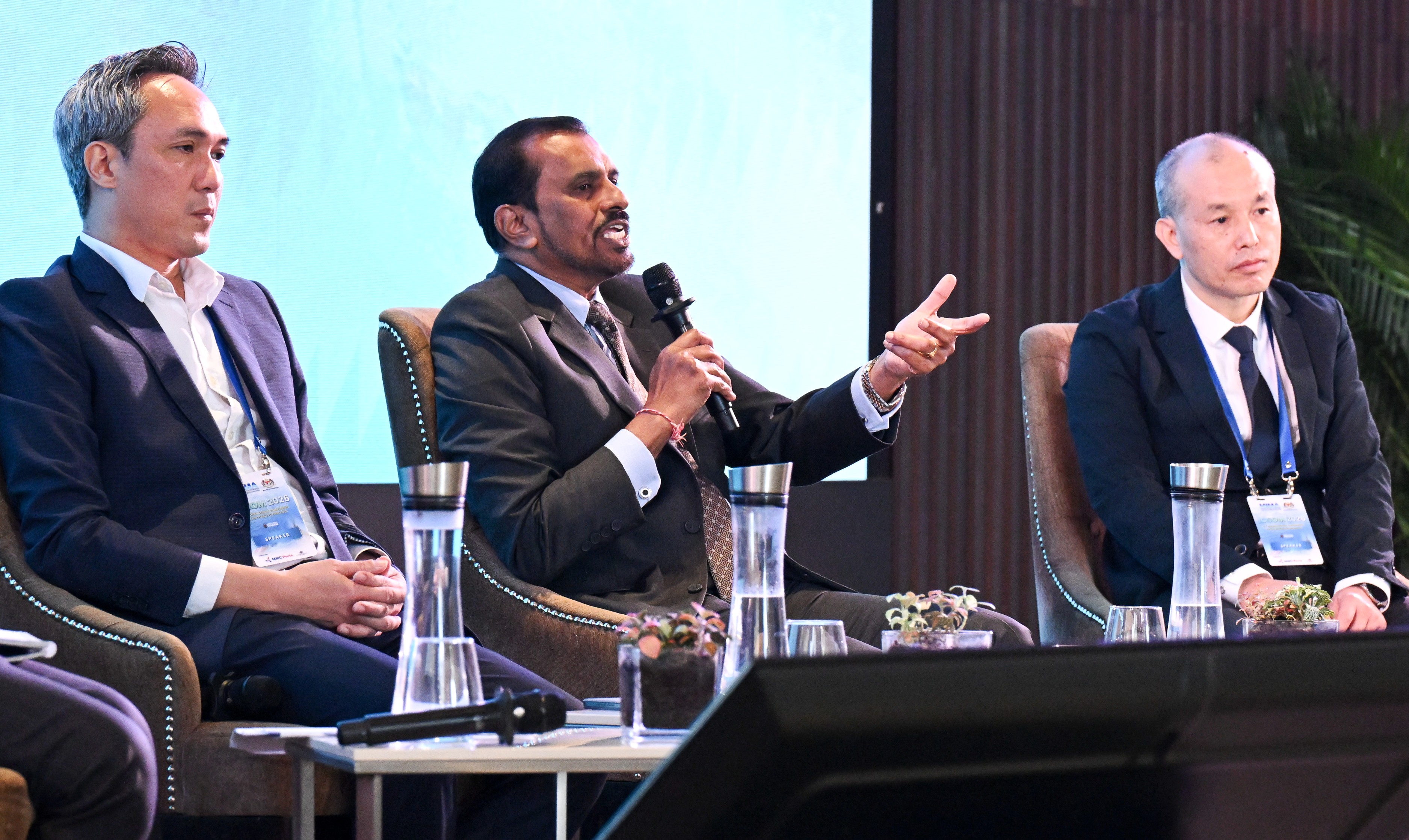
This also reflects a wider industry need. At the INTERCARGO Semi-Annual Meeting: Reducing Workload and Mental Strain for Safer Shipping, Fleet highlighted how routine operational pressure, workload and time pressure can affect decision-making and safety outcomes. The discussion also noted findings from the European Maritime Safety Agency’s 2025 report, which linked a significant share of maritime accidents to human action during routine operations, especially where workload and time pressure are factors.
For Fleet Management, wellbeing is not separate from safe operations. It is part of how we protect people, manage risk and support safe, reliable vessel performance.
2. Supporting Mental Wellbeing
Mental wellbeing remains central to Fleet Care.
More than 10,000 seafarers have completed training in mental wellness, resilience and peer support.
Programmes such as Psychological First Aid and Wellness at Sea help seafarers recognise concerns in themselves and others. They also help build stronger onboard support networks and encourage earlier conversations around wellbeing.
Together with 24/7 multilingual crisis support, these initiatives help ensure assistance is available whenever it is needed.
Fleet Care also provides access to confidential counselling through in-house psychologists. This gives seafarers a safe and practical way to seek help before challenges escalate.
3. Building Stronger Peer Support
Life at sea can be rewarding, but it can also feel isolating. Long periods away from home can test routines, relationships and resilience.
Fleet Care’s Social Health Interactive Programme promotes connection through activities such as Social Days, Sports Days and Digital Detox Days. These activities give seafarers time to step away from daily routines, spend time together and build stronger onboard ties.
Buddy on Board and the Cadet Wellbeing Survey strengthen support for those at the earliest stages of their careers. These initiatives provide additional guidance during important transition periods.
The aim is not only to improve wellbeing today. It is to help build more resilient and connected teams for the future.
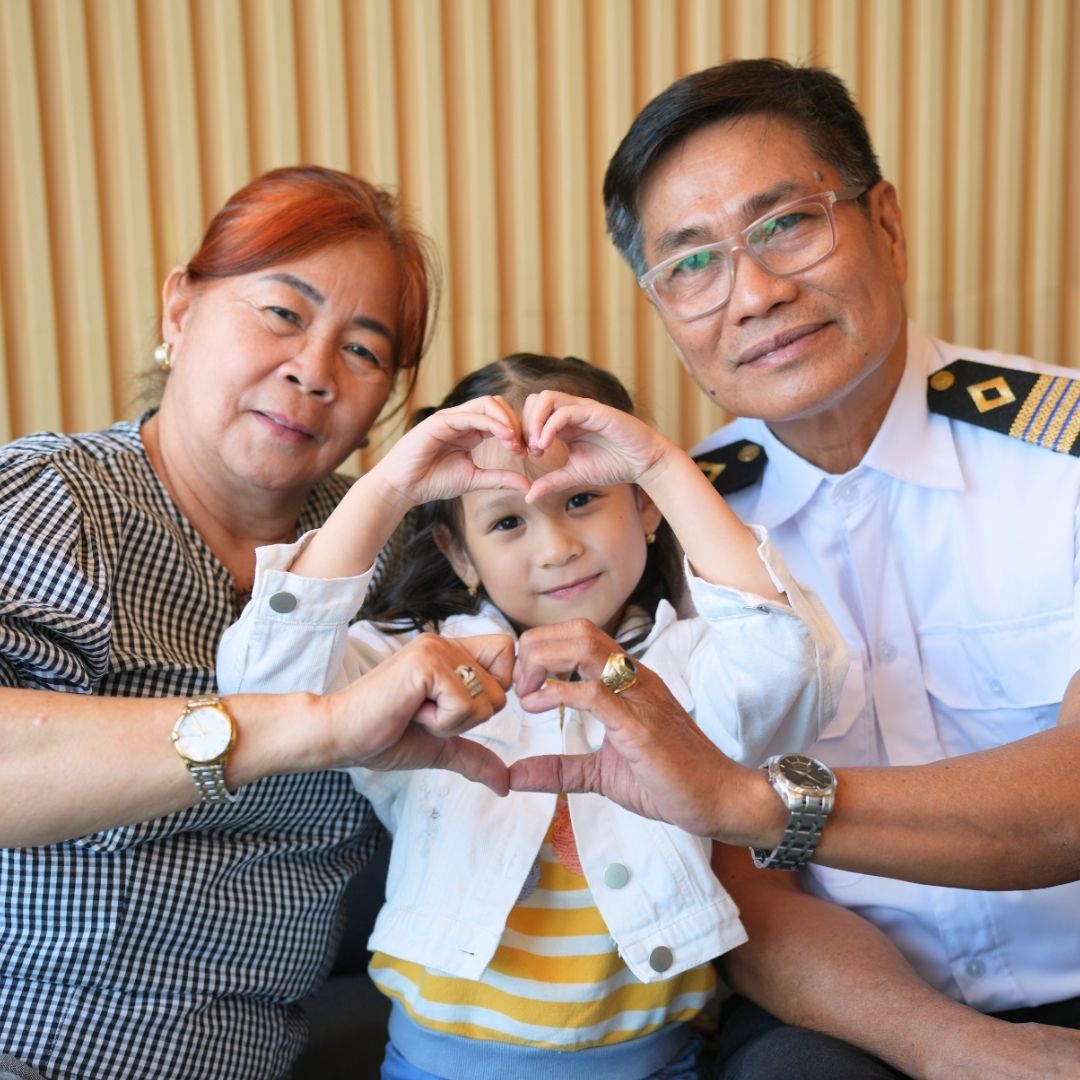
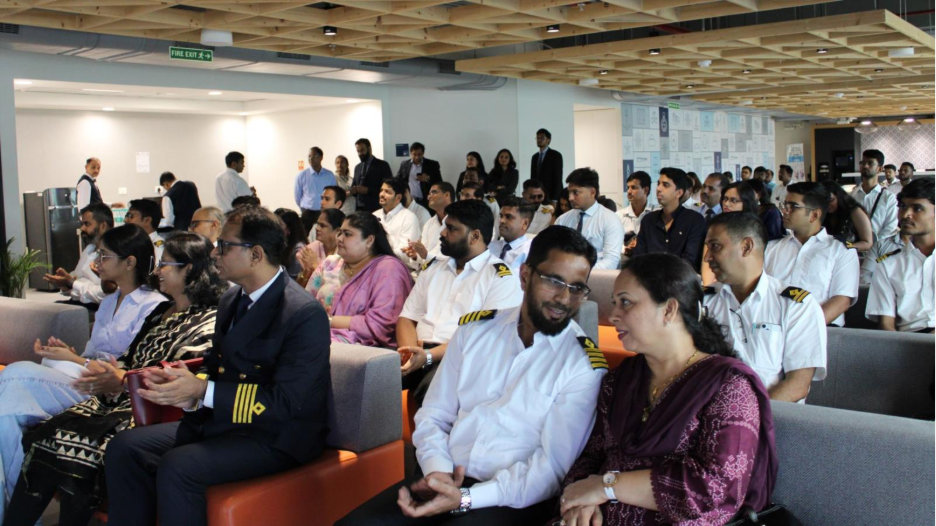
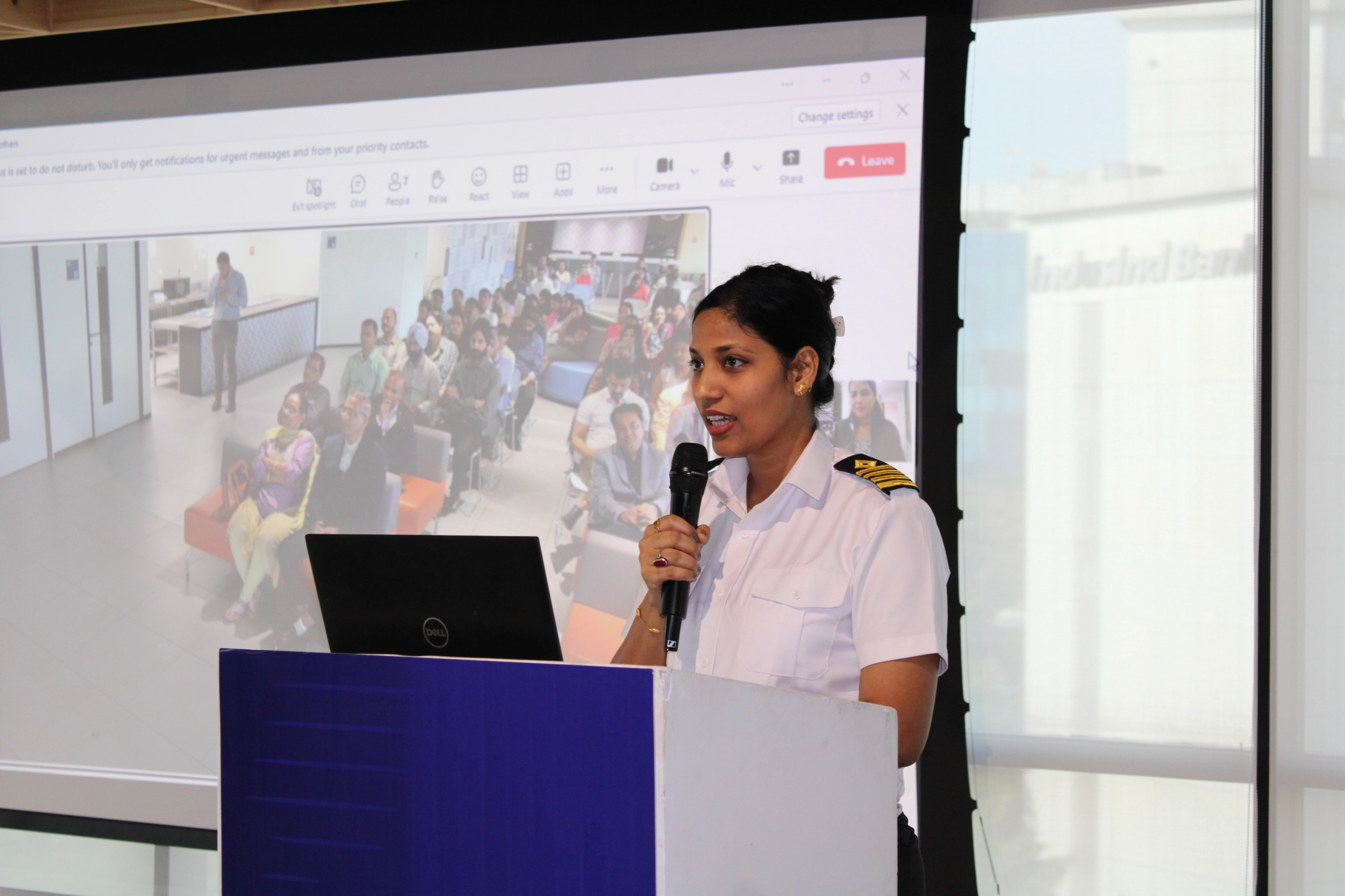
Tea Talks is one example of how Fleet Care builds connection beyond the vessel. The initiative brings seafarers and their families together for open conversations, shared learning and practical guidance. Since its launch, it has connected 710 participants across 34 sessions globally, helping families better understand life at sea and the support available to them onshore.
These sessions give families space to ask questions, share experiences and discuss practical topics such as medical entitlements, health, nutrition, safety practices and managing stress during long periods of separation. By supporting families onshore, we help give seafarers greater peace of mind while they are at sea.
4. Supporting Families
Fleet Care extends far beyond the vessel.
Over the past year:
- More than 17,000 welfare calls were made to families.
- More than 1,200 family members participated in outreach programmes.
- Fleet Family Support Groups grew to more than 1650 active members, representing 30% year-on-year growth.
- The Sailing Together handbook, co-developed with ISWAN, supported more than 2,000 families and maritime stakeholders.
Together, these programmes help strengthen the support systems that seafarers rely on while they are at sea.
Family support matters because separation affects the whole household. When families have clear information, practical guidance and a direct support network, seafarers can feel more settled while away from home.
5. Listening and Learning
Fleet Care is built around continuous improvement.
Every month, more than 1,000 welfare touchpoints help provide insight into the experiences of seafarers and their families.
Twelve liaison officers across the globe conduct structured debriefing sessions across all ranks. This helps convert feedback into action plans and ensures lived experience informs future improvements.
More than 1,500 concierge requests are fulfilled each month, helping seafarers and families access practical assistance when they need it most.
Listening well helps us respond better. It also helps us keep improving the systems that support safe voyages, reliable operations and care for customers’ assets.
Recognition From Those Who Matter Most
In January 2026, Fleet Management received the Hong Kong Ship Manager Award at the Mission to Seafarers Maritime Charity Dinner in Hong Kong.
The award recognises seafarers’ experiences across areas including:
- Safety practices.
- Crew welfare.
- Physical wellbeing.
- Mental wellbeing.
- Onboard facilities.
- Corporate support for life at sea.
What makes this recognition especially meaningful is that it is not decided only by a panel of judges. It is shaped by seafarers’ views and experiences. For us, there is no stronger endorsement than the voices of the people we support every day.
The award is also a reminder that there is always more to learn. We continue to review seafarer feedback and satisfaction survey findings to identify where we can improve and help raise standards across the wider maritime industry.
The Next Chapter
Building on the progress of Fleet Care, we recently introduced Care 360. This new wellbeing framework brings together programmes, support systems and long-term wellbeing commitments under one structure.
Care 360 gives us a clearer roadmap for the future. It helps us strengthen support across physical, mental, social, family, environmental and personal wellbeing.
Together, Fleet Care and Care 360 create a stronger foundation for the next phase of progress.
When seafarers and families are supported, they are better able to support one another. They can perform with confidence, make safer decisions and help customers keep vessels operating safely and efficiently.
That is why Fleet Care matters. It protects people, strengthens performance and supports the safe movement of the trade the world relies on.



.jpeg)
.png)

.jpeg)

.jpeg)
.png)
.jpeg)
.jpeg)

.jpg)

%20(1).jpeg)

.jpeg)
.jpeg)


.jpeg)



.png)




-min.png)





.svg)