LNG, methanol, ammonia, biofuels, hydrogen, onboard carbon capture and wind-assisted propulsion are all being developed as part of shipping's transition towards lower-emission operations. Yet for shipowners, the challenge is not a shortage of ideas. It is choosing between multiple viable pathways while major questions around fuel availability, regulation, infrastructure and economics remain unresolved.
A vessel ordered today may still be trading in the 2050s. Shipowners are therefore asking a practical question: what should they invest in today if nobody knows which fuel will ultimately prevail?
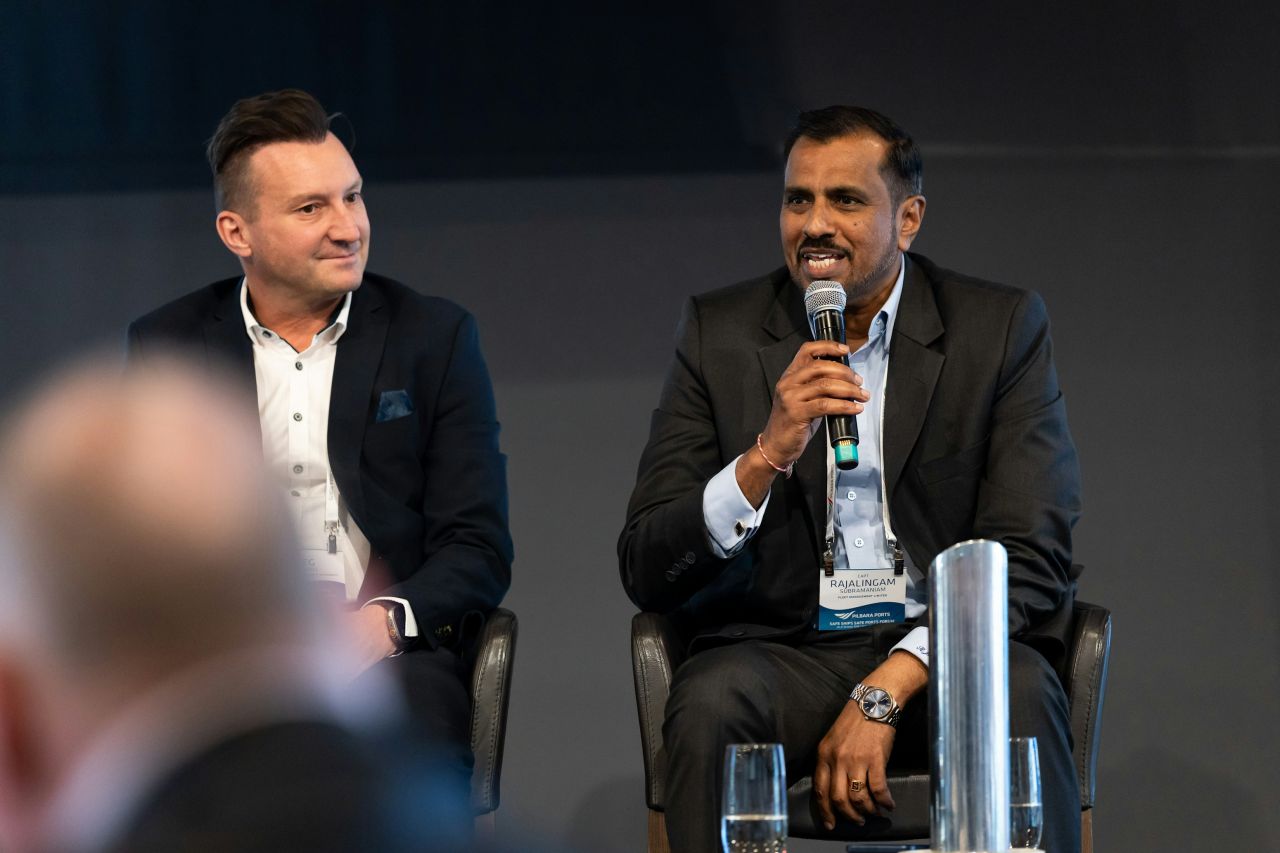
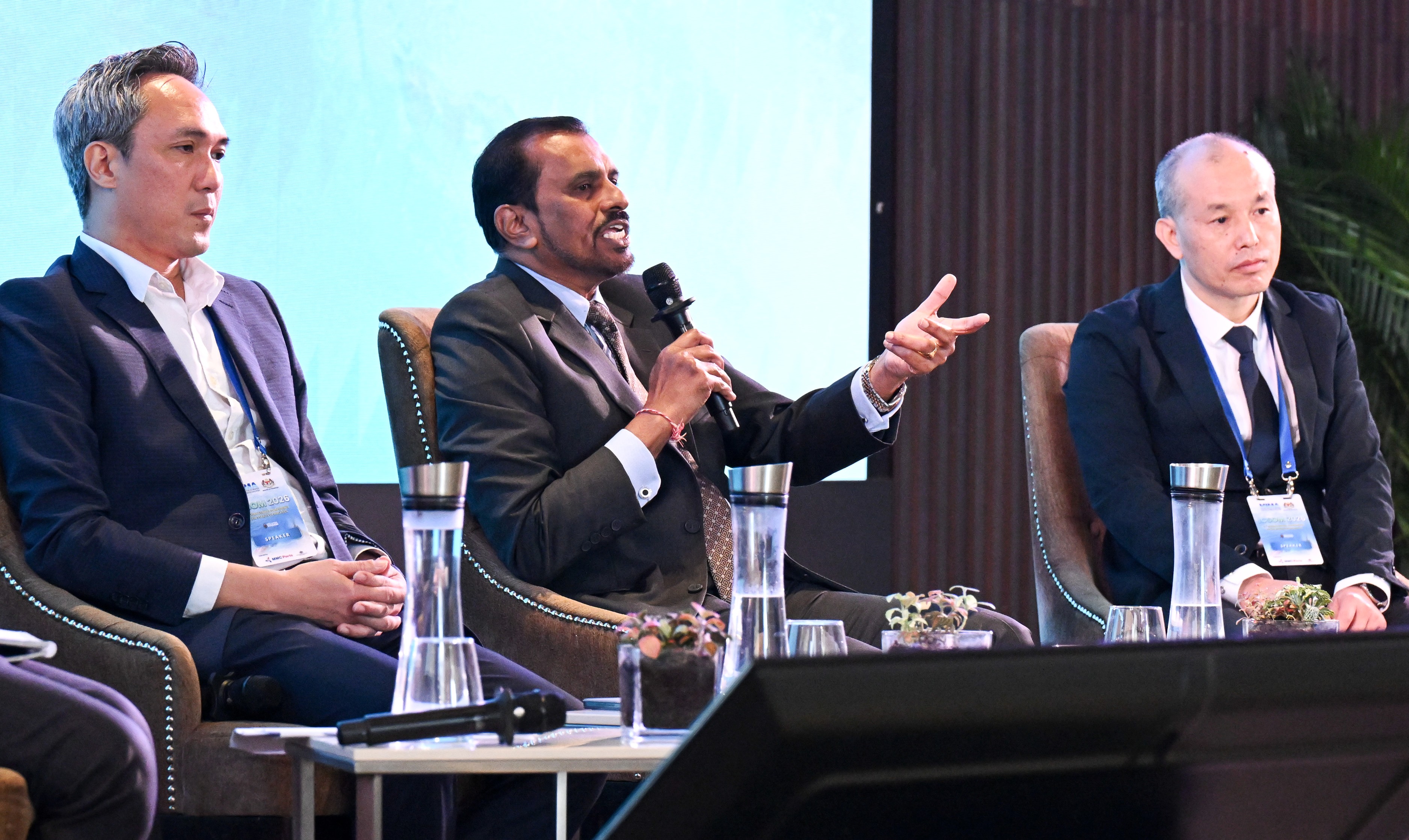
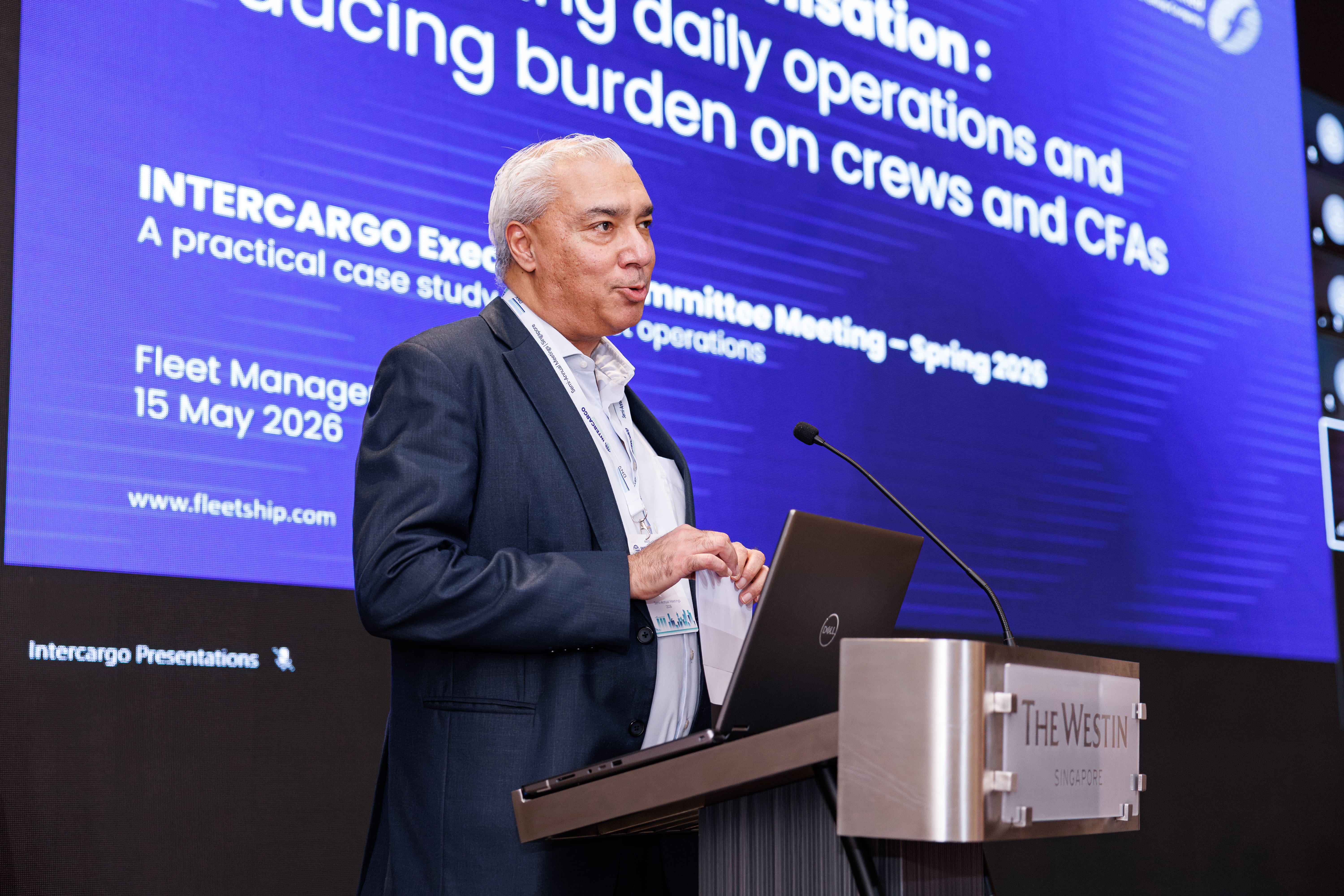
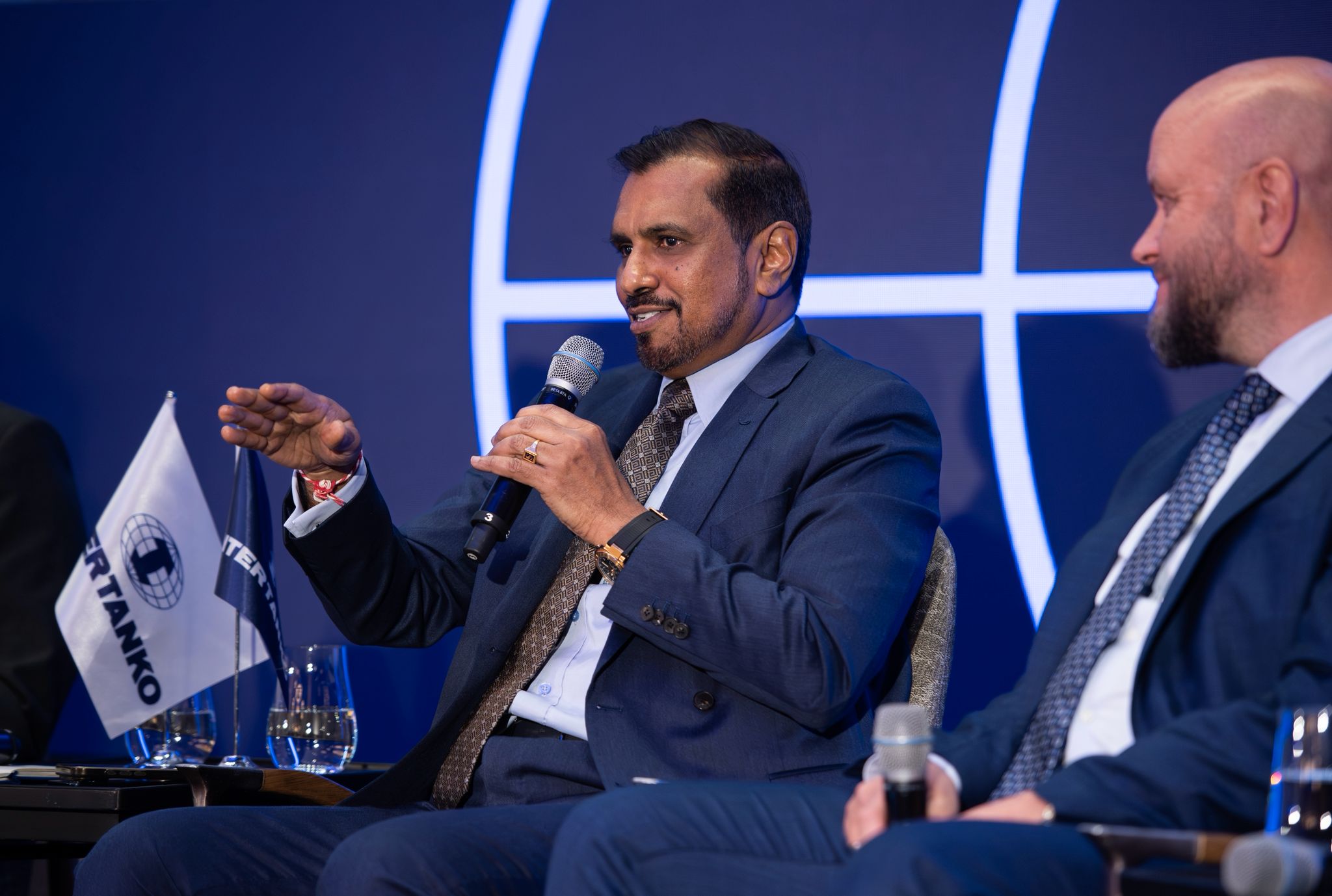
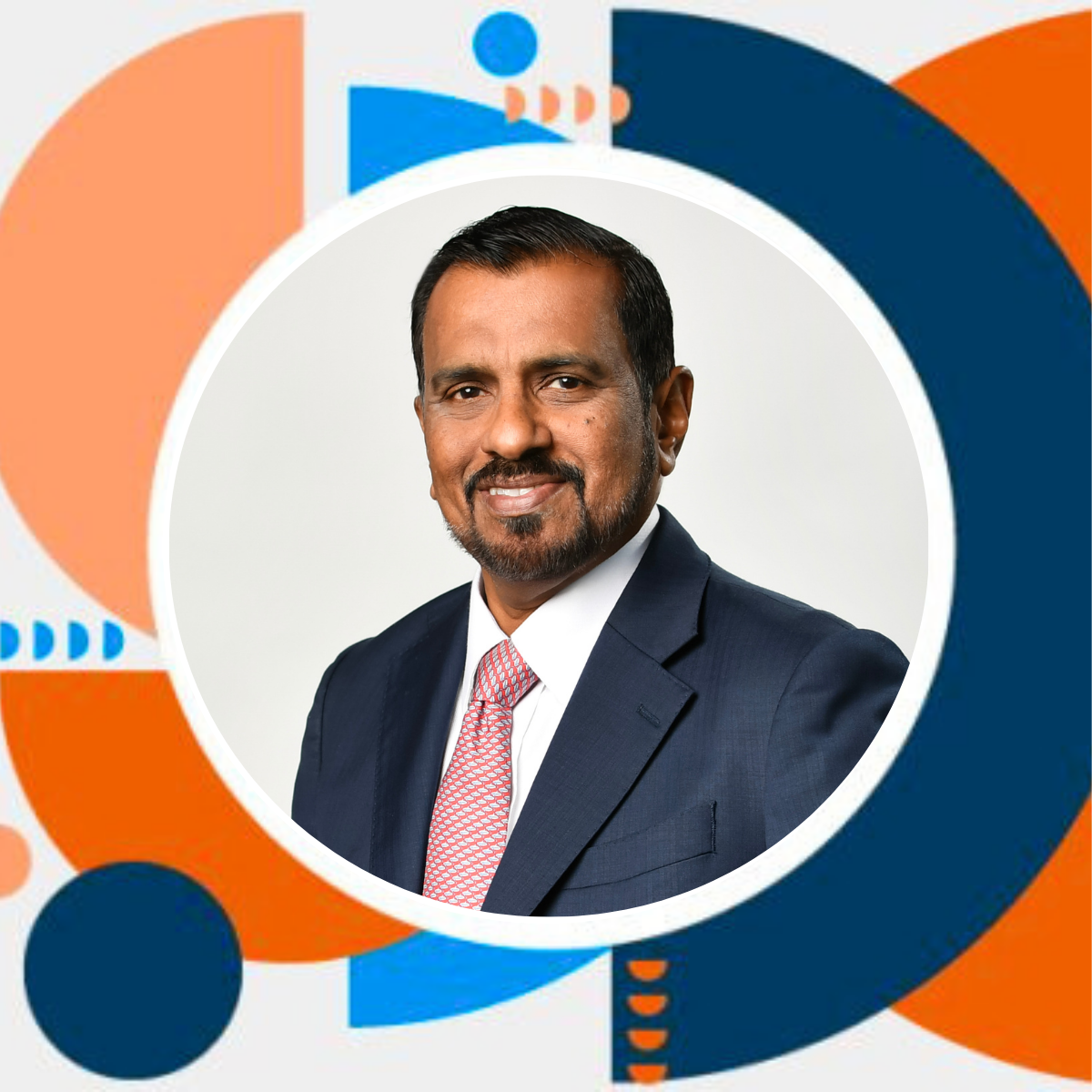
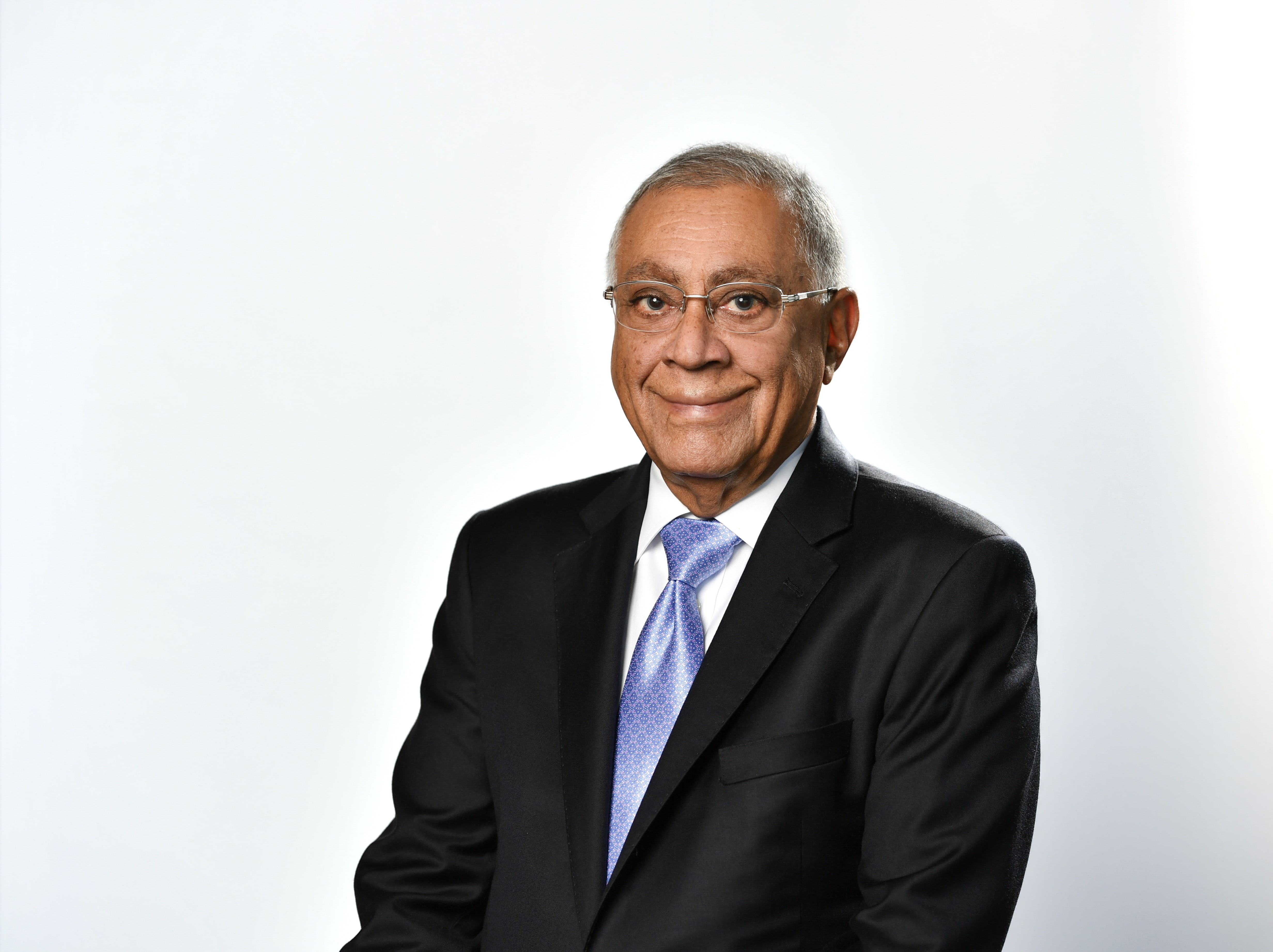
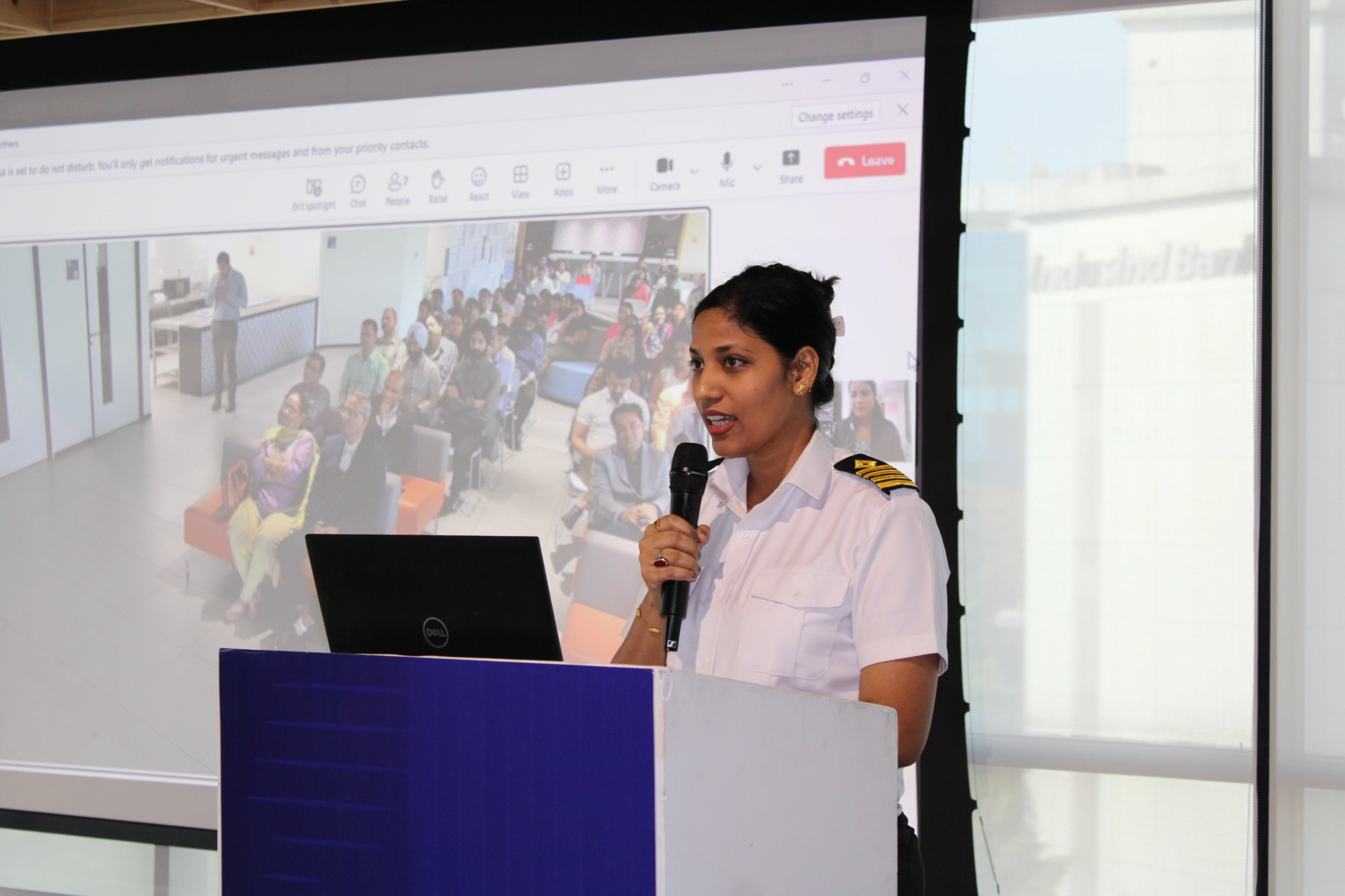
Speaking ahead of a United Nations Global Compact (UNGC) industry roundtable on maritime decarbonisation, Fleet Management Chief Executive Officer Capt. Rajalingam Subramaniam argued that the industry's response should not be to wait for certainty.
Instead, it should prepare for several possible futures at once.
"Owners are not buying certainty. They are buying optionality. The industry still does not know which fuel pathway will ultimately dominate, so the priority today is building the capability, flexibility and readiness to respond whichever way the market develops."
Optionality Matters More Than Predictions
Ships entering service today will operate for decades. Rather than backing a single fuel, Fleet's approach is to help shipowners evaluate options, manage risk and prepare vessels and people for multiple pathways.
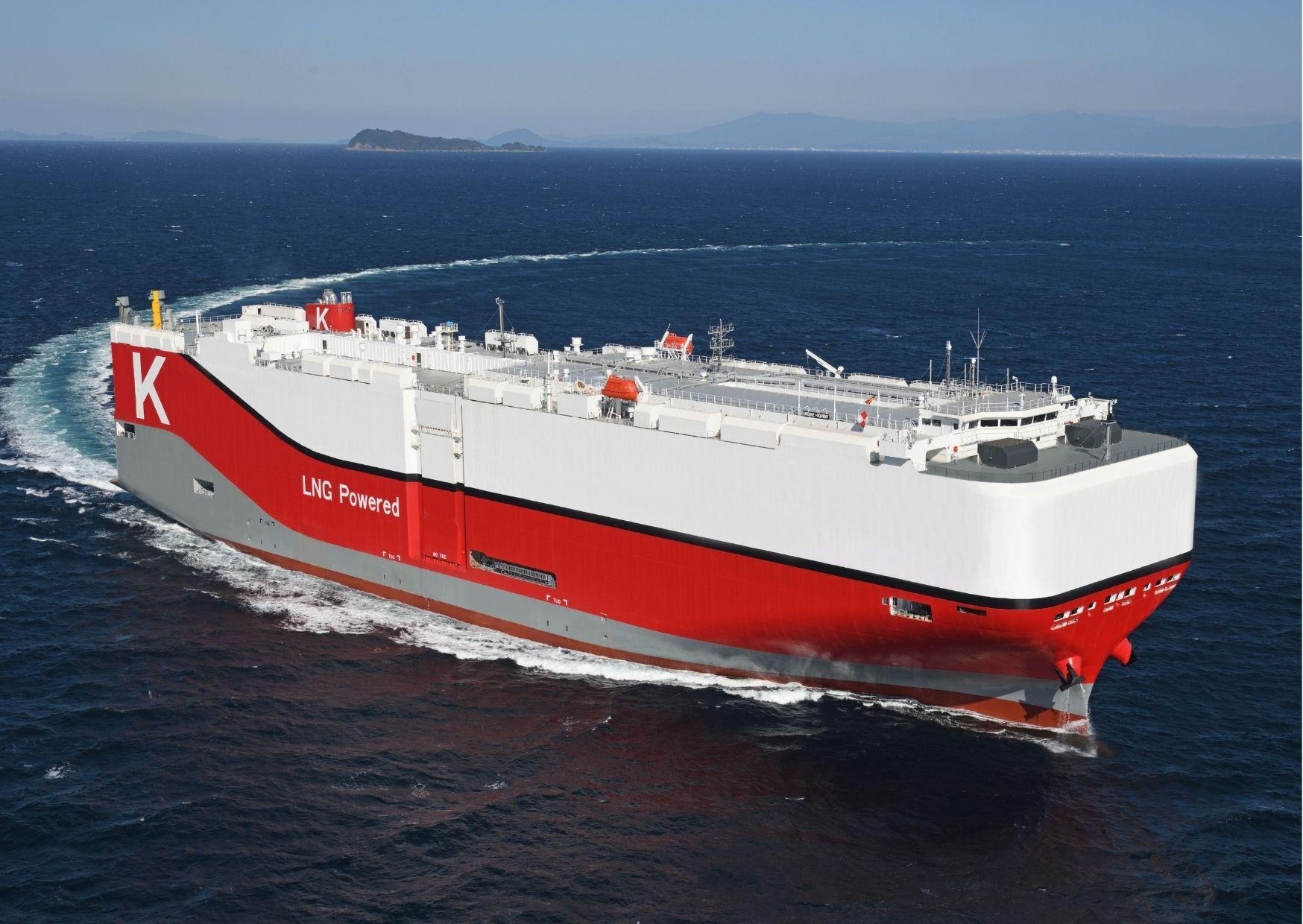
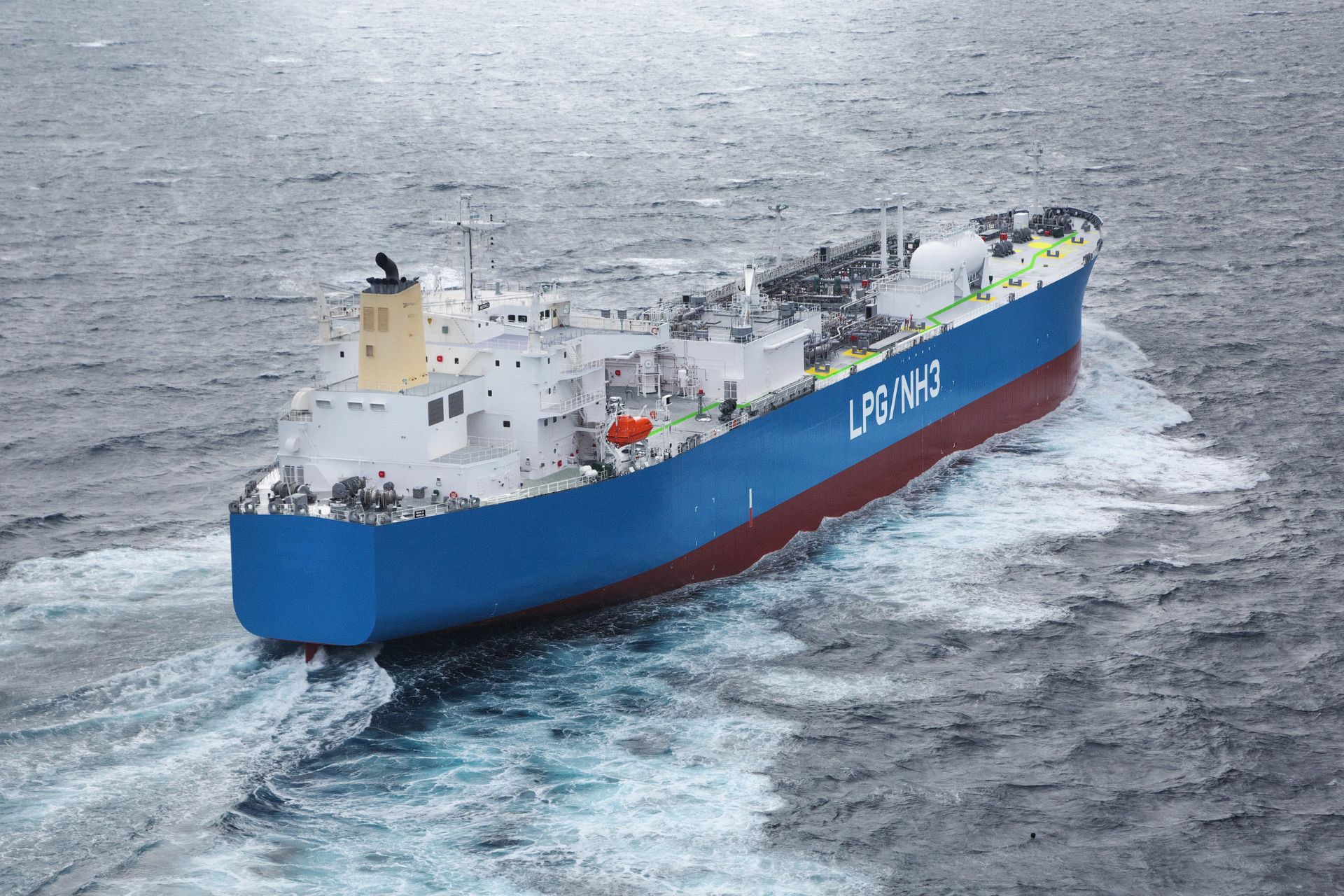
Today Fleet manages 30+ dual-fuel vessels spanning LNG carriers, chemical tankers, VLGCs, MR tankers and PCTCs. A third of vessels currently under construction under Fleet's supervision are LNG or methanol dual-fuel vessels.
The company is also working with LNG, biofuels, methanol and LPG while preparing for ammonia and hydrogen developments.
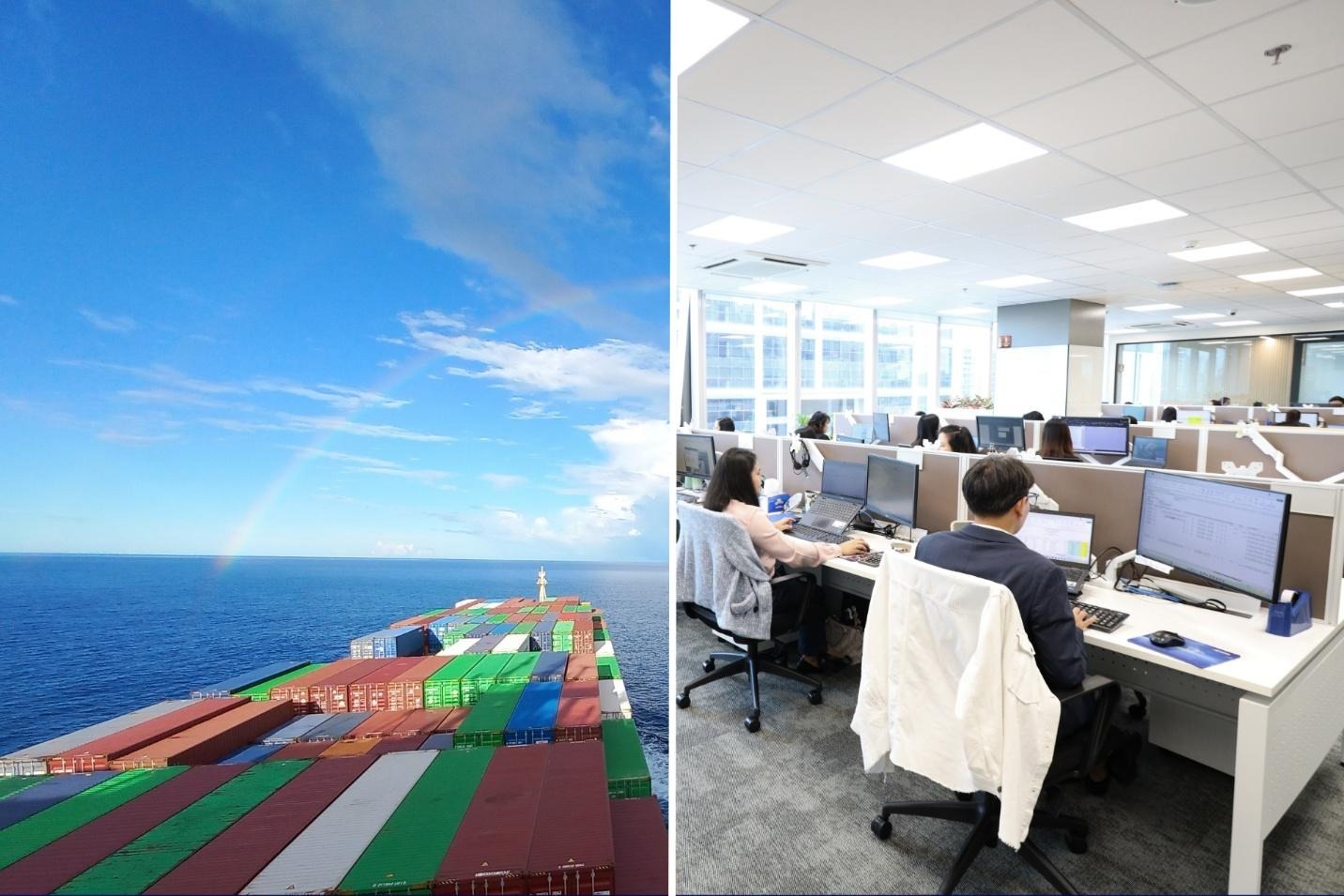
Regulations will evolve, fuel economics will change and new technologies will emerge. The one constant is the need for competent crews and shore teams capable of operating vessels safely.
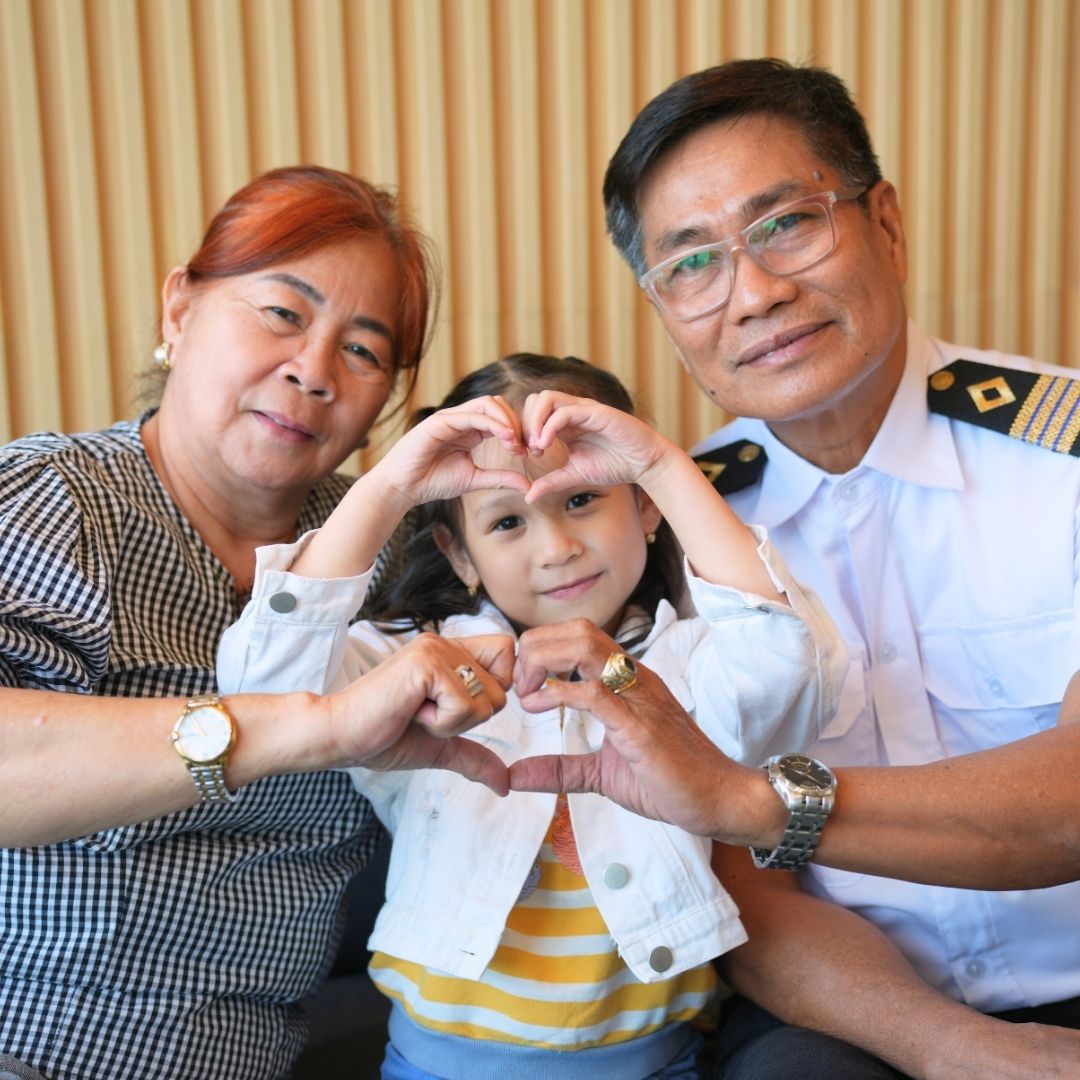
For Capt. Raja, preparing our human capital remains the industry's most urgent priority.
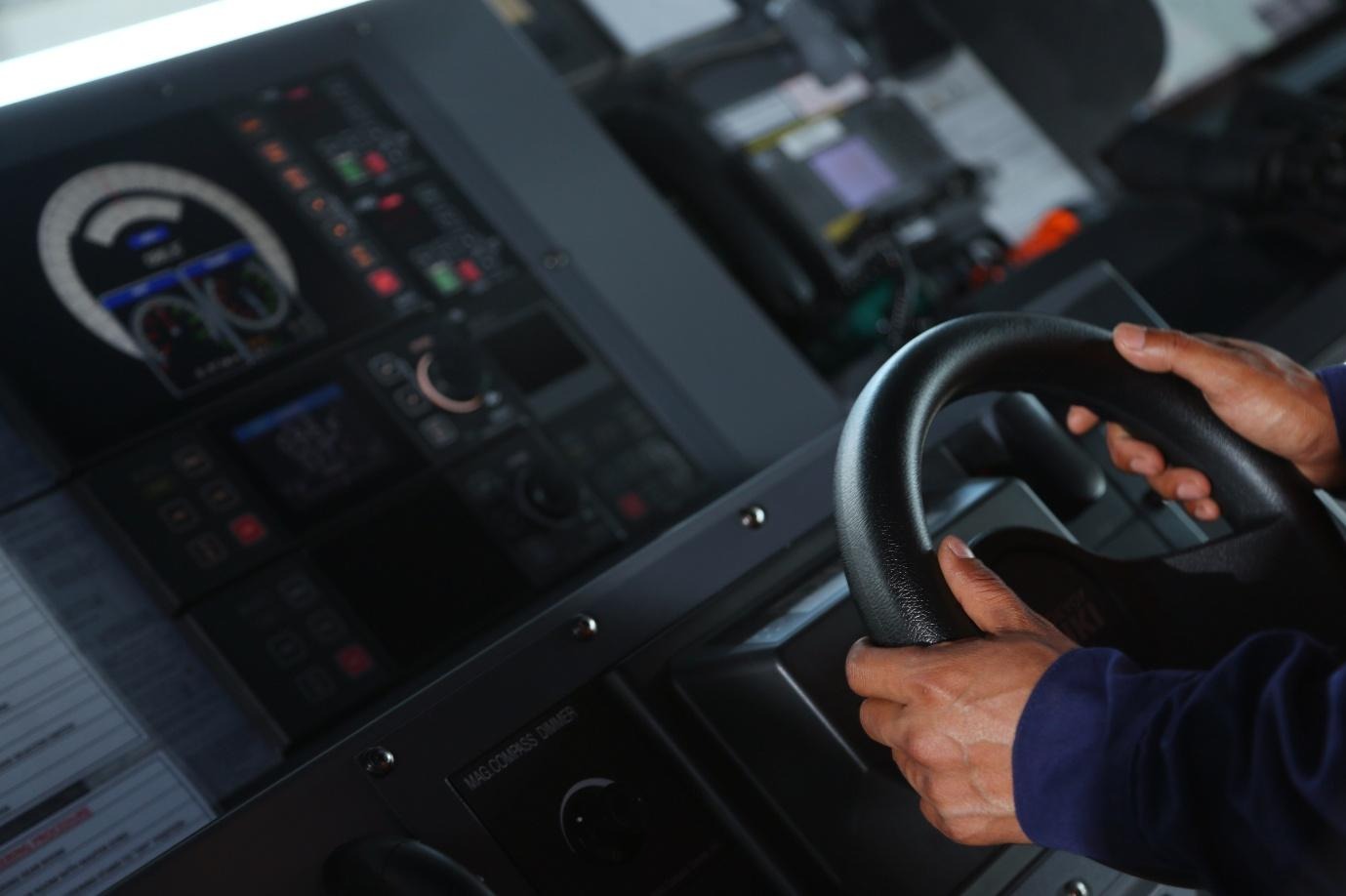
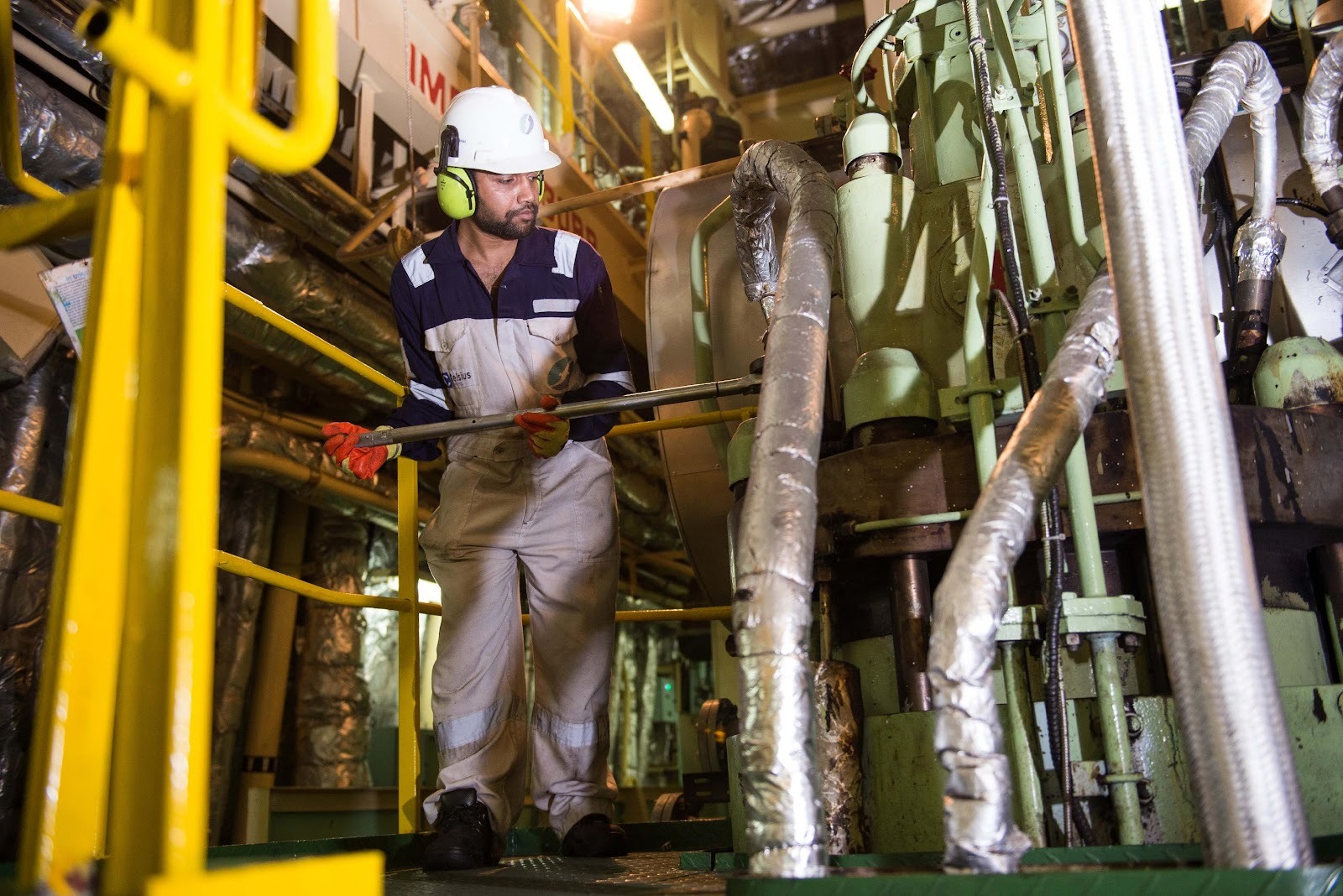
More than 1,750 Fleet seafarers completed dual-fuel training and low-emission fuel training, alongside approximately 9% of Fleet's superintendent population completing IGF Code training. Under Vision 2030, Fleet aims to train 25% of seafarers and 20% of superintendents on low-emission fuels by 2030.
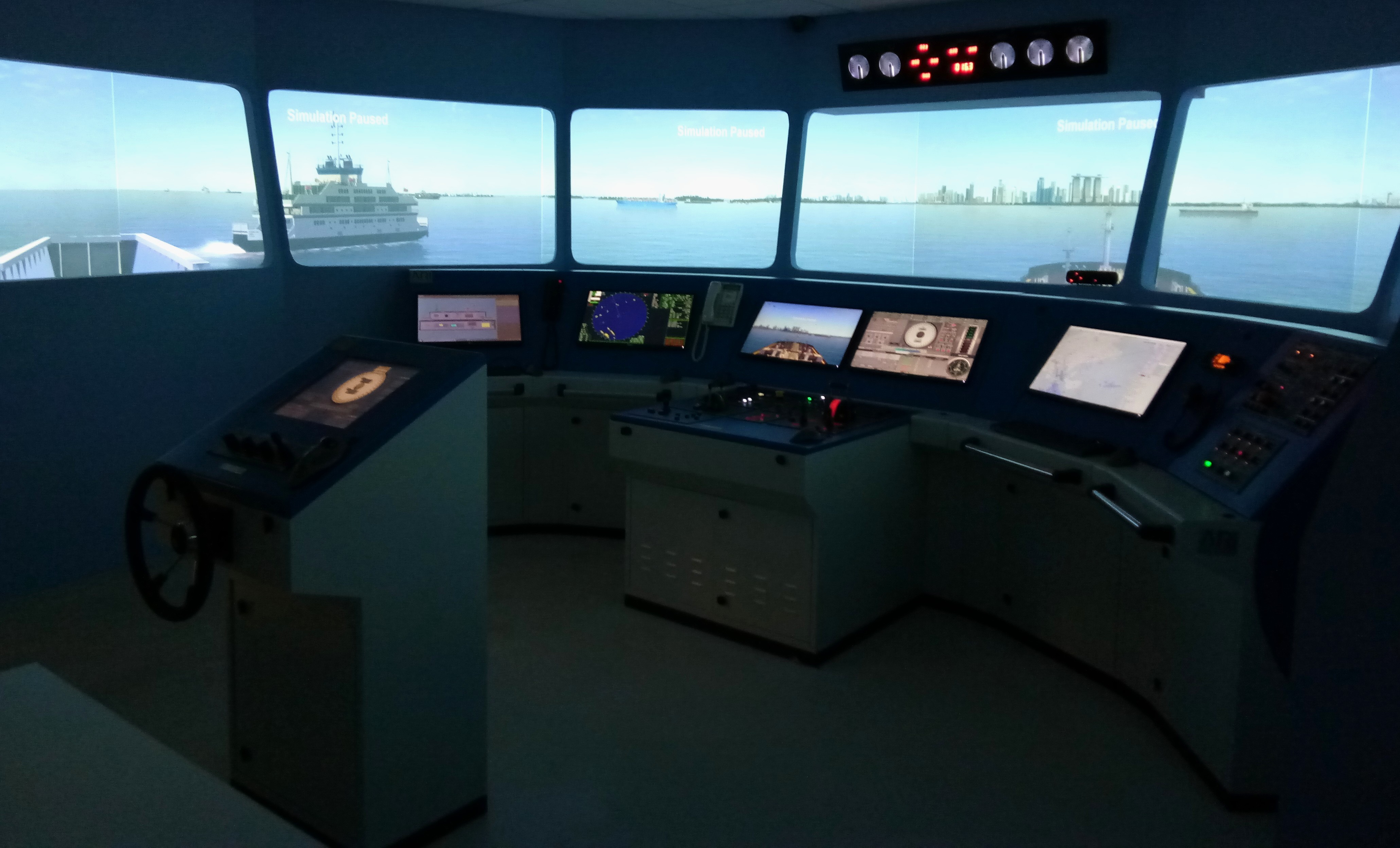
Across the organisation, Fleet delivers more than 85,000 training certificates and 15,500 simulator training hours each year.
Capt. Raja emphasised this is where one of the industry's most important investments now sits.
"The technology exists. The shipyards can build the vessels. What cannot be built overnight is the workforce capable of operating them safely. We can predict that routes will change, fuels will change and regulations will change. Therefore investing in people remains the strongest hedge against uncertainty."
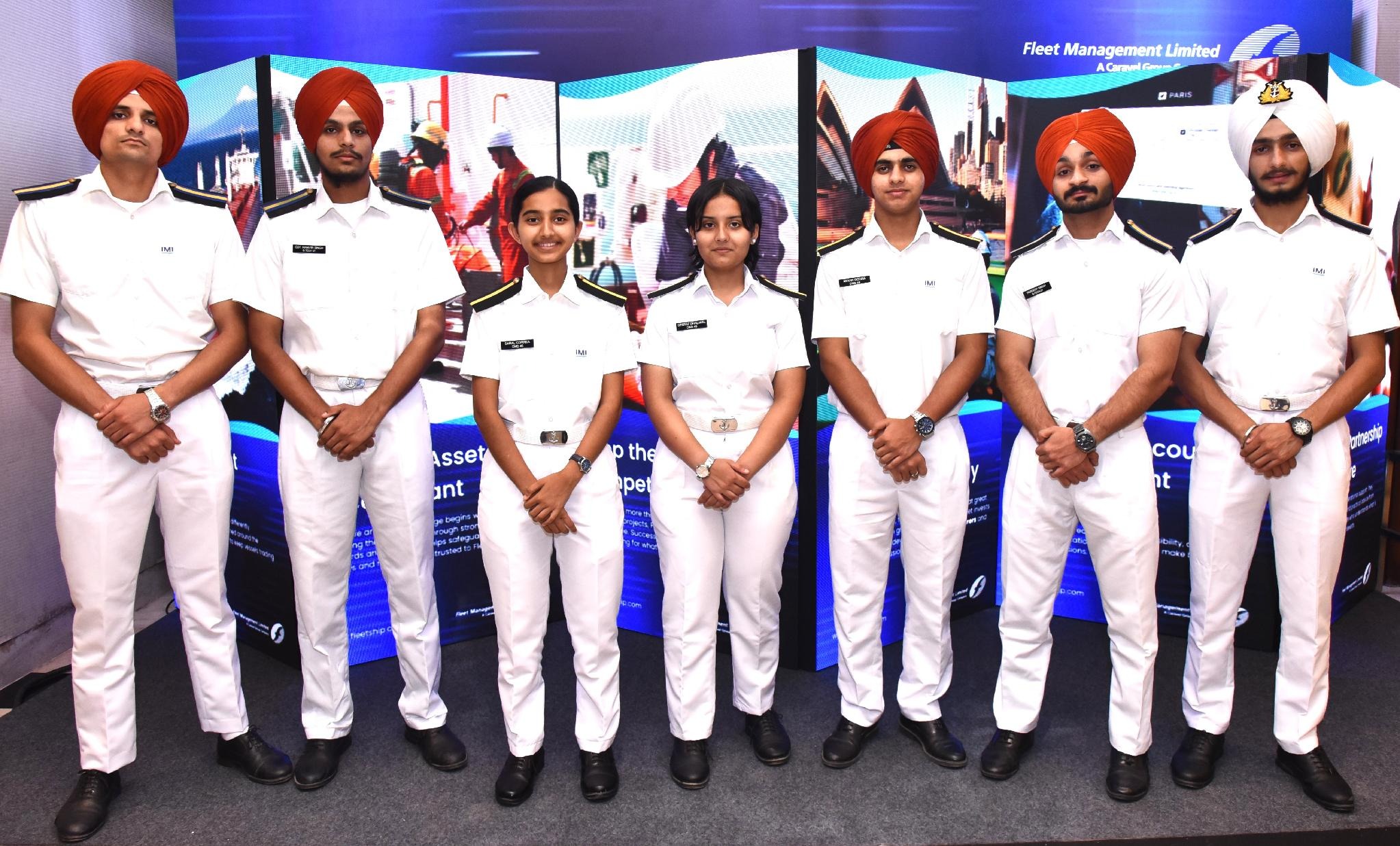
Fleet's training efforts also extend through Fleet Management Training Institute (FMTI) and the International Maritime Institute (IMI), which continue expanding future-fuel and IGF-aligned programmes.
Achieve Immediate Term Outcomes
While the industry debates future fuels, owners still need ships to trade competitively today. That means prioritising measures that improve performance regardless of which fuel pathway ultimately succeeds.
Examples include energy-efficiency technologies, voyage optimisation, emissions transparency and operational improvements.
The results are already visible:
- Fleet's managed fleet recorded a 42% reduction in greenhouse gas intensity against the IMO 2008 baseline, exceeding its 2030 target of 30%.
- Nearly 80% of managed vessels are rated C or above under the Carbon Intensity Indicator (CII) framework.
- Energy-saving technologies have been installed across 74% of managed vessels.
- NOVA Navigation is delivering fuel savings of approximately 5-6% through route and speed optimisation.
- Biofuel consumption increased more than sixfold during 2025.
For Fleet, these are not environmental initiatives but important commercial decisions that reduce fuel consumption, maintain chartering attractiveness and improve long-term asset competitiveness.
The Industry Must Share Risk
Capt. Raja observes the biggest barrier to decarbonisation is not ambition, but uncertainty and who carries the risk.
Shipowners, charterers, technology providers, lenders and regulators each hold part of the answer.
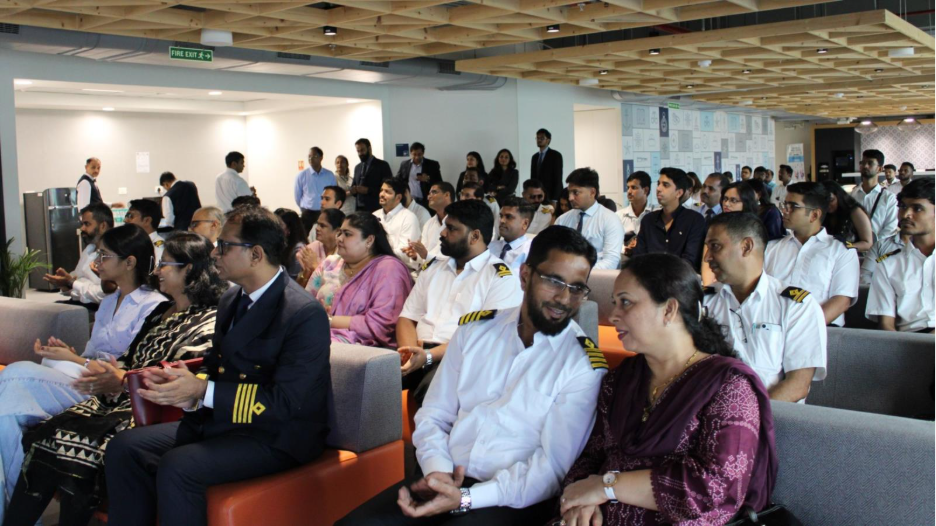
That was one of the themes Fleet brought to the UN Global Compact’s roundtable discussions convened in Hong Kong on 19 November. UNGC's Maritime Just Transition Task Force was formed at COP26 in 2021 with the International Chamber of Shipping, the International Transport Workers' Federation, the IMO, the International Labour Organisation. It exists to support a safe, people-centred shift to zero-carbon shipping. Outputs from the discussion will help inform the 2027 G20 Policy Input Papers on the Ocean Agenda.
The company also continues to contribute to industry initiatives including the Singapore Ammonia Bunkering Feasibility Study, where Fleet acts as lead advisor on vessel design and operational safety. The project is helping demonstrate how future-fuel infrastructure can move from concept to commercial reality.
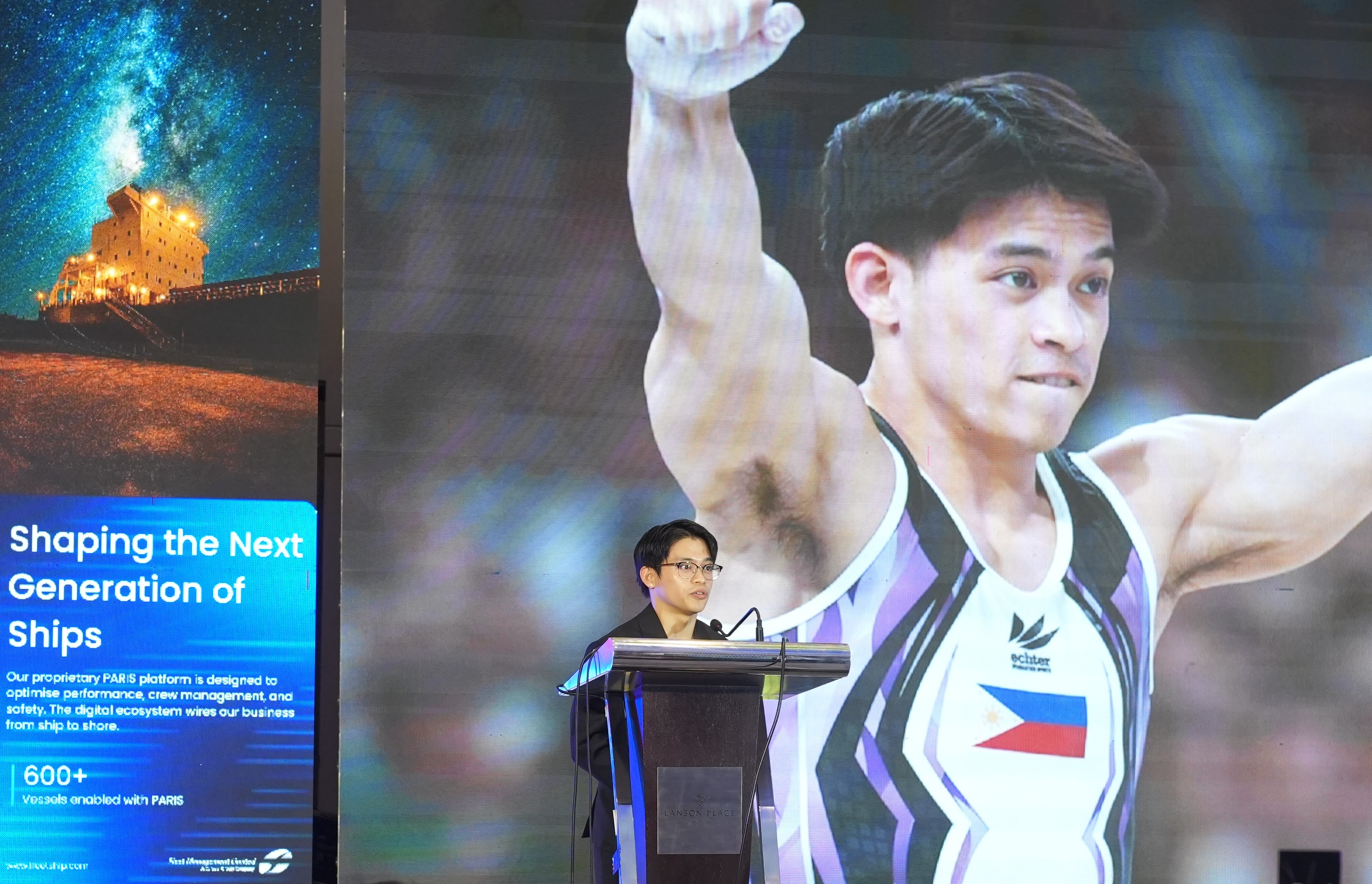
At the same time, Fleet uses operational data from its PARIS platform to support reporting, compliance and sustainability-linked financing discussions with customers and financial institutions.
Fleet's approach to decarbonisation is not about predicting a winning fuel. It is about helping shipowners remain prepared whichever pathway emerges.
That means improving efficiency today, building flexibility into tomorrow's vessels and continuously developing the people who will operate them safely.
In a multi-fuel future, readiness may prove more valuable than certainty.