AS the global maritime industry gears up for its gradual shift to alternative-fuel-powered ships, with administrations and regulators striving to complete the revised version of the STCW Code, shipowners adopting energy-efficient upgrades, and training institutions developing frameworks to upskill seafarers, one company has stayed several steps ahead of the pack.

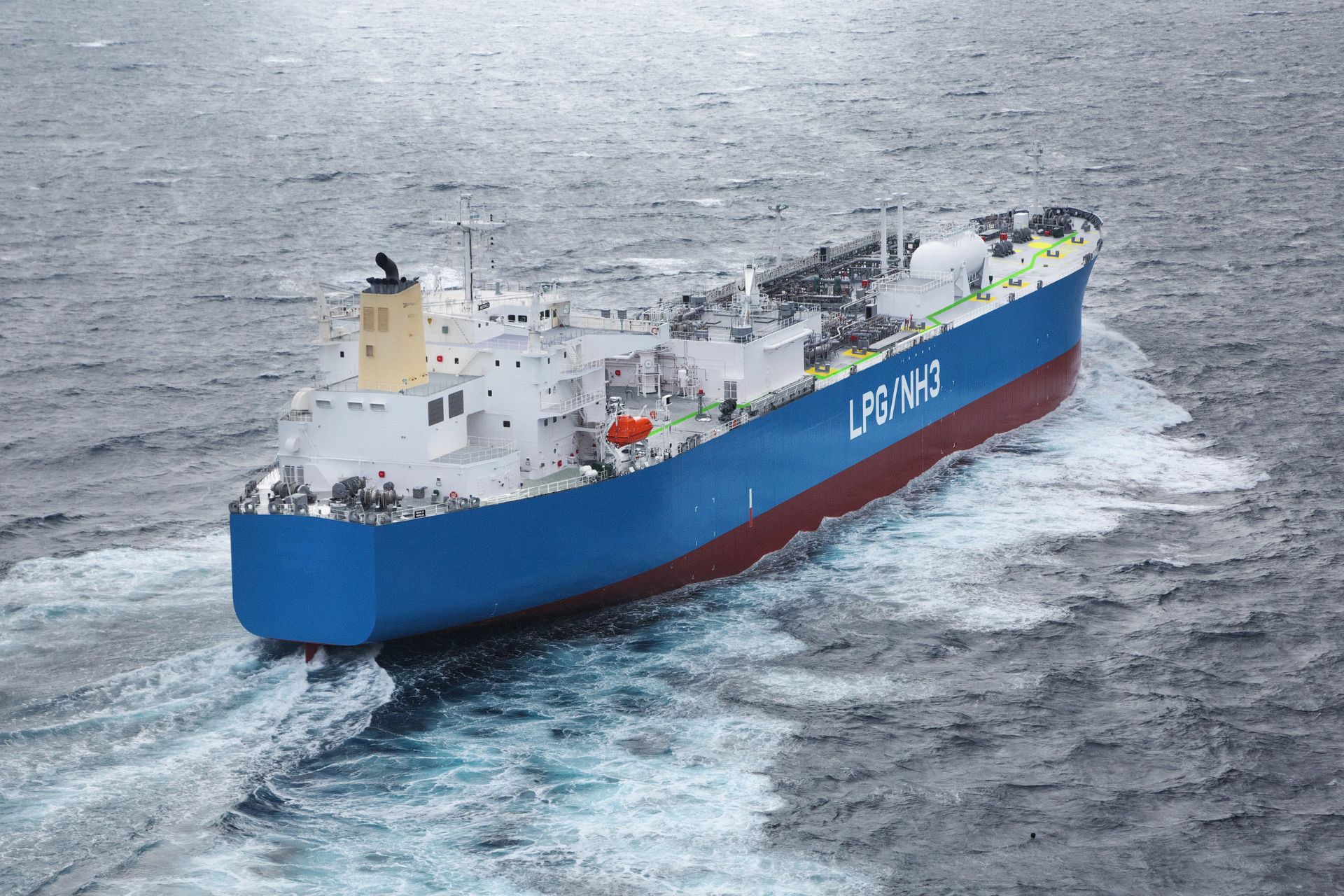
Fleet Management Limited, reputed to be the world’s second-largest ship management company, is already operating new, energy-efficient vessels. It is supported by a vast training infrastructure across three countries to upskill its seafarers in operating alternative-fuelled ships.
As a result of its pioneering initiatives, Fleet Management won the Environmental & Green Transition Award at the Seatrade Maritime Crew Connect Global Awards 2026. The award recognises the company’s work to reduce emissions across its managed fleet while building the capabilities needed to support shipping’s energy transition.
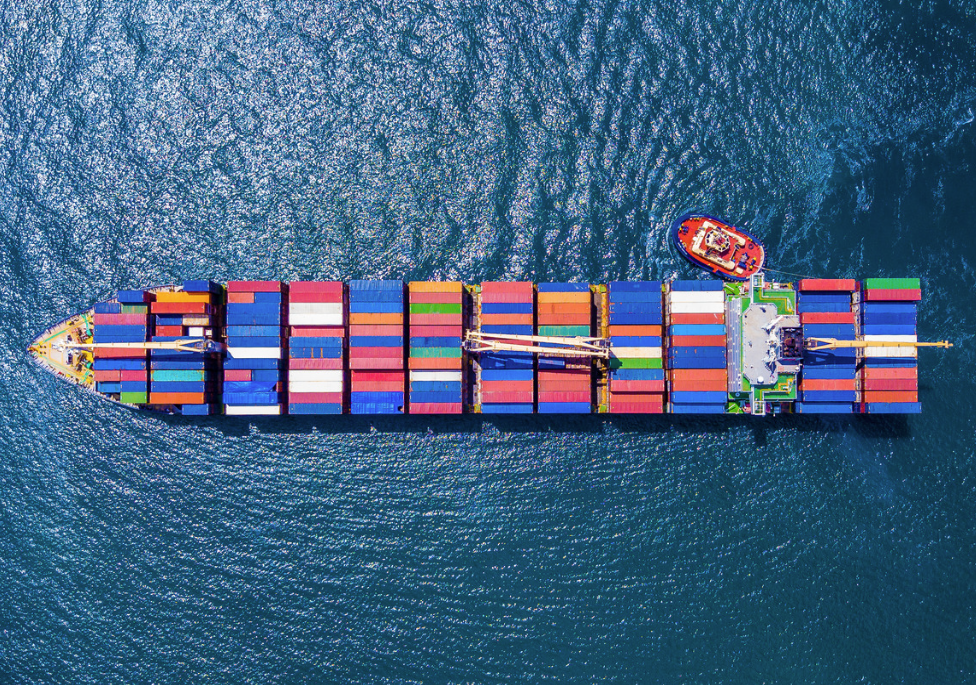
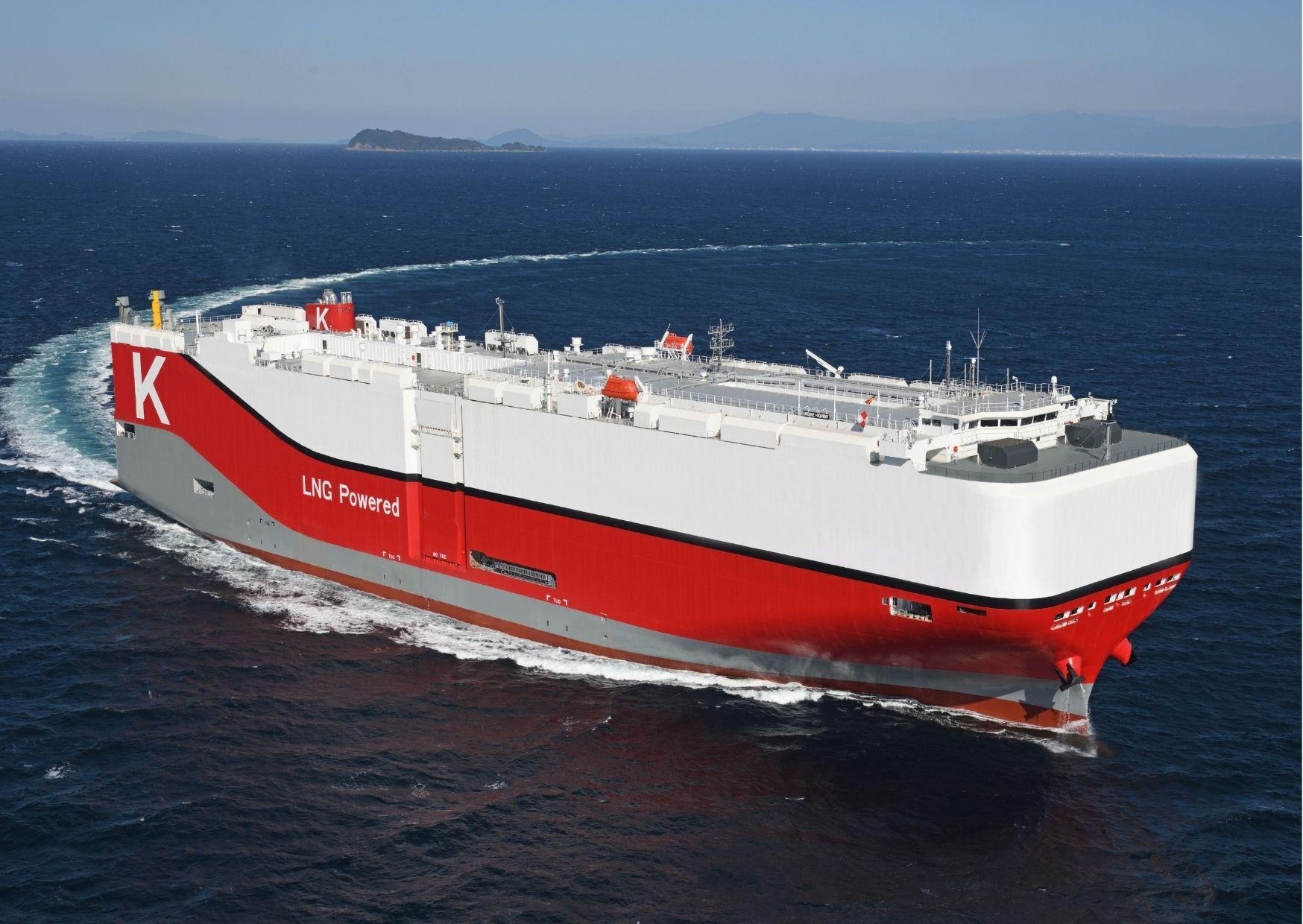
An October 2026 study by the World Shipping Council on the global fleet’s preparation for Net-Zero 2050 revealed that dual-fuel vessels comprise 65 percent of containership and 97 percent of car carrier shipbuilding orderbooks. Dual-fuel technology allows vessels to run on both conventional marine fuels and alternative options like liquefied natural gas, methanol or ammonia.
Net-Zero 2050 is a global target to curb climate change by balancing the amount of greenhouse gases produced by human activity with the amount removed from the atmosphere.
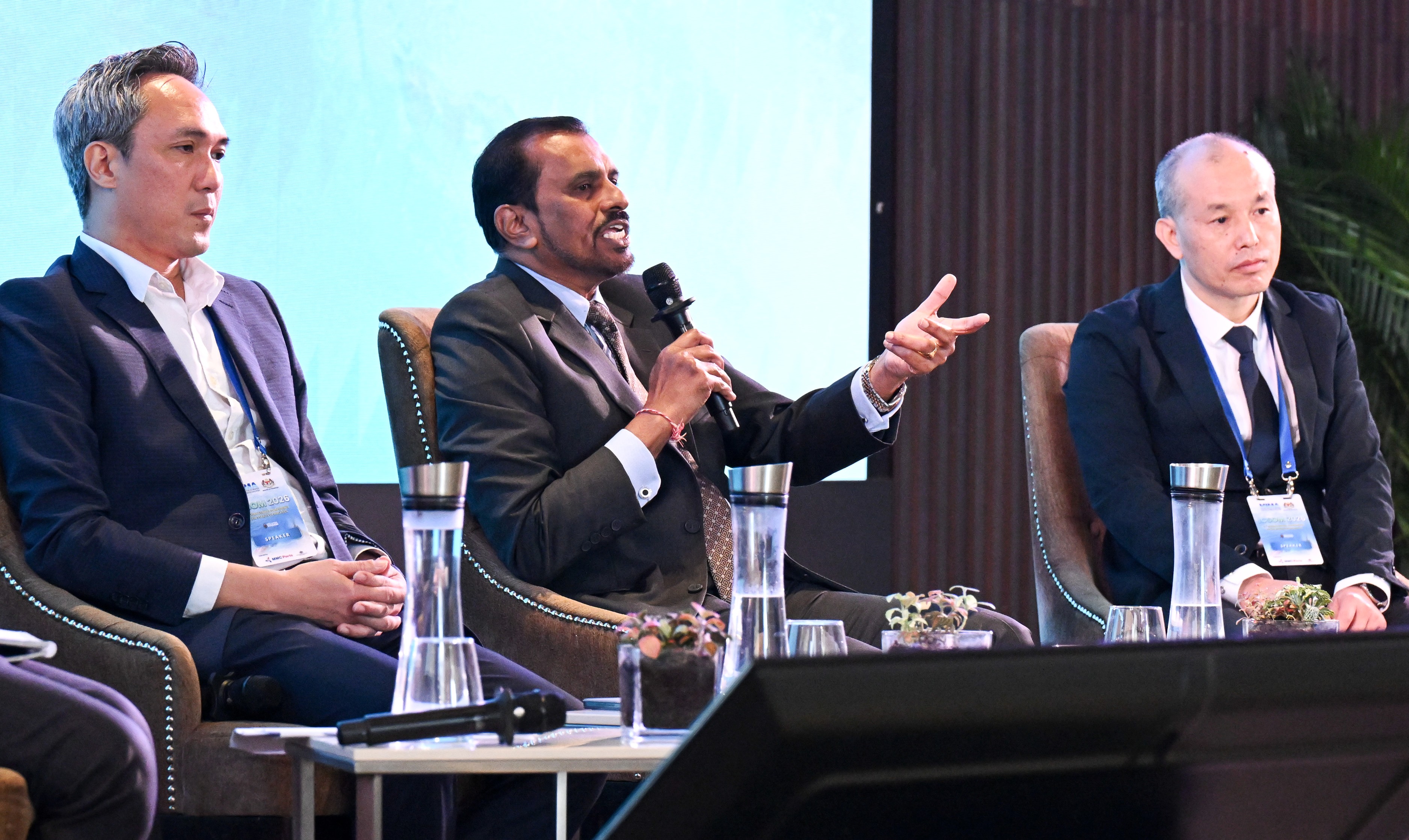
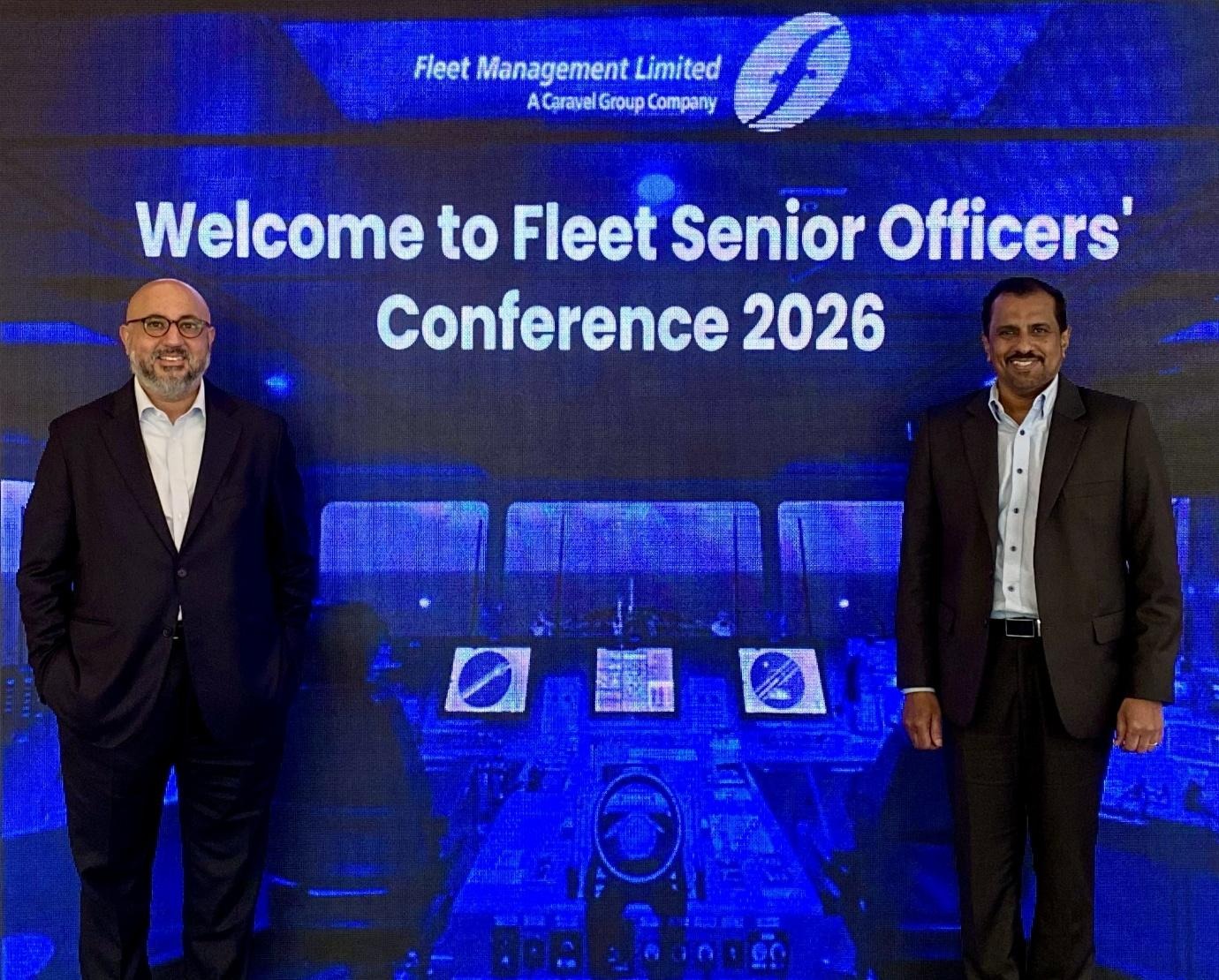
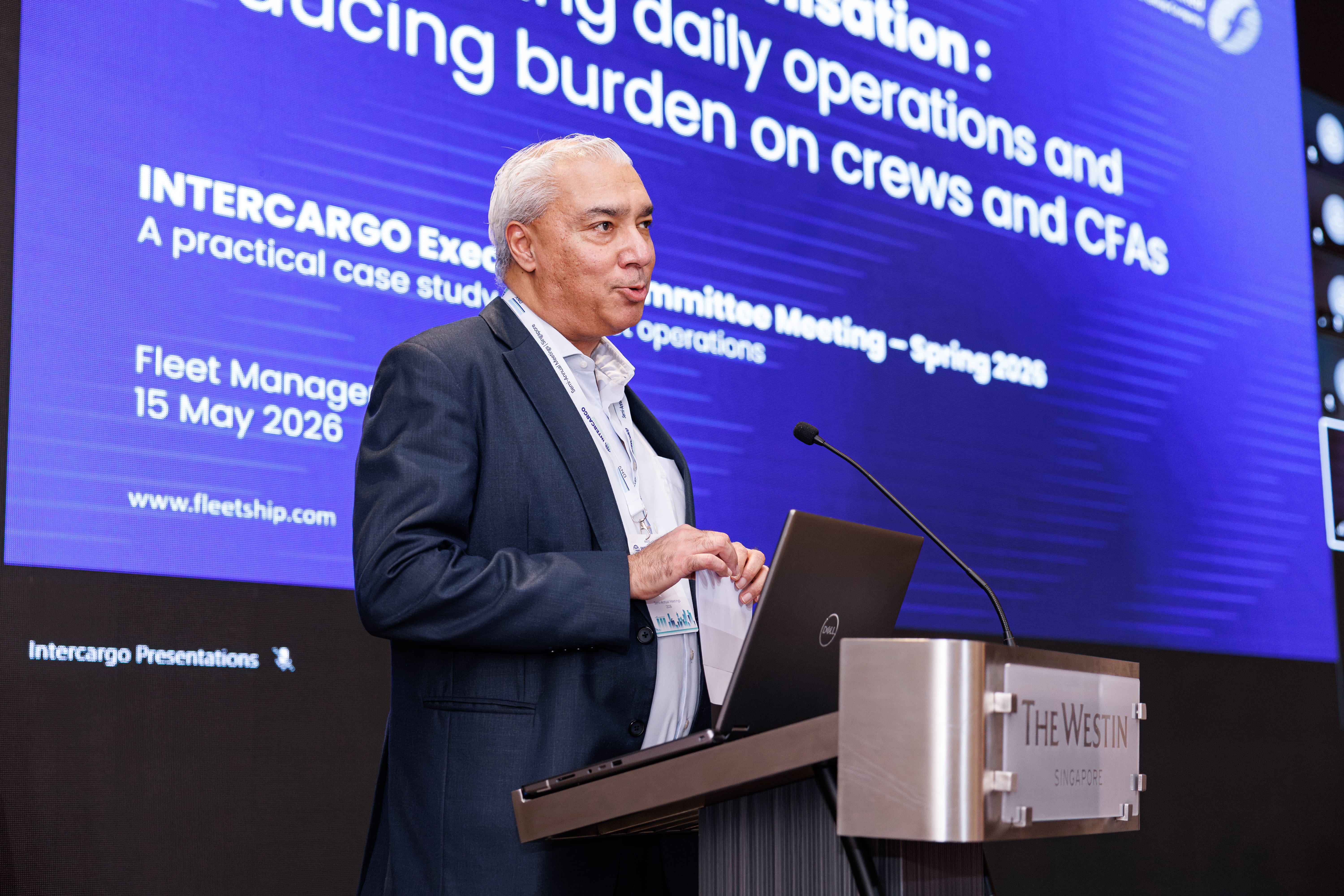
“Decarbonisation is already here, and we need trained and certified seafarers for that,” said Capt. Somasundar Nair, executive director of the Fleet Personnel Department.
Nair’s observation is anchored in experience, as Fleet Management already operates more than 30 dual-fuel ships.
“We do continuous training onboard dual-fuel ships, and our shareholders are very kind in giving us the opportunity and resources to train these seafarers. We are geared up for the challenge, and we are quite positive that we will be able to handle it,” he said.
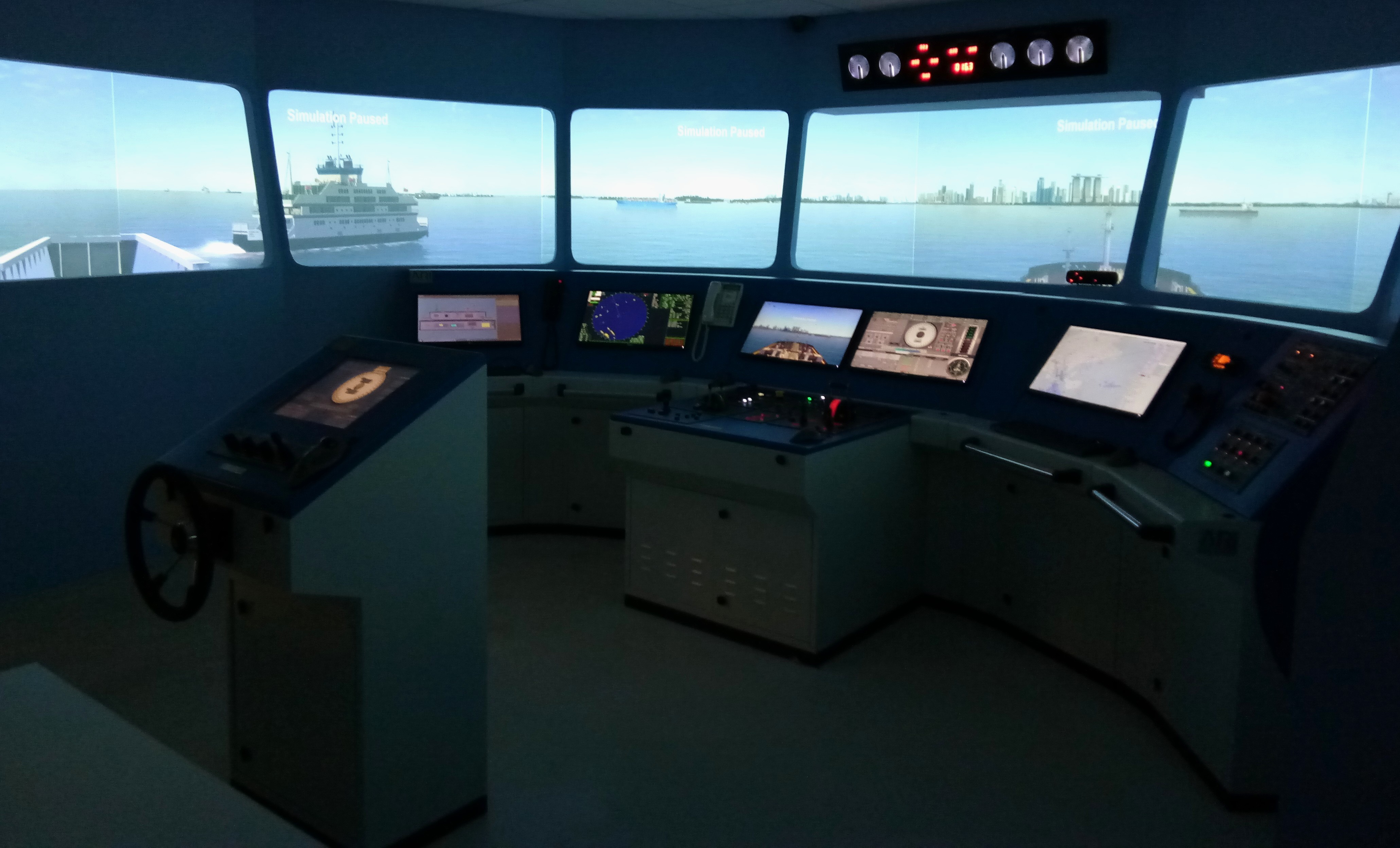
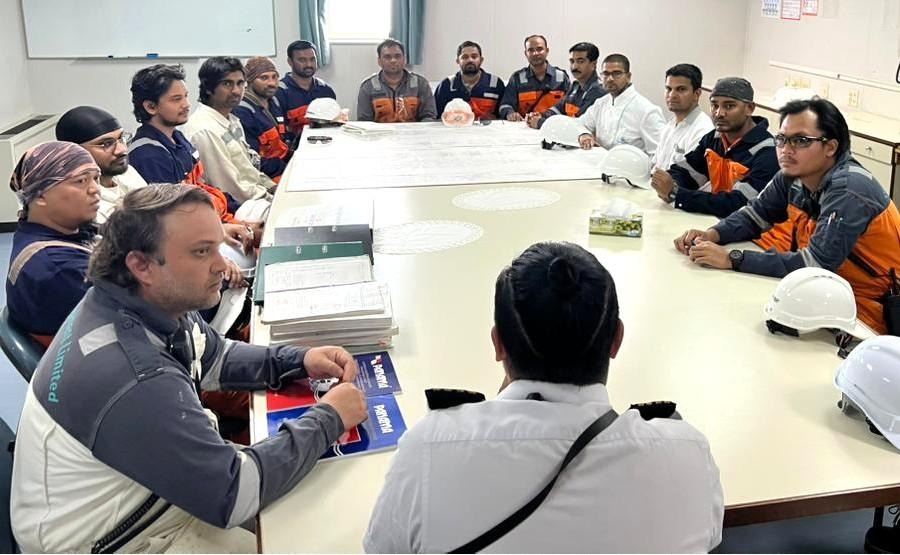
In the face of these changes and challenges, Fleet Management ensures the safety of its seafarers through its maritime training centres in Mumbai, New Delhi, China and Manila, which are run by dual-fuel experts.
“Last year, the Caravel Group, owner of Fleet, acquired a training institute in Delhi that has capability for IGF Code and a variety of other courses. We have the infrastructure, we have the knowledge, and we have in-house subject matter experts, so we are geared up for any challenges that are thrown at us,” Nair said.
The IGF Code refers to the International Code of Safety for Ships Using Gases or Other Low-Flashpoint Fuels.
“We are proud of what we do, and we want to make sure that we deliver what is in our plans. We try to be ahead of the game,” he added.
Ensuring seafarer safety until STCW Code revision
The Standards of Training, Certification and Watchkeeping (STCW) Code is currently undergoing a comprehensive review by the International Maritime Organization (IMO), marking an update from its 2017 edition.
The revision will address major trends in maritime operations, including digitalisation, automation, decarbonisation, cybersecurity, advanced training technologies, and personal safety and social responsibilities.
Phase 2 of the review identified more than 400 gaps in the existing framework that are expected to be addressed by 2029.
Even as these regulations are still being written and reviewed by the IMO, seafarers are already working aboard dual-fuel ships, relying on the Generic Interim Guidelines on Alternative Fuels approved and issued in 2025.
But how safe is it for seafarers to crew alternative-fuel ships while permanent guidelines are still being drafted?
Nair remained confident that the safety aspects of ship operations for decarbonised vessels are covered in these interim guidelines.
“It’s what we have now, and it’s much better than nothing. Every good company who wants to man these kinds of ships will surely look at these guidelines and train their seafarers in that aspect,” he said.
“Regulators have always been responsible for these things, but at the end of the day, shipowners and ship managers will go the extra mile to make sure that their seafarers are safe. The due diligence will still be on the part of the company, and we need to gear up to make sure our seafarers are ready for these challenges,” he said.
Credit: This article was originally published in The Manila Times (25 November 2026): Fleet Management wins top green award at Crew Connect 2026