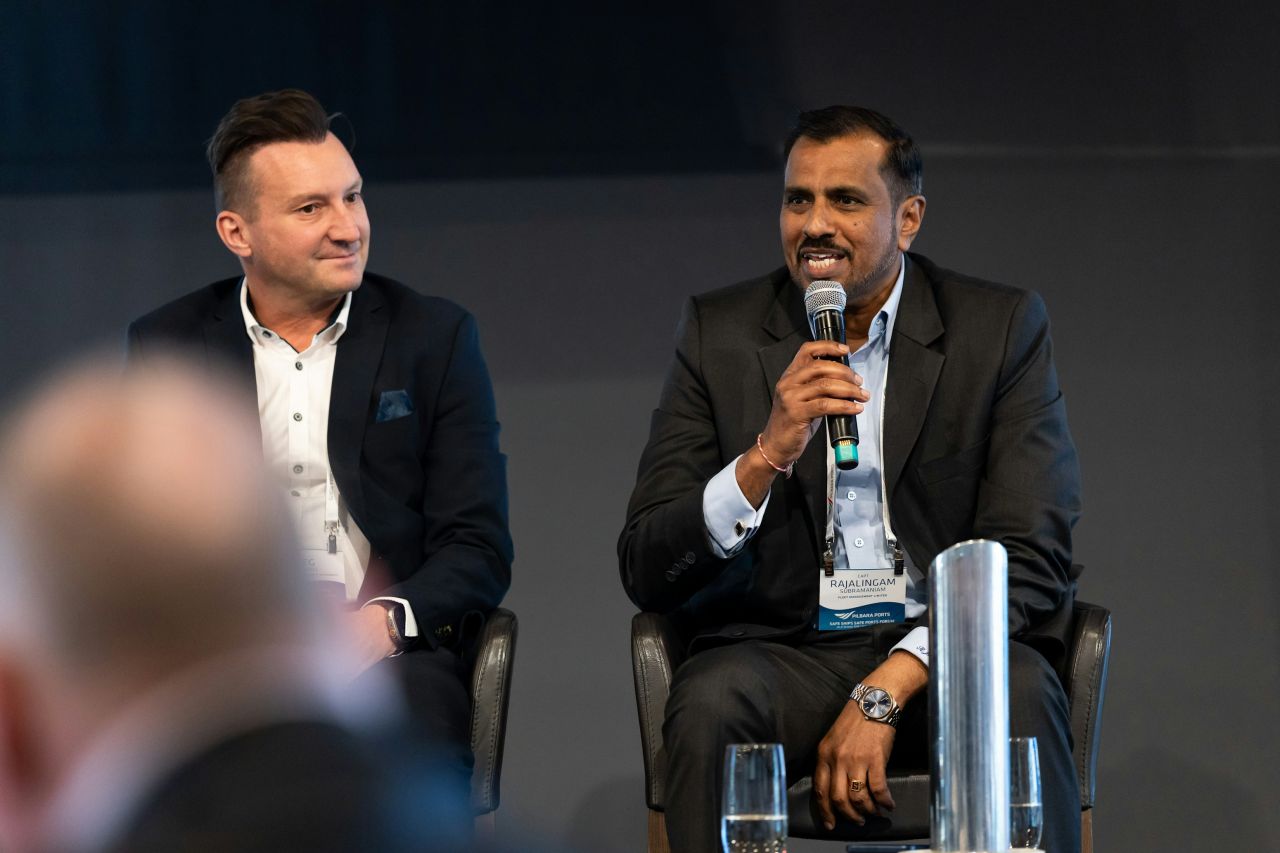
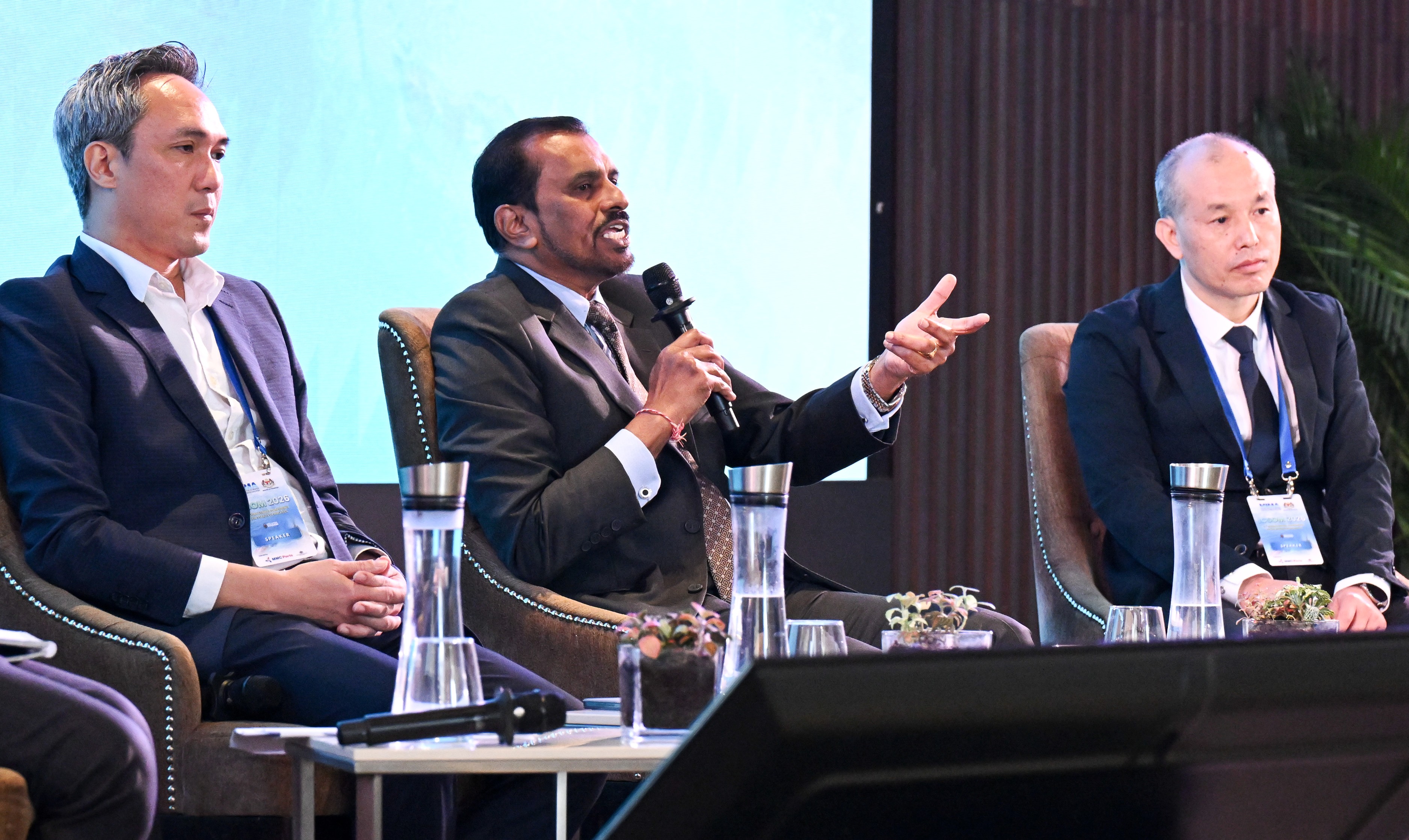
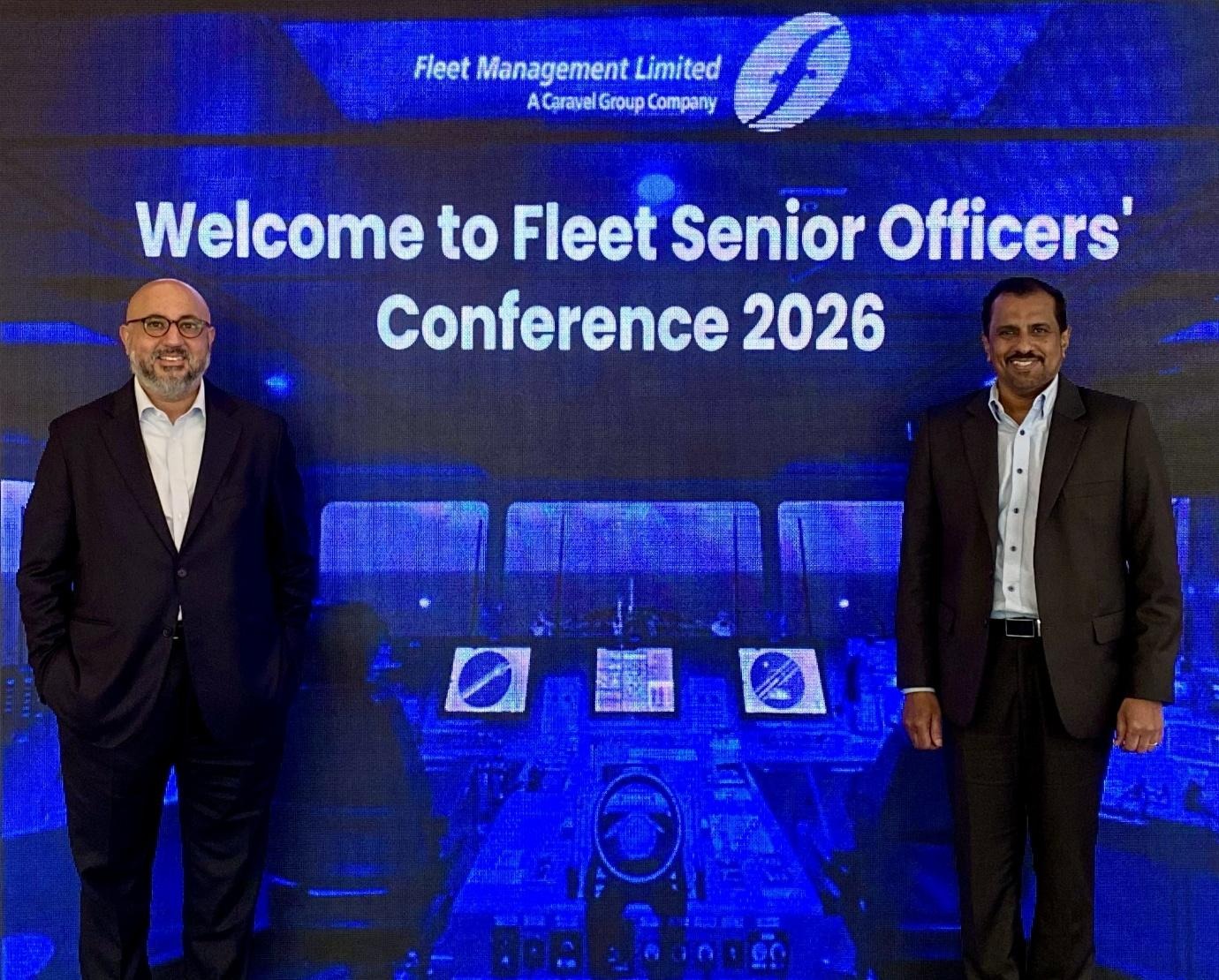
At Seatrade Maritime Crew Connect Global, Capt. Somasundar Nair, Executive Director, Fleet Personnel Department, joined regulators, industry leaders and maritime educators to discuss one of the most important questions facing shipping today. Are global training standards keeping pace with the future of shipping?
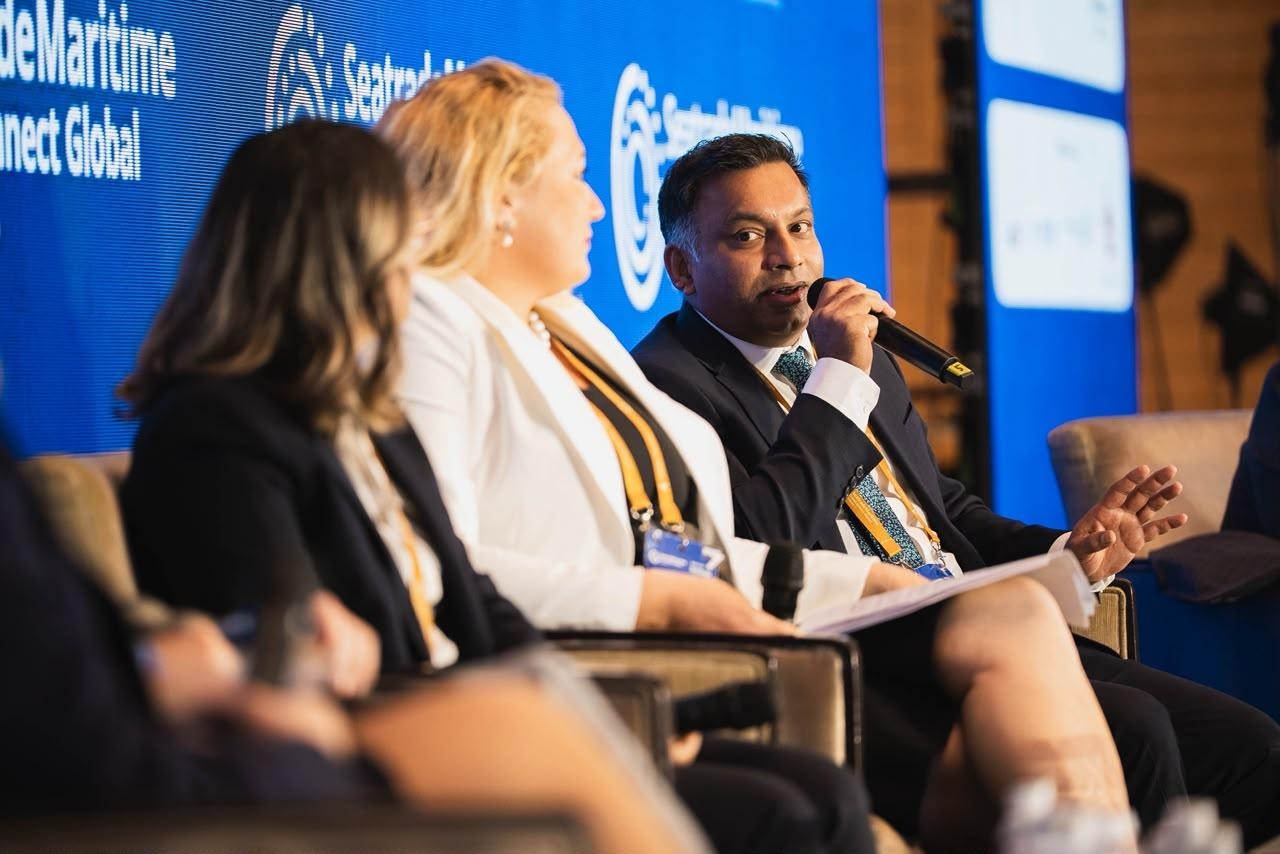
The discussion centred on the ongoing review of the International Convention on Standards of Training, Certification and Watchkeeping for Seafarers (STCW). With more than 400 gaps identified across emerging areas including alternative fuels, automation, cyber resilience and wellbeing, the industry now faces an important task: ensuring training standards remain relevant to the realities of modern shipping.
Regulation Must Keep Pace with Reality
Global standards play a critical role in ensuring consistency, safety and competency across the industry. However, technological and operational changes are advancing faster than regulatory frameworks can often respond.
New vessel technologies, digital systems and changing operational requirements are already reshaping shipboard roles. As the industry adapts, seafarers need the skills and confidence to operate safely in increasingly complex environments.
The objective is not simply to update regulations, but to ensure training remains relevant to the realities seafarers face on board every day.
Future Fuels Demand New Competencies
Among the priorities identified during the discussion, future fuels stood out as an area requiring urgent attention.
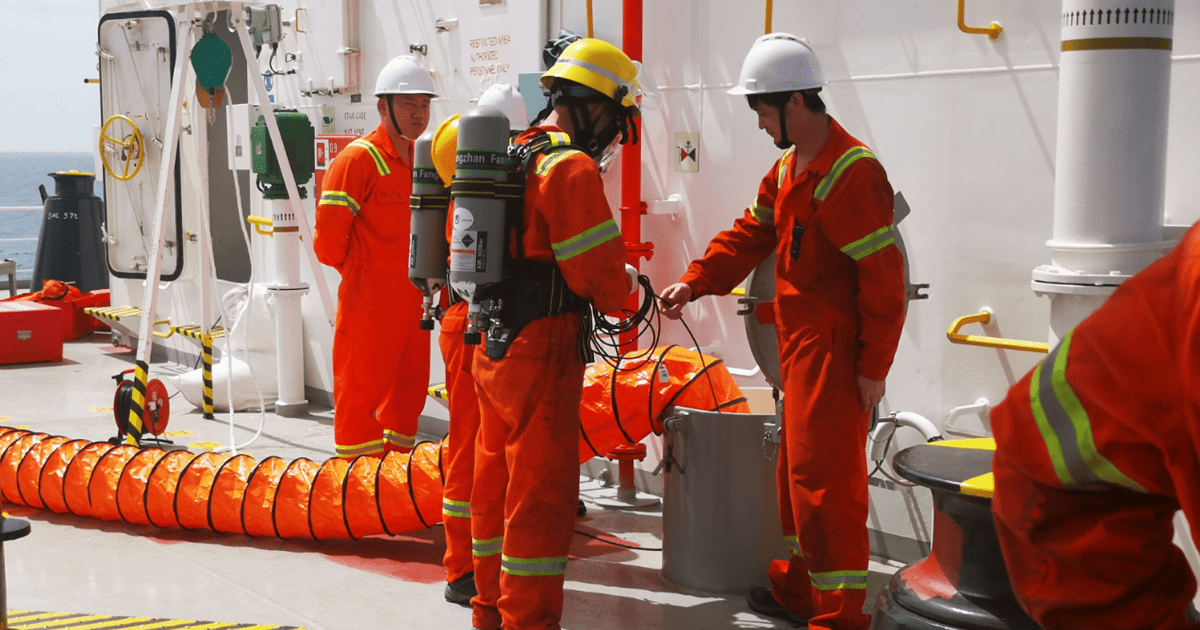
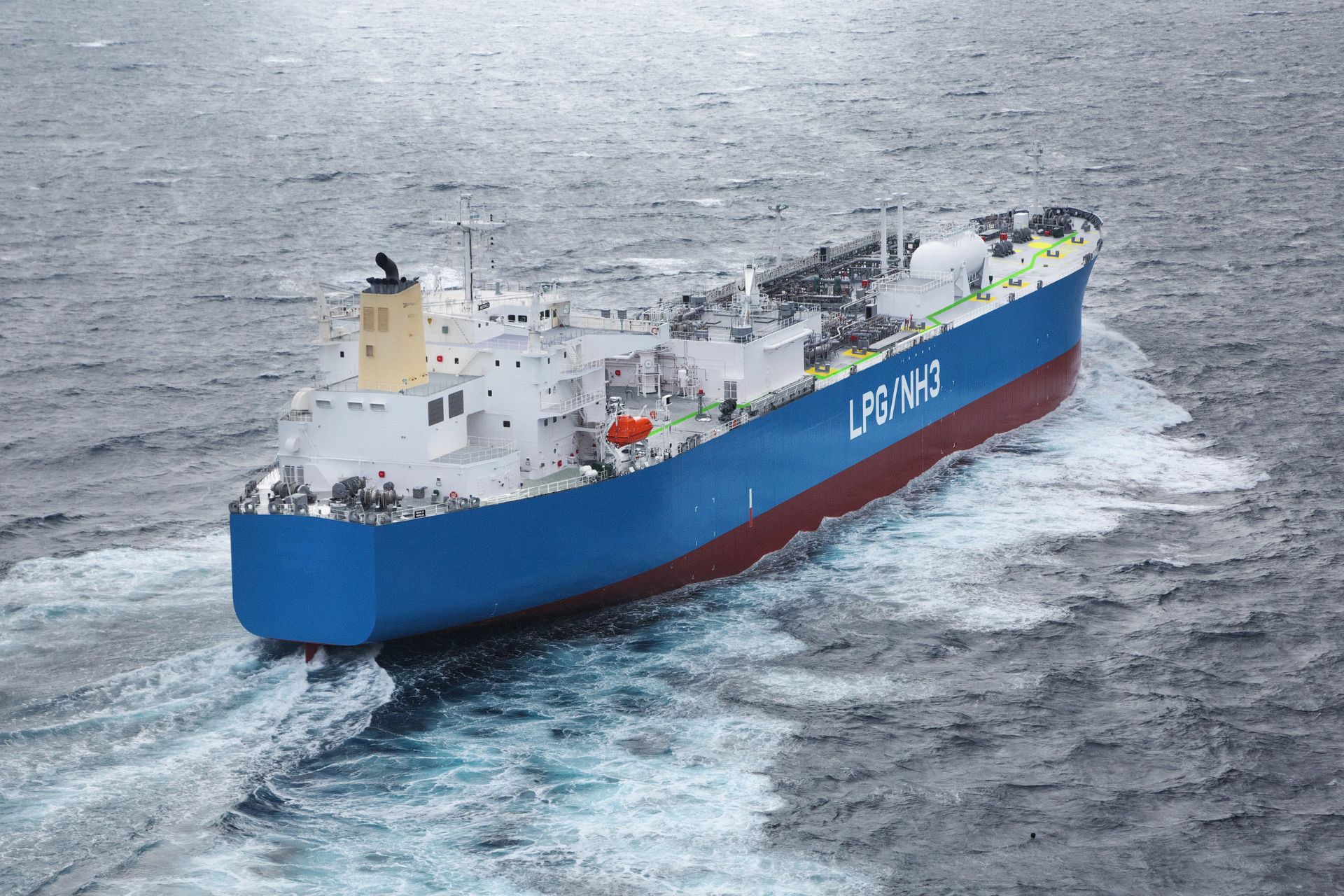
Vessels powered by LNG, methanol, ammonia and hydrogen are already entering service. Each brings new operational procedures, safety considerations and competency requirements.
While the transition to lower carbon shipping is gathering momentum, training standards must ensure crews are prepared to operate these vessels safely and confidently.
Capt. Soma emphasised that future fuel training should be one of the first areas addressed under the STCW review.
"Priority should follow risk, and risk appears first on board our ships."
Globally recognised competency standards, practical training requirements and harmonised certification pathways will be essential as alternative fuels become more widely adopted across the industry.
Modern Learning for Modern Ships
The discussion also highlighted the need to modernise maritime education and training.
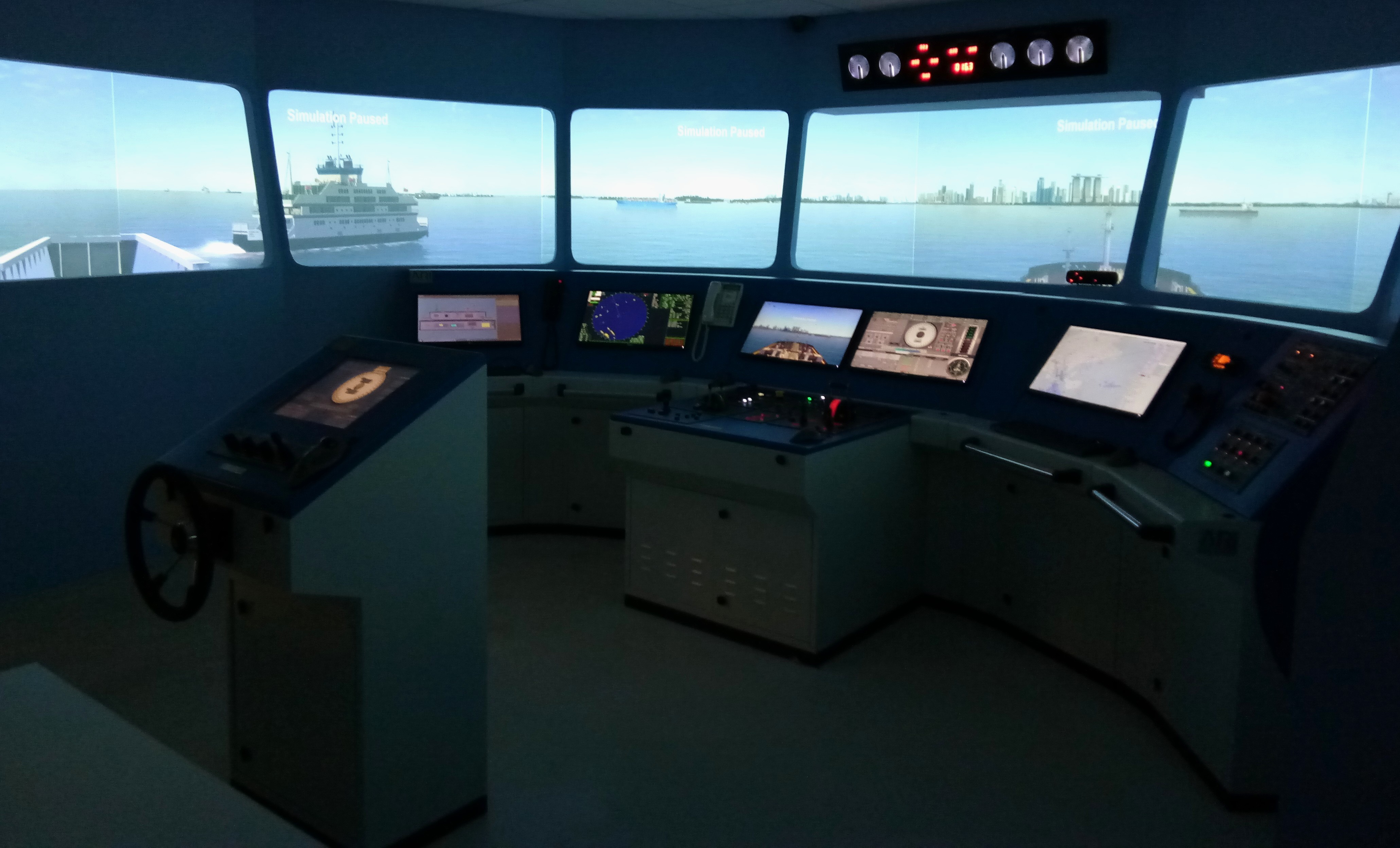
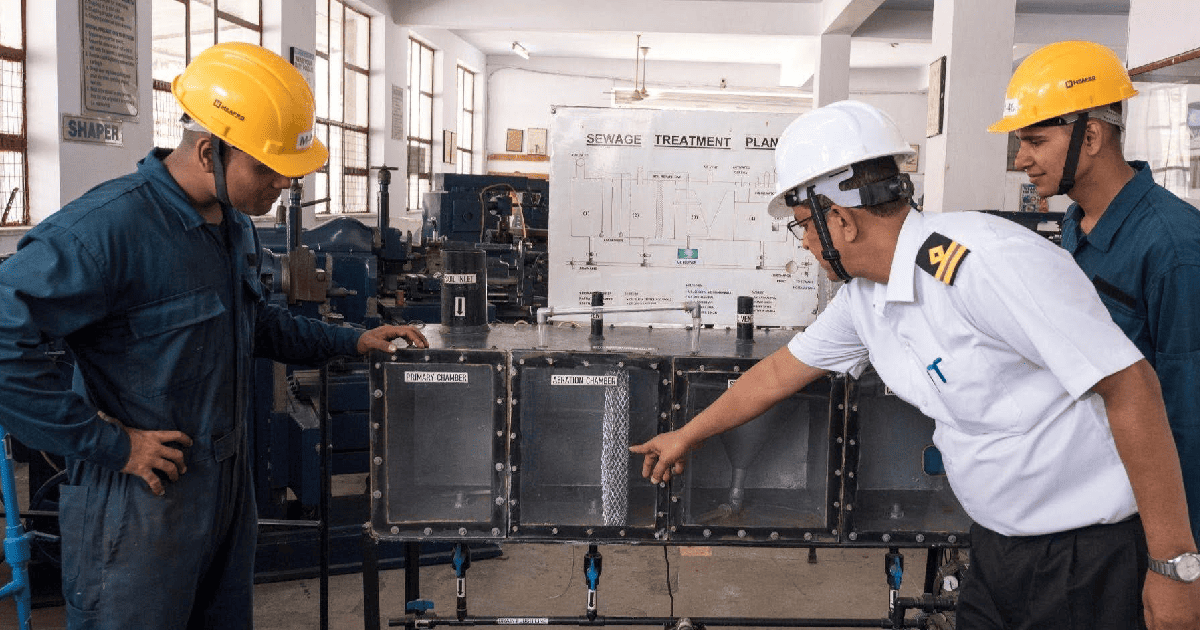
While classroom learning remains important, today's training environment offers far greater opportunities through simulation, digital learning platforms and remote assessment tools.
Clear international guidance on how these technologies can be integrated into training programmes would help training providers deliver more flexible and effective learning experiences without compromising standards.
Modernising training delivery is not about replacing traditional methods. It is about giving seafarers access to the most effective tools available to build competence throughout their careers.
Wellbeing Is a Safety Issue
The future of maritime training is not defined solely by technical competence.
As the industry continues to focus on attracting and retaining talent, wellbeing, psychological safety and professional conduct have become increasingly important considerations.
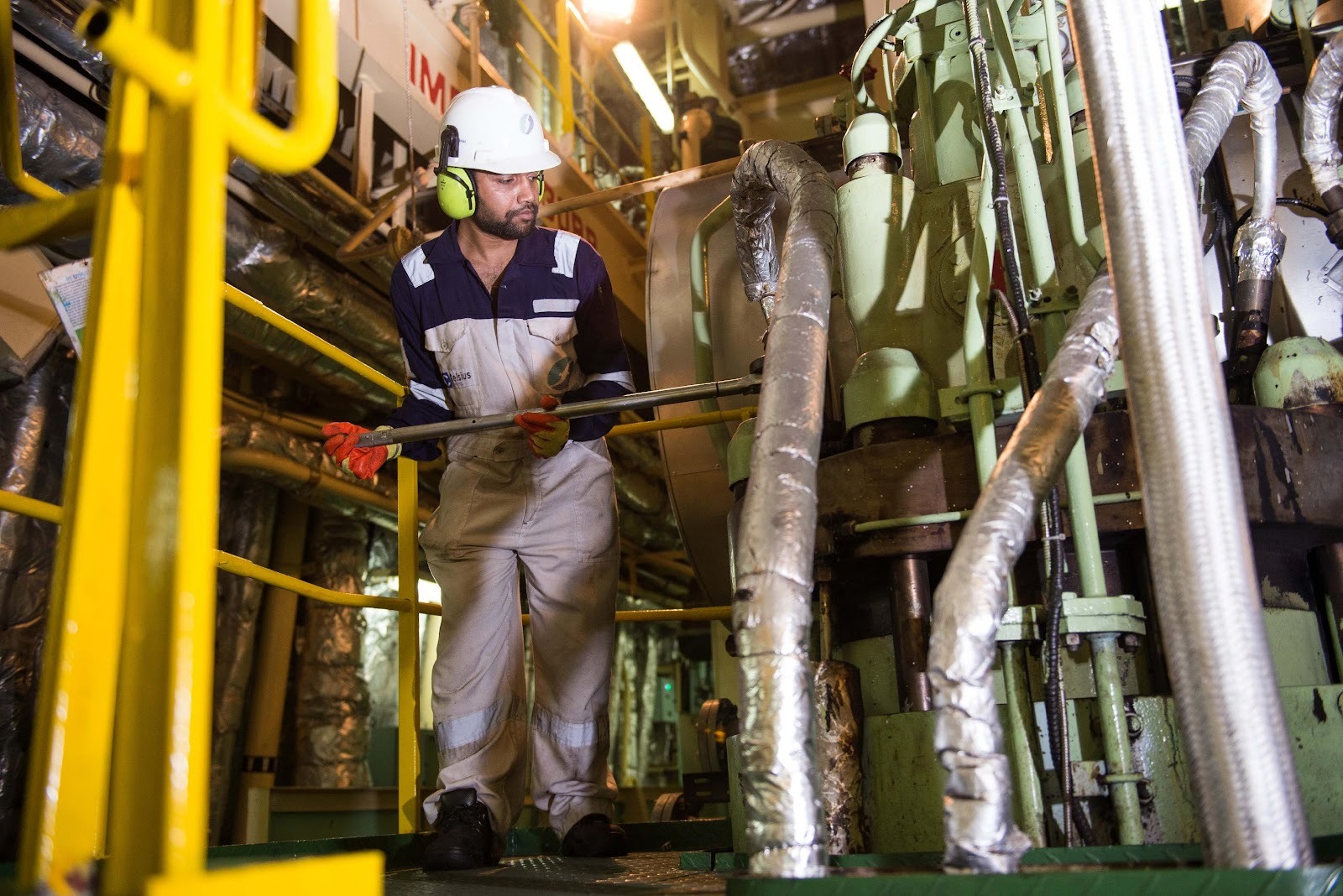
Capt. Soma noted that wellbeing should be viewed as an operational and safety issue, not simply a welfare initiative. Fatigue management, recognising signs of distress, preventing harassment and fostering a culture where people feel able to speak up all contribute to safer operations and stronger teams.
Building Competence Beyond Compliance
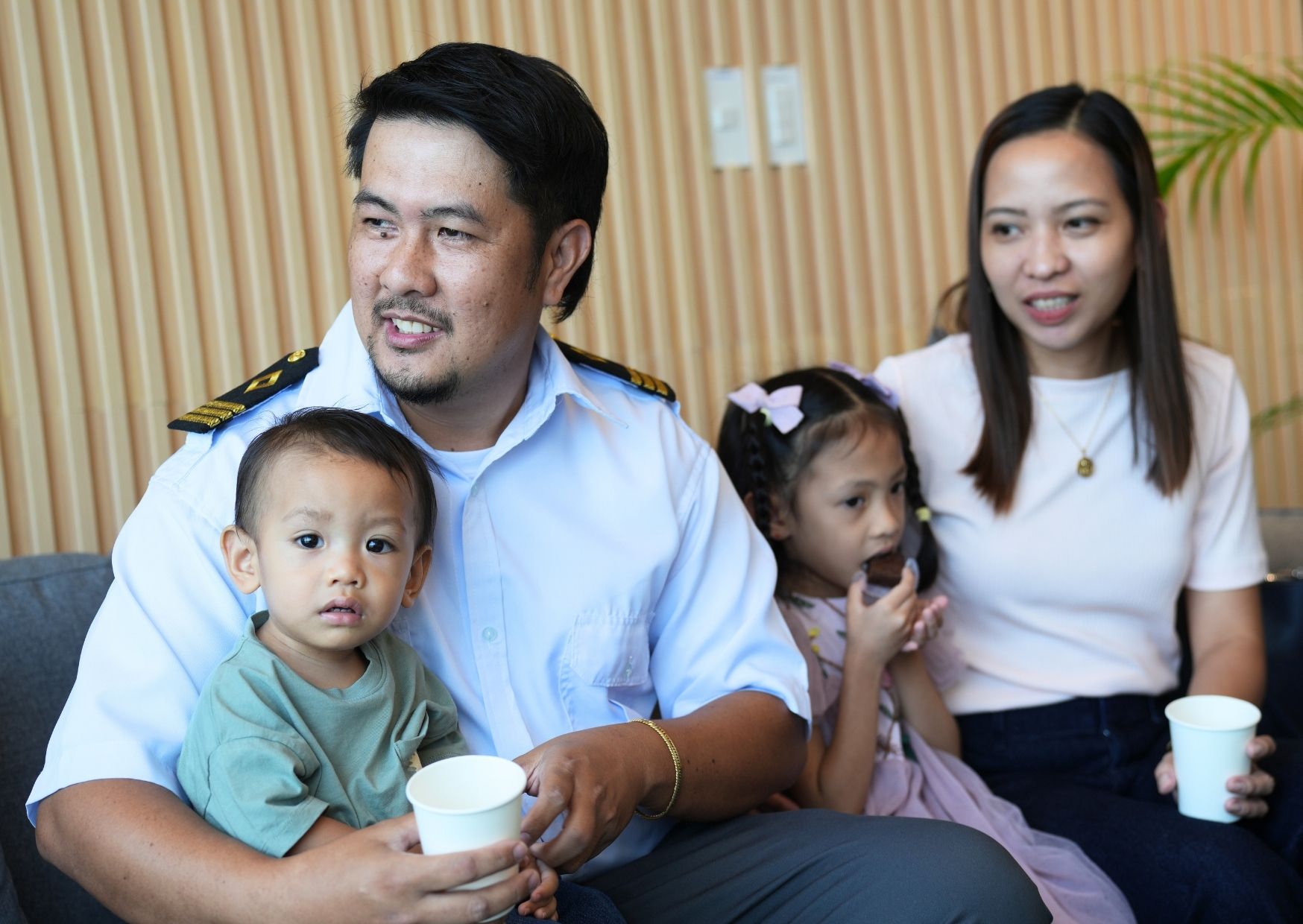
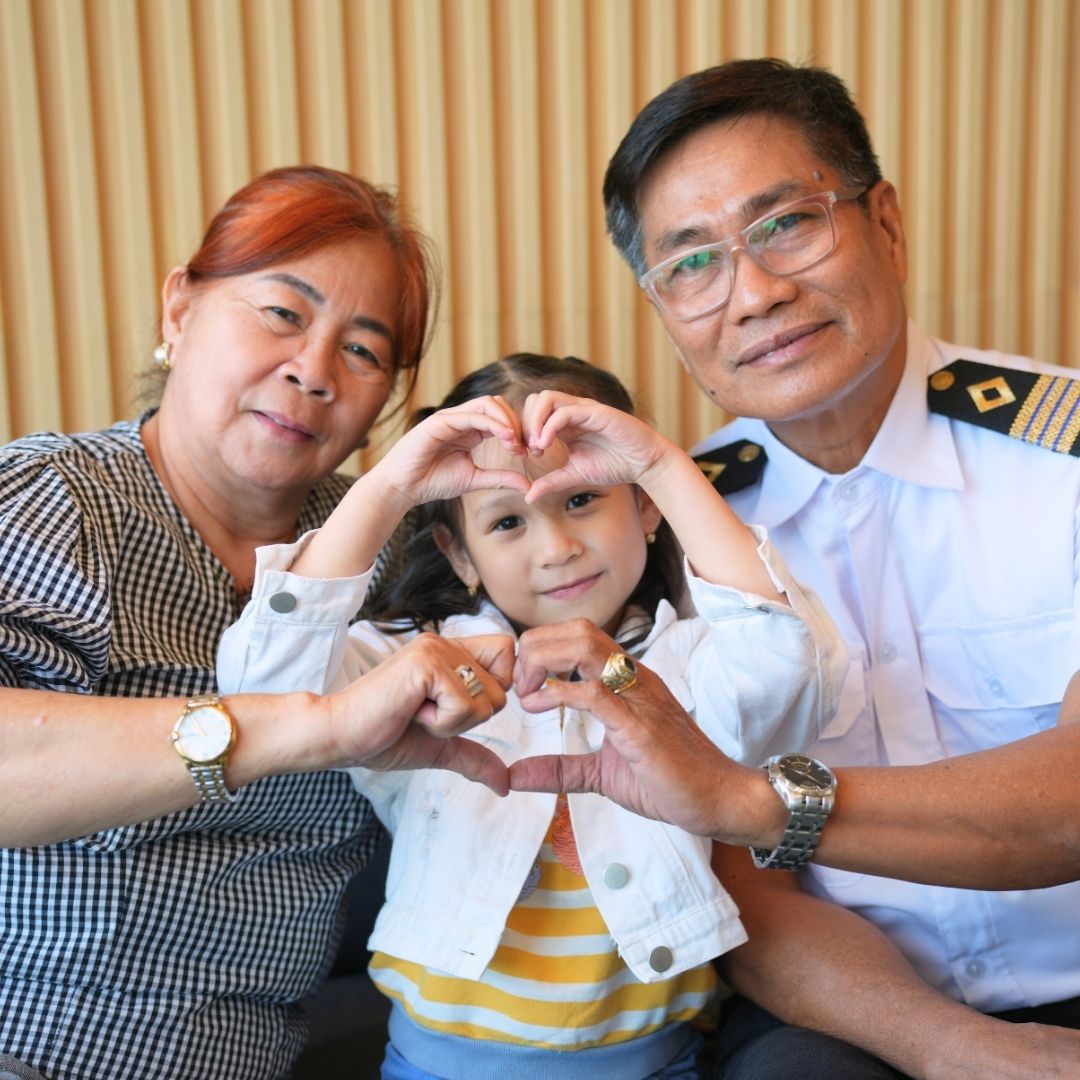
At Fleet Management, many of these priorities are already being addressed through investments in future fuel readiness, simulator training, leadership development and Fleet Care programmes that support seafarers and their families.
However, industry progress cannot depend on individual organisations alone.
The STCW framework establishes the baseline for maritime competence globally. Ensuring that standard remains relevant is a shared responsibility between regulators, training institutions and industry stakeholders.
As shipping continues its energy transition and digital transformation, the industry needs a training framework that equips seafarers not only for the ships of today, but also for those of tomorrow.
An Opportunity the Industry Cannot Miss
Capt. Soma concluded that the ongoing STCW review represents a significant opportunity to strengthen the foundations of maritime safety and professionalism.
The future of shipping will depend on the people who operate it. As vessels, fuels and technologies continue to evolve, the framework that underpins global maritime training must evolve with them. The STCW review presents an opportunity to strengthen the foundations of competence, safety and professionalism for the next generation of seafarers.
Ultimately, the goal is not compliance for its own sake. It is ensuring seafarers have the competence, confidence and support they need to operate safely, adapt to change and sustain the future of global shipping.