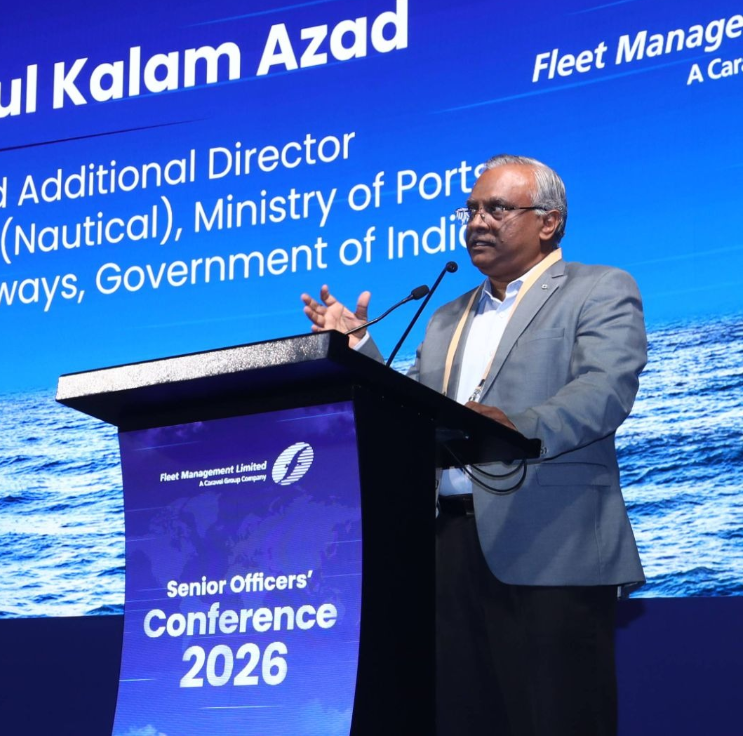
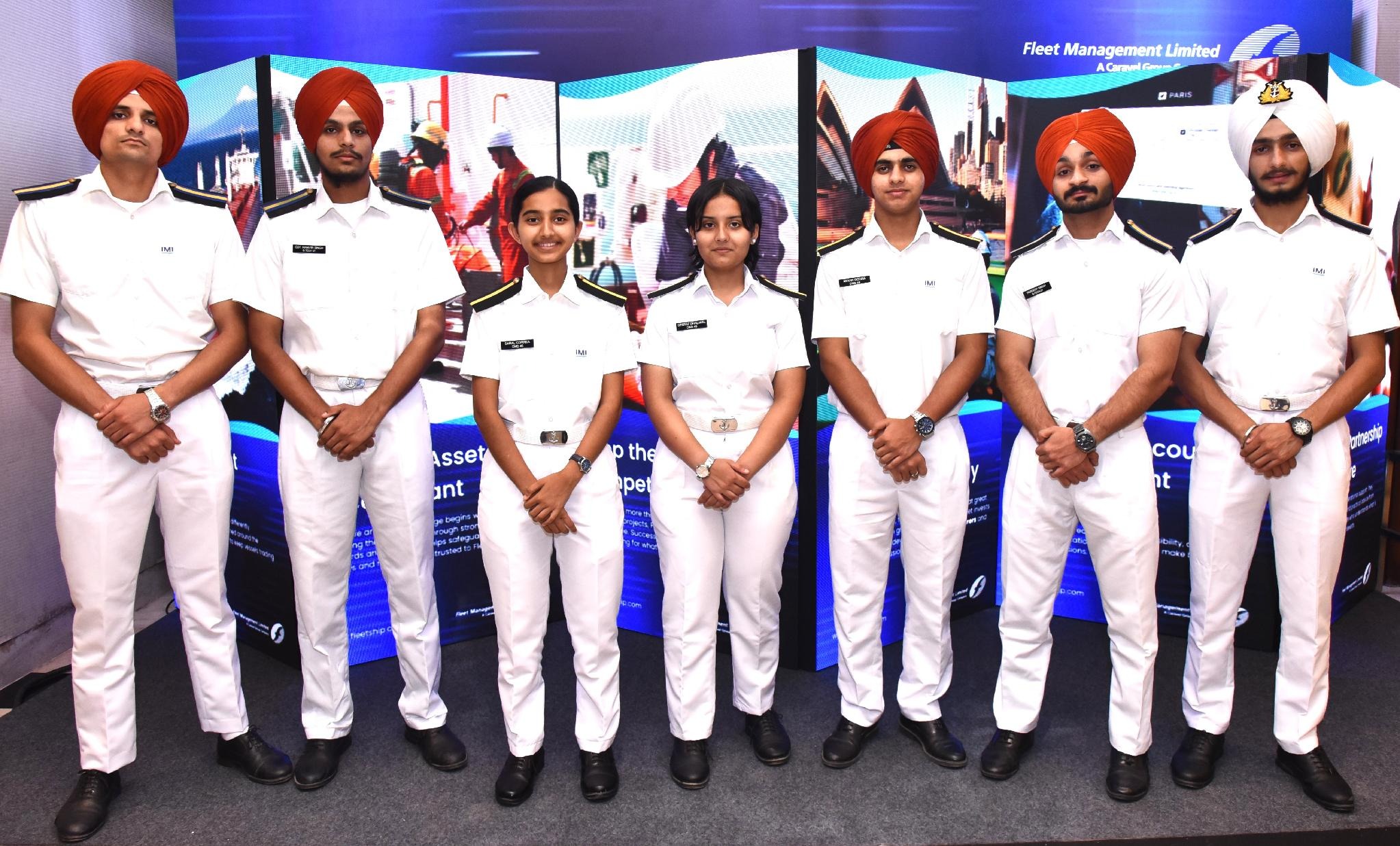
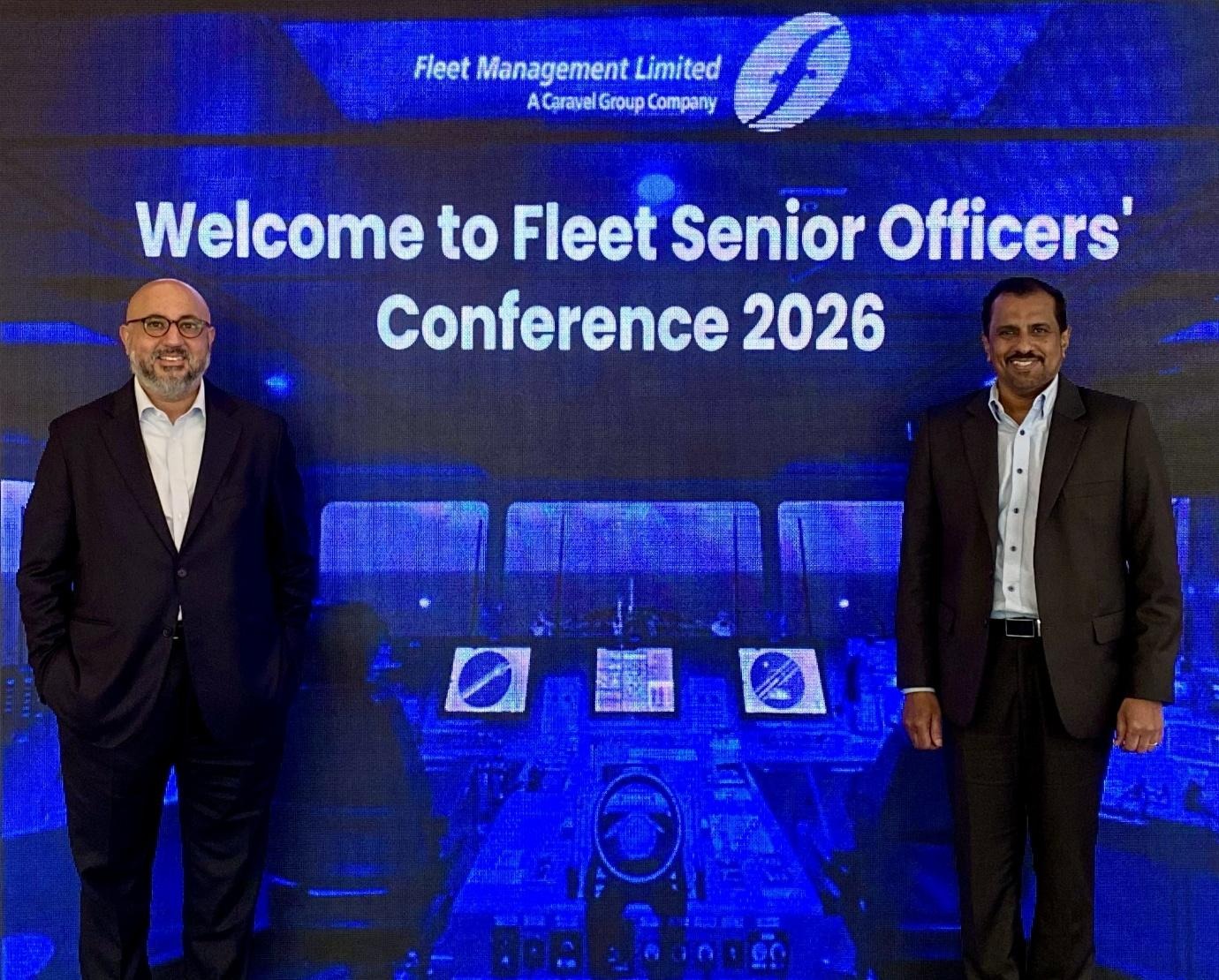
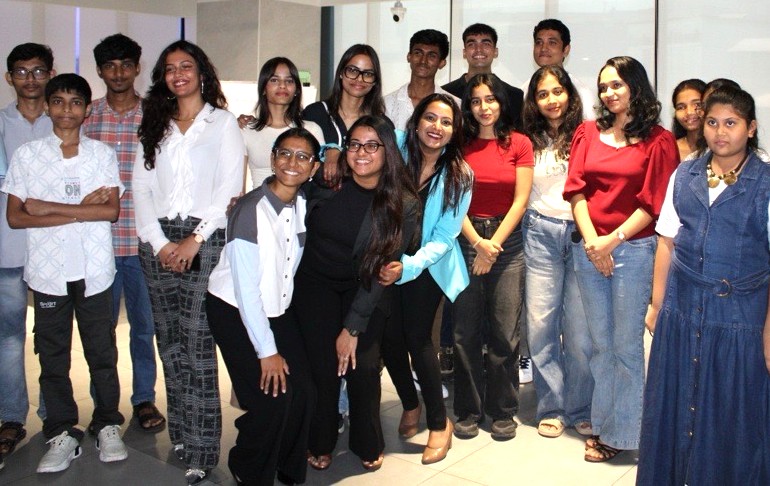
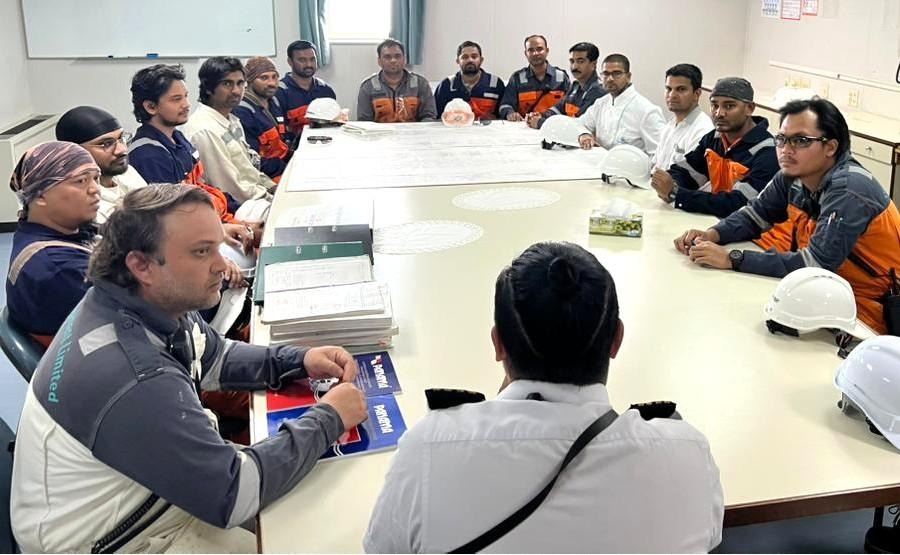
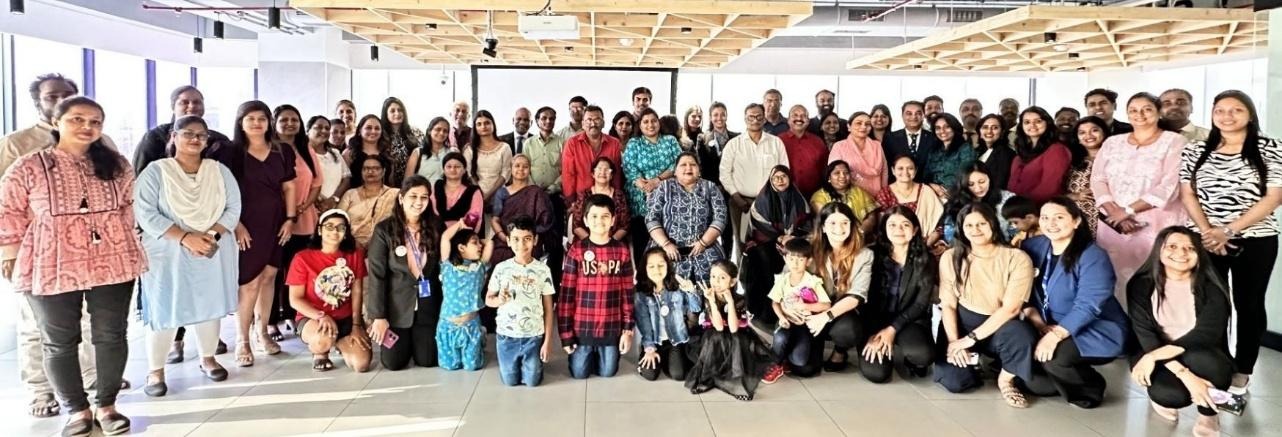
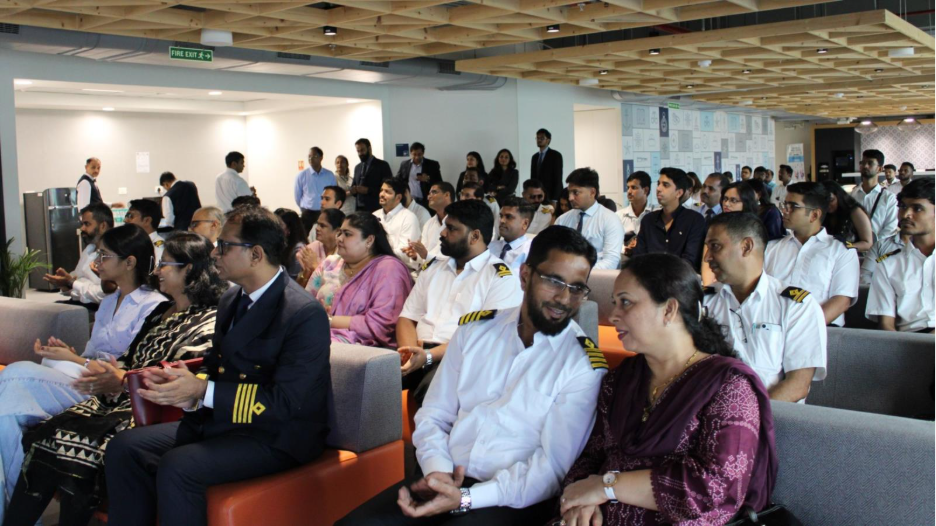
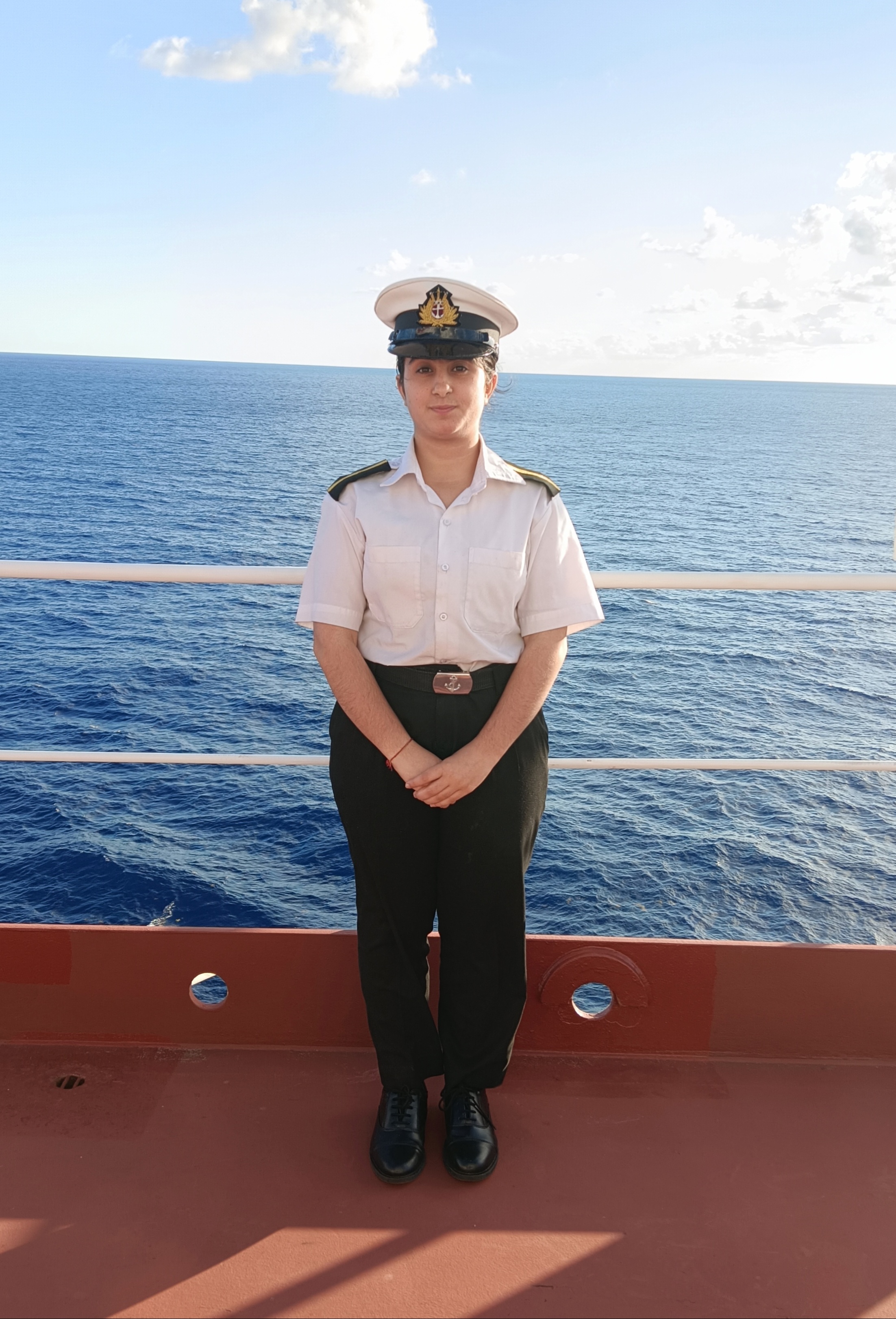
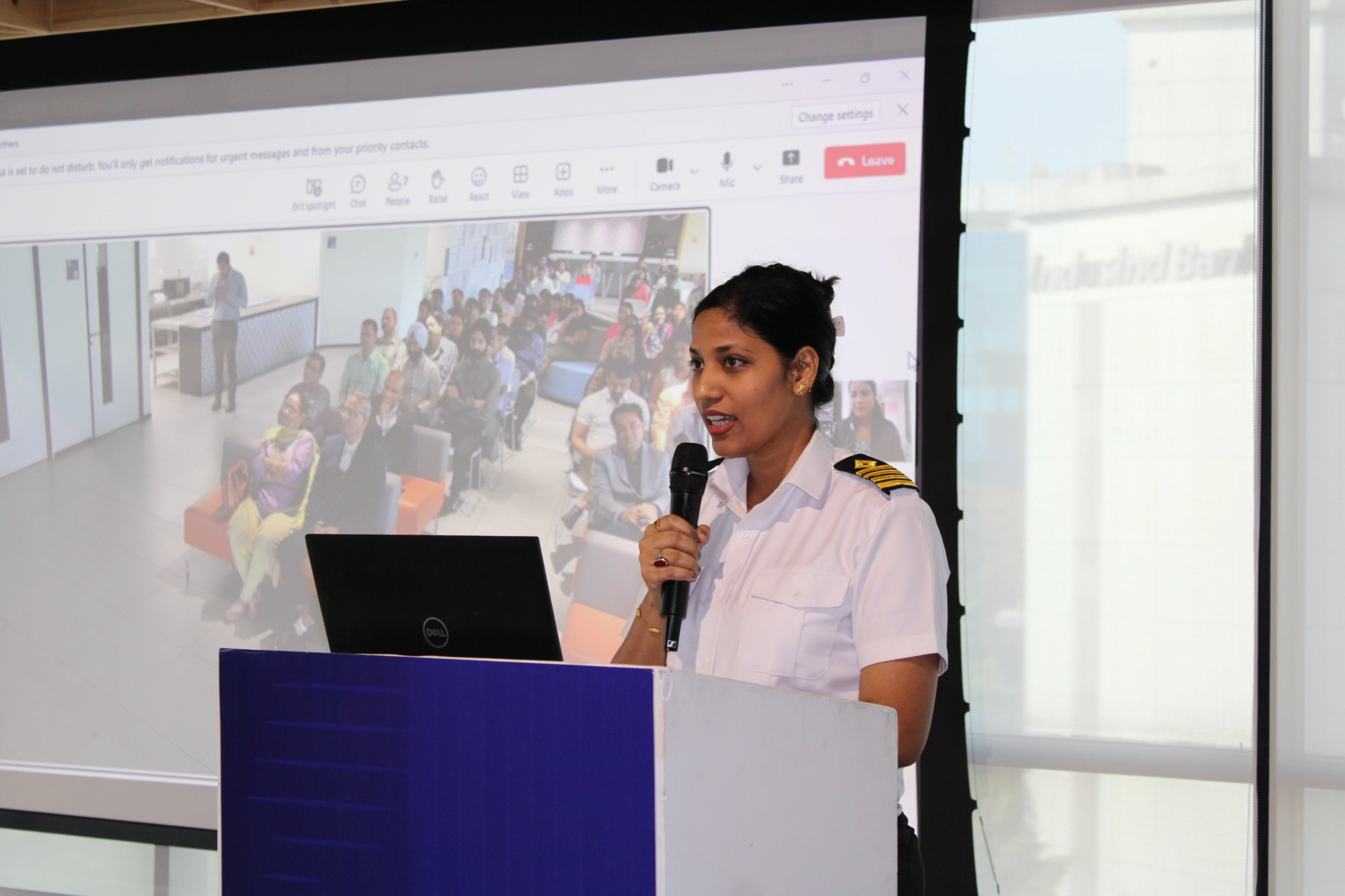
In an industry where women remain significantly underrepresented at sea and in leadership positions, visible role models matter. That is why Fleet Management recently welcomed Lieutenant Commander Dilna K Shaurya Chakra (SC) to share her story with Fleet seafarers and future maritime professionals at the Senior Officers’ Conference in Mumbai.
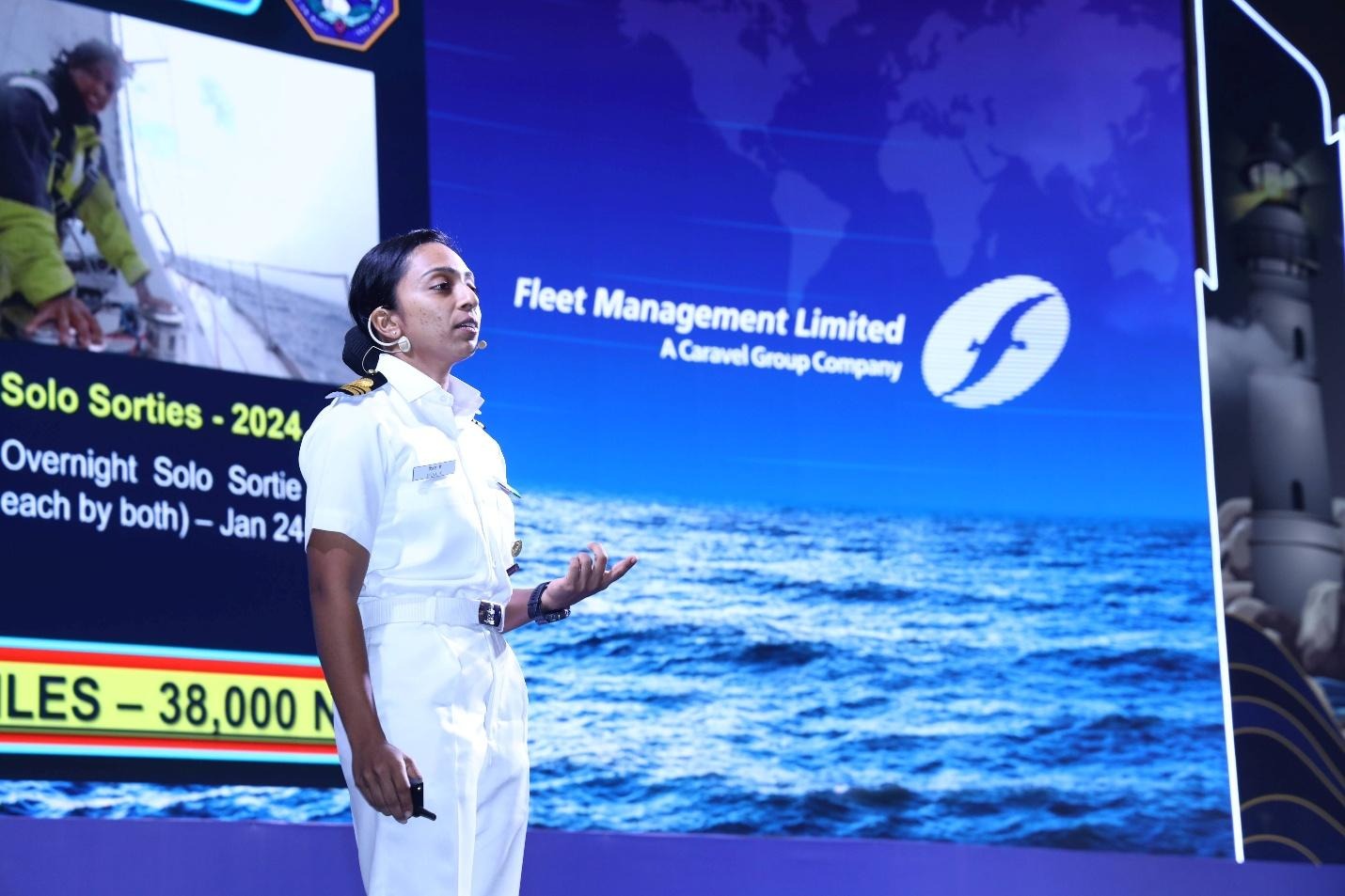
As a supporter of initiatives that encourage greater diversity and inclusion across the maritime sector, including Maritime SheEO, Fleet gives a platform to inspiring leaders to broaden perceptions of what is possible and encourages the next generation to pursue ambitious careers at sea. Lt Cdr Dilna K’s (SC) story certainly does that.
As part of the Indian Navy's Navika Sagar Parikrama II expedition, she and fellow officer Lt Cdr Roopa A spent 238 days circumnavigating the globe aboard INSV Tarini, covering more than 25,600 nautical miles across four oceans and around three Great Capes.
It was an extraordinary achievement. Yet the lessons she shared with Fleet seafarers and IMI cadets were not about records or accolades. They were about preparation, adaptability, teamwork and resilience, qualities that underpin every successful maritime career.
Opening the session, she immediately connected with her audience.
"I'm sure you'll all be able to relate to what I'm going to share today because we all share something in common. What is it? The sea."
Confidence Is Built Before the Voyage Begins
One of the strongest themes from Lt Cdr Dilna's story was the importance of preparation.
Before beginning the circumnavigation, she and her crewmate spent three years training across navigation, communications, weather forecasting, emergency response, equipment maintenance and offshore repairs.
"The total miles which we covered after completing three years of our training programme was 38,000 nautical miles. That was the amount of investment and training we had gone through before embarking on this voyage."
For both experienced officers and aspiring cadets, the message was clear: confidence is not something that appears in difficult moments. It is built through learning, repetition and preparation long before challenges emerge.
Adaptability Is a Leadership Skill
With only two people onboard a 17-metre sailing vessel, every responsibility belonged to the crew.
"At sea, we are our own workshop. We are the engineers, we are the electricians, we are the housekeepers, we are the chefs, we are the sailors, we are the carpenters, we are the doctors, we are everything."
Her experience highlighted a reality familiar to most maritime professionals. Conditions change. Equipment fails. Plans evolve. Success often depends not on having every answer in advance, but on the ability to adapt and respond effectively when circumstances change.
When Technology Fails, Training Remains
One of the most memorable moments she described came during a night passage in the Pacific Ocean when several critical navigation systems failed in quick succession.
"It was around 2 a.m. and we were in the middle of the Pacific. The GPS failed, the wind indicator failed, the boat heading was no more there and the autopilot failed. It all happened in around 10 seconds."
The crew faced several difficult hours while a storm approached.
"It took us around three to four hours. Those three to four hours were really difficult. It was really difficult to be there in the middle of the ocean when you don't have anyone around."
What ultimately got them through the situation was not technology, but training, judgement and teamwork.
"Because of the training which we were given by the Indian Navy, we were able to get out of it, and we sailed through it."
Resilience Requires Rest
Lt Cdr Dilna also shared an honest account of the realities of fatigue. With only two people onboard, uninterrupted sleep was rarely possible.
"We used to sleep in bursts of 20 to 30 minutes. That's it. Then we would get up, check if everything was alright and go back to sleep."
Over time, the effects became visible.
"We started making small mistakes and then we had to force ourselves to give the body some rest. We start hallucinating sometimes when you don't have enough sleep."
Her reflections reinforced an important lesson for anyone working in demanding environments: resilience is not just about endurance. It also requires recognising limits, managing recovery and looking after personal wellbeing.
Leadership Is a Team Sport
Although the voyage is often described through milestones and achievements, many of Lt Cdr Dilna's reflections centred on her partnership with her fellow officer.
Recalling a birthday spent in the middle of the Pacific Ocean, she remembered:
"It was just me, Roopa and Tarini. And it was one of the best birthdays I've ever had."
The memory was a reminder that even the most demanding journeys are rarely completed alone. Trust, mutual support and shared purpose remain among the most important ingredients of success.
Inspiring the Next Generation
For Fleet seafarers and IMI cadets, Lt Cdr Dilna's story offered something more than an account of an extraordinary voyage.
It demonstrated that ambitious goals are achieved through consistent preparation, continuous learning, and the willingness to embrace challenges that may at first seem beyond reach.
It also highlighted the importance of visible role models in an industry seeking to attract and retain talent from broader backgrounds.
As Fleet continues to support maritime talent development and diversity initiatives such as Maritime SheEO, bringing voices like Lt Cdr Dilna's to the forefront helps reinforce a simple message: leadership has no single profile, and opportunity in maritime should be open to everyone with the ambition and commitment to pursue it.
Her journey aboard INSV Tarini may have been exceptional.
The lessons behind it are universal. Preparation. Adaptability. Teamwork. Resilience.
Those qualities remain as relevant to a cadet beginning their first voyage as they are to a sailor circumnavigating the globe.