Capt. Deepak Correa, Chief Operating Officer, Fleet India, recently joined industry experts from the American Bureau of Shipping (ABS), World Maritime University and Seabound to discuss how the maritime sector can prepare seafarers for onboard carbon capture and storage (OCCS). Here, he shares his perspective on why people, training and practical competence will be critical to the successful adoption of this emerging technology.
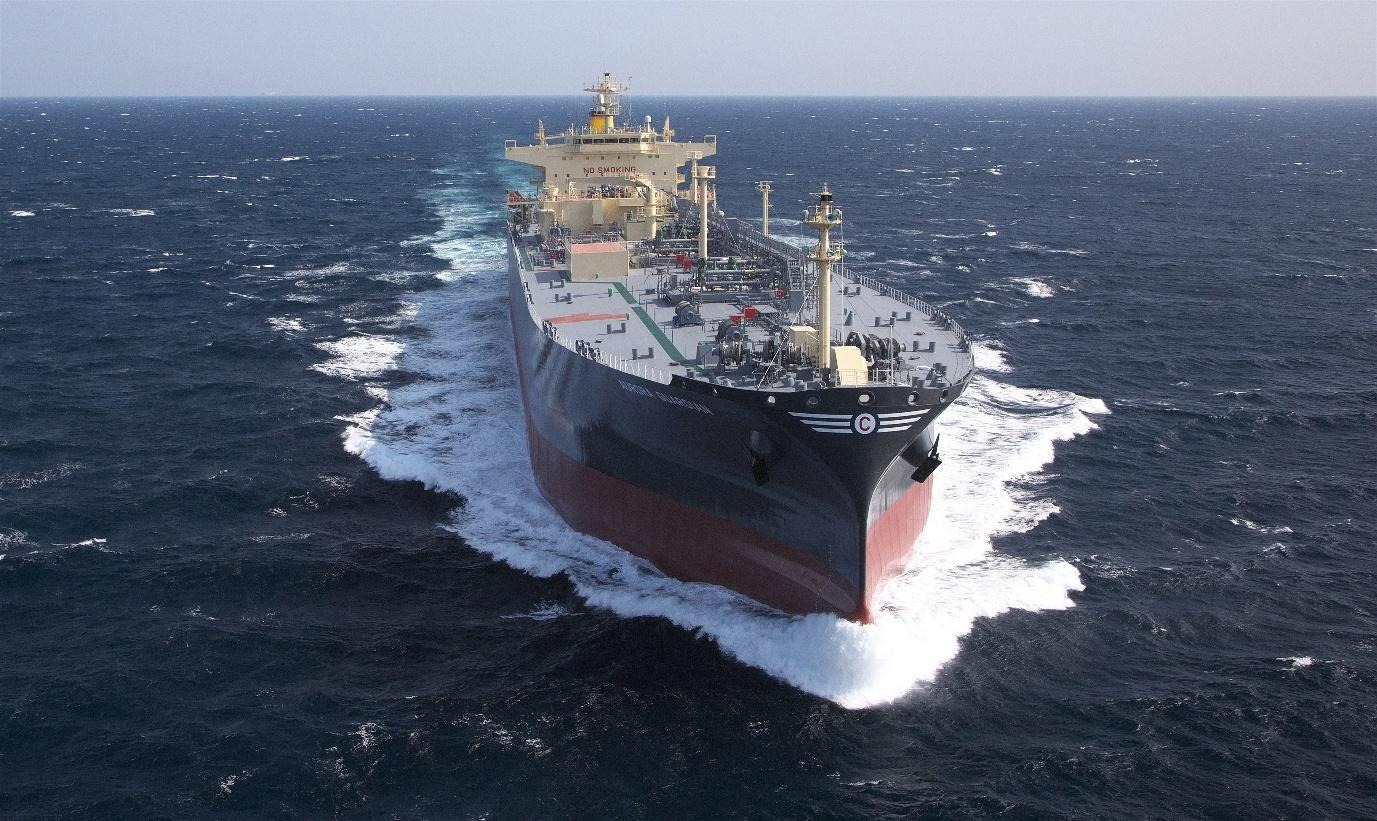
Over the past decade, shipping has undergone significant change. Ballast water treatment systems, exhaust gas cleaning systems, alternative fuels and increasingly advanced digital technologies have all become part of daily operations. Each transition has introduced new regulations, new procedures and new ways of working.
As onboard carbon capture and storage (OCCS) gains momentum, the industry faces another important challenge: are our people ready?
This was a key theme during a recent Maritime Carbon Intelligence discussion, where technology providers, academics, classification societies and ship managers explored what wider OCCS adoption could mean for seafarers. While much of the industry's attention has focused on technology development, the discussion reinforced a simple reality. The success of OCCS will depend as much on people as it does on technology.
The Next Challenge Is Not Technology
The industry has already made significant progress in proving the technical feasibility of carbon capture at sea. During the discussion, Peyman Gaturyan Masoudzadeh of World Maritime University highlighted how operational and safety frameworks are beginning to take shape. Dr. Hamid Dayan from ABS spoke about the industry's growing understanding of risk management, training requirements and operational procedures. Meanwhile, Ian Gunn of Seabound shared how technology providers are moving from pilot projects towards commercial deployment.
The direction of travel is becoming clearer. The next challenge is no longer simply whether the technology works, but how it can be integrated safely and effectively into everyday ship operations.
Learning From Previous Transitions
At Fleet Management, we see OCCS as part of a much broader pattern. Every major technological transition brings uncertainty in its early stages. Regulations evolve, operating practices mature and industry standards develop over time.
We have seen this with ballast water treatment systems, scrubbers and dual-fuel engines. In each case, seafarers adapted successfully because the industry invested in training, knowledge sharing and practical experience. OCCS will require the same commitment.
In 2025, we supported an OCCS trial on an 82,000 DWT bulk carrier. The system was designed to capture CO₂ from exhaust gases and store it onboard as liquefied CO₂. The trial confirmed the technical feasibility of onboard carbon capture under controlled conditions, while generating valuable data on capture rates and energy consumption. Most importantly, it gave seafarers and technical teams first-hand experience of the operating procedures, safety protocols and training requirements associated with this emerging technology.
The experience reinforced an important lesson: successful adoption will depend not only on the technology itself, but also on how well we prepare the people who will operate it. The insights gained continue to inform our evaluation of future decarbonisation technologies and how we develop the skills needed to support them.
Practical Competence Matters
One message stood out throughout the discussion: training must go beyond compliance.
Theoretical knowledge is important, but confidence comes from practical experience. Seafarers need to understand how systems behave under real operating conditions, how they interact with existing onboard equipment and how they should respond when unexpected situations arise.
This is particularly important for OCCS, where different technology pathways are emerging, each with its own operating requirements and risk profile. As an industry, we should aim to avoid unnecessary complexity wherever possible.
Training must be practical, consistent and focused on real-world operation. Seafarers should leave a programme with the confidence to operate a system safely and effectively, not simply with a certificate confirming attendance.
At Fleet Management, this principle guides how we develop capability across our operations. Whether preparing seafarers for alternative fuels, digital technologies or future decarbonisation initiatives, our focus remains the same: building practical competence that supports safer, more reliable operations.
Keeping People At The Centre
Discussions about carbon capture often begin with technology. In reality, they should start with people.
The human element remains at the heart of safe and effective ship management. Technology can support the industry's decarbonisation goals, but success will continue to depend on the judgement, competence and professionalism of the seafarers who operate it every day.
As OCCS moves closer to wider adoption, the maritime industry has an opportunity to establish the right foundations from the outset.
By working together, investing in practical training and keeping operational realities at the centre of decision-making, we can ensure that progress is measured by the confidence and capability of the people responsible for delivering the solution.
That will ultimately determine whether onboard carbon capture becomes another successful step in shipping's decarbonisation journey.
.png)
.png)
.jpeg)
.jpeg)

.jpg)
%20(1).jpeg)

.jpeg)
.jpeg)


.jpeg)



.png)




-min.png)





.svg)