Safety at Fleet Management is not defined by a single initiative or campaign. It is reflected in how we operate every day, across vessels and shore offices, through the decisions we make, the conversations we have, and the standards we uphold.

Over the past year, a series of targeted initiatives have strengthened safety culture across the organisation, reinforcing accountability, enhancing risk awareness, and empowering our people to take ownership of safe operations. Together, these efforts are helping build a more connected, proactive, and resilient safety culture across ship and shore.
Safety Onboard: Strengthening Leadership and Accountability
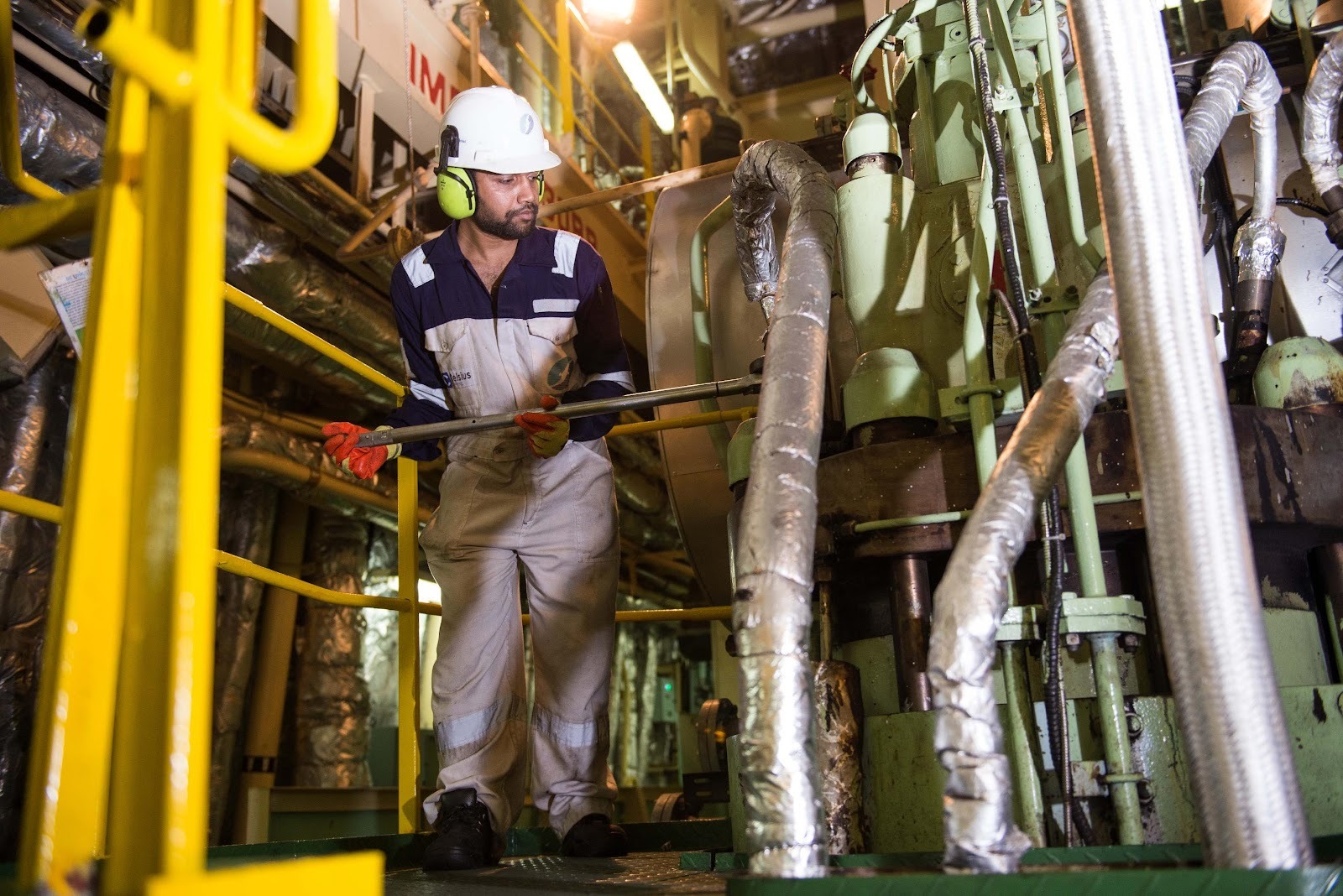
Fleet Management continues to strengthen the visibility, clarity, and accountability of safety leadership onboard. As part of ongoing Safety Officer Profile Enhancement efforts, initiatives are being progressed to reinforce the authority and effectiveness of the Safety Officer role across vessels.
This includes the introduction of designated identification for Safety Officers, such as a red boiler suit, which is being implemented. This will support clear visibility of safety leadership onboard and encourage crew members to engage openly on safety matters and raise concerns early.
In parallel, dedicated standalone email systems are being introduced for Safety Officers. This enables direct communication with the office, strengthening transparency, accountability, and the timely escalation of safety observations.
Strengthening Safety Awareness and Navigation
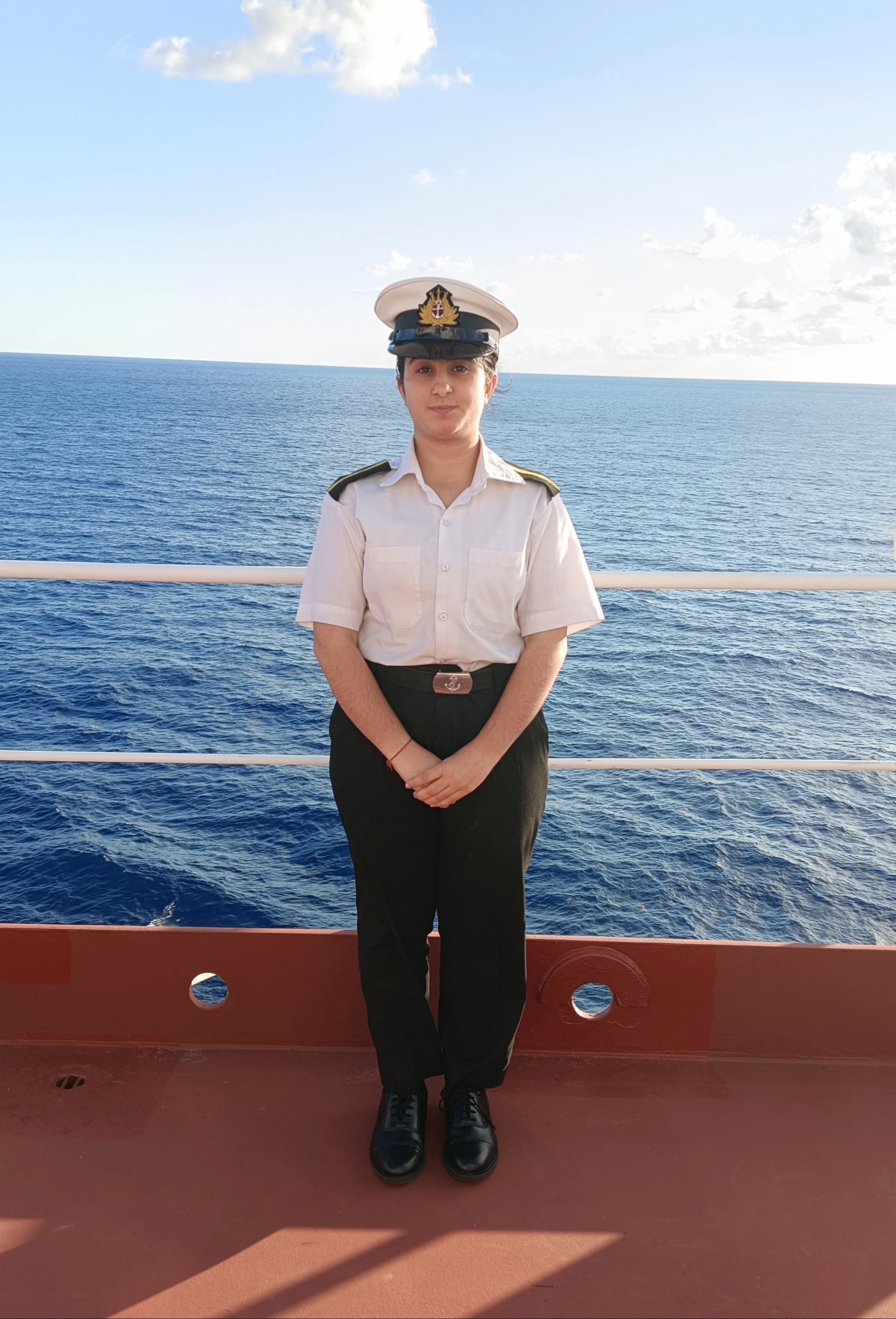
Safety culture onboard requires collective participation. A fleetwide Safety Culture Exercise engaged several thousand seafarers, focusing on behaviour, hazard recognition, and individual responsibility. Through reflection and dialogue, the initiative reinforced safety as a shared responsibility driven by awareness, behaviour, and early intervention.
The first Navigation Safety Call Out of 2026 also saw strong participation across vessels. Bridge teams engaged in structured discussions on grounding and collision scenarios, reinforcing situational awareness and preventive decision making. Led by Masters, the sessions encouraged open dialogue and shared responsibility in day-to-day navigational operations.
Safety Onshore: Building Capability and Reinforcing Systems
Onshore teams play a critical role in enabling safe operations at sea by strengthening leadership capability, systems, and behavioural expectations.
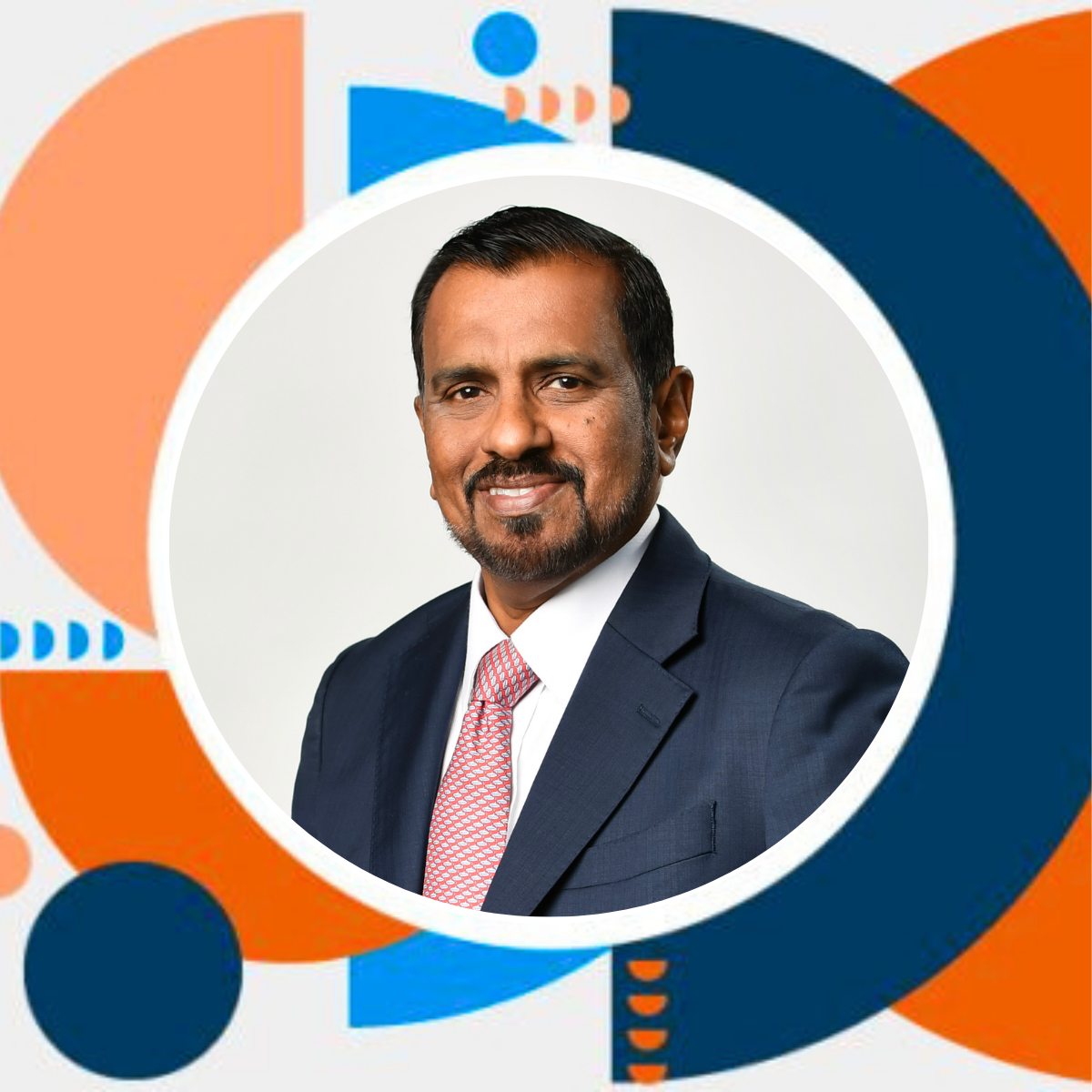
A two-day Newbuilding Safety Workshop at the Nanjing shipyard brought together site managers across safety, technical, and leadership functions. The workshop was opened by CEO, Capt. Rajalingam Subramaniam, who dialled in to reinforce the company’s North Star and the Six Core Disciplines as the foundation for safety, performance, and decision making across Newbuilding projects.
In a high-risk shipyard environment, the workshop emphasised disciplined safety standards, risk awareness, and leadership accountability, embedding safety into every stage of design and delivery. The sessions were led by Kelly Hung, Simon Beeson, and Prabhjot Bath, who guided discussions across technical, operational, and leadership priorities.
Reinforcing Systems and Supporting Mental Wellbeing
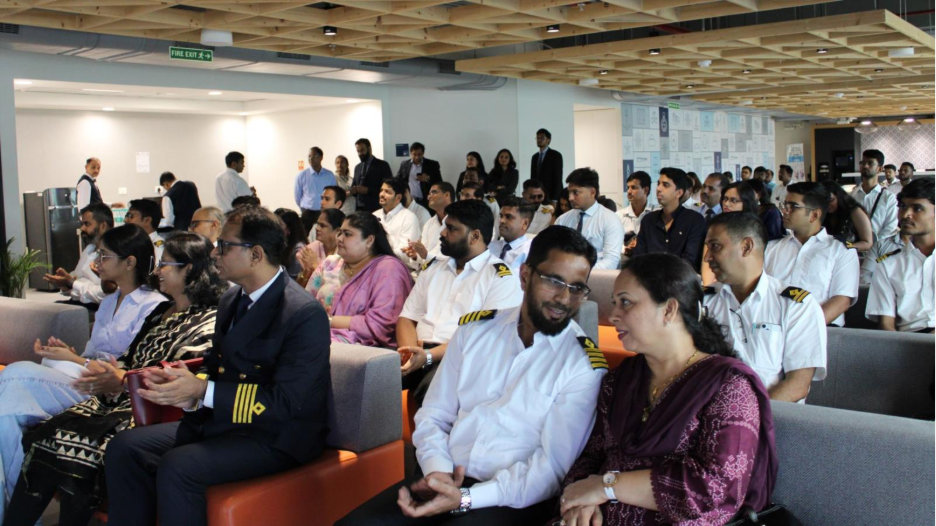
Strengthening safety requires both robust systems and a people-centred approach. A Safety Management System training in Manila brought together 75 participants to reinforce a structured safety culture, focusing on behaviour-based safety, hazard identification, stop work authority, and effective planning.
Using real operational case studies, participants strengthened their ability to recognise risks, question assumptions, and connect system requirements to everyday decisions.
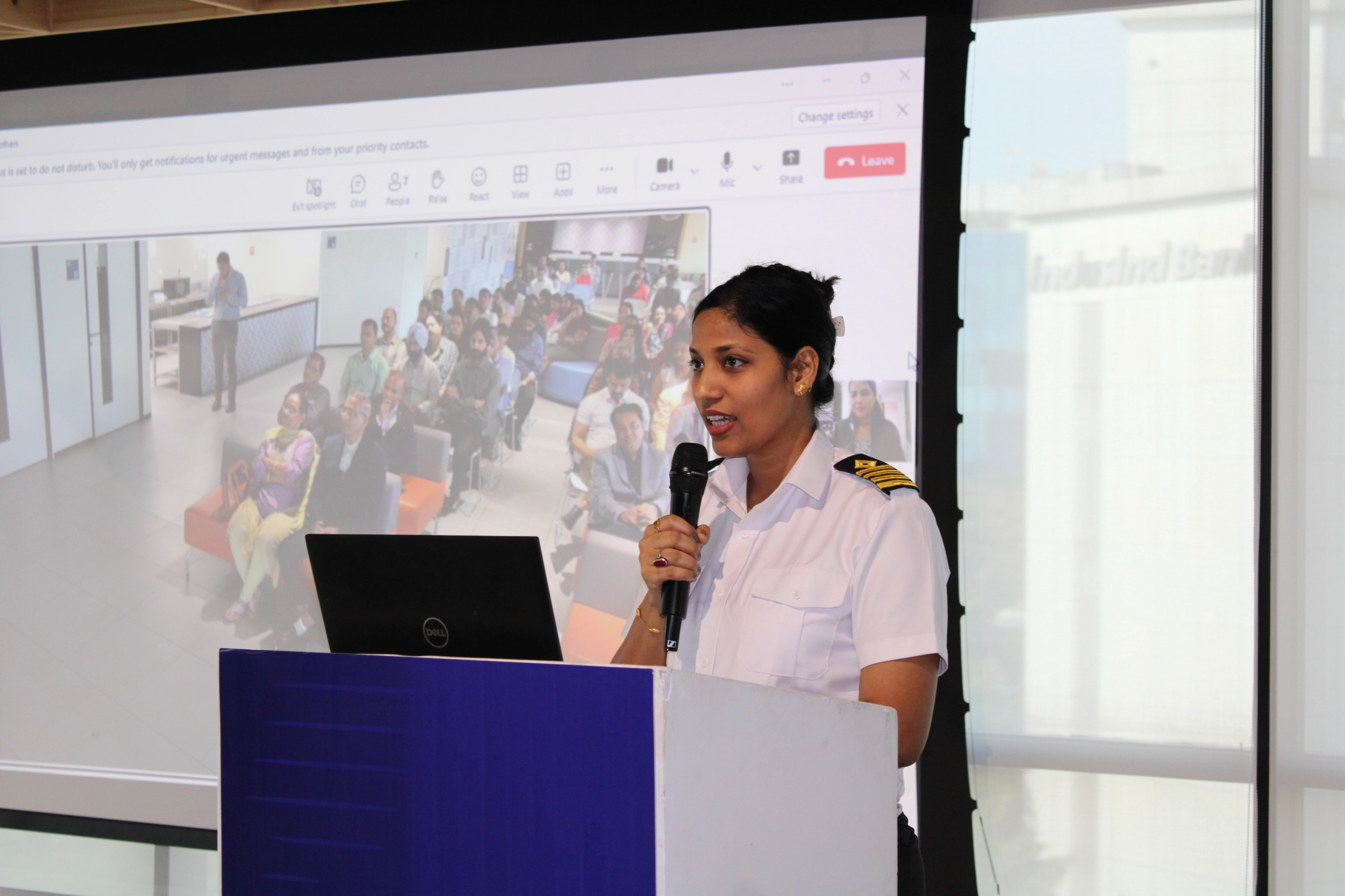
In parallel, focused mental wellbeing sessions were delivered for colleagues in India. Led by an in-house psychologist, these sessions covered psychological first aid and suicide prevention, equipping teams with practical tools to recognise early warning signs and provide timely support. These efforts reinforce that caring for people is fundamental to safe operations.
Industry Engagement and Recognition
Fleet Management also actively engages with the wider industry to strengthen safety performance. Participation in the Fleet Safety Review Seminar, hosted by the Directorate General of Shipping in early 2026, brought together industry leaders to examine incident trends and reinforce shared responsibility for safer operations.
Fleet Management contributed with a presentation on safety performance, reviewing crew injury trends, key incident categories, and a detailed case study, alongside preventive measures including Job Hazard Analyses, stop work authority, and behaviour-based safety programmes.
This sustained focus is reflected in external recognition. Fleet Management Limited and Fleet Ship Management Pte Ltd were recognised by the Australian Maritime Safety Authority as High Performing Operators in 2024 and 2025 respectively. This recognition reflects consistent effort, rigorous follow-up, and disciplined vessel upkeep, underscoring a strong commitment to operational excellence, regulatory compliance, and safety leadership.
Turning Commitment Into Safer Outcomes
Safety culture is never static. It requires continuous attention, learning, and leadership. By strengthening accountability, encouraging open communication, investing in capability building, and prioritising the wellbeing of its people, Fleet Management continues to build a stronger and more proactive safety culture across ship and shore.
The result is not simply safer processes, but a workforce that is increasingly empowered to recognise risks, speak up, and take action, ensuring that safety remains at the heart of everything Fleet does.

.jpeg)
.jpeg)
.jpg)
%20(1).jpeg)

.jpeg)
.jpeg)

.jpeg)



.png)




-min.png)





.svg)