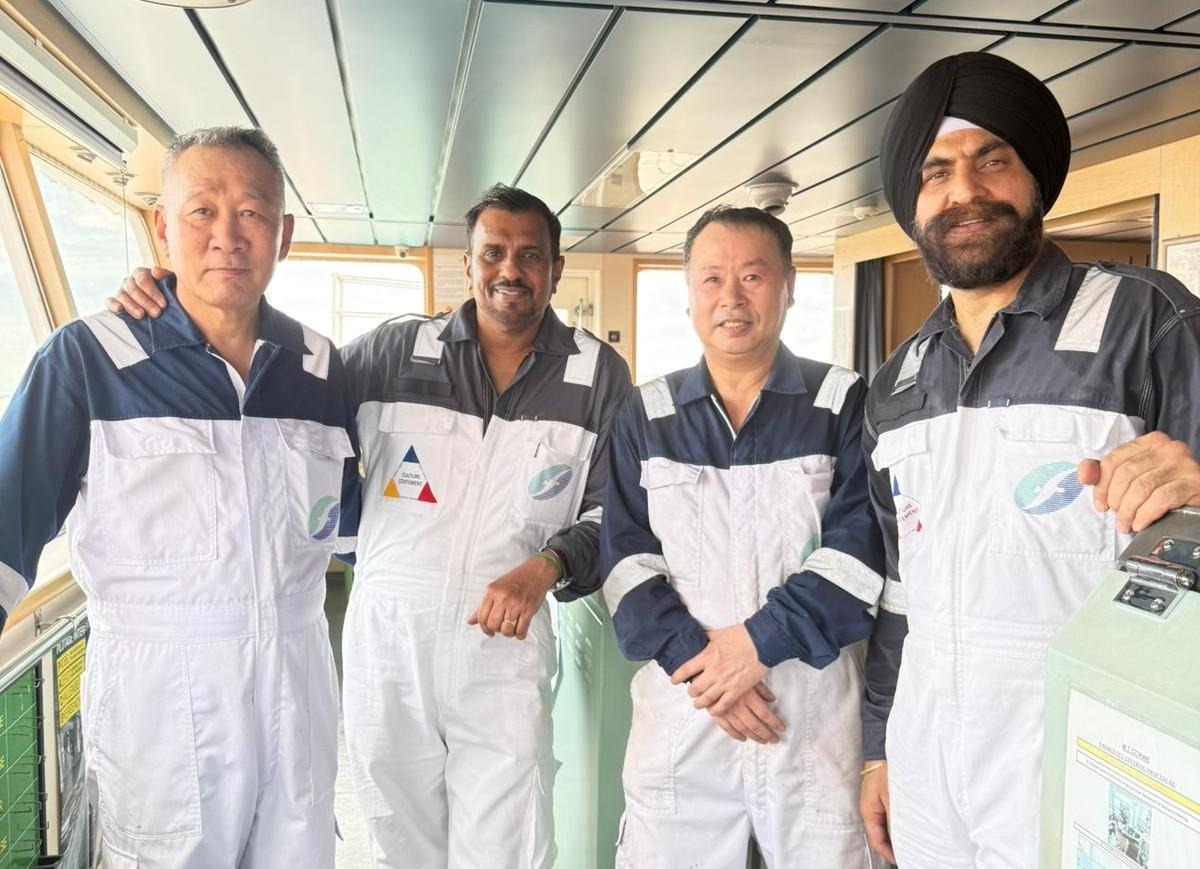
In March 2025, Fleet Management’s (Fleet) parent company, the Caravel Group, surprised the industry with an audacious move resulting in the acquisition of the International Maritime Institute (IMI), India’s leading maritime academy.
In its first year, the focus has been firmly on integrating the IMI into The Caravel Group and Fleet to strengthen pathways from education into professional careers, supporting around 400 cadets graduating from IMI annually as they embark on careers at sea.
Fleet chief executive Capt. Rajalingam Subramaniam is keen to provide a progress report.
“By integrating IMI, we are building a more stable and future-ready talent pipeline for the industry, supported by a two-way exchange of learning,” he says.
“This ensures that teaching at IMI reflects Fleet’s experience in real-world operations, and that seafarers joining our fleet are better prepared to operate vessels that are becoming increasingly complex, from scale to digital integration.”
Training is evolving in line with that complexity. It now goes beyond conventional operations, covering LNG, methanol and future fuel handling, alongside advanced simulator programmes. As the industry moves towards adopting greener fuels, workforce capability is increasingly becoming the primary constraint on safe and reliable operations, making sustained investment in training essential to delivering safe, consistent and high-quality outcomes for customers.
Capt. Subramaniam maintains:
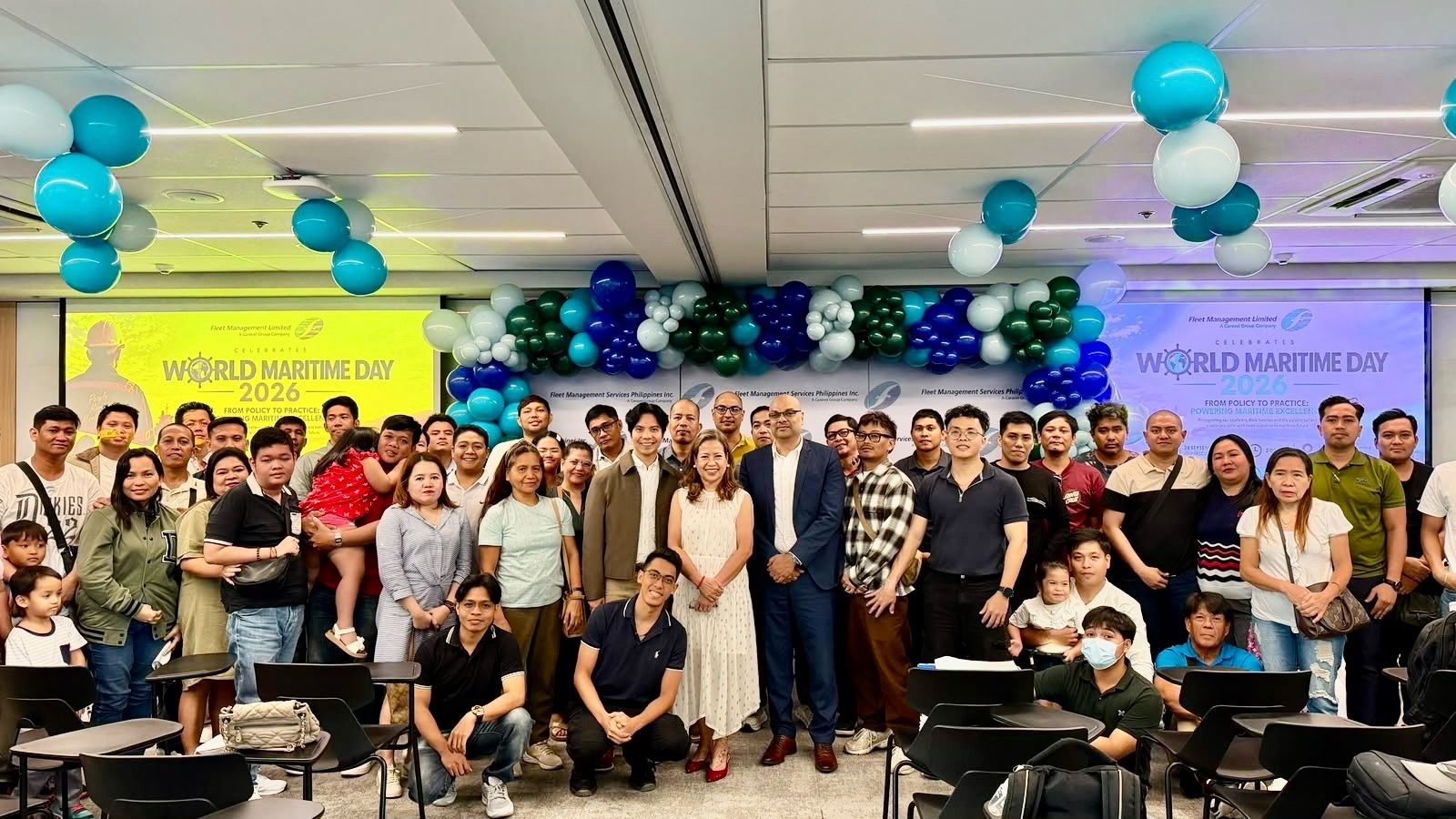
“IMI reinforces Fleet’s broader global training ecosystem, including the Fleet Management Training Institute, which already delivers over 15,000 training programmes annually and issues more than 80,000 certifications worldwide each year. This is complemented by targeted growth in our seafarer base, including a plan to increase our Philippines workforce by 50% to around 6,000 seafarers, supported by an expanded training hub in Manila that opened last year. The expanded training hub in Manila will deliver over 14,000 training sessions annually, supported by advanced simulators and upgraded infrastructure. At a time when the industry is facing a talent drought, with an ageing workforce and rising demand for specialised skills, Fleet Management is investing deliberately to meet today’s operational demands while building a capable workforce for the future,” he says.
Greening the Fleet
One of the challenges in training seafarers for the future is that the maritime industry’s decarbonisation agenda remains fragmented and still evolving across fuels, infrastructure and regulation. Fleet’s approach reflects that reality.
“We are not following a single path, instead focusing on supporting clients as they prepare for a multi-fuel future,” says Capt. Subramaniam.
“Today, we manage more than 30 dual-fuel vessels across LPG, VLGC, LNG and PCC segments, with almost one third of our newbuilding pipeline designed with dual-fuel capability. This provides practical operating exposure across fuel types and allows clients to avoid locking into a single pathway too early, while maintaining flexibility as the transition continues to develop,” he adds.
“Alongside this, teams are progressing biofuel trials to support incremental emissions reduction, ammonia readiness assessments to prepare for future fuel transitions, and targeted retrofits to improve the efficiency of existing vessels. This is complemented by enhanced fuel optimisation through our PARIS technology platform, which provides better voyage planning, improved data visibility and more effective emissions management. At Fleet, rather than making binary bets, the focus is on building multi-fuel readiness, supported by training, systems and operational discipline. This ensures that vessels, crews and shore teams are prepared to operate safely across a range of fuel types as the industry evolves,”
says Capt. Subramaniam.
“This approach is increasingly important in the context of the wave of regulation facing the industry, where compliance requirements are expanding across emissions, safety and reporting. We provide customers with flexibility and optionality, ensuring their assets remain compliant, competitive and commercially viable, while allowing them to adapt as technologies, infrastructure and regulatory frameworks continue to take shape.”
Dry Bulk Specialist
Between mid-2025 and January 2026 The Caravel Group surprised the market again when over the course of several raids on the stock exchange, the company acquired a 20.06% share in the world’s leading minor bulk specialist Pacific Basin.
As a result both the Executive Chairman and CEO of The Caravel Group, Harry Banga and Angad Banga respectively were appointed as Board members at Pacific Basin. Meanwhile, speculation was rife of a possible takeover, since denied.
More importantly it reflects the ship manager’s view of dry bulk as a critical sector. Capt. Subramaniam explains:
“We continue to invest in talent to ensure we have the right expertise and strong vessel manager to vessel ratios, enabling us to treat our clients’ vessels as if they were our own,” he says.
“Fleet’s model has always been anchored in operational experience. Today, 71% of our Directors and 100% of Vessel Managers have first-hand seafaring experience, ensuring decisions are grounded in practical, real-world understanding. Our teams are structured with sector specialists who provide segment-specific guidance, supporting customers in navigating operational nuances such as cargo handling, voyage variability and changing market conditions.”
Tankers
Indeed, the approach is not confined to the dry bulk fleet. Fleet’s tanker fleet requires specialised technical knowledge and the demand for deep cargo handling experienced support continues to increase.
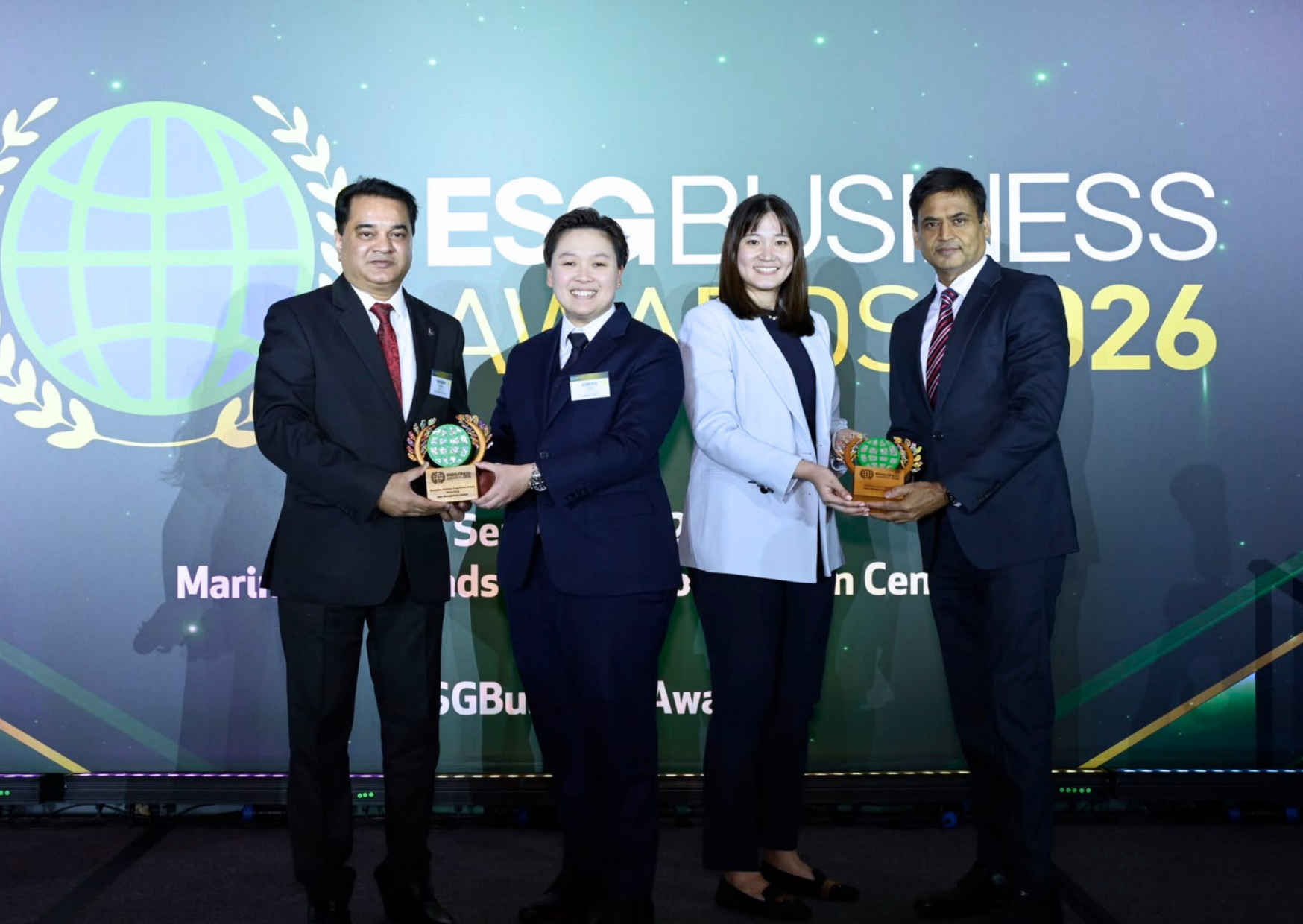
“Our teams support clients across these requirements and were honoured with the Tanker Operator of the Year Award by SAFETY4SEA, recognising outstanding performance in safety, training, crew welfare and sustainable operations,”
says Capt. Subramaniam
Containers
“This is further reflected in our container fleet, where we reached a milestone of supporting vessels up to 24,000 teu last year. As vessel sizes continue to increase, so does the need for strong technical expertise and disciplined operations to manage complexity safely.”
Fleet Growth and Additional Services
“Growth for us is not just about adding vessels. It is about supporting customers as they operate through both disruption and transition, helping to improve performance today while building the capabilities, particularly around talent, needed to operate the vessels of tomorrow. Fleets are becoming more complex, and shipowners are navigating simultaneous pressures across regulation, cost, talent and geopolitics,”
says Capt. Subramaniam.
As a way of responding to these demands, Fleet’s offering extends across the full asset lifecycle. Fleet offers technical management and crewing, to newbuilding supervision and advisory, training and workforce development, digital tools such as PARIS for real-time visibility and decision making, and consultative support to help clients navigate fuel, regulatory and operational choices.
With 600+ vessels and 27,000+ seafarers and maritime professionals, this scale allows Fleet to support customers with consistent, repeatable outcomes across the fleet, helping to keep vessels trading, safe, compliant and competitive, while building strong, consultative partnerships over time.
“My measure of success is simply whether we are delivering the outcomes that matter most to our customers, consistently, vessel by vessel, voyage by voyage, every day,”
concludes Capt. Subramaniam.
This article was originally published in The Port of Hong Kong Handbook & Directory 2026 (16 August 2026): https://www.hongkongmaritimehub.com/wp-content/uploads/2026/08/HKPort-2026-LR5.pdf


.png)
.jpg)

.svg)