This year's International Maritime Organization (IMO) theme, "From Policy to Practice: Powering Maritime Excellence", recognises that regulations only create value when they are applied consistently by the people responsible for operating, managing and supporting shipping every day.
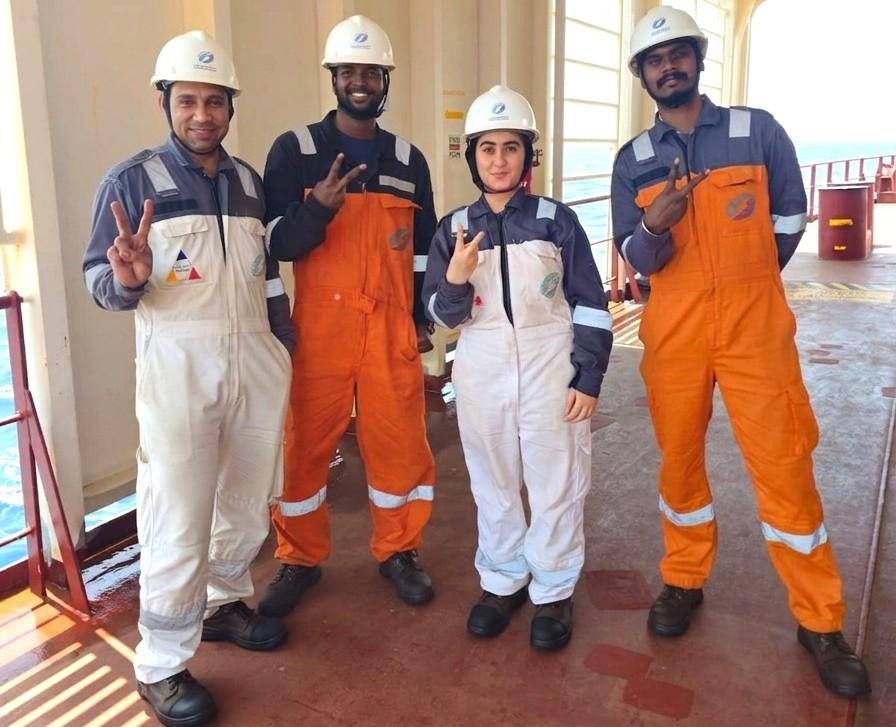
To mark World Maritime Day 2026, Fleet Management highlights how investments in safety, seafarer wellbeing, maritime training, digital innovation and industry collaboration are helping turn maritime policy into practice across its global operations.
The industry is preparing for alternative fuels, stricter emissions requirements, increasingly data-driven operations and evolving stakeholder expectations, while continuing to meet the safety and reliability standards global trade depends upon. The challenge is no longer simply setting standards. It is ensuring they are consistently applied across vessels, training institutions, operating centres and supply chains. Turning policy into practice is not a one-day exercise. It requires continuous learning, knowledge sharing and improvement across the maritime community.
Fleet Management's response is the 6Ks framework: keep the asset trading; keep it safe and compliant; keep it competitive; keep seafarers and employees stable, capable and committed; keep account management transparent; and keep the partnership consultative.
Together, these commitments provide a practical framework for translating standards into outcomes for shipowners, not only on World Maritime Day but every day. To mark the occasion, we are highlighting some of the ways Fleet is supporting the IMO's call to turn policy into practice.
Turning Standards into Capability and Safer Operations
The IMO's theme recognises that standards only create value when they influence what happens in practice.
Keeping vessels trading safely, reliably and in compliance remains Fleet's starting point.
This year, Fleet has increased the frequency of seafarer engagement seminars and expanded safety campaigns across the managed fleet. Fleet's flagship SafeR+ programme combines onboard safety protocols, crew engagement and practical learning tools designed to help crews identify risks earlier, reinforce positive behaviours and prevent repeat incidents.
Regular safety stand-downs, training reviews and enhanced audit follow-up processes provide further opportunities to challenge assumptions, reinforce accountability and strengthen operational discipline. These initiatives are helping crews apply lessons more consistently, reducing avoidable incidents and supporting safer, more reliable vessel operations.
Through training, operational discipline and knowledge sharing, Fleet supports the practical implementation of international standards including SOLAS, MARPOL and STCW requirements.
The IMO has identified training, capacity-building and knowledge sharing as essential to turning policy into practice.
This year, Fleet introduced its Care360 strategy, bringing health, wellbeing, learning and support services together under a single framework. The initiative reflects a growing recognition that operational performance is closely linked to physical, mental and family wellbeing.
In celebration of World Maritime Day, vessels across the Fleet-managed fleet are serving special menus developed through the company's Healthy Cooking & Eating Programme, launched earlier this year. The initiative forms part of Fleet's broader effort to support crew wellbeing onboard and demonstrates how company commitments are translated into everyday experiences at sea.
Fleet also launched Pulse, providing seafarers with a single platform for assignments, career information, support services and important updates. The aim is to make support easier to access wherever a seafarer happens to be in the world.
Training remains central to sustaining maritime excellence. From the classroom to their first voyage, cadets at the International Maritime Institute (IMI) train alongside experienced maritime professionals, while the Fleet Management Training Institute (FMTI) continues to expand simulator training, classroom instruction, digital learning and onboard mentoring designed to strengthen both technical competence and operational judgement.
Structured onboarding, SuccessFactors and the Buddy on Board programme provide clearer development pathways for seafarers and shore-based employees. Our Total Control Under Pressure (T-CUP) programme helps seafarers maintain composure and sound judgement during demanding operations, supporting safe performance and mental resilience. Together, these initiatives strengthen professional development at sea and support networks for seafarers’ families onshore.
The aim is to help people apply standards with greater confidence, skill and professionalism throughout their careers.
Turning Innovation into Practical Solutions
Alternative fuels, stricter emissions requirements and increasingly data-driven operations are changing how ships are managed.
Preparing for that future requires new operating procedures, new skills and new ways of working onboard.
The PARIS platform helps operational teams monitor safety, compliance and performance across the fleet, while NOVA brings together operational and vessel data to support voyage optimisation, emissions monitoring and more informed decision-making.
Alongside these technology investments, The Caravel Group's Climate Transition Strategy is helping prepare shipowners for the next phase of maritime operations. Initiatives include advanced hull coatings, propeller optimisation technologies, dual-fuel training, ammonia familiarisation and trials involving wind-assisted propulsion and onboard carbon capture technologies.
Regulations may set the direction, but progress depends on turning new requirements into practical solutions that can be applied onboard real vessels operating in real-world conditions.
Turning Policy into Collective Action
Putting policy into practice is not the responsibility of any one organisation.
It depends on regulators, educators, shipowners, managers, seafarers and industry partners working together to strengthen standards and improve how they are applied.
Ongoing customer engagement, performance reporting and strategic consultation help shipowners navigate an increasingly complex operating environment with greater confidence.
Through the Encompass Report, most recently published in June, Fleet provides customers and stakeholders with greater visibility into its performance, priorities and progress across safety, governance, sustainability and people development.
Account management transparency and consultative partnership are two of the six commitments that underpin Fleet's operating model.
Reflecting on this year's theme, Dr Harry Banga, Founder and Executive Chairman of The Caravel Group, said:
"The maritime industry has never stood still. New technologies, new regulations and new expectations continually raise the bar. Maritime excellence is achieved when people, organisations and communities work together to turn those standards and ambitions into safer, more sustainable and more effective practices every day."
World Maritime Day is an opportunity to recognise progress, but the work itself continues long after the campaign ends. Every time a crew applies a lesson learned, a cadet develops a new skill, a family receives support or a vessel avoids an incident, policy is being translated into practice.
World Maritime Day 2026 highlights the importance of translating maritime regulation into action. Whether through maritime safety programmes, seafarer training, wellbeing initiatives, digital innovation or support for the energy transition, Fleet continues to invest in the capabilities required to help shipowners navigate a rapidly changing maritime industry through the 6Ks framework to translate actions into outcomes. That is how policy becomes practice. That is how maritime excellence is delivered.



.svg)