At our India Officers' Conference in Mumbai, 200 officers, shipowners and partners came together under the theme Customer Centricity, with Pride and Professionalism. The question at the centre: when a shipowner hands over a vessel, what are they buying?

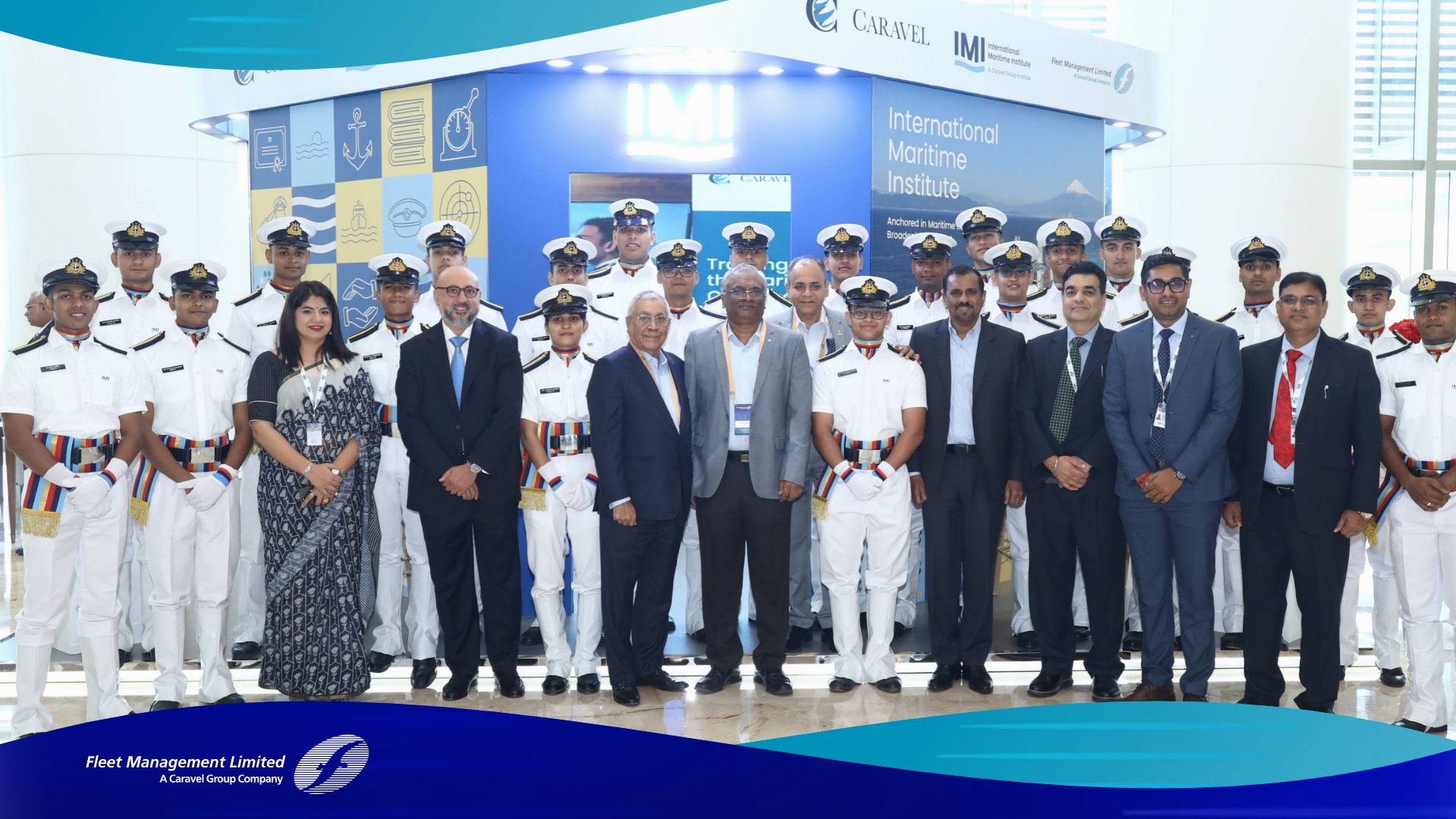
On 15 October, 200 officers gathered in Mumbai for the India Officers' Conference. Shipowners and industry partners joined the room, alongside cadets from the International Maritime Institute (IMI) and special guest Capt S I Abul Kalam Azad, Nautical Advisor-cum-Additional Director General of Shipping (Nautical), with his delegation.
What a shipowner is buying
A vessel entrusted to us can be worth tens of millions of dollars. With it, the shipowner hands over their reputation. In his opening address, Angad Banga, CEO of The Caravel Group, asked what that shipowner is really expecting from Fleet.
"He is buying confidence in outcomes." He said. "The vessel will trade. She will pass her inspections. Her crew will be ready."
Dr Harry Banga, Founder and Executive Chairman of The Caravel Group, reminded the room that Fleet Management is founded by seafarers, for seafarers. Pride, he said, is what a young Master feels when he brings his ship safely through a storm. Professionalism is doing the small things right when nobody is watching. And customer centricity is remembering that behind every vessel is "an owner who trusted you with it", and behind every crew member is a family.
Why the standard keeps rising
For shipowners, the bar is higher than it was three years ago. Under SIRE 2.0, Angad said, the inspector watches how a crew thinks and decides when something goes wrong at two in the morning. A vessel's CII rating now shapes whether she can be chartered at all, and every voyage into European waters carries a carbon price. Good seamanship has become revenue, visible to the shipowner in the same financial year.
Talent is tightening too. Our strategic vision is to be the ship manager that customers trust most, and the industry-leading destination for maritime and professional talent. Angad told the room the industry will be short of some ninety thousand officers by 2030, and that every ship manager is competing for top officers. "We have to earn you, every year."
Where it shows
Six commitments guide how Fleet operates. Keep the Asset Trading comes first, because a vessel earns only when she is at sea on schedule: the port call that does not slip, the defect caught in April that would have been off-hire in June. Keep Seafarers and Employees Stable, Capable and Committed powers the rest, because a safe vessel is crewed by people who are trained, rested and supported.
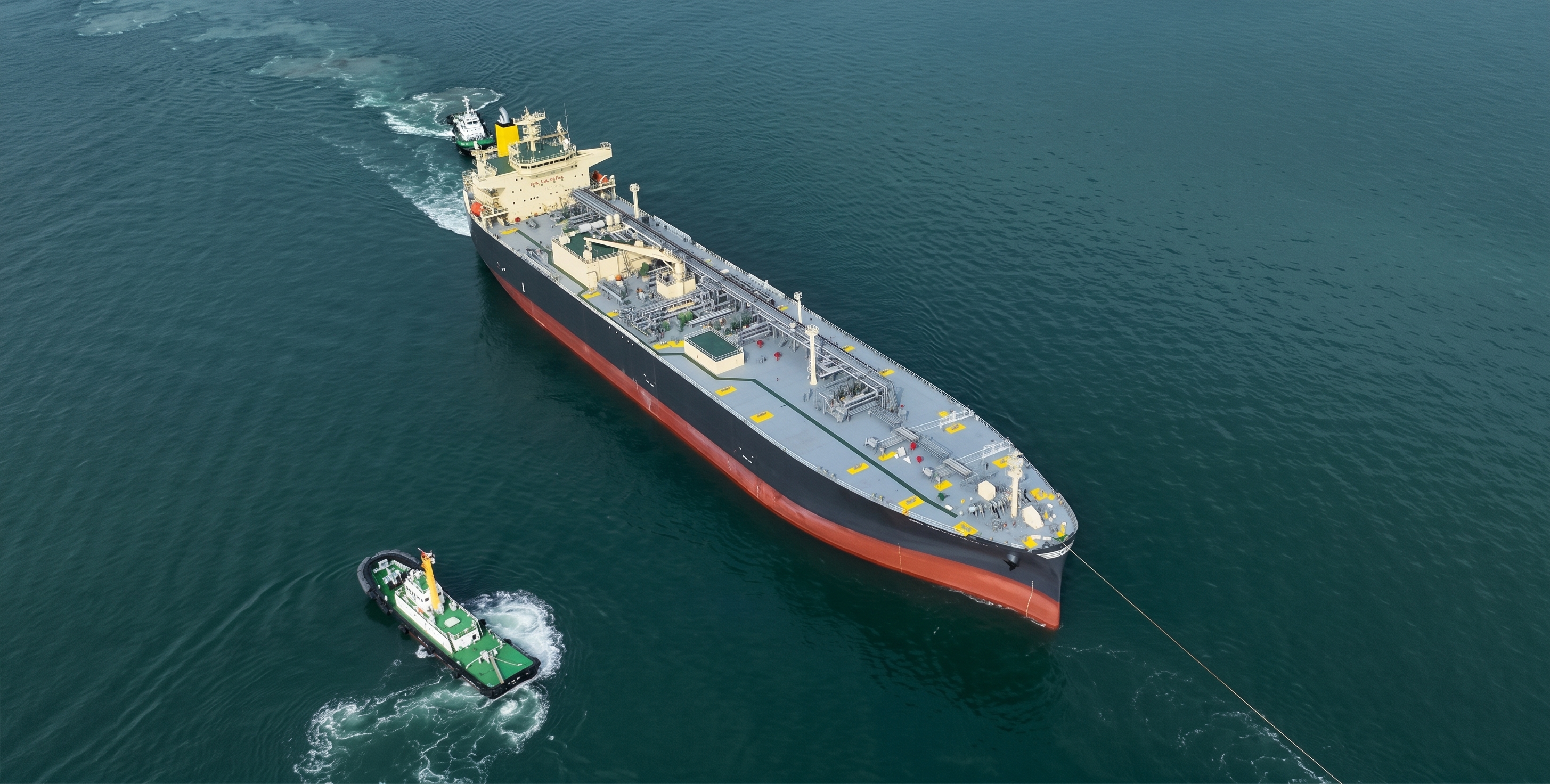
The record sits with the officers. Fleet manages more than 600 vessels with 99% availability, which for a shipowner means a vessel that is earning. Three in four port state control inspections close with zero deficiencies, which supports charterer confidence. Over 150 newbuilding projects are on the way. "Numbers like that are not produced by a head office. They are produced by trust in the officers sitting around you," Angad said.
Earning industry-leading talent
Angad set out what the company owes in return. IMI, which joined The Caravel Group in March 2025, means Fleet trains its own officers, and a cadet can see a path from a first voyage to a Master's command and beyond. Medical cover now extends to officers' families. Confidential support exists when the load is not visible. And the basics are non-negotiable: relief on time, and wages in full and on time.
"Those are not aspirations. They are commitments, and we expect to be held to them."
Angad named the talent half first on purpose. It is the half about the officers, and it makes the other possible. Shipowners will trust Fleet most, he said, when the best officers in the world choose to sail with us.
The voyage behind the company
The conference also heard from the person who started it. Fifty-eight years ago, Dr Banga arrived in Mumbai as a sixteen-year-old to join the training ship T.S. Dufferin. He had grown up in Punjab, far from the sea, listening to sailors home on leave. In "My Journey in Maritime", he traced the road from that deck cadet to chairman, through the storms that shaped Fleet and The Caravel Group. "Standards are not what you write in a manual; they are what you do in the difficult moment," he said.
He had a message for the shipowners and partners in the room: "Fleet Management was not built in a boardroom. It was built on bridges, in train carriages crossing China, and in storms." And for the IMI cadets, and the officers who will lead Fleet in the years ahead: "Your horizon is further than mine ever was. Sail for it."
Capt Raja Subramaniam and the owners' view
The afternoon also gave the officers a seat on the other side of the table. Capt Raja Subramaniam, Chief Executive Officer of Fleet Management, moderated a session of owner perspectives. The aim was to help officers hear directly what shapes a shipowner's decisions about their vessels, their crews and their long-term investments.
Four owners and customers presented, each from a different part of the industry:
- Capt Parani Vaithinathan Singaravelu, VP Marine, Tufton Asset Management Ltd, on Keep the Asset Competitive
- B N Prasad, Executive Director, IS Containers Pte Ltd, on Keep the Asset Safe & Compliant
- Vebjorn Lid, COO, Chemical Tanker Operations, Hansa Tankers AS, on Keep the Asset Trading
- Capt Devender Joshi, Project Leader/Specialist, Marine Technical and Safety Division, MOL (Asia Oceania), on MOL's safety vision
Their segments and commercial realities differ. Their objective is shared: protecting asset value and keeping ships trading safely, reliably and efficiently.
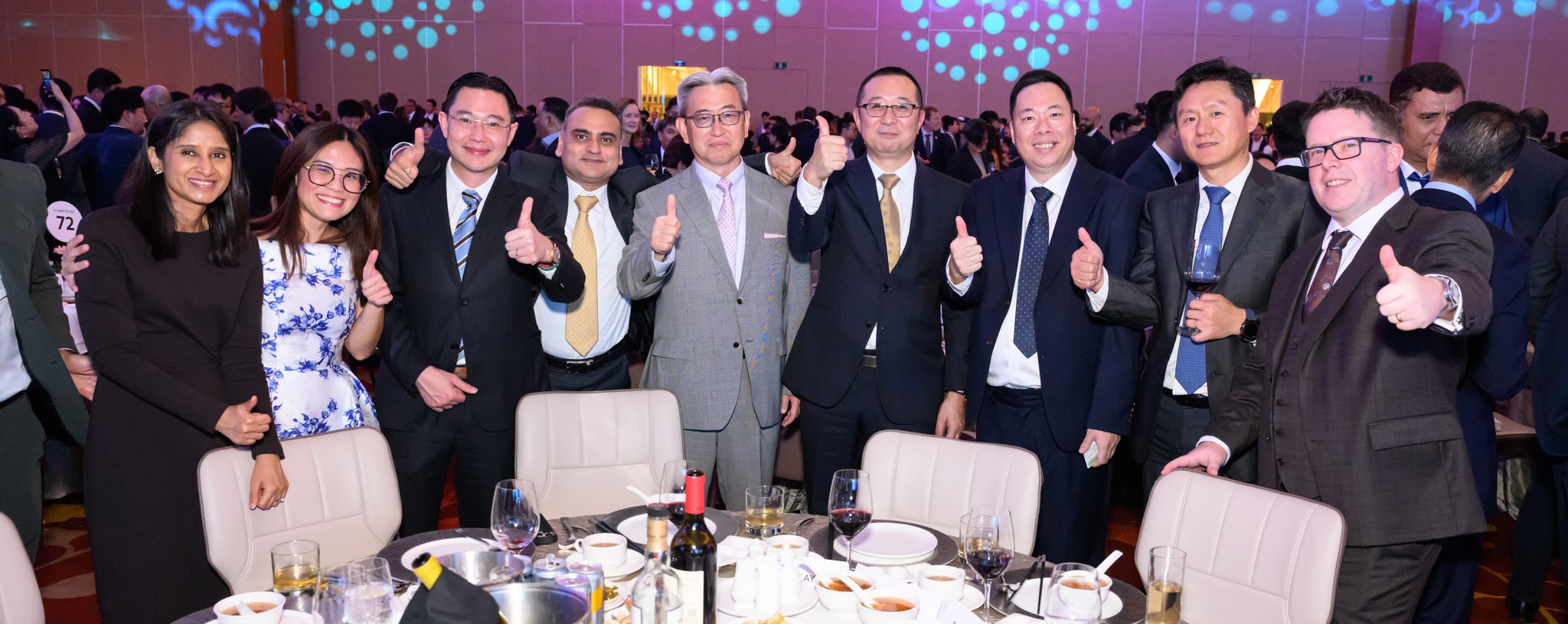
Thank you also to Rio Tinto, Shell, RightShip and our friends from the Marshall Islands registry, and to every owner and partner who joined us.
Capt Raja closed with a message for the officers. The decisions made onboard matter. They affect safety, reliability, asset value and customer confidence. A vessel that keeps trading, avoids disruption and delivers reliably is exactly what charterers look for.
Fleet Management was founded in 1994 on a promise to care for every shipowner's asset as if it were our own. That promise is kept onboard, by officers who take pride in a well-run ship and hold the standard when nobody is watching. As our largest crewing market, India plays an instrumental role in upholding that promise.


.jpeg)
.jpg)
.jpg)

.png)

.svg)