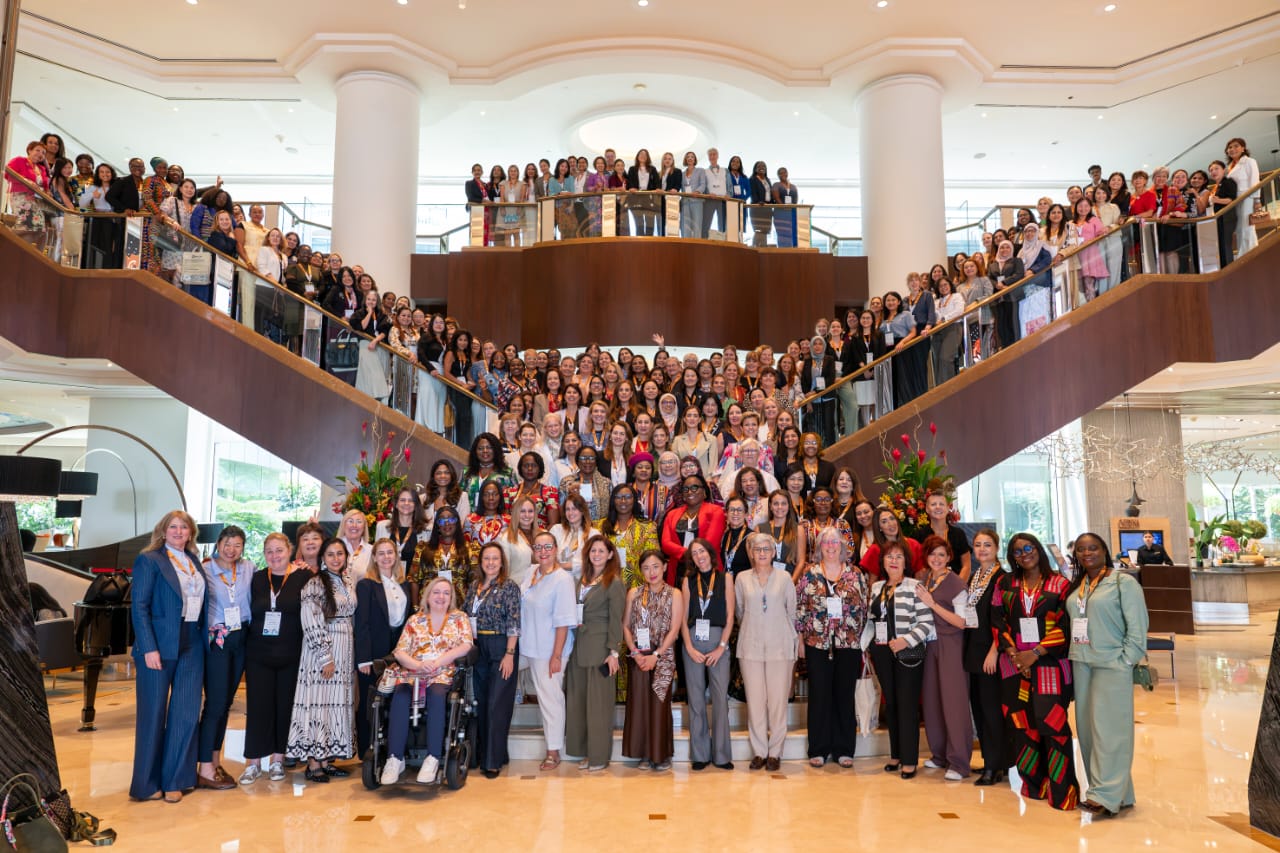
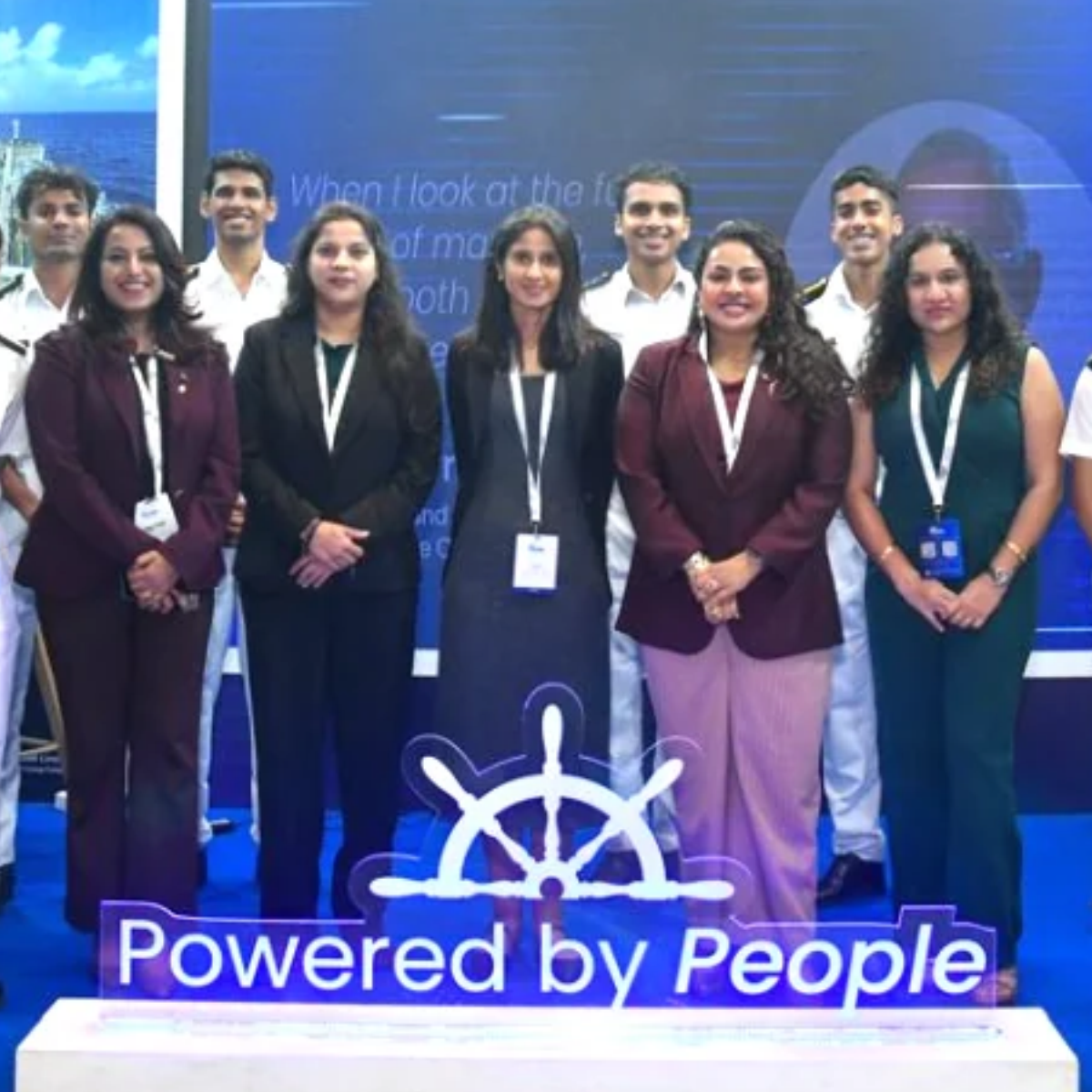
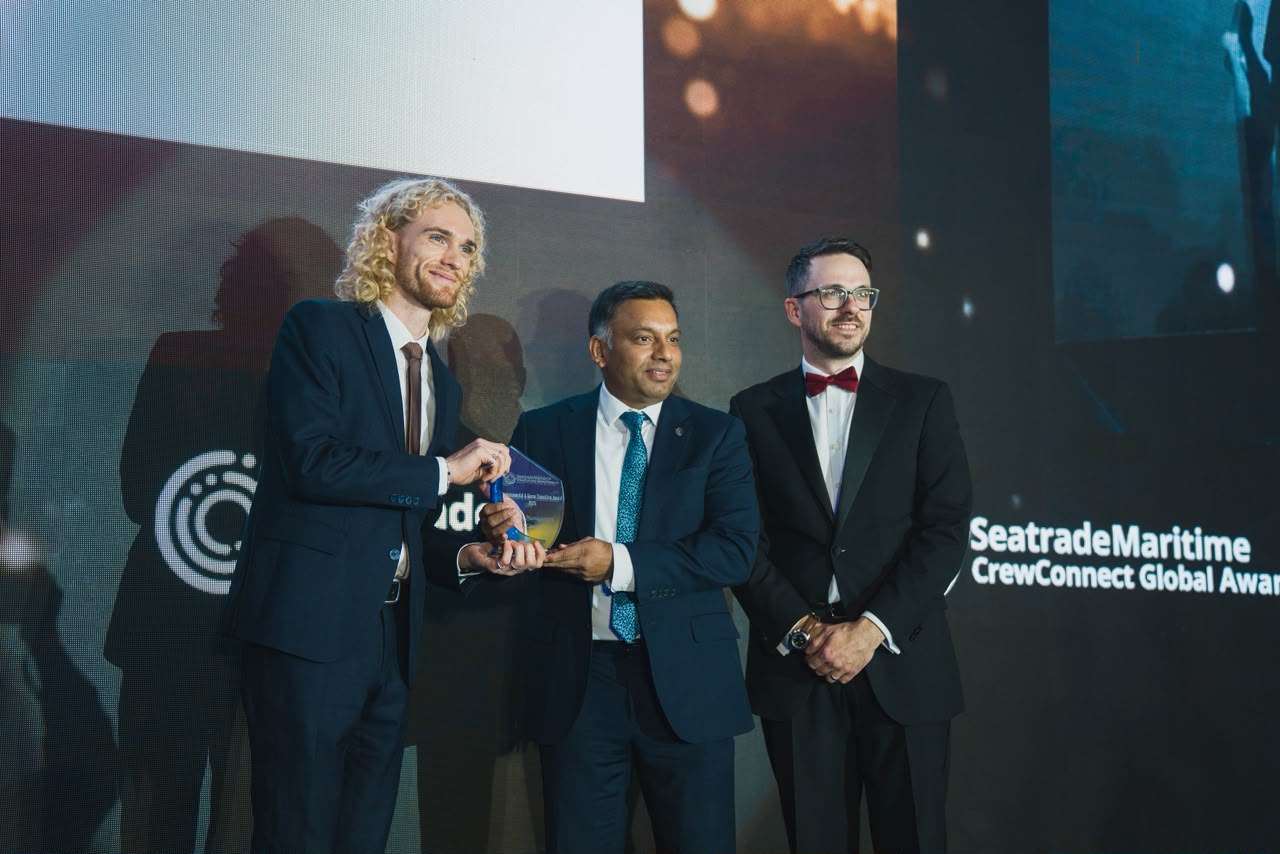
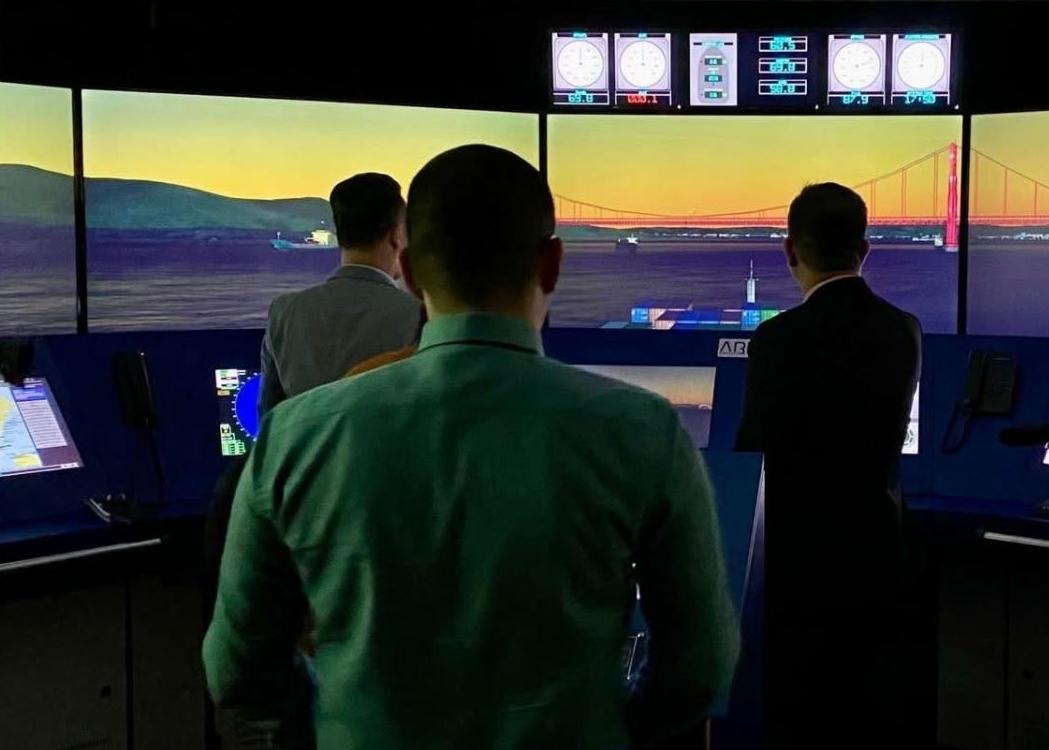
Fleet Management has supported the WISTA International AGM & Conference 2026 as a Gold Sponsor, as WISTA's flagship global gathering came to Asia Pacific for the first time in two decades.
In support of Fleet's vision to be the industry-leading destination for maritime and professional talent, Fleet Management joined maritime leaders in Kuala Lumpur as Gold Sponsor of the WISTA International AGM & Conference 2026. Co-hosted by WISTA Hong Kong SAR China, WISTA Malaysia and WISTA Singapore, the conference was the result of three Asian associations working together over the past year to bring the global event to the region.
WISTA International is the world's largest professional association for women in maritime, connecting more than 6,500 members across 62 National WISTA Associations, up from 6,000 a year ago. As the global voice for women in maritime, it works to increase participation, visibility and leadership opportunities for women throughout the sector. That mission closely reflects the values of Fleet Management and its parent company, The Caravel Group.
The theme, "Bridging Borders, Driving Change", reflects Asia's growing role as a connector, catalyst and innovation hub for global trade. Asia is home to nine of the world's ten busiest ports, leads global shipbuilding and supplies most of the world's seafarers. The programme explored Asia's influence on trade, future maritime talent, digitalisation, future fuels, geopolitical resilience and inclusive leadership, growing collaboration with regions around the world.
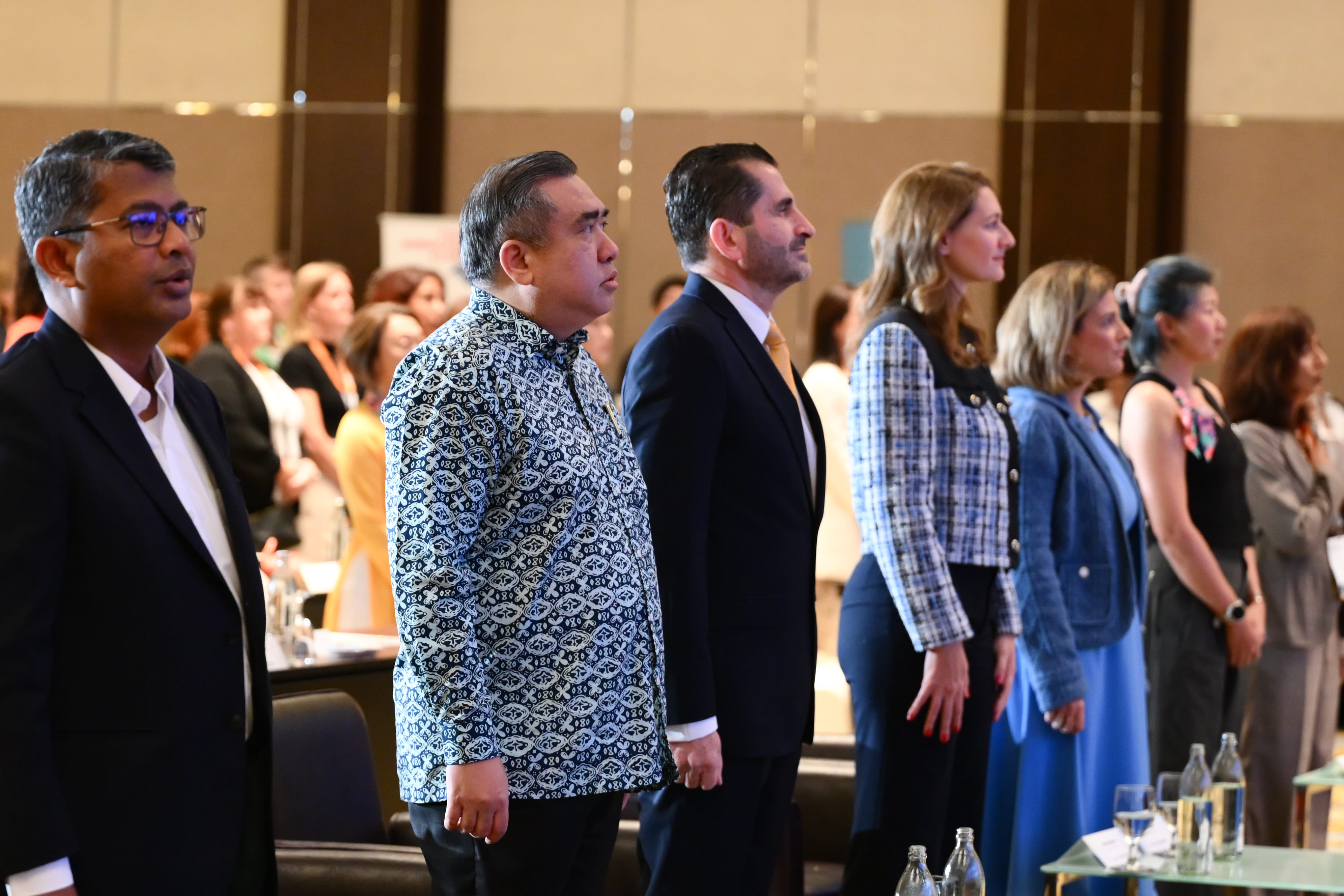
Opening the conference, Yang Berhormat Anthony Loke Siew Fook, Minister of Transport, Malaysia, called for practical solutions to the barriers that still limit women's advancement, noting that a diverse industry is a "stronger, more competitive one". Reflecting on the collaboration between Hong Kong, Malaysia and Singapore, he encouraged the industry to think beyond individual interests, adding "no one will lose when we work and collaborate together."
In a welcome video, Arsenio Dominguez, Secretary-General, International Maritime Organization (IMO), encouraged delegates to be role models for future women joining the industry, reminding them that progress is "a marathon, not a sprint".
Building the maritime talent pipeline
With 27,000 seafarers, 1,300 onshore professionals and services spanning ship management, newbuilding, training and specialist expertise, Fleet Management sees first-hand how important it is to build the pipeline of maritime leadership. Attracting, retaining and promoting talent from all walks of life is central to keeping ships and cargoes trading safely, and to the long-term strength of the industry.
As Asia Pacific economies continue to grow, the maritime sector must attract talent from the widest possible pool. Increasing participation and advancement for women is not simply a diversity objective. It is increasingly a business and economic imperative, helping strengthen workforce resilience and build the sustainable talent pipelines needed for long-term growth.
Diversity and inclusion form part of the Encompass responsibility strategy, particularly its Safeguarding People and Working Together pillars. Today, women hold 14% of leadership positions and 28% of people-management roles at Fleet, while the number of women seafarers has grown 25% year on year. Fleet's first and second women Masters continue to demonstrate what is possible when talent is supported and given opportunities to progress.
Through the International Maritime Institute (IMI), The Caravel Group has established a pathway from maritime education to employment, with 500 job-ready cadets joining Fleet's talent pipeline last year. Fleet Frontrunners is developing future leaders from ship to shore, supporting an objective to fill 25 to 30% of key shore roles internally by 2030. Wellbeing support through Fleet Care, including physical health and wellbeing programmes, 24/7 multilingual assistance and in-house psychologists, helps seafarers build long and rewarding careers.
Leadership from the top
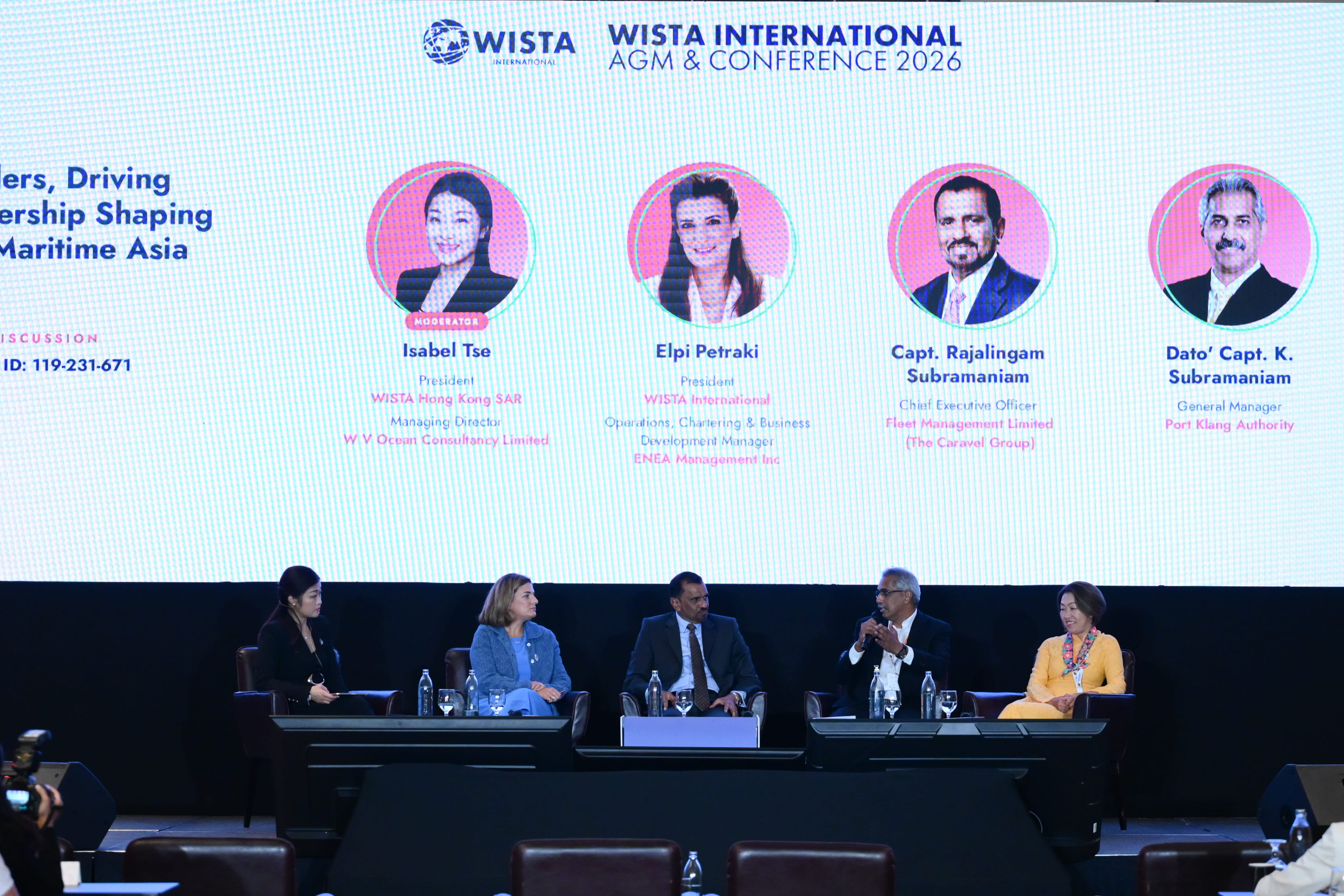
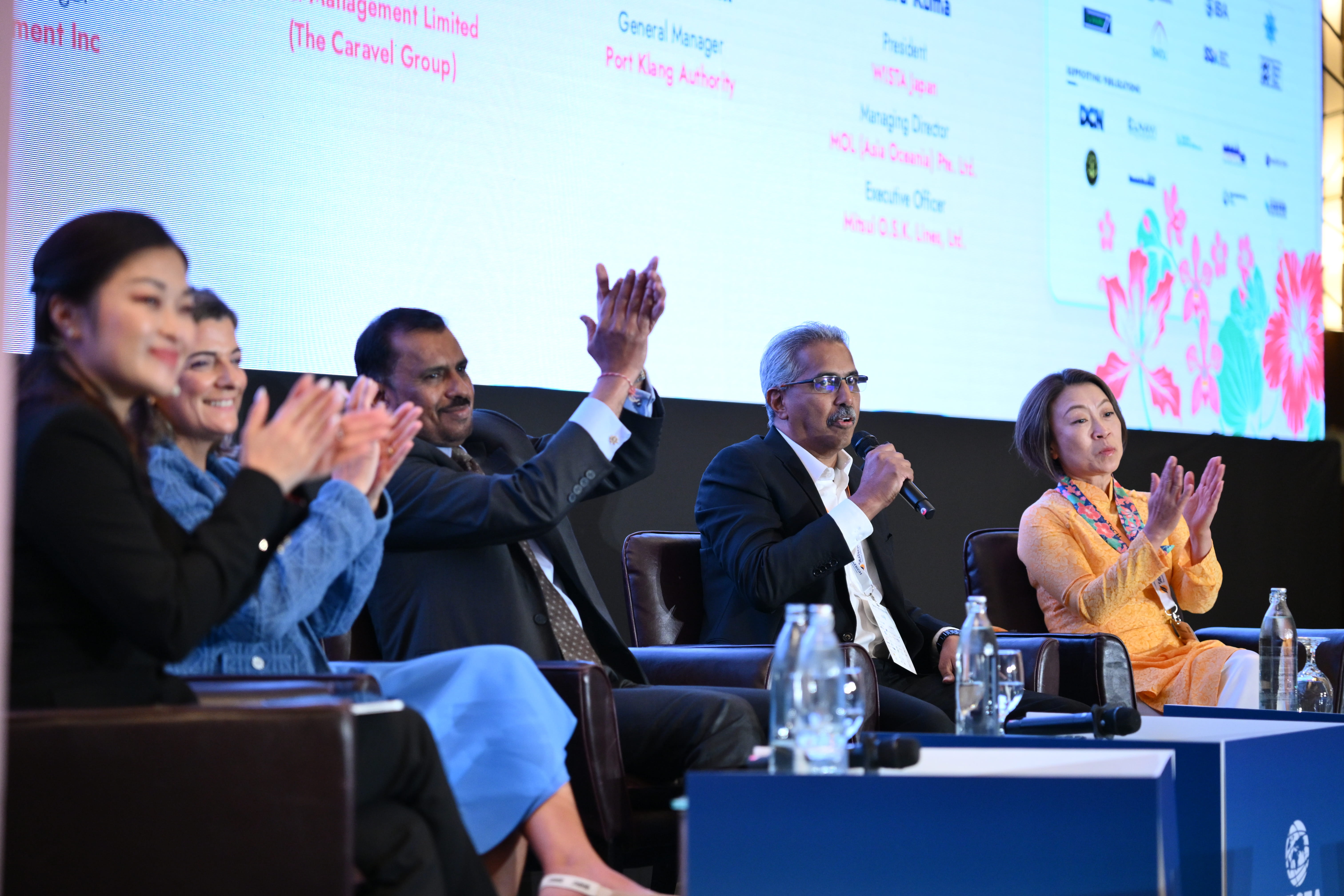
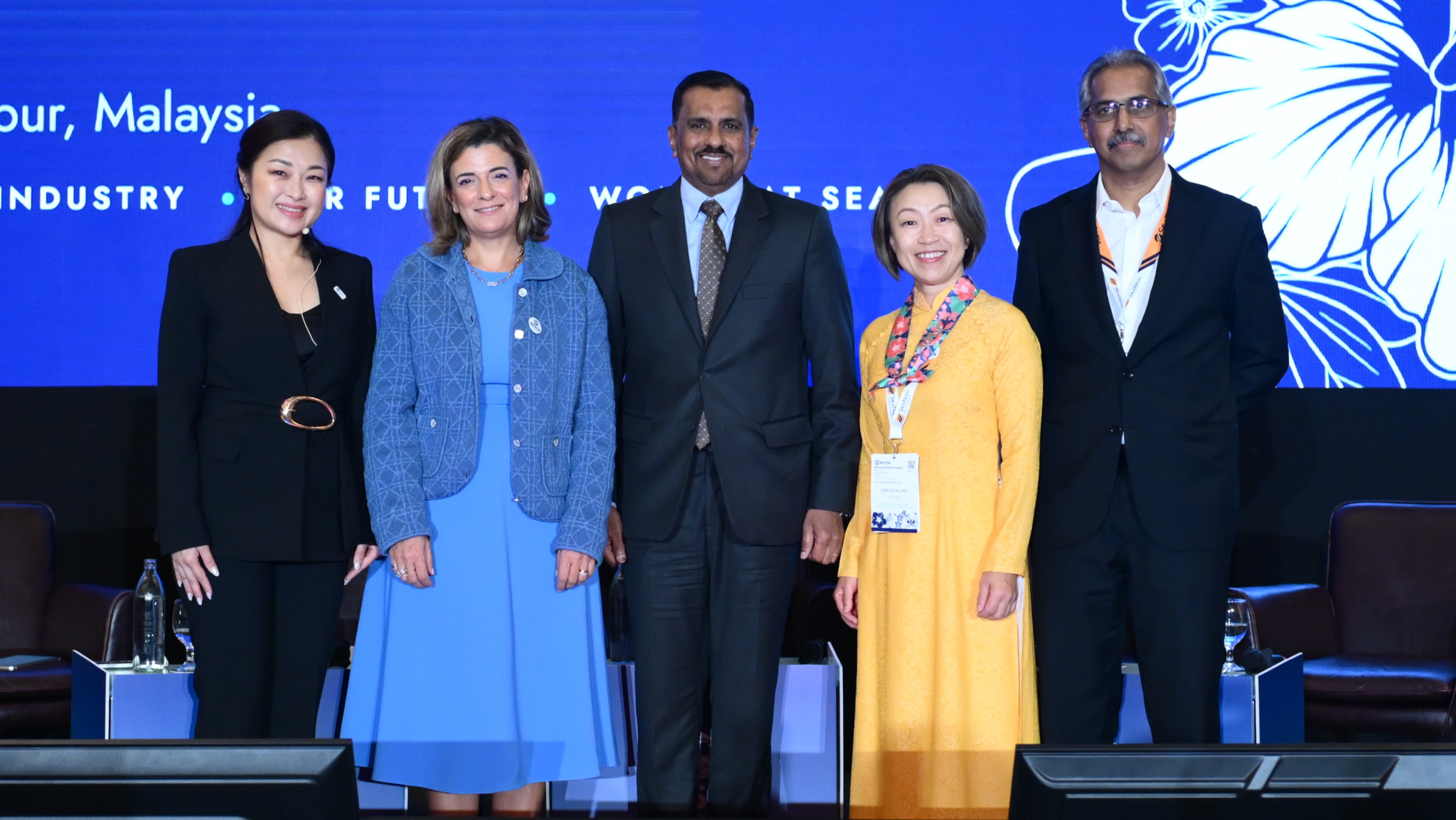
Capt. Raja Subramaniam, CEO, Fleet Management, joined the conference's Leadership Panel, "Bridging Borders, Driving Change: Leadership Shaping the Future of Maritime Asia". Moderated by Isabel Tse, President, WISTA Hong Kong SAR China, the panel also featured Elpi Petraki, President, WISTA International; Sakura Kuma, President, WISTA Japan and Managing Director, MOL (Asia Oceania); and Dato' Capt. K. Subramaniam, General Manager, Port Klang Authority.
For Capt. Raja, the session marked a return to where his own maritime journey began. He graduated from the Malaysian Maritime Academy in 1984 and progressed from junior officer to Master Mariner before moving into shore-based leadership, later serving as President & Group CEO of MISC. A long-time advocate of diversity and inclusion in maritime, his participation reflects support for WISTA's mission from the top of the organisation.
Echoing fellow panellists on the pace of disruption, Capt. Raja said the industry has moved “from uncertainty into chaos”. With 50 to 60% of trade passing through the region, he described Asia as an important connector for global shipping and spoke of its potential to be an example of collaboration. He also saw technology as a potential “disruption for the better”, provided the industry bridges the gap between early adopters, fast followers and others so that adoption is equal.
On talent, he called for greater, faster visibility to attract people into maritime, both at sea and in onshore roles ranging from human resources to legal and communications. He said:
"Much more needs to be done on a global level."
At MISC, Capt. Raja was put in charge of bringing women cadets into its academy programmes for the first time across MISC companies. That meant meeting their parents, setting policies and ensuring they were safe onboard. Some of those cadets were only a few years apart in age from his own daughter, which he said reinforced his commitment. The programme grew to expand diversity of nationality, with Malaysian, Filipino, Indian and Chinese seafarers later accepted.
At Fleet, women currently hold 28% of people-management roles onshore showing progress through ranks, yet represent only 2% of seafarers at sea. As Fleet works towards growing its seafarer workforce from 27,000 to 35,000 over the coming years, increasing participation among women remains an important focus. Reaching that goal requires practical provisions, including women-specific personal protective equipment, accommodation and buddy systems onboard.
Capt. Raja added
"It’s a whole society effort. It’s a board agenda. It’s a policy agenda."
Pointing to business school research showing that inclusivity improves productivity, he stressed that diversity is “not a policy to sit on the wall” or an ESG tick box.
Bringing the global conversation to Asia
Fleet Management and The Caravel Group actively support WISTA's national associations, including the Asian chapters that collaborated to bring the conference to the region. Ahead of the main event, The Caravel Group was principal sponsor of the WISTA Hong Kong Leadership Luncheon, welcoming international delegates for an introduction to Asia's maritime story.
Cassandra Simpson, General Manager, Corporate Communications, The Caravel Group, and Vice President, WISTA Hong Kong SAR China, speaking at the Hong Kong luncheon, said
"Diversity strengthens decision-making, widens opportunity and helps ensure our industry can draw from the broadest possible pool of talent. By convening events such as this, WISTA brings together influencers and decision-makers who share a commitment to building a stronger industry and developing the people who will shape its next chapter."
In Kuala Lumpur, Cassandra also moderated a fireside conversation with Thomas Kazakos, Secretary General, International Chamber of Shipping (ICS), on the outlook for maritime growth and development in Asia and the world.
Progress through collective action
No organisation can achieve meaningful industry-wide change alone. Building a stronger maritime workforce requires collaboration between shipowners, ship managers, training institutions, seafarers and industry partners. Platforms such as WISTA bring those voices together across borders and turn shared ambition into practical action.
As Asia's economies and maritime sectors continue to grow, ensuring women can fully participate in the opportunities created by that growth will be essential to the industry's future success. Real progress means creating an industry where women can enter with confidence, develop their capabilities, advance on merit and build lasting careers at sea and onshore.
We are committed to supporting WISTA and its chapters as we work together to build that future.