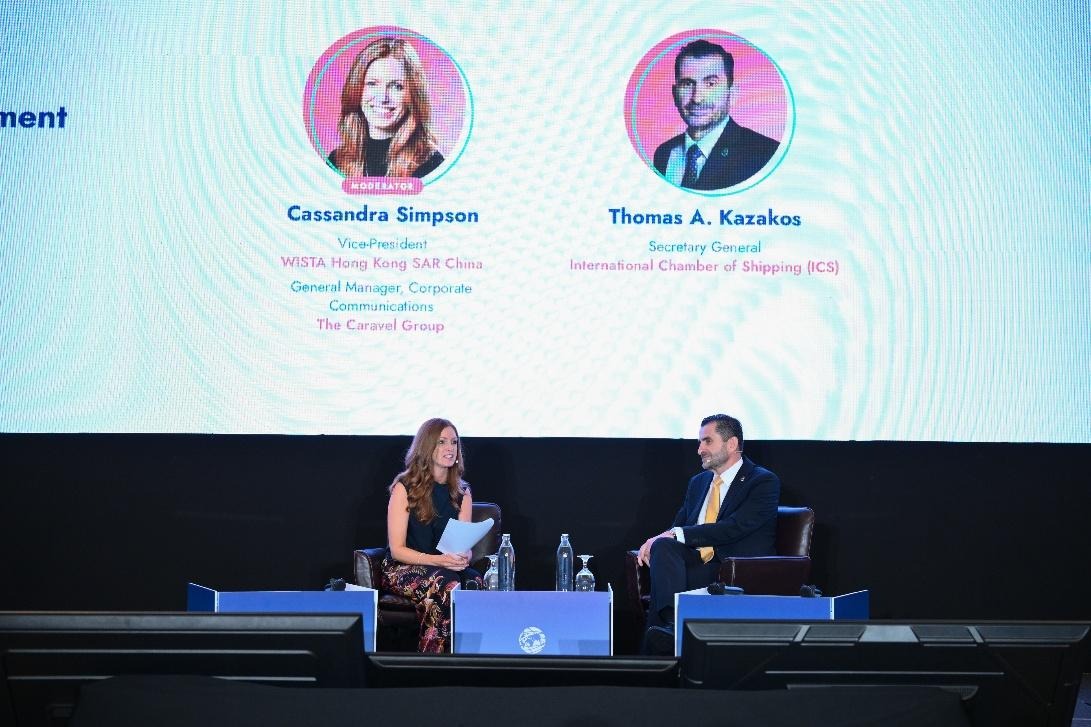
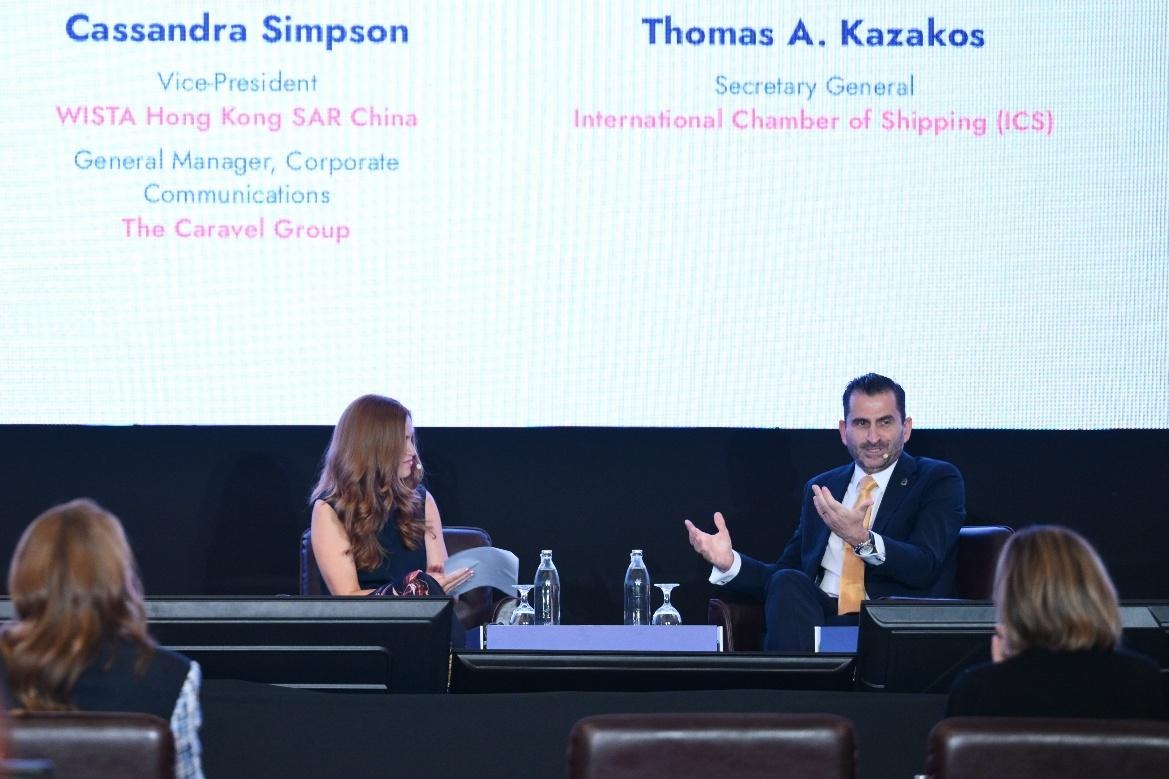
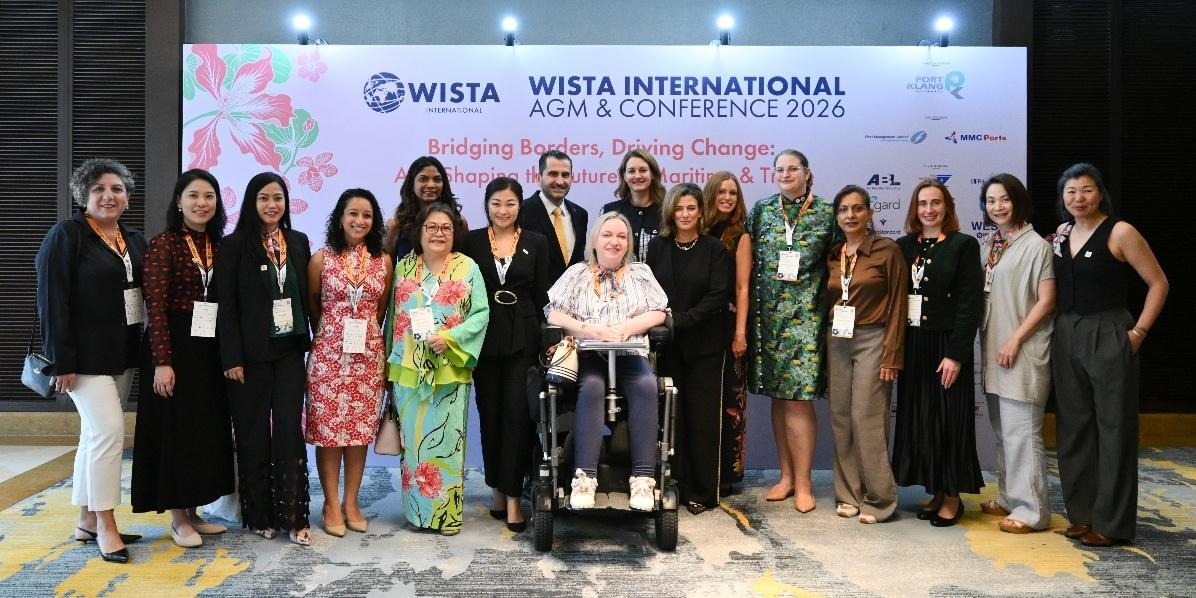
Addressing WISTA International's AGM & Conference 2026, Thomas A. Kazakos, Secretary General, International Chamber of Shipping (ICS), discussed "Asia and the World: Outlook for Maritime Growth and Development", covering the issues shaping global shipping, from seafarer safety and freedom of navigation to workforce development and inclusion, in a session moderated by Fleet Management.
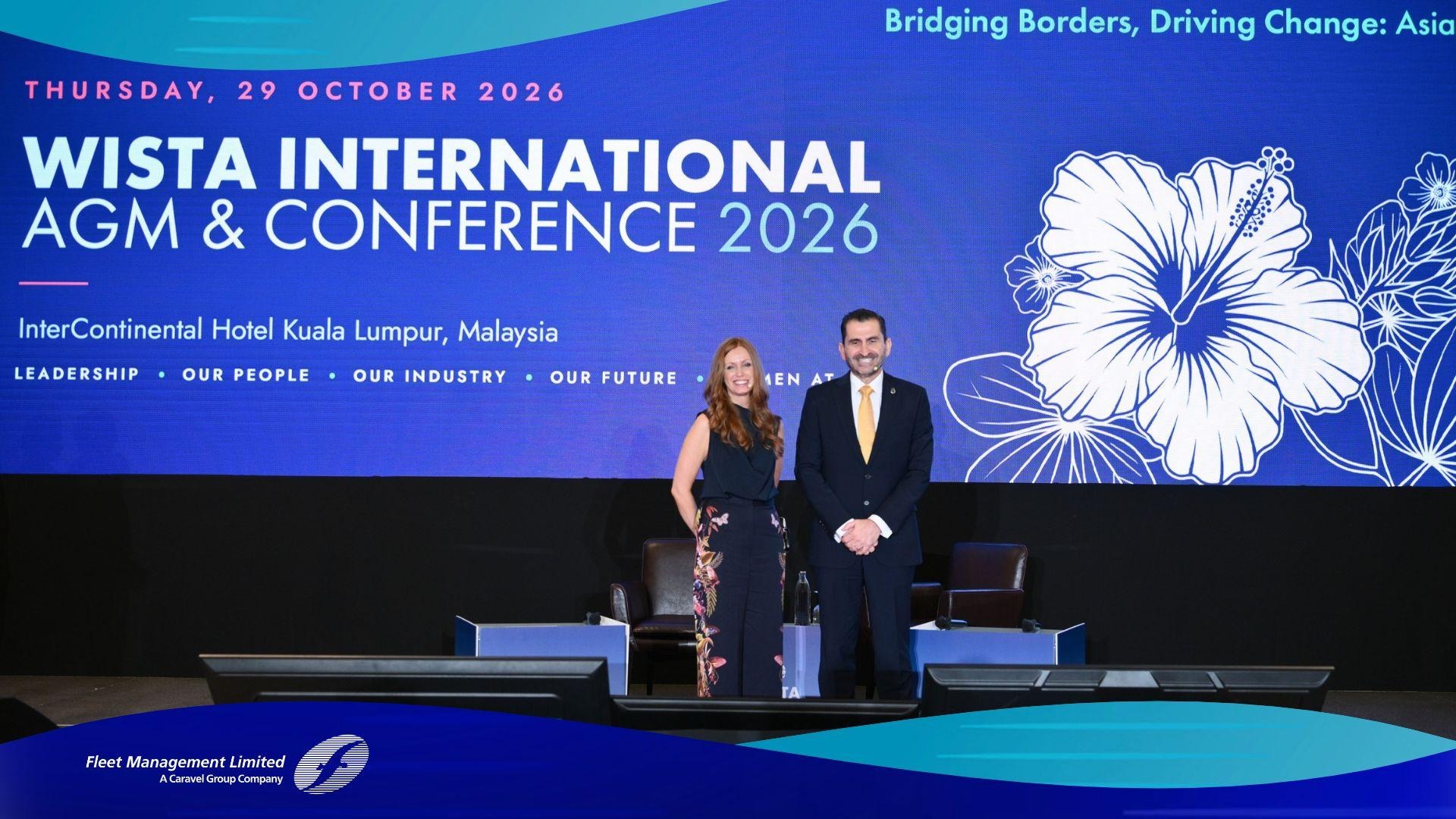
At WISTA International's AGM & Conference 2026 in Kuala Lumpur, Thomas Kazakos joined Cassandra Simpson, General Manager, Corporate Communications, The Caravel Group, and Vice President, WISTA Hong Kong SAR China, for a fireside conversation on the forces shaping global shipping, including today's operating environment, the role of shipping in global trade, and the opportunities and challenges facing maritime leaders.
Fleet Management and its parent company, The Caravel Group, supported the WISTA International conference as Gold Sponsor.
ICS represents more than 80% of the world's merchant fleet. Thomas joined as Secretary General in 2025, after three decades at the helm of the Cyprus Shipping Chamber as Director General. Few people have a broader perspective on the global maritime industry. Through his role at ICS, he works closely with shipowners and industry leaders, governments and regulators around the world on the issues shaping maritime's future, from freedom of navigation and international regulation to decarbonisation, resilience and workforce development.
Seafarers first
Thomas stepped into this role at a particularly consequential moment for shipping, marked by conflict, geopolitical tensions, regulatory fragmentation and tariffs. Wherever he travels, he said, he hears the same three concerns.
The first is the safety and security of seafarers. ICS represents maritime employers, and Thomas described seafarers as the industry's front line and its most important asset:
"The biggest asset we have is the human capital, and the first on the front line, of course, are seafarers."
He called it unacceptable that innocent seafarers, women and men, are attacked, hijacked, held for ransom, injured or killed, most notably in the Strait of Hormuz and the Arabian Gulf, but also in the Red Sea and the Black Sea.
The second is the erosion of the international regulatory framework, which he said requires closer cooperation between industry, governments, decision makers, the media and the public, with firm support for the UN, IMO and ILO. The third is decarbonisation. Here, ICS whilst remaining committed to the IMO Strategy, is calling for pragmatism, one enforceable and practical global framework under IMO, and incremental implementation.
Freedom of navigation must not be conditional
Since the conflict in the Persian Gulf began, ICS has worked with the International Transport Workers' Federation (ITF), the International Maritime Organization (IMO) and Gulf states to make sure supplies reached seafarers and has supported the IMO's evacuation plan. It has also challenged proposals to impose compulsory tolls on international transit or to change the legal status of free and unobstructed transit through the strait.
For ship managers, the issue is immediate. Throughout the crisis, Fleet Management stayed in continuous contact with around 600 of its seafarers in affected areas and their families, with provisions and round-the-clock support until their onward passage was secured.
In mid-September, ICS presented the industry's position to a special session of the UN Security Council. Thomas said:
"Freedom of navigation must not be conditional; it simply means free navigation. International straits cannot become toll roads. And commercial shipping and innocent seafarers must not be held to ransom."
He warned that failing to uphold these principles would send a dangerous political message: that attacking innocent shipping and seafarers is the easiest way to win concessions in a conflict.
Acceptance, recognition, pride
WISTA's mission is one Thomas has long championed. Through his years working alongside WISTA Cyprus, he has consistently encouraged members to support and promote women in shipping, warning that the industry cannot afford to lose "more than 50% of the human intelligence, creativity and vision" available to it.
He pointed to WISTA Cyprus as an example of how to make that happen in practice. When its founders asked the Cyprus Shipping Chamber for support, the answer was immediate. The Chamber's board, once made up of 12 men, later welcomed its first women directors, bringing new ideas, passion and vision.
Thomas said:
"For me, it comes down to three words: acceptance, recognition and pride. If you build it, they will come. They built it, they came, and today WISTA Cyprus is an active member of WISTA International."
Creating interest from an early age
On attracting the next generation, Thomas again drew on personal experience. Growing up on a Cypriot beach, with the sea shaping his earliest memories, he said he knew from the age of 12 that his career would lie "somewhere between law and shipping". When he began his career, shipping was not even taught in Cyprus, despite a maritime tradition stretching back thousands of years.
The local industry responded with Adopt a Ship, a programme pairing primary school classes with ships, so children could follow a captain and crew through emails and video calls. The idea helped change perceptions in government, brought shipping into higher education, and has since been adopted in countries including the Philippines, India and Greece.
He said the industry must engage people early, before more visible sectors such as technology, tourism and financial services win them over, and should talk more about its growth as well as its challenges.
He added:
"If we wait until young people reach high school or university, we have lost them. With shipping, either you love it or you don't, so we need to spark that passion early."
Resilience and opportunity
Asked what gives him the greatest confidence about the future of shipping, Thomas named its long history and its resilience. In more than 30 years of association work, he said, he had seen many crises in which shipping was portrayed negatively. This time, the disruption has shown the world how important shipping is, not only for consumer goods but for energy security and food security.
He urged delegates not to let that momentum pass, and to use it to show the brave women and men who keep trade moving.
Closing the session, he said:
"The question should not be who will let you; the question should be who will stop you. Aim for the moon, and if you fail, you will land among the stars."
We thank Thomas Kazakos for joining the conversation and sharing his perspectives on the issues shaping global shipping. For Fleet Management, many of these themes, from seafarer welfare and maritime security to inclusion and future talent, are fundamental to supporting the people who keep global trade moving.