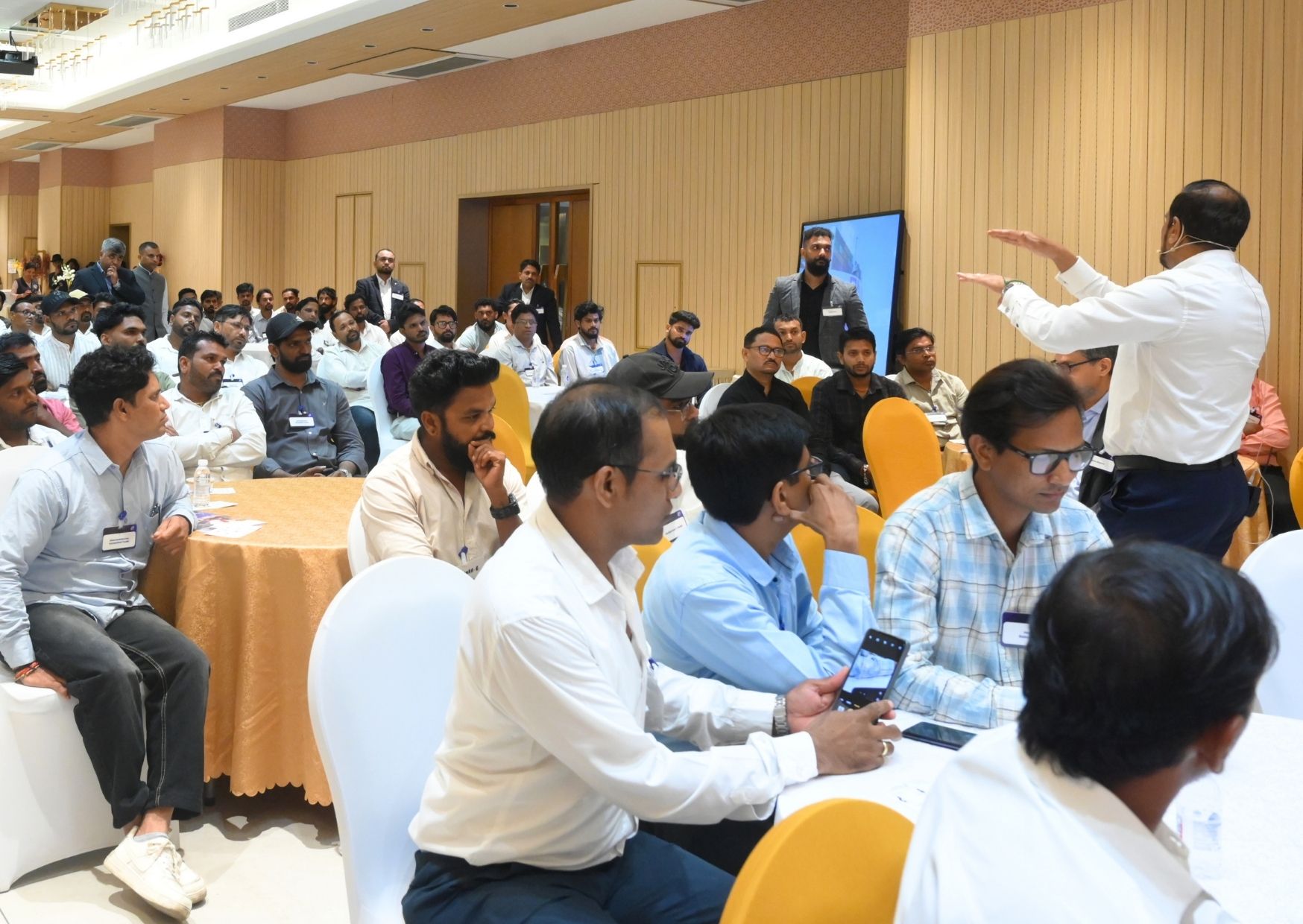
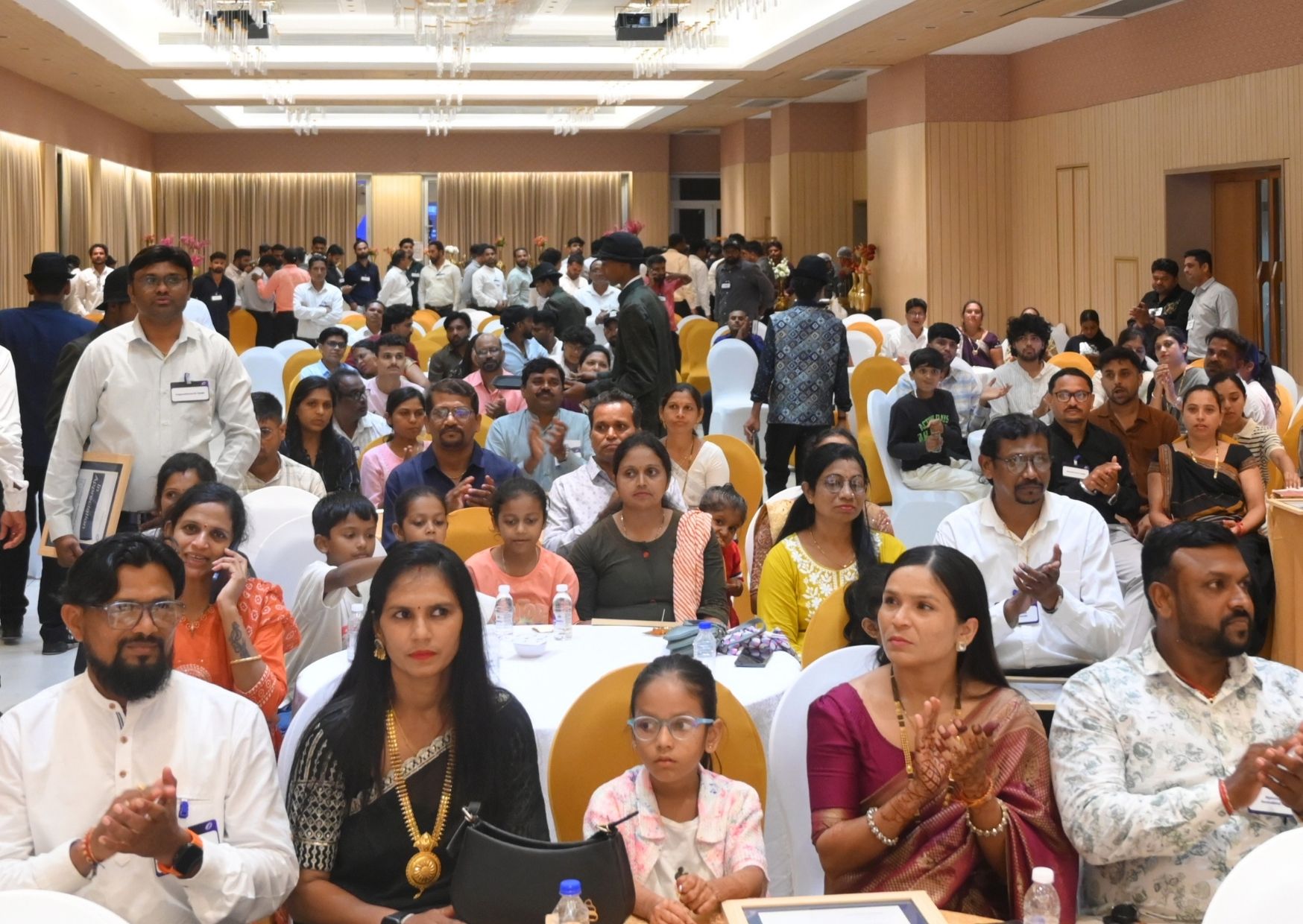
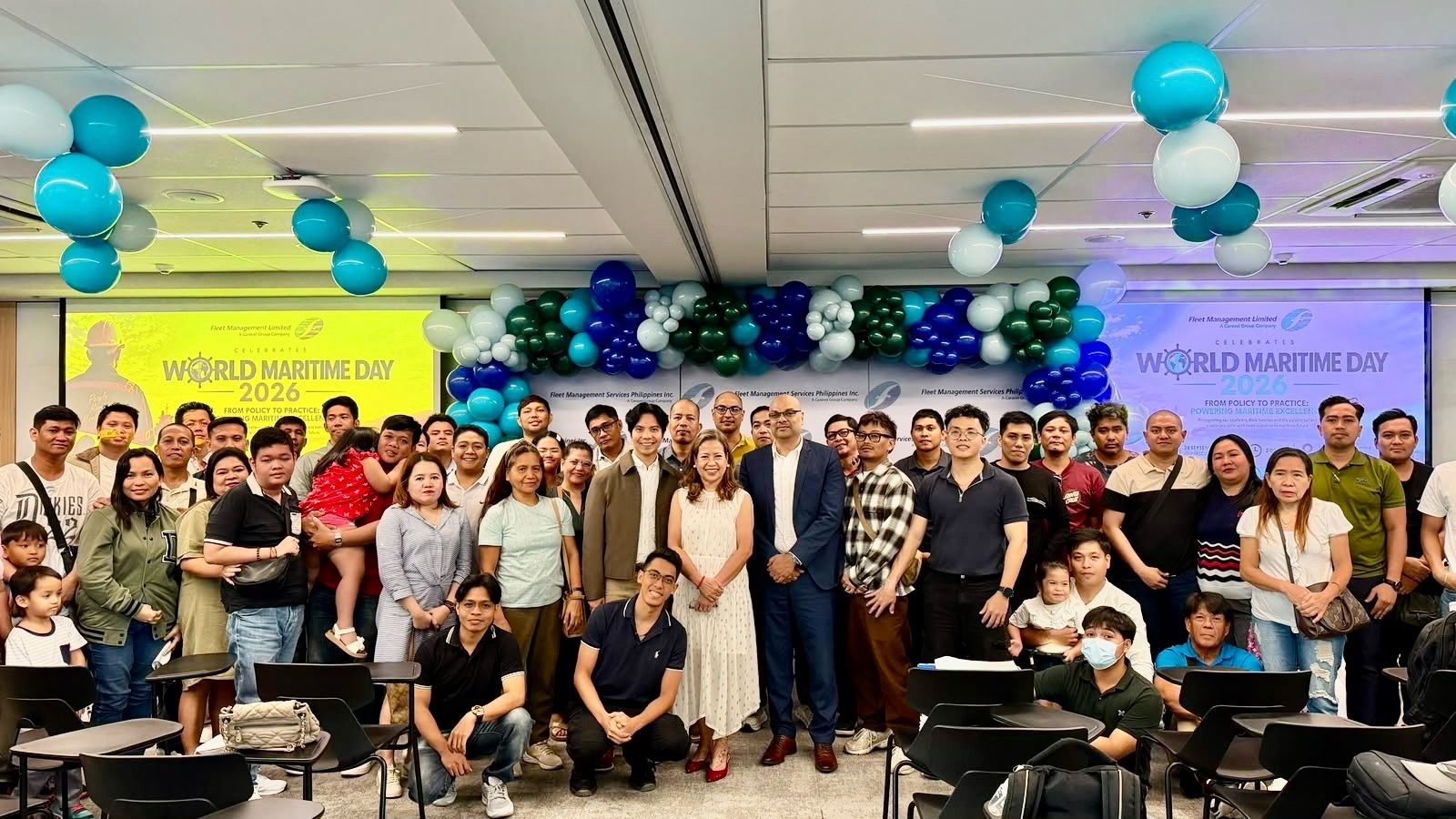
More than 200 ratings came together in Valsad, India for the first in our new series of events for ratings. The series reflects Fleet Management’s focus on strengthening safety culture across all ranks.
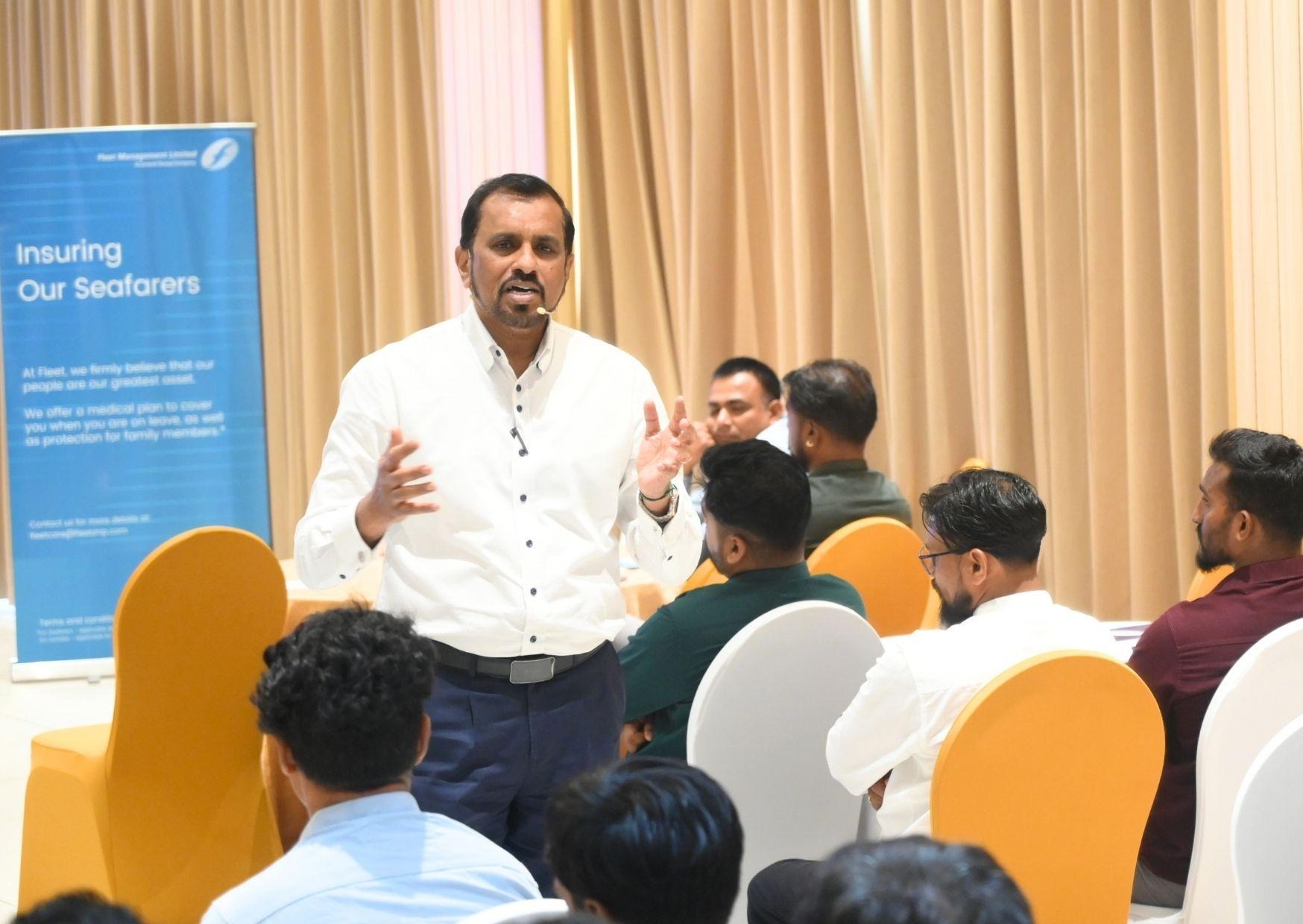
Fleet Management’s Chief Executive Officer, Capt. Rajalingam Subramaniam, led the day in Valsad with the cohort of more than 200 ratings for a session on the safety behaviours that prevent incidents at sea. The programme also covered wellbeing, safety in practice and operational excellence, keeping learning firmly rooted in real onboard work.
Why it Matters: Safety and Consistency
According to a 2025 RightShip study, 12,540 days were lost in 2024 due to PSC detentions, costing the industry US$188 million. But the impact goes well beyond cost. Detentions disrupt voyages, increase pressure onboard and can drive fatigue and workload, which in turn raises safety risk if not managed properly.
The human cost is even more serious. Injuries can have a lasting emotional impact and may lead to loss of income for seafarers and their families. Many of the factors behind these outcomes are not “one-off” failures. They often build gradually through gaps in wellbeing, safety discipline, communication and operational responsiveness, until a routine task becomes an incident
This is where ratings play a vital role. Ratings are at the centre of day-to-day operations, and the decisions made on deck, in machinery spaces and during routine tasks shape outcomes long before anything becomes reportable. Consistent adherence to procedures, clear communication across ranks, early reporting of issues and the confidence to pause work when something does not feel right all reduce the likelihood of escalation.
Reinforcing Mindset Through Case Studies
The seminar used case studies to keep learning practical and directly linked to shipboard reality. By working through real incidents, participants could see how risk develops step by step, and how small decisions, missed checks or communication gaps can escalate if they are not challenged early.
Capt. Deepak Correa, Chief Operating Officer for Fleet Management’s India operations, reinforced the importance of everyday decision-making and understanding the reasons behind safe behaviours.
“Safe operations are built on everyday decisions. When people understand the reason behind them, they make better choices,”
he said.
This approach strengthened procedural discipline and accountability by connecting lessons from real incidents to routine onboard tasks. It also supported clearer communication between ratings and officers, helping teams’ surface operational gaps earlier and intervene before issues become incidents. Most importantly, it reinforced the consistent behaviours that protect people at sea.
Wellbeing as a Safety Enabler
A central part of the programme focused on wellbeing and its role in operational decision-making. In a session led by Capt. Randhir Mahadik, Head of Fleet Care, alongside Fleet Management’s in-house clinical psychologist, Divya Nair, participants explored practical ways to recognise stress, support colleagues and respond early before situations escalate
The discussion stayed focused on real actions. Recognising signs of distress, checking in with a colleague and speaking up early all contribute to safer and more stable onboard environments. When crews feel supported, they are better able to maintain focus, manage pressure and make sound decisions at sea.
Leadership Messages Grounded in Life Onboard
Capt. Rajalingam Subramaniam led the final Q&A session, reinforcing Fleet’s standards around safety and professionalism. He highlighted the importance of tools such as stop-work authority in protecting people when something is not right.
A key theme was partnership onboard. Discussion reinforced the value of strong toolbox meetings, clear communication between officers and ratings, and protecting rest hours so fatigue does not erode judgement. The session closed with an open Q&A on operational concerns, including rest hours enforcement and how toolbox feedback is applied across ranks.
During the engagement, long service awards were presented to ratings and officers with over 15 and 20 years of service, recognising colleagues whose experience and professionalism continue to contribute to safe operations at sea.
Looking Ahead
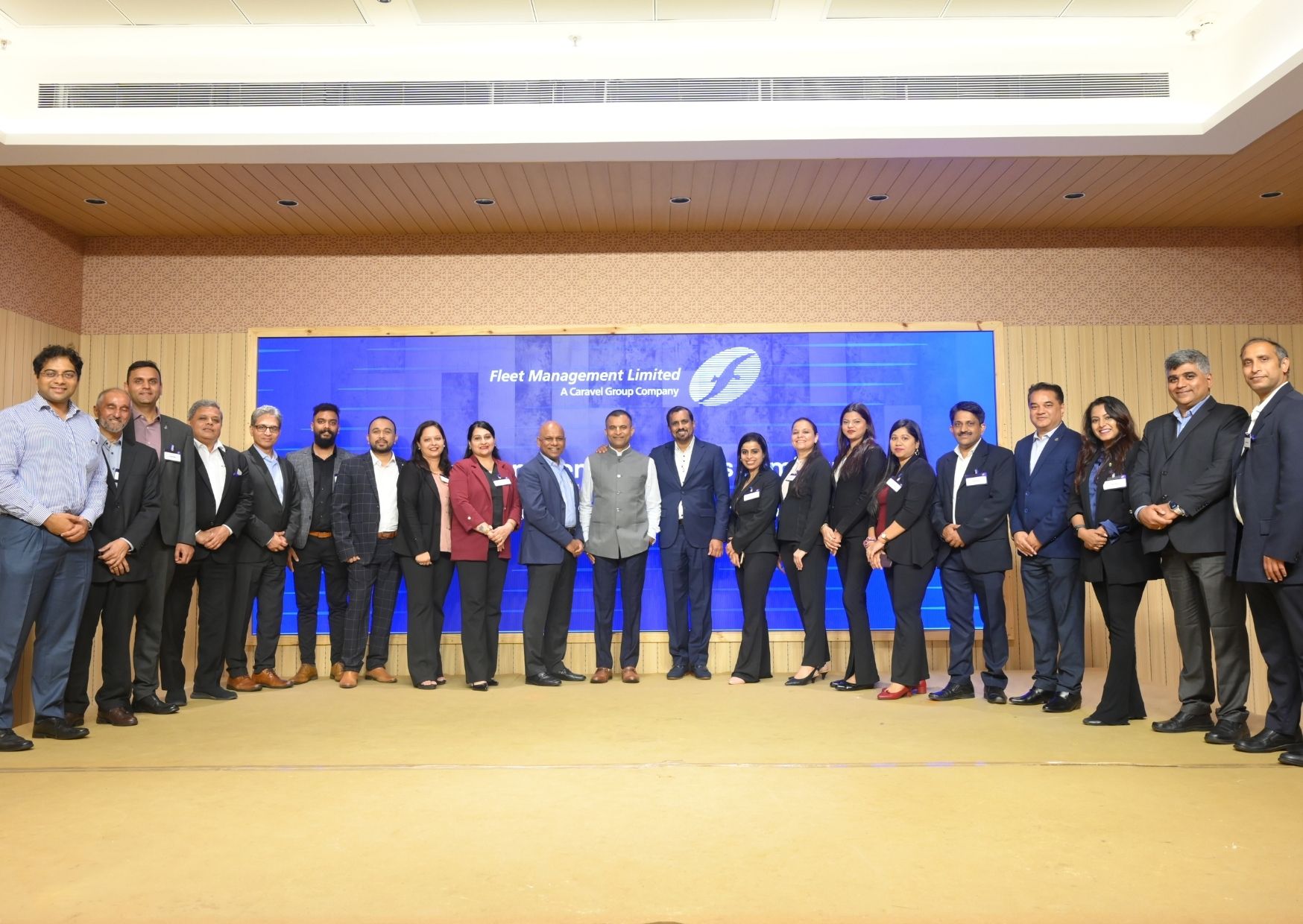
By bringing ratings into practical, discussion-led learning, the seminar reinforced a culture of ownership, teamwork and continuous improvement. Fleet Management looks forward to hosting more seminars in this new series, supporting seafarers with learning that reflects real onboard conditions and strengthening the shared behaviours that keep people safe, voyage by voyage.


.jpg)

.png)
.jpg)

.svg)